
Short Answer
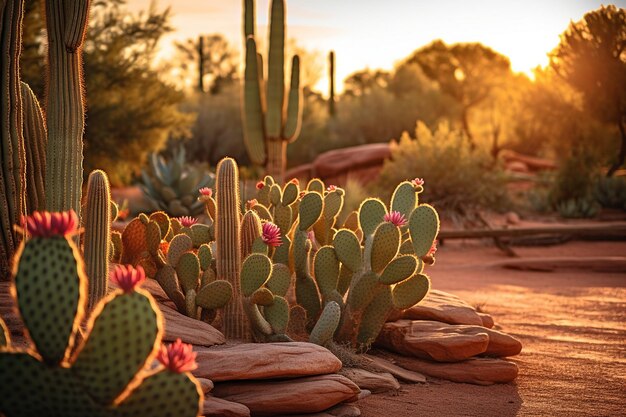
Have you ever wondered what happens when a prickly pear cactus finds itself homeless? The Opuntia genus, those resilient, paddle-shaped botanical wonders, are facing an existential quandary—one that doesn’t involve thorns or drought, but something far more insidious: habitat loss. As human expansion gobbles up arid landscapes, these spiky survivors are left in the dust, their once-vast territories reduced to fragmented pockets of survival. But what does this mean for the prickly pear’s future—and, by extension, the ecosystems that depend on it? Let’s dig into the prickly truth behind habitat loss and its devastating ripple effects on Opuntia populations.
The Vanishing Act: How Human Footprints Erase Prickly Pear Real Estate
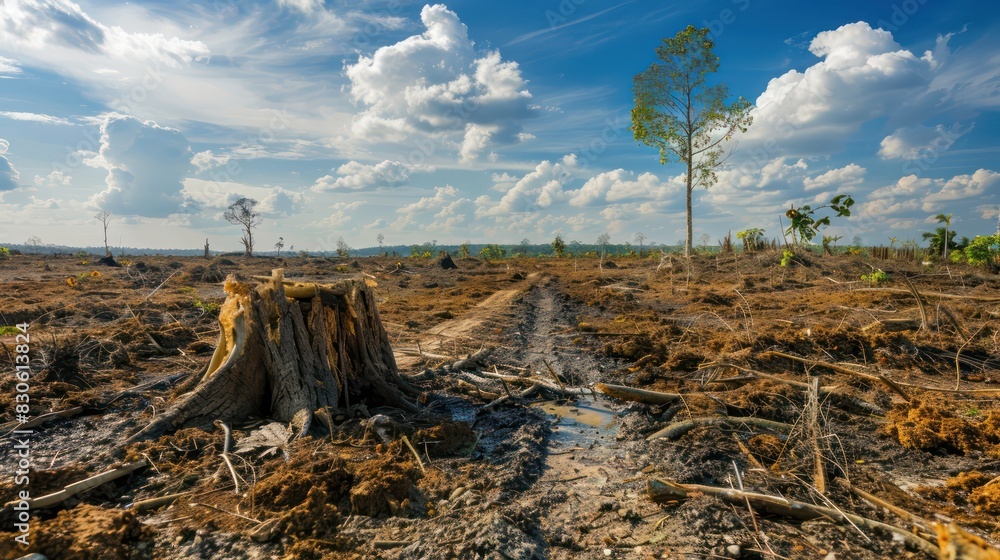
The modern world is a sprawling metropolis of concrete and steel, but its foundations are built on the bones of ecosystems that once thrived in harmony. Opuntia species, native to the Americas, have evolved over millennia to flourish in arid and semi-arid regions—think deserts, grasslands, and scrublands where water is a luxury and shade is a mirage. Yet, these very landscapes are now prime real estate for agriculture, urban development, and industrial expansion. As bulldozers roll in, the cacti’s natural habitats are bulldozed into oblivion, leaving them stranded in isolated patches like botanical islands adrift in a sea of asphalt.
Consider the Opuntia pycnantha, a species whose delicate yellow blooms once painted the desert floor in vibrant hues. Today, its habitat is increasingly fragmented by vineyards and solar farms, its once-continuous range now a patchwork of shrinking enclaves. The loss isn’t just spatial—it’s temporal. With each acre paved over, the cacti lose not only their homes but also the generational memory of their ancestral lands, their ability to disperse seeds and reproduce hampered by the sheer absence of space.
Pollination Peril: When Bees and Bats Become Reluctant Migrants
Here’s a thought-provoking twist: what if the real tragedy of habitat loss isn’t just the loss of the cactus itself, but the collapse of its intricate relationships with pollinators? Opuntia species rely heavily on bees, moths, and even bats for reproduction. Their flowers are not mere decorations; they’re carefully crafted invitations to pollinators, offering nectar in exchange for the transfer of pollen. But as their habitats shrink, so do the populations of these vital partners.
Imagine a desert where the once-abundant Agave moths, the primary pollinators of many Opuntia species, can no longer find the right plants to lay their eggs. Or picture a night where bats, those nocturnal pollination powerhouses, are forced to abandon their foraging grounds due to light pollution and habitat degradation. The result? A pollination desert within a desert. Without effective pollination, Opuntia populations dwindle, their genetic diversity wanes, and their ability to adapt to changing climates evaporates like morning dew in the scorching sun.
The Domino Effect: How Cactus Loss Ripples Through Ecosystems
The disappearance of Opuntia isn’t an isolated tragedy—it’s a domino effect waiting to topple entire ecosystems. These cacti are keystone species, meaning their presence (or absence) has outsized impacts on their surroundings. Take the Gila woodpecker, for instance, which nests in the hollowed-out stems of Opuntia species like the Opuntia engelmannii. Without these cacti, the woodpecker loses its nesting sites, and in turn, other cavity-nesting birds and insects suffer. The ripple continues: fewer woodpeckers mean fewer insect predators, leading to pest outbreaks that can devastate other plant species.
Even the soil feels the loss. Opuntia roots stabilize sandy soils, preventing erosion and creating microhabitats for countless microorganisms. Their fallen pads decompose into nutrient-rich mulch, feeding the very earth they once stood upon. Remove the cacti, and the soil becomes vulnerable to wind and water erosion, turning fertile ground into barren wasteland. It’s a vicious cycle—one where the loss of a single species unravels the fabric of an entire ecological tapestry.
Climate Change: The Double Whammy for Prickly Pears
If habitat loss weren’t enough, Opuntia species now face the added stress of climate change—a double whammy that threatens to push them over the edge. Rising temperatures and prolonged droughts are turning once-hospitable habitats into inhospitable furnaces. While Opuntia are masters of water conservation, even they have their limits. Prolonged heatwaves can desiccate their pads, stunt their growth, and reduce their ability to flower and reproduce.
Worse still, climate change is altering the timing of ecological events. Pollinators may emerge at different times than the cacti’s blooms, creating a mismatch that disrupts reproduction. Some Opuntia species are already shifting their ranges poleward or to higher elevations in search of cooler climes, but this isn’t always an option in fragmented landscapes. The result? A botanical game of musical chairs, where the music stops before the cacti can find a seat.
Conservation Conundrums: Can We Save the Prickly Pear?
So, what’s the solution? Conservation efforts for Opuntia species are as prickly as the plants themselves, fraught with challenges and trade-offs. One approach is habitat restoration—reintroducing native plants, removing invasive species, and creating corridors that allow cacti to disperse and thrive. But restoration is costly, time-consuming, and often met with resistance from landowners who see open space as an opportunity for profit.
Another strategy is ex-situ conservation—collecting and preserving Opuntia seeds in seed banks, or cultivating them in botanical gardens. While this safeguards genetic diversity, it’s no substitute for the real thing. A seed bank can’t replicate the intricate web of relationships that sustain a cactus in the wild, nor can it protect the pollinators that keep the species alive.
Perhaps the most promising avenue is community-based conservation, where local stakeholders—farmers, indigenous groups, and conservationists—work together to protect Opuntia habitats. This approach recognizes that the fate of the prickly pear is intertwined with the fate of the people who share its landscape. By promoting sustainable land use and fostering a sense of stewardship, we might just give these spiky survivors a fighting chance.
The Final Thorn: Why Opuntia Matter More Than You Think
At first glance, a cactus might seem like just another plant—spiky, slow-growing, and unassuming. But the Opuntia genus is a testament to resilience, adaptability, and the delicate balance of nature. These plants are not just survivors; they’re ecosystem engineers, pollinator magnets, and food sources for countless creatures. Their decline is a warning sign—a canary in the coal mine for the health of our planet’s arid and semi-arid regions.
So, the next time you see a prickly pear standing defiantly in a patch of urban sprawl or a desert landscape, ask yourself: what would the world look like without it? The answer might just prick your conscience into action.
FAQ
What is causing habitat loss for Opuntia?
Habitat loss for Opuntia is primarily caused by urban development, agriculture, and industrial expansion.
Why are Opuntia species important for ecosystems?
Opuntia species are keystone species that support various wildlife and stabilize soils.
What can be done to conserve Opuntia populations?
Conservation efforts include habitat restoration, ex-situ conservation, and community-based initiatives.

Leave a Reply