
Short Answer
There’s something quietly mesmerizing about standing before a cactus in a botanical garden—a silent sentinel of the arid world, its spines glinting under controlled sunlight, its flesh pulsing with life despite the harshness of its native terrain. These prickly botanical marvels, often dismissed as mere desert curiosities, are in fact living relics of evolutionary ingenuity. Yet, beyond their striking appearances lies a deeper narrative: one of survival, adaptation, and, increasingly, conservation. Botanical gardens have emerged not just as showcases of botanical beauty, but as vital bastions in the preservation of cactus species, many of which teeter on the brink of extinction in the wild.
The Arid Architects: How Cacti Mastered Survival
To understand why cacti are so vulnerable—and why their conservation matters—we must first appreciate their extraordinary adaptations. Cacti are not merely plants that tolerate drought; they are hyper-specialized survivors that have redefined the rules of photosynthesis and water storage. Their ribbed, columnar forms are not decorative flourishes but architectural marvels, allowing them to expand and contract with seasonal water availability. The spines, often mistaken for mere defense mechanisms, are in fact modified leaves that reduce water loss by minimizing surface area and creating a microclimate of still, humid air around the plant.
Yet, these adaptations come at a cost. Cacti grow slowly. A saguaro, for instance, may take 75 years to grow its first arm. Their reproductive cycles are tied to rare rainfall events, and many species rely on specific pollinators that are themselves declining. In a rapidly changing climate—where deserts expand and rainfall patterns shift—these ancient survival strategies are being outpaced by environmental change. The result? A silent crisis unfolding in the world’s driest regions.

Gardens as Arks: The Emergence of Ex-Situ Conservation
Enter the botanical garden—not as a mere aesthetic display, but as an ecological lifeboat. Ex-situ conservation, the practice of preserving species outside their natural habitats, has become a cornerstone of cactus conservation. Botanical gardens worldwide now house living collections of rare and endangered cacti, acting as genetic reservoirs that can be reintroduced into the wild when conditions improve. This is no small feat. Cacti, with their slow growth and specific microclimate needs, demand meticulous care. Soil composition, light intensity, and even the angle of sunlight must mimic their native environments to prevent stress-induced dormancy or, worse, death.
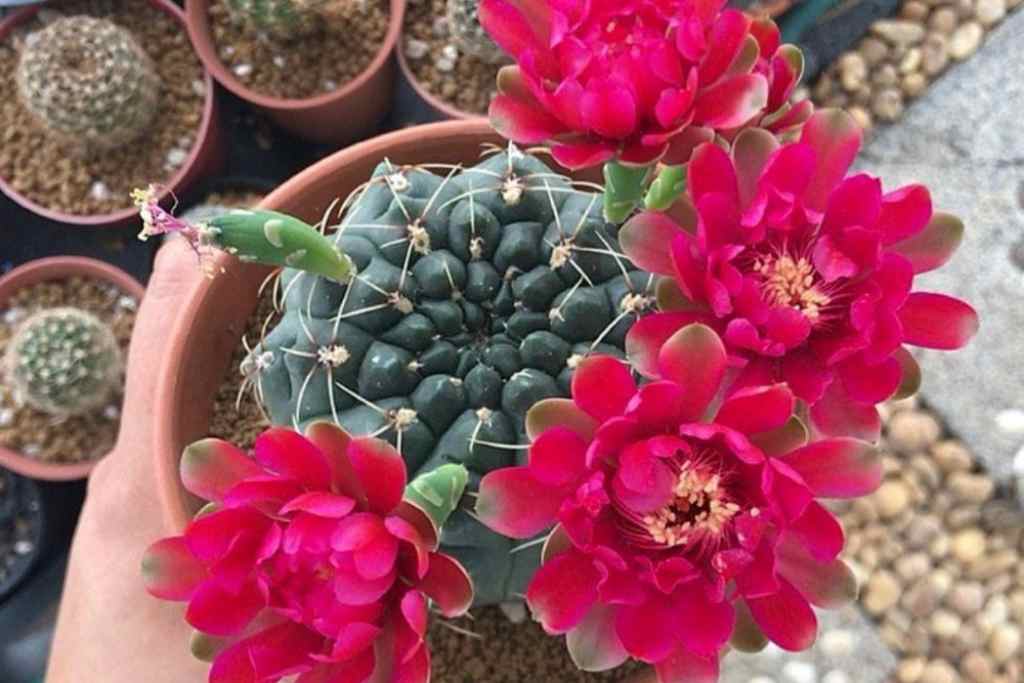
Consider the case of the *Turbinicarpus* genus, a group of small, globular cacti native to Mexico. Several species within this group are critically endangered due to illegal collection and habitat destruction. Botanical gardens have become their last stronghold. Through controlled propagation and seed banking, these gardens ensure that genetic diversity is preserved—a critical factor in maintaining resilience against disease and climate stress. Without such interventions, entire lineages could vanish before scientists even document their ecological roles.
The Hidden Threats: Why Cacti Are Disappearing Faster Than We Think
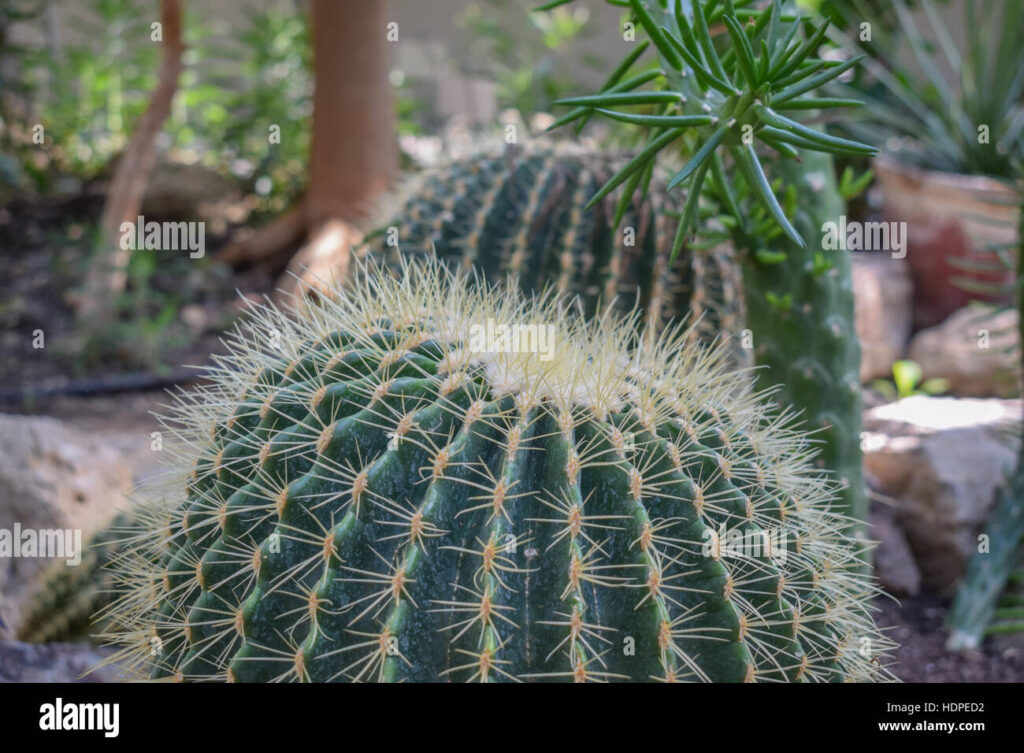
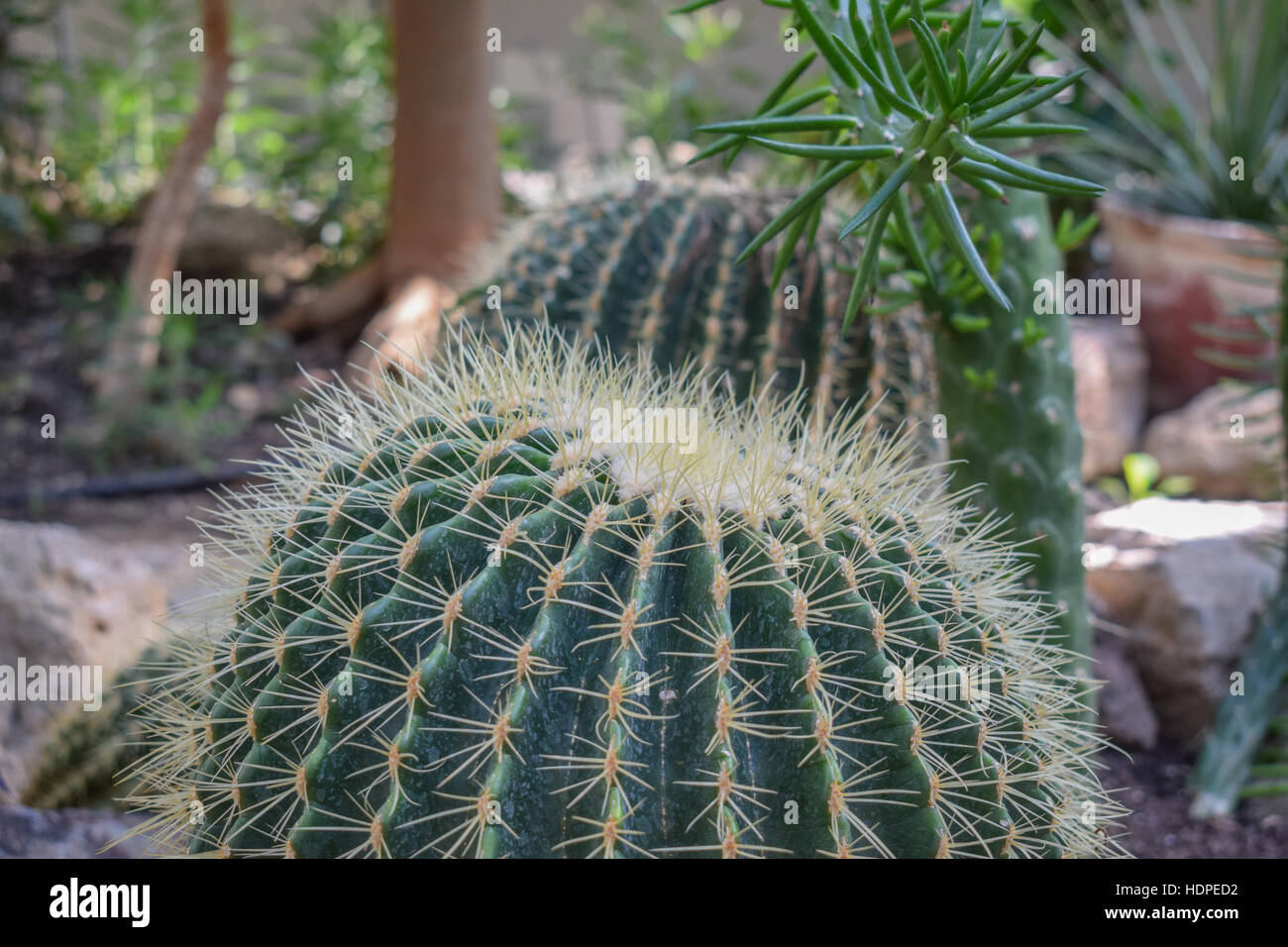
It’s easy to romanticize the idea of vast, untouched deserts, but the reality is far more precarious. Cacti face a trifecta of existential threats: habitat destruction, climate change, and the black-market trade. Urban sprawl, agricultural expansion, and mining operations have fragmented and destroyed cactus habitats at an alarming rate. In some regions, entire populations of *Echinocactus grusonii*—the golden barrel cactus—have been wiped out by land conversion for agriculture.
Climate change exacerbates these pressures. Rising temperatures and prolonged droughts stress cacti, reducing their ability to reproduce. Some species, like the *Ariocarpus* genus, are so sensitive to temperature shifts that even minor changes can disrupt their flowering cycles. Meanwhile, the illegal trade in cacti continues to thrive, driven by collectors willing to pay exorbitant sums for rare specimens. This poaching not only depletes wild populations but also disrupts the delicate ecological networks that depend on these plants for food and shelter.
What’s often overlooked is the cascading effect of cactus decline. Many desert animals, from pollinating bats to seed-eating rodents, rely on cacti for survival. The loss of a single cactus species can ripple through an entire ecosystem, leading to unforeseen collapses in biodiversity. Botanical gardens, by preserving these plants, are not just saving species—they are safeguarding entire ecological tapestries.
Breeding Resilience: The Science Behind Cactus Propagation
The art of cactus propagation is both a science and a labor of love. Botanical gardens employ a suite of techniques to ensure the survival and genetic health of their collections. Tissue culture, for instance, allows for the rapid multiplication of rare species without risking wild populations. This method involves sterilizing a small piece of plant tissue and growing it in a nutrient-rich medium under sterile conditions. The result? Hundreds of genetically identical clones that can be distributed to other gardens or used for reintroduction programs.
Hybridization is another tool in the conservationist’s toolkit. By carefully cross-breeding related species, botanists can introduce traits that enhance drought tolerance or disease resistance. This is particularly valuable for species like the *Mammillaria* cacti, which are highly susceptible to fungal infections. Through selective breeding, gardens can develop hardier varieties that stand a better chance of surviving in the wild.
Yet, propagation is not without its challenges. Cacti are notoriously finicky about their growing conditions. A misstep in humidity, temperature, or soil pH can spell disaster. Gardens must invest in state-of-the-art greenhouses and employ staff with specialized knowledge of desert flora. It’s a high-stakes endeavor, but one that yields invaluable rewards: living, breathing populations of species that might otherwise vanish from the Earth.
From Garden to Wild: The Challenge of Reintroduction
The ultimate goal of ex-situ conservation is not just to preserve species in captivity, but to return them to their native habitats. Yet, reintroduction is a daunting task. Even if a cactus thrives in a botanical garden, its survival in the wild depends on a multitude of factors: the presence of pollinators, the absence of invasive species, and the stability of the local climate. Many reintroduced cacti fail to establish themselves, succumbing to predation, disease, or environmental stress.
To improve success rates, botanical gardens are increasingly adopting a holistic approach. They collaborate with local communities to restore degraded habitats, reintroduce native pollinators, and monitor reintroduced populations over decades. In some cases, they even use drones to survey remote deserts and identify suitable reintroduction sites. It’s a slow, painstaking process, but one that offers hope for the future of these resilient plants.
Consider the story of the *Pediocactus knowltonii*, a tiny, federally endangered cactus from New Mexico. After decades of decline due to habitat destruction and illegal collection, botanical gardens worked with conservationists to propagate the species and reintroduce it to protected sites. Today, small populations are beginning to take hold, a testament to the power of dedicated conservation efforts.
The Cultural Significance: Why Cacti Captivate Us
Beyond their ecological importance, cacti hold a special place in human culture. They symbolize endurance, resilience, and the beauty of adaptation. Indigenous communities across the Americas have long revered cacti for their medicinal properties, nutritional value, and spiritual significance. The peyote cactus, for instance, plays a central role in the rituals of many Native American tribes, while the fruit of the prickly pear has been a staple food source for centuries.
In modern times, cacti have transcended their desert origins to become global icons of minimalist design and sustainable living. Their ability to thrive in harsh conditions has made them symbols of resilience in an era of climate uncertainty. Yet, this very popularity has contributed to their decline. The same traits that make cacti fascinating—slow growth, rarity, and striking appearance—also make them targets for collectors and decorators.
Botanical gardens serve as a reminder of the need to balance admiration with conservation. They invite us to marvel at these plants not as objects of desire, but as living organisms with intrinsic value. By fostering a deeper connection between people and cacti, gardens can inspire a new generation of conservationists—individuals who see these prickly survivors not as curiosities, but as essential threads in the fabric of life.
The Future of Cactus Conservation: A Call to Action
The story of cactus conservation is still being written, and its next chapters depend on all of us. Botanical gardens cannot single-handedly save every endangered species, but they can serve as catalysts for broader change. By supporting these institutions—through donations, volunteering, or simply spreading awareness—we can help ensure that future generations will have the chance to stand in awe of these desert sentinels.
There’s a profound irony in the fact that the plants we admire for their ability to survive in the harshest conditions are now struggling to survive in a world increasingly shaped by human hands. Yet, it’s also a reminder of our capacity to heal. Through science, stewardship, and a renewed appreciation for the natural world, we can turn the tide. The cactus, with its silent strength and quiet beauty, may yet teach us how to endure.
FAQ
Why are botanical gardens important for cactus conservation?
Botanical gardens serve as ecological lifeboats for endangered cactus species, preserving genetic diversity and allowing for potential reintroduction into the wild.
What are the main threats to cactus species?
Cacti face threats from habitat destruction, climate change, and the illegal trade that depletes wild populations.
How do botanical gardens propagate cacti?
Botanical gardens use techniques such as tissue culture and hybridization to propagate cacti while ensuring genetic health.
Leave a Reply