

Short Answer
In the arid heartlands of the Americas, where the sun bleaches the earth into a canvas of gold and shadow, a silent crisis unfolds. The most endangered cactus genera in 2026 are not merely plants on the brink—they are sentinels of an ecosystem unraveling at the seams. These spiny titans, once ubiquitous in deserts and highlands, now face existential threats from climate change, habitat destruction, and unchecked exploitation. Their plight is a microcosm of a broader ecological imbalance, one that demands our attention before the last petal of a century-old saguaro withers into dust.
The Vanishing Guardians of the Desert: Why Cacti Matter More Than You Think
Cacti are not just prickly oddities dotting the landscape; they are architectural marvels of evolutionary ingenuity. Their ribbed, water-storing bodies and nocturnal blooms are adaptations forged in the crucible of extreme environments. Yet, their ecological significance extends far beyond their striking forms. These plants are keystone species, providing critical resources for pollinators, birds, and mammals in otherwise barren terrains. The saguaro (*Carnegiea gigantea*), for instance, serves as a vertical oasis, its hollowed trunks offering nesting sites for Gila woodpeckers and owls. When a cactus disappears, entire food webs teeter on the edge of collapse.
Consider the Mammillaria genus, a group of diminutive globular cacti prized by collectors for their jewel-like flowers. These plants are not just decorative—they are linchpins in their ecosystems. Their fruits sustain desert rodents, while their spines create microhabitats for insects and small reptiles. The loss of a single Mammillaria species can trigger a domino effect, disrupting the delicate balance of arid-adapted life. In 2026, the disappearance of these genera isn’t just a botanical tragedy; it’s an ecological catastrophe in slow motion.
The Triple Threat: Climate Change, Commerce, and Carelessness
The most pressing menace to cacti is the relentless march of climate change. Rising global temperatures are pushing these cold-blooded survivors beyond their thermal thresholds. In the Chihuahuan Desert, once-reliable winter chills are now erratic, leaving cacti vulnerable to fungal infections and frost damage. Meanwhile, prolonged droughts—exacerbated by shifting precipitation patterns—deplete the soil moisture these plants rely on for decades-long growth spurts. The Echinocactus grusonii, or golden barrel cactus, once a symbol of resilience, now faces habitat fragmentation as its native range in central Mexico becomes increasingly arid.
Yet climate is only one villain in this narrative. The illegal wildlife trade has turned cacti into the “ivory of the plant world.” Rare species like Turbinicarpus and Aztekium are poached from the wild at alarming rates, smuggled across borders in suitcases and shipped globally to satisfy the insatiable demand of succulent enthusiasts. The black market for these plants is estimated to be worth millions, with some specimens fetching prices equivalent to fine wines. This exploitation is not just unsustainable—it’s genocidal. In 2026, entire populations of Turbinicarpus lophophoroides have been wiped out in a single season, their stolen bodies adorning the shelves of European nurseries while their wild kin perish.
Human carelessness compounds these threats. Urban sprawl, mining, and agriculture encroach upon cactus habitats at a staggering pace. In the Sonoran Desert, solar farms and lithium mines are carving through ancient cactus forests, leaving behind a landscape scarred by progress. Even well-intentioned gardeners contribute to the problem by introducing non-native cacti into local ecosystems, where they outcompete native species and spread diseases. The Ferocactus genus, once a dominant feature of the Baja California peninsula, now struggles to regenerate as its seeds are trampled by off-road vehicles and its roots suffocated by invasive grasses.
The Silent Extinction: How Many Genera Have Already Fallen?
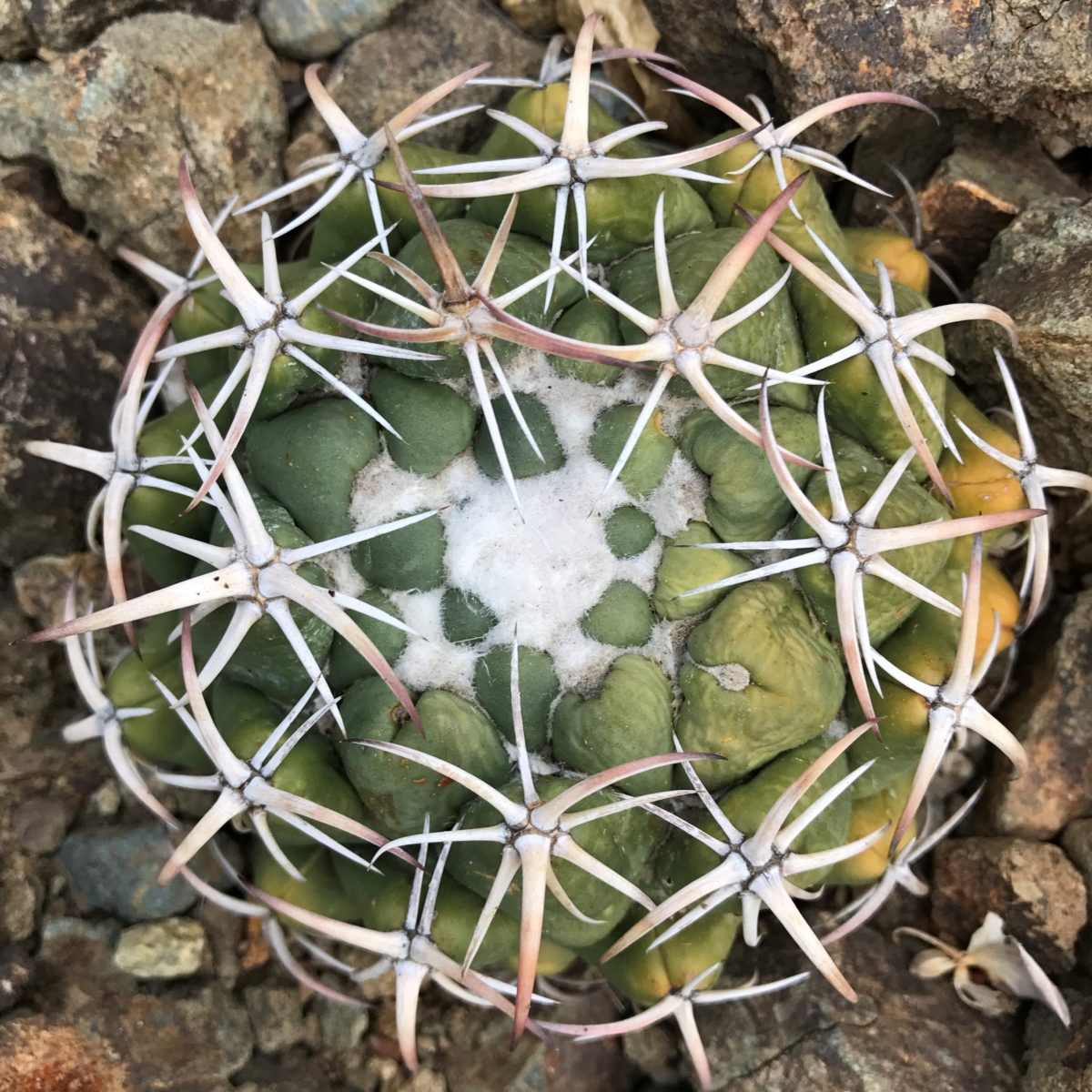
The International Union for Conservation of Nature (IUCN) Red List has classified over 30% of cactus species as threatened, but the true number of extinct or functionally extinct genera is likely far higher. In 2026, the Pediocactus genus—once widespread across the southwestern United States—has been declared extinct in the wild. The last known specimens survive only in ex-situ collections, their genetic legacy preserved in tissue cultures and seed banks. Similarly, the Escobaria genus, known for its diminutive, snow-white flowers, has vanished from 80% of its historical range, with remaining populations restricted to inaccessible cliff faces and canyon walls.
Some extinctions are harder to quantify. The Neolloydia genus, for example, is a taxonomic enigma—its species are so morphologically similar that botanists struggle to distinguish them in the field. This cryptic diversity is being erased before it can even be documented. In Mexico’s Tehuacán-Cuicatlán Valley, a UNESCO World Heritage Site, entire cactus communities are being replaced by monoculture agave plantations, their unique adaptations lost to the homogenization of the landscape. The loss of these genera isn’t just a numbers game; it’s the erasure of millions of years of evolutionary experimentation.
Conservation in the 21st Century: Can We Save the Spiny Survivors?
Hope is not yet lost, but the window for action is closing. Conservationists are deploying a multi-pronged strategy to safeguard these genera, blending traditional ecological knowledge with cutting-edge technology. In situ conservation efforts—such as the establishment of protected areas in the Chihuahuan Desert—are critical, but they require robust enforcement against poaching and habitat encroachment. The Mexican government’s recent crackdown on illegal cactus trafficking has led to the seizure of thousands of smuggled specimens, but the demand persists, fueled by online marketplaces and social media trends.
Ex-situ conservation offers another lifeline. Botanical gardens and seed banks, such as the Desert Botanical Garden in Phoenix and the Millennium Seed Bank in the UK, are preserving genetic material from endangered cacti. Techniques like cryopreservation and tissue culture allow scientists to maintain viable populations indefinitely. However, these methods are not without challenges. Many cacti have complex symbiotic relationships with mycorrhizal fungi, and their seeds require specific conditions to germinate. Without recreating these microenvironments, even the most advanced conservation techniques may fail.
Community-led initiatives are proving to be the most effective long-term solution. Indigenous groups in Mexico and the southwestern United States have long cultivated cacti as food, medicine, and cultural symbols. Programs like the Sembrando Vida initiative in Mexico are empowering local communities to propagate native cacti, ensuring that these plants remain integral to the landscape rather than relics of a bygone era. By integrating conservation with economic incentives—such as sustainable harvesting of edible cacti like Opuntia—these projects offer a blueprint for coexistence.
The Ripple Effect: What Happens When Cacti Disappear?
The extinction of cactus genera isn’t just a botanical footnote—it’s a harbinger of broader ecological collapse. These plants are master water conservers, their adaptations offering lessons in sustainability for human societies grappling with drought. The Lophophora genus, for instance, can survive on a single rainfall event per year, its slow metabolism a marvel of evolutionary efficiency. If we lose these species, we lose a reservoir of knowledge that could inform climate-resilient agriculture and water management.
Moreover, cacti are cultural keystones. In Mexican folklore, the Pachycereus genus is revered as a symbol of protection and endurance. The saguaro’s towering arms are etched into the collective memory of the Sonoran people, their annual blooms marking the passage of seasons. When these plants vanish, so too does a thread of human heritage. The loss of cacti is not just an environmental tragedy—it’s a cultural amnesia, a severing of the ties that bind us to the land.
Perhaps most alarmingly, the disappearance of cacti could accelerate desertification. These plants stabilize soil, reduce erosion, and create microclimates that support other life forms. Without them, arid landscapes risk transforming into barren wastelands, their once-vibrant ecosystems reduced to dust. In 2026, the fate of the world’s deserts hangs in the balance, and cacti are the canaries in the coal mine.
A Call to Arms: How You Can Help Save the Cacti
The battle to save the most endangered cactus genera is not one for scientists and policymakers alone—it’s a fight for all of us. The first step is awareness. Share information about the plight of these plants on social media, support organizations like the Cactus and Succulent Society of America, and advocate for stronger protections against illegal trade. When purchasing cacti, choose ethically sourced specimens from reputable nurseries, and avoid wild-collected plants at all costs.
For those with a green thumb, consider propagating native cacti in your garden. Even a small collection can serve as a genetic reservoir, preserving species for future generations. Participate in local restoration projects, such as seed-gathering events or habitat monitoring programs. Every seed planted is a defiant act of resistance against extinction.
Finally, rethink your relationship with the natural world. Cacti are not mere decorations—they are living systems with intrinsic value. By protecting them, we protect the intricate web of life that sustains us all. The most endangered cactus genera in 2026 are not just plants on the brink; they are a mirror held up to humanity, reflecting our choices, our greed, and our capacity for redemption. The time to act is now.
FAQ
What is the current status of cactus conservation?
Cactus conservation is critical, with various strategies being implemented, including the establishment of protected areas and community programs.
How can individuals help endangered cacti?
Individuals can support cactus conservation by avoiding the purchase of illegally sourced plants and participating in local conservation efforts.




Leave a Reply