
Short Answer
Have you ever wondered if a cactus could challenge your perception of what desert plants can be? Enter the fascinating world of Coryphantha species—those spiny enigmas that combine quirky charm with botanical intrigue. Their uncanny shapes, titillating textures, and surprising flowering habits might just make you rethink your gardening ambitions. But are these prickly wonders as easy to adore as they are fascinating to study? Let’s embark on a journey through the most unique varieties of Coryphantha and uncover the nuances that make each one a standout character in the succulent realm.
An Introduction to Coryphantha: The “Helmet Cacti”
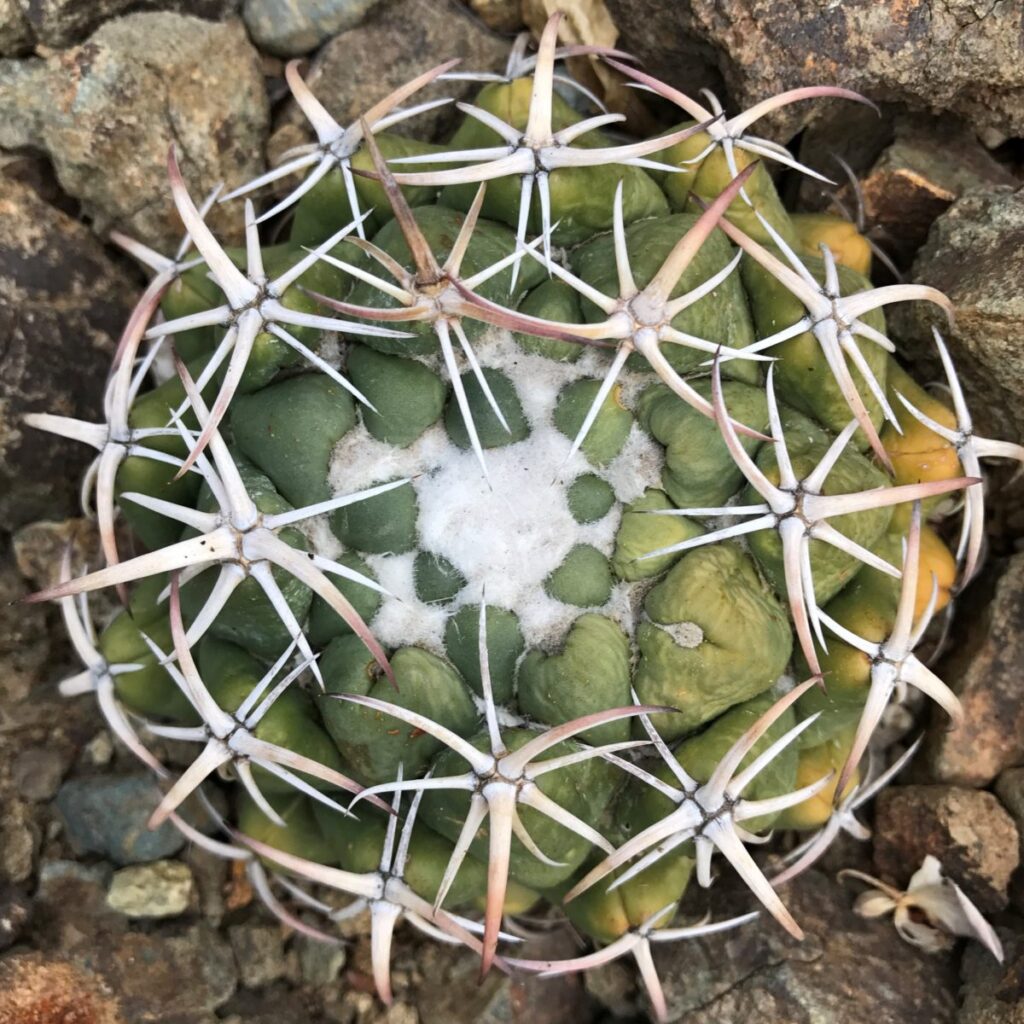
Derived from the Greek “koryphe” meaning “helmet,” the genus Coryphantha immediately evokes images of miniature warriors bristling with armor—their tubercles forming rounded, helmet-like projections. These cacti belong to the family Cactaceae and are native mainly to the arid regions of North America, particularly Mexico and the southwestern United States. Unlike their flat-leaved cactus cousins, Coryphantha species are renowned for their globular to short cylindrical shape with pronounced ribs adorned by individual tubercles rather than continuous ridges. This structural distinctiveness gives rise to their captivating geometric patterns—almost architectural in their precision and repetition.
The question then arises: can these armored plants survive the scrutiny of an unseasoned gardener’s touch? Their robust nature suggests yes, as many Coryphantha species demonstrate remarkable resilience in drought conditions and poor soils, making them excellent candidates for xeriscaping and collectors alike.
Coryphantha werdermannii: The Star of Subtle Elegance
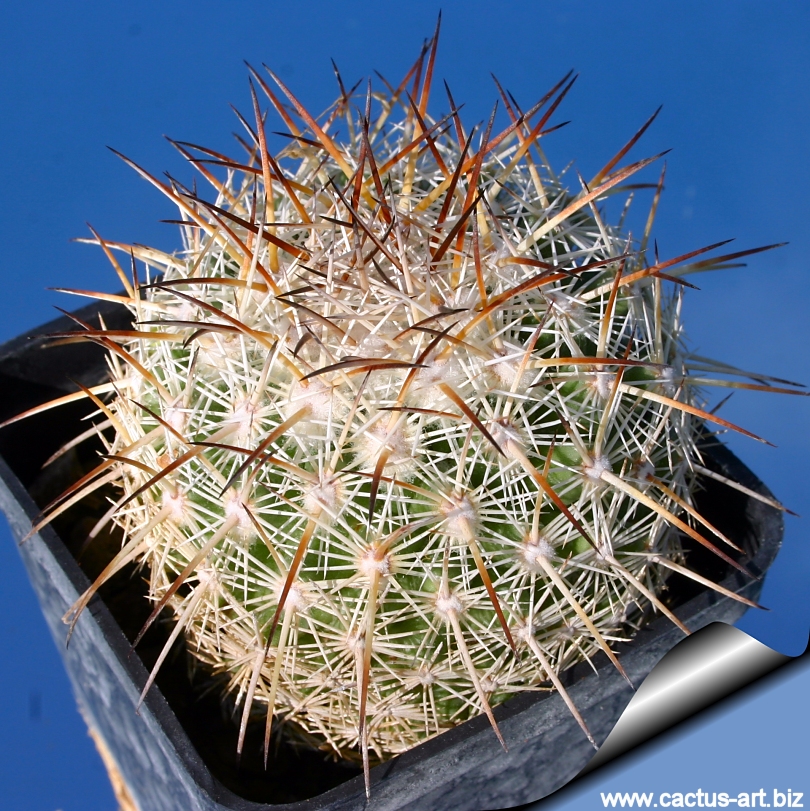
Among the jewels of the genus, Coryphantha werdermannii stands out with a delicate yet unmistakable presence. This species sports a compact form and features tubercles that curve gently, culminating in spines that radiate in a starburst pattern. The flowering is equally enchanting; it produces small, often pale blooms that seem to glow softly against the plant’s sharply textured surface.
What challenges might one face cultivating this species? Patience and precise watering habits come into play here. While tolerant to neglect to some degree, overwatering can lead to root rot—an insidious threat among cacti enthusiasts. Precision in sunlight exposure is also crucial, with partial shade preferable in the harshest midday heat to prevent sunburn, especially in potted specimens.
Coryphantha pseudoperfusa: A Botanical Work of Art

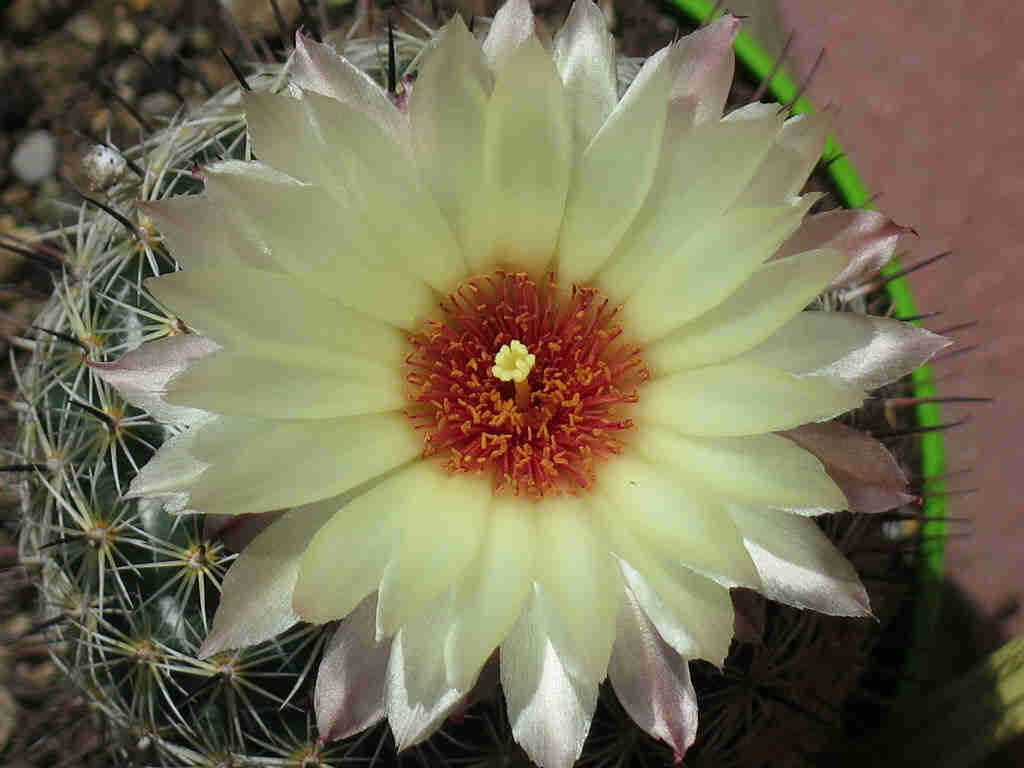
With an almost sculptural form, Coryphantha pseudoperfusa teases the eye with its intricate patterns and flowering stems that burst forth like delicate fireworks. Its surface is not merely a collection of spines; it is an orchestration of prickles, grooves, and buds that exude botanical complexity. This species often demands keen horticultural skill to coax it into prolific blooming, rewarding the diligent caretaker with pale yellow or cream flowers that rise valiantly from the otherwise armored body.
Cultivation challenges here are multifaceted. The pseudoperfusa requires particularly well-draining soil, mimicking the gritty, rocky substrates from which it hails. Additionally, ensuring winter dormancy with minimal moisture is a balancing act that separates novice growers from seasoned cactophiles. The ecological mimicry of habitats—mimicking temperature fluctuations and seasonal dry periods—is paramount for long-term health.
Coryphantha cornifera: The Rhinoceros of the Cacti World
Imagine a cactus that embodies the ruggedness and brute strength of a rhinoceros—enter Coryphantha cornifera. This species is characterized by stout tubercles and formidable, horn-like spines that lend it an almost mythical robustness. Its thick, squat body is not only a fortress against herbivores but also a testament to evolutionary adaptation in unforgiving environments.
The challenge in managing this species lies largely in its size and spine architecture. Handling requires caution, and this robustness translates to less frequent but deeply satisfying flowering events. Flowers, when they do appear, contrast beautifully with the armored body—typically bright yellow and unfurling with exuberance. Gardeners often delight in this striking juxtaposition and appreciate the unique tactile experience presented by cornifera’s formidable exterior.
Propagation and Cultivation: Mastering the Art of Coryphantha Care
With their formidable aesthetic and architectural allure, Coryphantha species present a delightful yet demanding challenge to enthusiasts eager to propagate and cultivate them. Seed propagation is common but slow; patience is the gardener’s virtue here as seedlings can take years to reach maturity. Offsets are rarer but prized for creating genetically identical clones. Regardless of method, sterile, well-draining substrate enriched with minerals mimicking their native soil is key.
Watering must be judicious—too much causes rot, too little can stunt growth. Balancing light exposure is equally critical, as insufficient sunlight dulls coloration and inhibits flowering, yet excessive sun can scorch sensitive species. Temperature regulation is another subtle art: many Coryphanthas thrive with marked seasonal shifts, appreciating warmth and ventilation during growing seasons, paired with cool, dry rest periods to encourage flowering cycles.
Why Coryphantha? The Enduring Allure of Their Unique Charm
What makes Coryphantha species endlessly compelling to collectors and botanists alike? Beyond the sheer visual impact, it is their embodiment of natural ingenuity—their intricate morphology tells stories of survival, adaptation, and resilience. They are natural sculptures, each spine and tubercle a brushstroke in a living masterpiece. The challenge they pose, whether in cultivation or study, only deepens the satisfaction of success.
For the plant lover ready to transcend ordinary succulents, Coryphantha offers not just a plant, but a narrative—a captivating dialogue between earth, sun, and the indomitable spirit of desert life. So, are you prepared to accept the challenge and add these helmeted marvels to your collection?
FAQ
What are Coryphantha species?
Coryphantha species are a group of cacti known for their unique helmet-like shapes and resilience in arid conditions, primarily found in North America.
How do you care for Coryphantha cacti?
Coryphantha cacti require well-draining soil, careful watering to avoid rot, and adequate sunlight exposure to thrive.



Leave a Reply