
Short Answer
In the sun-scorched expanses of arid landscapes, where the earth cracks under relentless heat and the air shimmers with mirage-like illusions, a silent revolution is taking root. Cacti, those stoic sentinels of the desert, are not merely surviving—they are thriving, and their future may well hinge on the adoption of sustainable farming practices. As climate change tightens its grip and wild populations dwindle under the pressures of habitat destruction and overharvesting, the question looms: Can cactus farming evolve into a bastion of ecological balance? The answer lies not just in the soil beneath these prickly giants but in the ingenuity of those who cultivate them.
The Plight of Wild Cacti: A Fragile Existence Under Siege
Wild cacti are the unsung heroes of biodiversity, their spiny exteriors masking a complex web of ecological interactions. Yet, their existence is precarious. Habitat fragmentation, driven by urban sprawl and agricultural expansion, has sliced through their natural ranges like a blade. Meanwhile, illegal harvesting for the ornamental plant trade and traditional medicine has pushed species like the Saguaro and Peyote to the brink. The slow growth rate of cacti—some species take decades to mature—makes recovery a Sisyphean task. Without intervention, entire populations could vanish before our eyes, leaving behind a desert that is eerily silent, devoid of the hummingbirds and bats that once pollinated these botanical marvels.
The loss of cacti isn’t just an aesthetic tragedy; it’s an ecological domino effect. These plants are keystone species, providing shelter and sustenance for a myriad of desert dwellers. Their decline threatens the survival of insects, birds, and even larger mammals that rely on them for food and water. The situation is dire, but not hopeless. The key to salvation may lie in turning the tables—shifting from wild harvesting to cultivated farming, where cacti can flourish under controlled conditions, free from the ravages of exploitation.
Sustainable Farming: The Cactus Renaissance
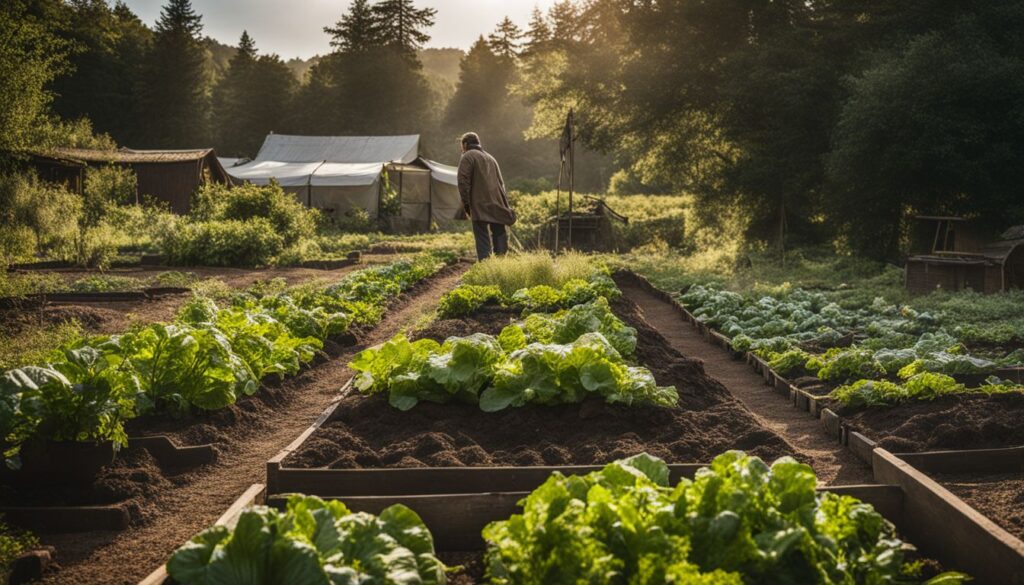
Imagine a farm where rows of cacti stretch toward the horizon, their pads glistening with morning dew, their flowers unfurling in a riot of color. This isn’t a fantasy; it’s the promise of sustainable cactus farming. Unlike traditional agriculture, which often depletes soil and water resources, cactus cultivation operates on a different paradigm—one of harmony with the environment. These hardy plants require minimal irrigation, thanks to their water-storing adaptations, and thrive in poor, rocky soils that would cripple most crops. By leveraging these traits, farmers can cultivate cacti without the need for chemical fertilizers or pesticides, reducing their ecological footprint to a whisper.
But sustainability isn’t just about low-input farming. It’s also about regeneration. Techniques like agroforestry, where cacti are interplanted with native shrubs and grasses, can restore degraded lands while providing a sustainable income for farmers. In regions like Mexico and the southwestern United States, where cacti are deeply embedded in cultural traditions, sustainable farming offers a lifeline. It allows communities to preserve their heritage without stripping the land bare. The result? A landscape that is not only productive but also resilient, capable of withstanding the shocks of climate change.
The Economic Allure: Cacti as Cash Crops
Beyond their ecological benefits, cacti are emerging as economic powerhouses. The global market for cactus products is burgeoning, driven by demand for everything from nopales (edible cactus pads) to prickly pear fruit and even cactus-based cosmetics. In Mexico, the cultivation of Opuntia species has become a multimillion-dollar industry, providing livelihoods for thousands of small-scale farmers. Meanwhile, in the United States, the rise of “desert farming” has turned cacti into a lucrative niche, with organic and heirloom varieties fetching premium prices in farmers’ markets and specialty stores.
The economic potential extends beyond food. Cacti are a treasure trove of bioactive compounds, with applications in medicine, skincare, and even biofuel. Research into their antimicrobial and anti-inflammatory properties has opened doors to high-value products, from cactus-based supplements to eco-friendly packaging materials. For farmers, this diversification is a game-changer. It reduces reliance on a single crop, spreading risk and ensuring steady income even in the face of drought or market fluctuations. The message is clear: cacti are not just survivors; they are economic catalysts, capable of transforming rural economies while safeguarding biodiversity.
Challenges and Innovations: Navigating the Thorny Path
Of course, the path to sustainable cactus farming is not without its thorns. One of the biggest hurdles is the slow growth rate of many species. Unlike annual crops that can be harvested within months, cacti may take years to reach maturity. This long-term investment can be daunting for farmers, especially in regions where access to capital is limited. Additionally, the lack of standardized cultivation techniques means that yields can vary wildly, making it difficult to scale up production.
Innovation is the antidote to these challenges. Researchers are exploring ways to accelerate cactus growth through tissue culture and selective breeding, creating faster-growing, more resilient varieties. Meanwhile, precision agriculture tools, such as soil moisture sensors and drone-based monitoring, are helping farmers optimize water use and detect pests early. In some cases, farmers are even turning to vertical farming, stacking cactus pads in controlled environments to maximize space and reduce water consumption. These advancements are not just technical marvels; they are lifelines, ensuring that cactus farming remains viable in an era of climate uncertainty.
Cultural Revival: Preserving Traditions Through Farming
For indigenous communities, cacti are more than plants—they are sacred symbols, woven into myths, rituals, and daily life. The Peyote cactus, for example, holds deep spiritual significance for the Native American Church, while the Saguaro is a cultural icon in the Sonoran Desert. Sustainable farming offers a way to honor these traditions while ensuring their survival for future generations. By cultivating cacti on communal lands, indigenous groups can reclaim their agricultural heritage, passing down knowledge and techniques that have been honed over centuries.
This cultural revival extends beyond subsistence farming. It’s a movement that celebrates biodiversity as a source of pride and identity. Festivals like Mexico’s Nopal Festival showcase the versatility of cacti, from culinary delights to artisanal crafts, fostering a sense of stewardship among younger generations. When people see cacti not just as commodities but as living symbols of their heritage, the incentive to protect them grows exponentially. Sustainable farming, in this context, becomes a bridge between the past and the future—a way to keep traditions alive while embracing innovation.
The Global Impact: A Blueprint for Arid Agriculture
The lessons learned from cactus farming are not confined to deserts. They offer a blueprint for sustainable agriculture in some of the world’s most challenging environments. As climate change intensifies, regions that were once considered marginal for farming are becoming even more inhospitable. Yet, cacti and other drought-resistant crops are proving that resilience is possible. By adopting similar practices—low-water cultivation, agroecological techniques, and community-based management—farmers in Africa, Australia, and the Middle East can transform their lands into productive, sustainable oases.
The ripple effects of this shift are profound. Reduced deforestation, lower carbon emissions, and increased food security are just a few of the benefits. Moreover, as consumers become more conscious of their ecological footprint, the demand for sustainably farmed cacti and other arid-adapted crops is set to soar. This isn’t just a trend; it’s a transformation, one that could redefine agriculture in the 21st century. The future of cactus farming isn’t just about saving a few species—it’s about reimagining how we interact with the land itself.
Conclusion: A Prickly Path to a Greener Future
The story of cactus farming is a testament to human ingenuity and nature’s tenacity. It’s a tale of turning adversity into opportunity, of transforming a humble plant into a cornerstone of sustainability. Yet, the journey is far from over. The challenges ahead—climate change, market volatility, and the need for greater innovation—demand collective action. Governments, researchers, farmers, and consumers must all play a role in nurturing this green revolution.
So, the next time you bite into a prickly pear fruit or marvel at the towering arms of a Saguaro, remember: these plants are not just survivors. They are harbingers of a more sustainable future. And with the right practices, they could very well save not just themselves, but the ecosystems—and economies—that depend on them.
FAQ
What are sustainable practices in cactus farming?
Sustainable practices include low-water cultivation, agroforestry, and organic farming methods that minimize environmental impact.
How does cactus farming benefit wild populations?
By cultivating cacti instead of harvesting them from the wild, farmers can help preserve natural populations and their ecosystems.



Leave a Reply