
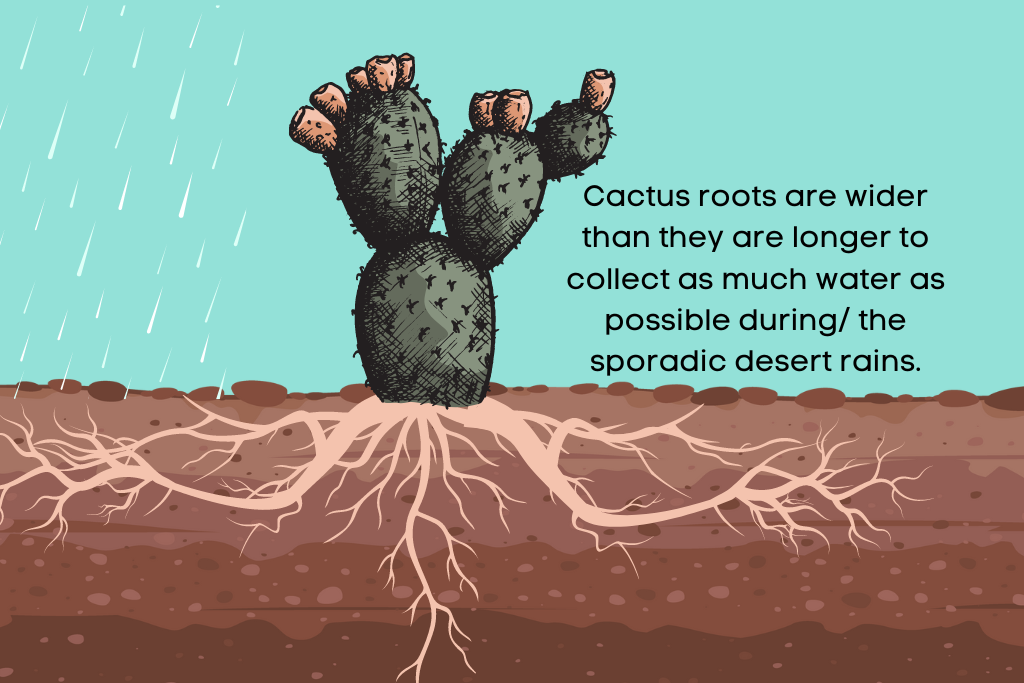
Short Answer
In the vast, sun-scorched tapestry of the desert, where life clings to existence with tenacious grace, cacti stand as sentinels of resilience. These succulent marvels, with their spiny armor and stoic silence, have mastered the art of survival in environments where water is a fleeting mirage. Yet, for those of us who invite these desert dwellers into our homes, the challenge shifts from mere survival to thriving. Watering cacti is not a task—it’s a sacred ritual, a dance between scarcity and abundance, a negotiation with the very essence of their being. To water them correctly is to unlock their hidden splendor, to coax forth the delicate blooms that crown their crowns. This is the golden rule for every genus, a compass to guide you through the labyrinth of their needs.
The Desert’s Whisper: Understanding Cacti’s Thirst
Cacti are not mere plants; they are hydrophobic poets, composing their lives in the language of thirst. Their fleshy stems, often mistaken for leaves, are in fact water-storage vaults, swollen with the promise of rain that may never come. Unlike their leafy cousins, cacti have evolved to hoard moisture with a miser’s fervor, their ribbed and pleated surfaces expanding and contracting like bellows in a blacksmith’s forge. This adaptation is their survival hymn, a testament to the arid world they call home.
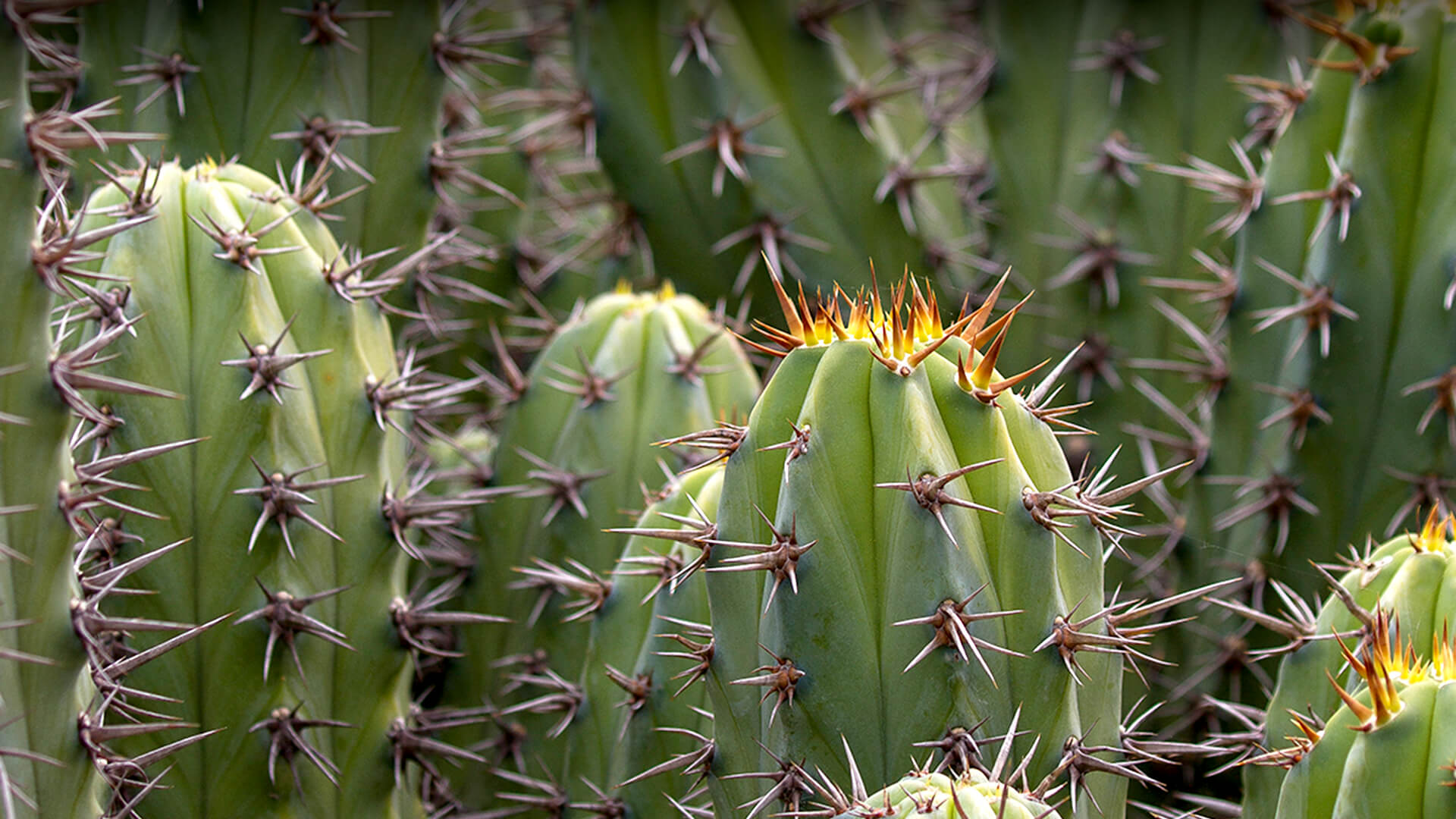
But here’s the paradox: while cacti are paragons of drought tolerance, they are not invincible. Their water-storing tissues are delicate, prone to rot if bathed in excess. The key lies in deciphering their silent signals. A cactus that appears plump and firm is sated; one that wrinkles or softens is pleading for a drink. The color of their spines can also be a telltale sign—dull, faded hues may indicate dehydration, while vibrant greens or blues suggest vitality. Listen closely, and you’ll hear the desert’s whisper in every prickle and fold.
The Art of the Pour: Timing and Technique
Watering a cactus is not a matter of routine but of reverence. The golden rule begins with timing: never water on a whim. Instead, wait for the soil to resemble the cracked earth of a dried riverbed—bone-dry to the touch. This is the cactus’s way of saying, “I am ready.” For most genera, this means a thorough soaking every two to four weeks, though this interval shrinks in the throes of winter, when cacti retreat into a dormant slumber, and swells in the scorching embrace of summer.
The technique is equally crucial. A gentle, slow pour is essential, allowing the water to seep deep into the soil without pooling at the base. Imagine you are an oasis caravan, delivering life-giving sustenance drop by drop, not a monsoon that drowns the land. The pot’s drainage holes are your allies; they ensure that excess water flees like a desert jackal, leaving the roots unscathed. And always, always avoid wetting the cactus’s body. Water on the stem is an open invitation to fungal marauders, a death sentence disguised as kindness.
The Soil’s Secret: Crafting the Perfect Bed
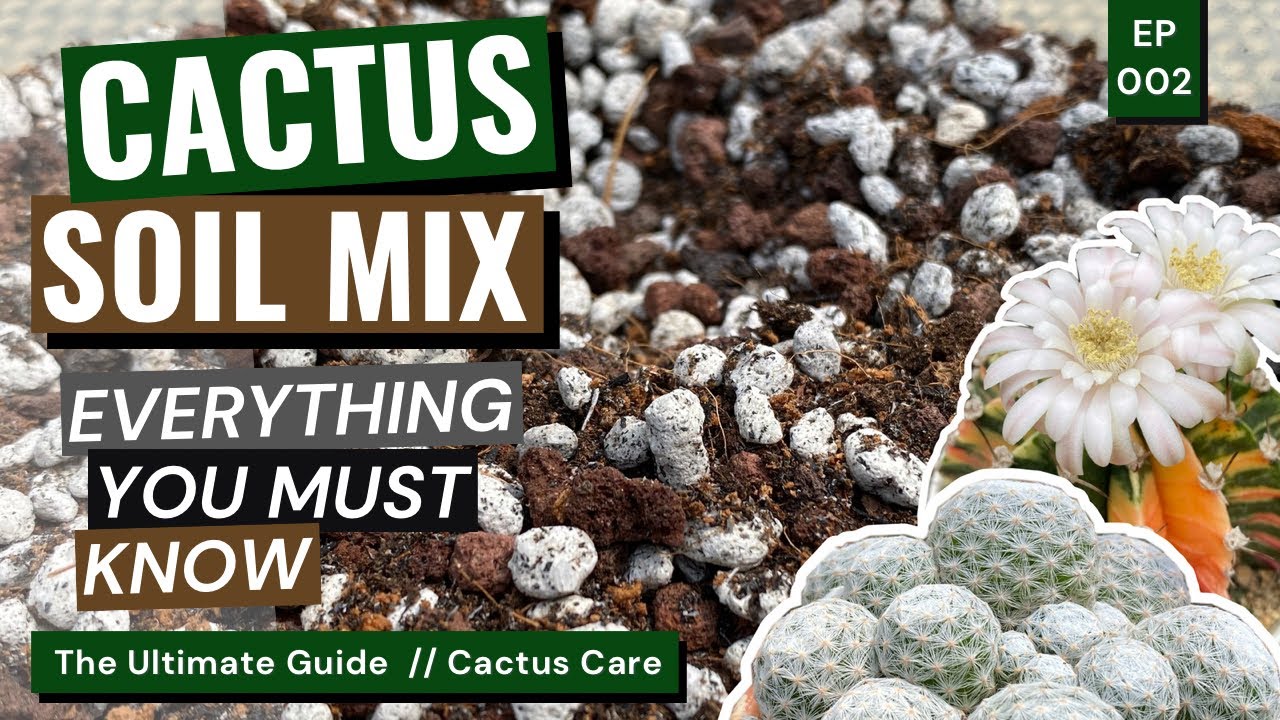
A cactus’s home is not just a pot—it’s a microcosm of the desert, a carefully curated landscape where sand, grit, and minimal organic matter converge. Standard potting soil is a betrayal; it traps moisture like a sponge, suffocating the roots in a slow, watery grave. Instead, craft a soil blend that mimics the arid embrace of its native habitat: a concoction of coarse sand, perlite, and a dash of pumice or gravel. This gritty mélange ensures that water drains like a mountain stream, leaving the roots dry and content.
The pot itself plays a role in this symphony. Terracotta, with its porous walls, breathes like the desert wind, wicking away excess moisture and keeping the roots cool. Plastic, while efficient at retaining heat, can turn the soil into a steamy sauna if not monitored closely. Choose your vessel wisely, for it is the cactus’s first line of defense against the perils of overwatering.
The Seasons’ Choreography: Adapting to Nature’s Rhythms
Cacti are creatures of habit, bound to the earth’s annual waltz. In spring, as the sun climbs higher and the days grow longer, they awaken from their winter slumber, stretching toward the light with renewed vigor. This is the time to resume watering, though sparingly at first. Summer is their crescendo, a season of rapid growth and, for some genera, spectacular blooms. Water more frequently, but never let the soil remain soggy. As autumn arrives, the cactus begins to slow its pace, and by winter, it enters a state of suspended animation. During these colder months, watering should be reduced to a mere trickle—just enough to prevent the roots from shriveling into dust.
This seasonal choreography is not just about survival; it’s about celebration. A cactus watered in harmony with the seasons will reward you with a display of flowers that outshine even the most opulent desert blooms. It’s a reminder that patience, like the desert’s patience, bears the sweetest fruit.
The Silent Alarm: Spotting and Preventing Overwatering
Overwatering is the cactus keeper’s silent enemy, a creeping rot that begins in the roots and spreads like a shadow. The first sign is often a soft, mushy base, a betrayal of the cactus’s once-firm stance. The spines may darken or drop, and the stem may take on a sickly, translucent hue. If left unchecked, this rot can ascend like a creeping vine, consuming the cactus from within. Prevention is the only cure: err on the side of underwatering, and always ensure the soil is dry before the next drink.
If rot has already taken hold, act swiftly. Remove the cactus from its pot, excise the rotted roots with a sterilized blade, and replant it in fresh, dry soil. Let it rest in a shady corner, allowing the wounds to callus over. It’s a brutal process, but cacti are survivors. With time and care, they can rise from the ashes of their own decay.
The Blooming Oasis: Encouraging Floral Displays
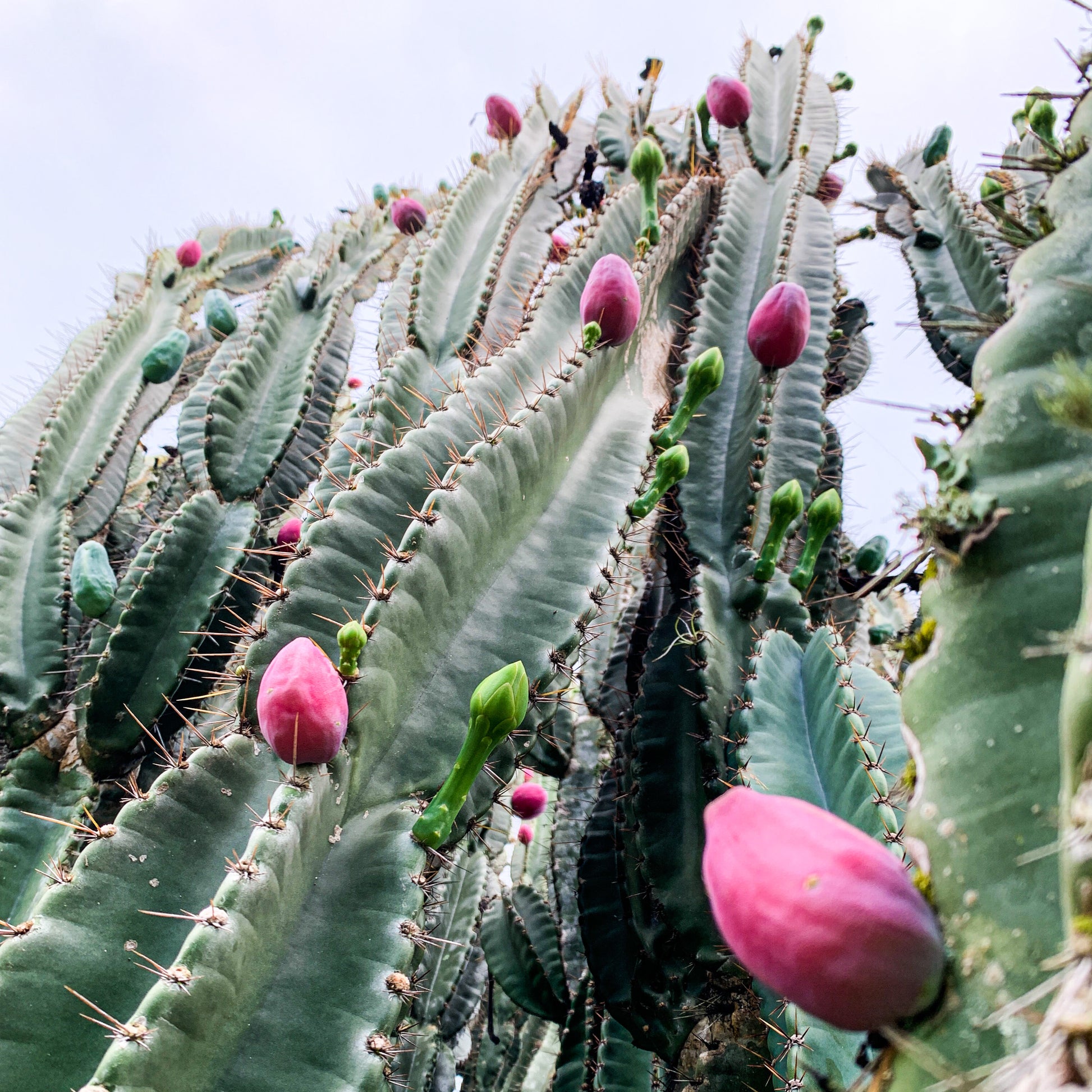
Few sights in the plant kingdom rival the splendor of a cactus in full bloom. These flowers, often vibrant and ephemeral, are the cactus’s grand finale, a fleeting masterpiece of nature’s artistry. To coax forth these blooms, you must first understand the cactus’s language of light and rest. Most genera require a period of cool, dry dormancy in winter to trigger flowering. Without this rest, the cactus may remain stubbornly vegetative, its energy diverted to survival rather than reproduction.
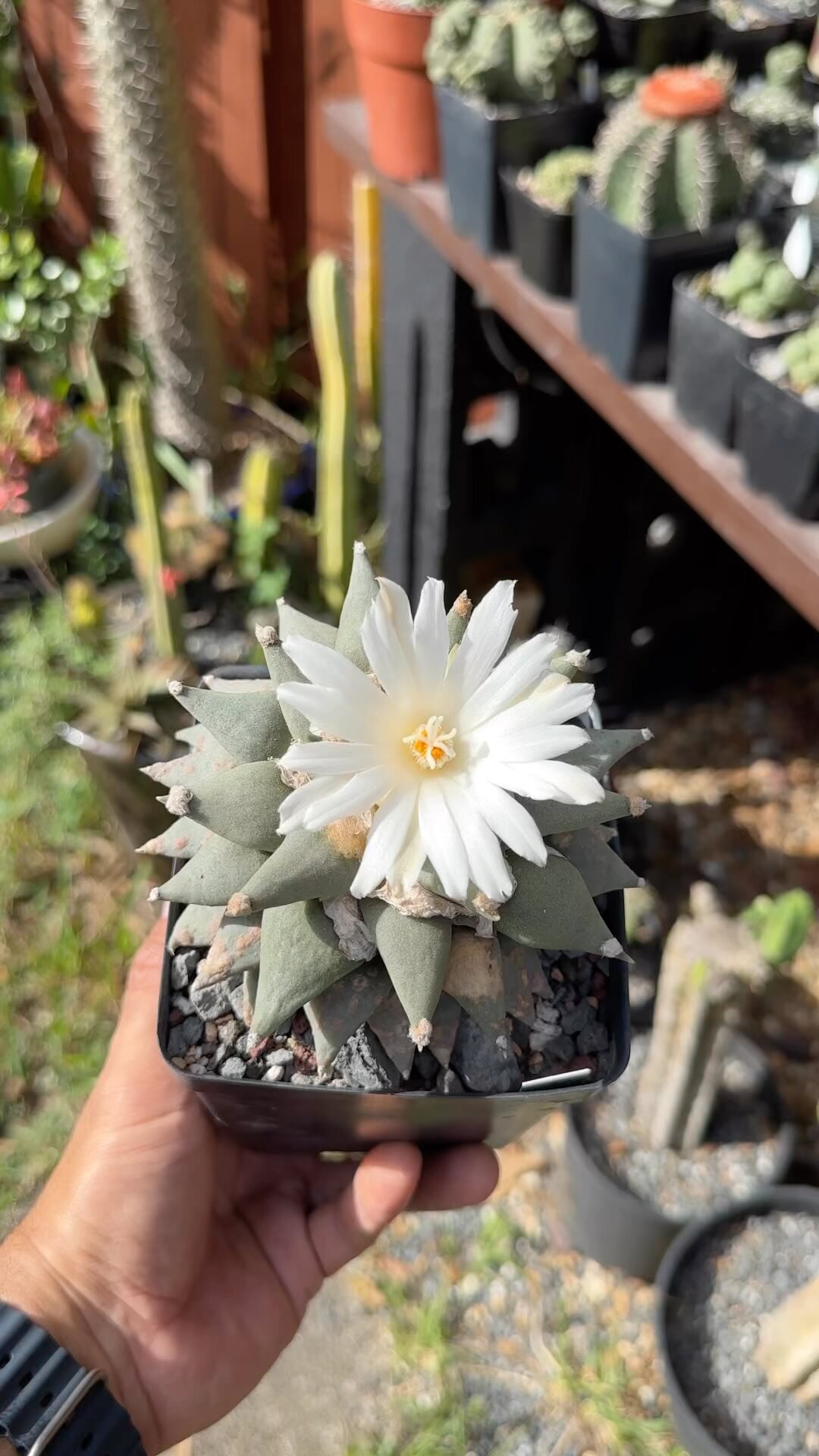
Once the dormancy period has passed, increase light exposure gradually. A south-facing window or a grow light can mimic the desert sun, coaxing the cactus out of its slumber. And when the first bud appears, resist the urge to move the plant. Cacti are creatures of habit; even the slightest disturbance can cause the bud to abort. Wait patiently, and soon you’ll be rewarded with a burst of color that defies the very notion of scarcity.
The Cactus Keeper’s Creed: A Final Ode to Resilience
To care for a cactus is to embrace a philosophy of less is more. It is to find beauty in the bare, strength in the spiny, and life in the arid. These plants are not just decorations; they are teachers, reminding us that resilience is not about enduring hardship but about thriving within it. They ask for little and give so much in return—a lesson in a world that often demands too much.
So the next time you reach for the watering can, pause. Ask yourself: is this drink necessary? Is the soil dry enough to warrant it? And when you finally pour, do so with intention, with reverence, with the understanding that you are not just watering a plant—you are nurturing a desert legend. In that moment, you become part of the cactus’s eternal dance with the sun, a fleeting participant in a story that has unfolded for millennia. And that, dear keeper, is the golden rule.
FAQ
How often should I water my cactus?
Water your cactus every two to four weeks, allowing the soil to dry out completely between waterings.
What type of soil is best for cacti?
Cacti thrive in a gritty soil mix that includes coarse sand, perlite, and minimal organic matter to ensure proper drainage.
What are the signs of overwatering a cactus?
Signs include a soft, mushy base, darkening spines, and a translucent stem. If noticed, reduce watering immediately.

Leave a Reply