

Short Answer
In the shadowed corners of mystery novels, where secrets coil like desert vines and every thorn conceals a clue, the cactus emerges not merely as a plant, but as a silent protagonist. It stands sentinel in arid landscapes, its spiny silhouette a metaphor for resilience and hidden danger. But what if the cactus is more than a backdrop? What if it is a character—mysterious, deceptive, and brimming with symbolic weight? Let us venture into the prickly heart of mystery fiction, where the cactus doesn’t just grow—it whispers.
The Cactus as a Silent Witness: Guardians of Secrets in the Desert
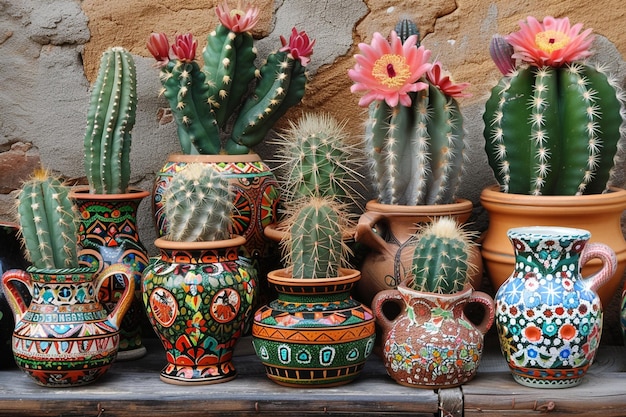
Picture this: a sun-bleached desert highway, a lone figure stepping from a dust-choked sedan, and in the distance, a cluster of saguaros standing like ancient sentinels. In mystery novels, the cactus often serves as a silent witness to human drama. Its towering presence evokes timelessness, a reminder that nature observes while humans scheme. Unlike the fleeting emotions of characters, the cactus endures—its slow growth mirroring the patient unraveling of a mystery. When a body is found beneath a prickly pear, or a coded message is carved into a cactus rib, the plant becomes an unwilling archivist of truth. It does not speak, yet its spines and shadows speak volumes. The cactus, in this role, transforms from mere flora into a symbol of immutable justice—nature’s own detective, recording every secret etched into its flesh.
Thorns as Metaphors: Pain, Protection, and the Illusion of Safety
Every thorn on a cactus is a paradox: a defense mechanism that also inflicts harm. In mystery novels, this duality is ripe for exploitation. A character may seek refuge in the desert, only to find that the cactus they lean against is not a sanctuary but a trap. The thorns become a metaphor for deception—what appears soft or harmless may conceal danger. Consider the femme fatale who lures her victim into the desert under the guise of romance, only for the cactus to become the instrument of their undoing. Or the detective who, in a moment of vulnerability, grasps a cactus in frustration—only to realize that pain is a teacher, and the desert does not forgive mistakes. The cactus, with its paradoxical nature, becomes a mirror for human folly: we reach for beauty, only to be pricked by reality.
Moreover, the cactus’s ability to thrive in harsh conditions mirrors the resilience of the human spirit in the face of adversity. Yet, in mystery, this resilience is often tested. A character who survives the desert may find that their scars—both physical and emotional—are not badges of honor but clues left behind by a cunning antagonist. The cactus, in this way, is both ally and adversary, a duality that keeps readers guessing until the final page.
The Desert’s Deceptive Beauty: Cacti as Lures in Mystery Plots
There is something seductive about the desert at dusk: the golden light, the stillness, the promise of solitude. Mystery writers exploit this allure by using cacti as lures. A character might be drawn to the desert by the promise of solitude, only to find that solitude is a mirage. The cactus, with its striking silhouette against the horizon, becomes a siren call—a beacon that leads the unwary into danger. In one classic trope, a character hides a secret in the hollow of a barrel cactus, believing its spines will deter intruders. But what if the cactus is not as impenetrable as it seems? What if the spines part just enough to reveal the truth?
This deceptive beauty extends to the cactus’s role in misdirection. A detective might fixate on a rare species of cactus, only to discover that the real clue lies not in the plant itself, but in the shadow it casts at a specific time of day. Or perhaps a character’s obsession with cacti reveals a deeper psychological wound—an inability to adapt, a fear of change, or a longing for permanence in an impermanent world. The cactus, in this context, is not just a plant; it is a psychological mirror, reflecting the inner turmoil of those who encounter it.
Cacti as Clues: Botanical Forensics in Mystery Fiction
In the age of forensic science, even the most unlikely elements can become crucial evidence. Enter the cactus—unassuming, yet capable of revealing secrets through its very existence. A detective might analyze the soil around a cactus to determine the time of a murder, or examine the spines for traces of blood. The cactus, in this role, becomes a botanical detective, its growth patterns and physical traits offering clues to the past. A withered cactus might indicate a recent disturbance, while a thriving one could suggest that a body was buried nearby long ago.
But the cactus’s role in forensic mystery goes beyond physical evidence. Its presence—or absence—can reveal the psychological state of a character. A detective who finds a cactus wilting in a pot might deduce that the homeowner is neglectful, or worse, hiding something. The cactus, in this way, becomes a silent informant, its condition speaking volumes about the secrets it guards. Mystery writers who incorporate botanical forensics elevate their plots from mere whodunits to intricate puzzles where every detail matters—even the health of a houseplant.
The Cactus as a Character: Personification and Psychological Depth
What if the cactus is not just a prop, but a character? In some mystery novels, the cactus takes on a life of its own—watching, waiting, and even influencing the plot. It might be a silent confidant to a lonely protagonist, or a menacing presence that looms over a crime scene. The cactus’s slow, deliberate growth mirrors the unraveling of a mystery, its endurance a testament to the patience required to solve it. When a character speaks to a cactus, as if it could respond, the plant becomes a symbol of the unspoken truths that haunt us all.
Consider the psychological depth this personification adds. A detective who fears cacti might be forced to confront their own fears when a case leads them into the desert. Or a villain who uses cacti as weapons—whether literal or symbolic—reveals a twisted relationship with nature and control. The cactus, in this role, is not just a plant; it is a foil for human emotion, a silent partner in the dance of deception and revelation that defines mystery fiction.
Cacti in the Canon: Iconic Examples from Mystery Literature
From the golden fields of Arizona to the sun-scorched plains of the Wild West, cacti have left their mark on mystery literature. In Raymond Chandler’s The Big Sleep, the desert itself is a character, and the cactus is its emblem—a symbol of harsh beauty and hidden danger. Dashiell Hammett’s The Maltese Falcon features a desert landscape where cacti loom like silent judges, their presence a reminder that the truth is never far from the surface. Even in modern mystery, authors like Louise Penny and C.J. Box use cacti to evoke a sense of place and foreboding, their spiny forms a constant reminder that danger lurks beneath the surface.
But perhaps the most intriguing use of cacti in mystery comes from authors who subvert expectations. What if the cactus is not a symbol of danger, but of redemption? In a novel where a character plants a cactus as a memorial, the plant becomes a living testament to grief and healing. Or what if the cactus is the key to a locked-room mystery, its hollow interior concealing the murder weapon? These twists remind us that in mystery fiction, even the most ordinary elements can become extraordinary when placed in the right hands.
The Challenge of the Cactus: Can You Solve the Mystery Before the Plant Does?
Herein lies the playful challenge for mystery enthusiasts: the cactus is not just a backdrop, but a participant in the story. It grows. It endures. It observes. And sometimes, it even reveals. The next time you read a mystery novel, ask yourself: what is the cactus hiding? Is it a silent witness, a deceptive lure, or a forensic clue? And most importantly—can you solve the mystery before the cactus does?
The cactus, with its paradoxical nature and enduring presence, is more than a plant. It is a symbol of the unknown, a guardian of secrets, and a silent partner in the dance of mystery. So the next time you encounter a cactus in a mystery novel, don’t just see a plant—see a character. See a clue. See a challenge. And ask yourself: what is it hiding?
FAQ
What role do cacti play in mystery novels?
Cacti often symbolize resilience and hidden danger, serving as both metaphors and clues that deepen the narrative.
How are cacti used as metaphors in literature?
Cacti can represent pain and protection, highlighting the duality of beauty and danger within human relationships.



Leave a Reply