

Short Answer
As the frost-laced mornings herald the arrival of winter, your beloved cacti—those stoic sentinels of arid resilience—face a season of unexpected challenges. While these desert denizens thrive in scorching heat, their survival in the chill of winter demands a shift in care, a delicate dance between neglect and nurture. The key lies not in mimicking their native blistering dunes but in understanding their dormant rhythms and adapting your approach. Whether you’re tending to a spiky Saguaro, a delicate Christmas Cactus, or a resilient Barrel Cactus, winter care is less about coddling and more about restraint. Let’s unravel the secrets to keeping your cacti not just alive, but vibrant, through the coldest months.
The Art of Watering: Less Is More When Temperatures Plummet
Winter’s chill slows a cactus’s metabolic processes to a near standstill, transforming it into a master of conservation. This dormancy means your plant’s need for water dwindles to a mere whisper. Overwatering during these months is the silent killer, inviting root rot and fungal invasions that thrive in damp, cold soil. Instead of adhering to a rigid schedule, let the environment dictate your actions. Wait until the soil is bone-dry—often every 4-6 weeks—before offering a meager sip. For those in particularly frigid climates, where indoor heating dries the air excessively, a light misting of the soil’s surface can prevent desiccation without risking waterlogged roots. Remember, a cactus in winter is not a thirsty traveler but a hibernating sage, content with minimal sustenance.
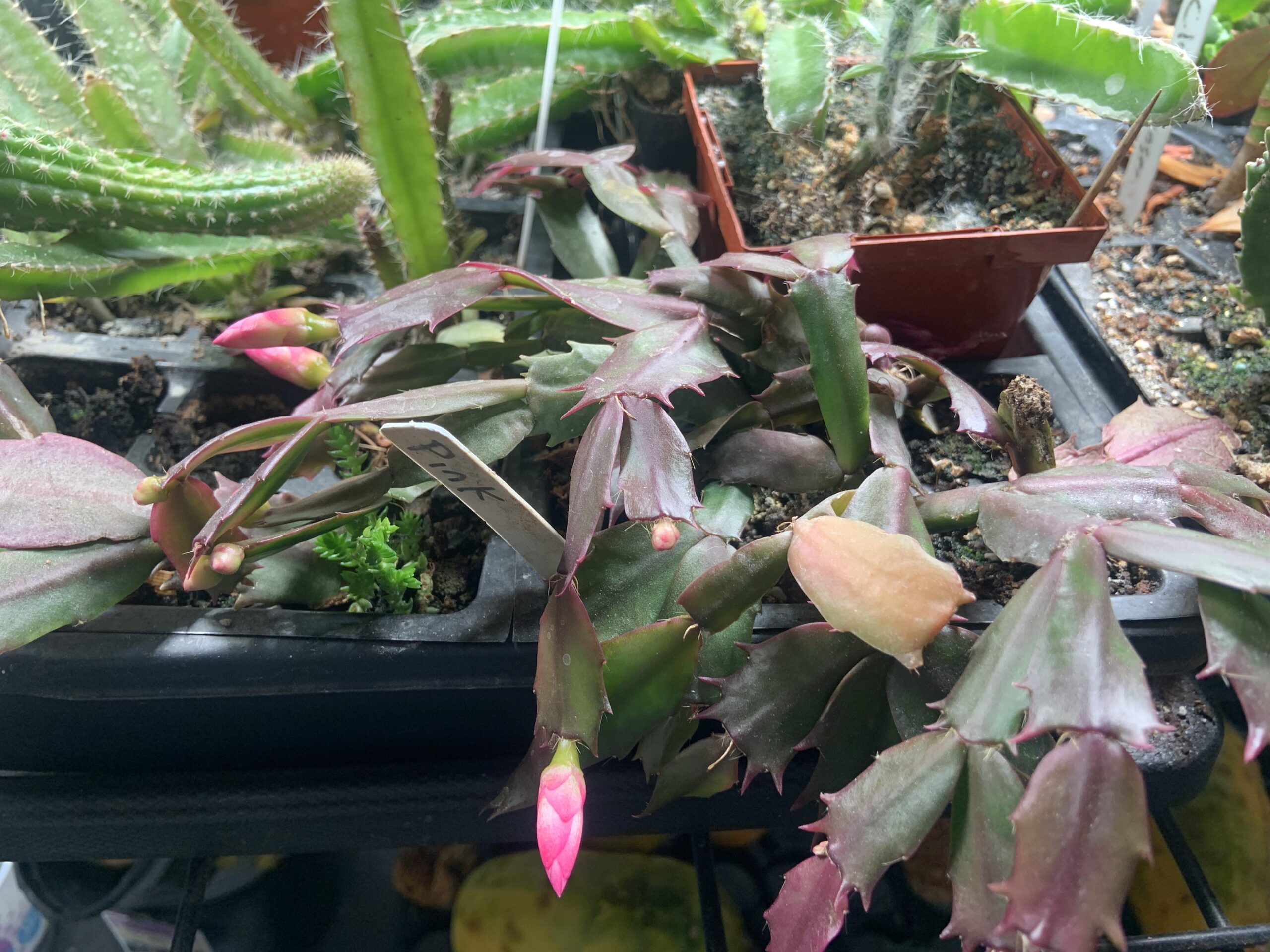
For species like the Easter Cactus or Thanksgiving Cactus, which originate from tropical jungles rather than deserts, the rules shift slightly. These epiphytic cacti still crave humidity but detest soggy soil. Place their pots on trays of pebbles and water, ensuring the roots never sit in standing water. A humidity tray becomes their winter oasis, a microclimate of warmth and moisture that mimics their natural understory habitat.
Light: The Winter Sun’s Crucial Role in Photosynthetic Stagnation
As the sun’s arc shortens and its rays grow feeble, your cactus’s ability to photosynthesize dwindles. Southern or western-facing windows become its lifeline, offering the brightest, most direct light available. If your plant’s usual perch is a dim corner, consider a grow light—a compact fluorescent or LED fixture positioned 6-12 inches above the cactus for 8-10 hours daily. Without adequate light, even the hardiest Prickly Pear will etiolate, stretching its arms in a desperate bid for illumination, leaving it weak and misshapen.
For outdoor cacti, the challenge intensifies. A sudden shift from summer’s blazing sun to winter’s gloom can shock the plant. Gradually acclimate it by moving it to a sheltered spot—perhaps under an eave or a covered patio—where it can still bask in indirect light without the risk of frostbite. If temperatures drop below freezing, it’s time to retreat indoors; a garage with a south-facing window or a sunroom can serve as a temporary sanctuary.
Temperature: The Delicate Balance Between Cold and Comfort
Cacti are not fans of the cold, but they’re equally averse to the stifling heat of indoor radiators. The ideal winter temperature range hovers between 45°F and 65°F (7°C to 18°C). Below 40°F (4°C), frost can rupture cells, leaving your plant with a spongy, waterlogged appearance. Above 70°F (21°C), the lack of light combined with warmth can trigger premature growth, sapping the plant’s stored energy.
If you’re growing cold-hardy species like the Claret Cup Cactus or Plains Prickly Pear, outdoor cultivation is possible in USDA zones 5-9, provided they’re planted in well-draining soil and mulched with gravel to prevent moisture retention. For the rest of us, indoor relocation is the safest bet. Avoid placing cacti near drafty windows, heating vents, or appliances that emit warmth without light, as these create microclimates of stress.
Soil and Pot Selection: The Foundation of Winter Resilience
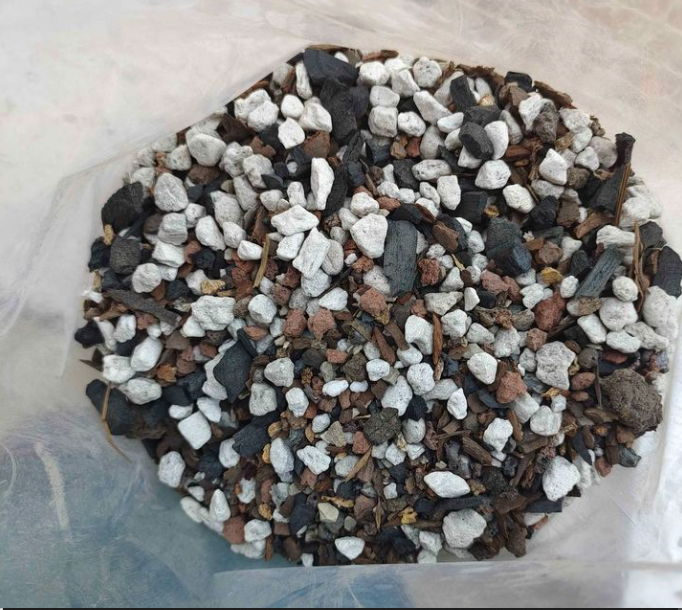
A cactus’s survival in winter begins with its roots, and the soil it calls home must be as inhospitable to excess moisture as the desert itself. A gritty, fast-draining mix—comprising coarse sand, perlite, pumice, and a smattering of organic matter—prevents water from pooling around the roots. Commercial cactus soil can be amended with additional perlite or crushed granite to enhance drainage.
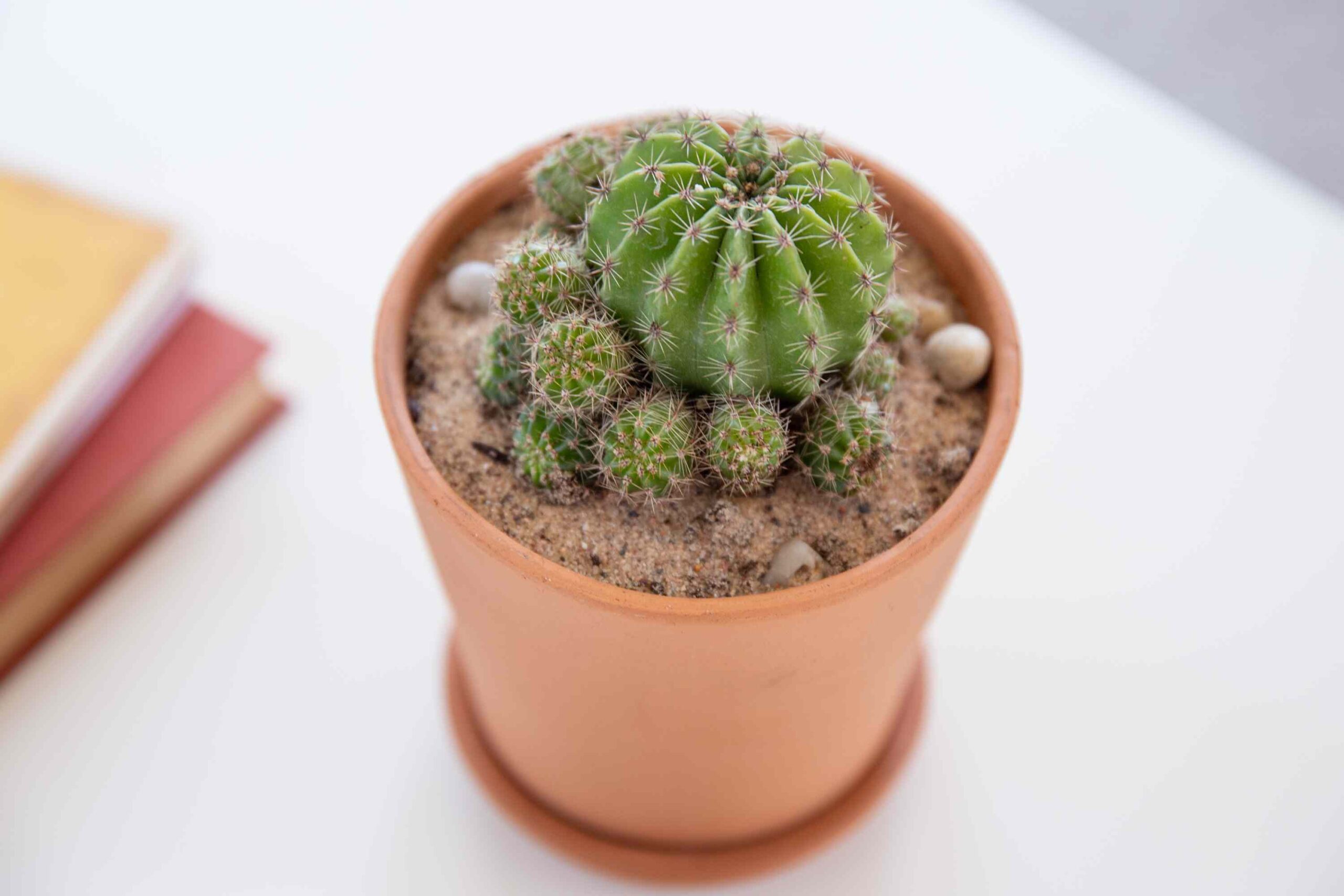
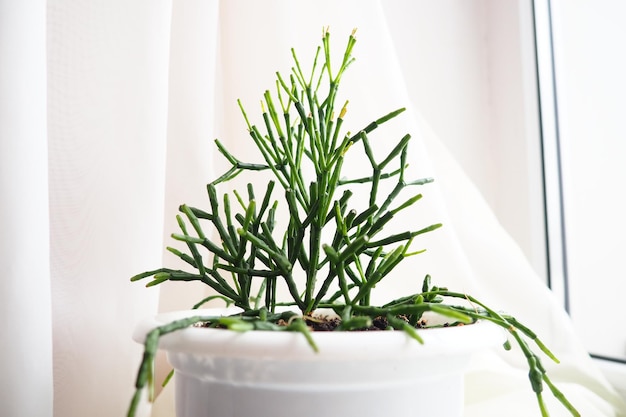
The pot matters just as much. Terracotta, with its porous walls, allows soil to dry out more quickly, making it ideal for winter. Plastic pots, while lightweight, retain moisture longer, increasing the risk of rot. Ensure the container has ample drainage holes; if not, layer the bottom with a 1-inch bed of pebbles to create a faux drainage system. For hanging cacti like the Rat Tail Cactus, a basket lined with sphagnum moss provides both aeration and a touch of humidity without sacrificing drainage.
Pests and Diseases: The Invisible Winter Threats
Winter’s low light and cool temperatures weaken a cactus’s defenses, making it susceptible to opportunistic pests. Mealybugs, scale insects, and spider mites—those tiny vampires of the plant world—thrive in the stagnant air of indoor spaces. Inspect your cactus regularly, paying close attention to the nooks between spines and the undersides of leaves. A cotton swab dipped in rubbing alcohol can dispatch these invaders without harming the plant.
Fungal diseases, particularly powdery mildew, also rear their heads in winter’s damp chill. If you notice a white, powdery film on your cactus, isolate it immediately and treat it with a fungicide or a baking soda solution (1 teaspoon baking soda + 1 quart of water + a drop of dish soap). Improve air circulation by placing a small fan nearby on a low setting, ensuring the leaves dry thoroughly after any accidental water exposure.
Pruning and Maintenance: Shaping for Spring’s Return
Winter is not the time for dramatic pruning, but a light touch can encourage a bushier, more compact growth habit. Use sterilized scissors or pruning shears to snip off any dead or mushy stems, as these can harbor disease. For columnar cacti like the San Pedro, remove any lateral branches that appear weak or etiolated, redirecting the plant’s energy toward vertical growth.
Check for signs of stress—yellowing, wrinkling, or softening—which indicate either overwatering or insufficient light. If your cactus is housed in a dim room, consider rotating it weekly to ensure even light distribution. Avoid fertilizing; winter is a time for rest, not growth. Save the nutrient boost for spring, when your cactus will awaken with renewed vigor.
Preparing for Spring: A Checklist for the Transition
As the days lengthen and temperatures rise, your cactus will signal its readiness to emerge from dormancy. Gradually reintroduce water, increasing frequency as the soil dries more quickly in the warming air. Move the plant to a brighter location, perhaps even outdoors if frost has passed, to bask in the strengthening sun. Inspect the roots during repotting—if they’re circling the pot or appear black and mushy, trim away the damaged sections and refresh the soil.
Spring is also the time to resume feeding. A balanced, diluted fertilizer (10-10-10 or 5-10-10) applied every 4-6 weeks will fuel new growth. Watch for blooms; many cacti, like the Hedgehog Cactus or Fishhook Cactus, reward attentive care with vibrant flowers. If your plant is a winter bloomer, such as the Christmas Cactus, ensure it receives 12-14 hours of darkness daily for 6 weeks in autumn to trigger flowering.
Winter cactus care is a study in subtlety—a blend of restraint, observation, and strategic adjustments. By embracing the season’s constraints, you’ll emerge in spring with a thriving, resilient collection of these architectural marvels. Your cacti, in turn, will reward your patience with their quiet, enduring beauty, a testament to the harmony between human care and nature’s rhythms.
FAQ
How often should I water my cactus in winter?
Water your cactus every 4-6 weeks, only when the soil is bone-dry.
What is the best temperature for cacti during winter?
The ideal temperature range is between 45°F and 65°F (7°C to 18°C).
Can I keep my cactus outdoors in winter?
Only cold-hardy species can be kept outdoors; most should be brought indoors if temperatures drop below freezing.
How do I prevent pests on my cactus in winter?
Inspect regularly and treat with rubbing alcohol for pests like mealybugs and spider mites.

Leave a Reply