
Short Answer
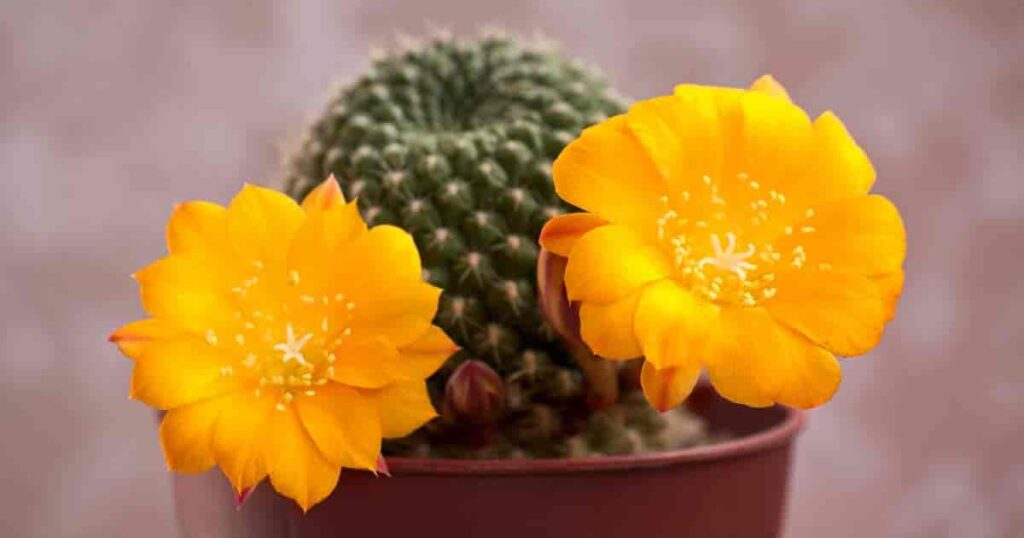
Imagine a cactus that doesn’t just survive in your home—it thrives, blooms in a riot of color, and becomes the centerpiece of your plant collection. The Rebutia, affectionately known as the Crown Cactus, is that kind of plant. With its globular form and dazzling flowers that burst forth like tiny fireworks, this succulent isn’t just another green fixture on your windowsill. It’s a living sculpture, a conversation starter, and a testament to the fact that even the most resilient plants can surprise you with their beauty. But here’s the twist: most people treat Rebutia like any other cactus—with neglect disguised as low-maintenance care. What if I told you that unlocking its full potential requires a shift in perspective, a deeper understanding of its native rhythms, and a few unconventional tricks? Let’s dive into the world of Rebutia care, where every detail matters, and every season brings a new opportunity to coax out blooms that will leave you breathless.
The Crown Cactus Unveiled: A Plant of Contrasts
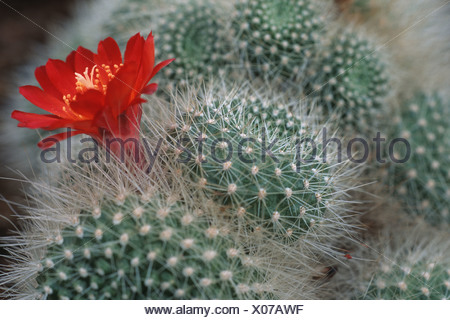
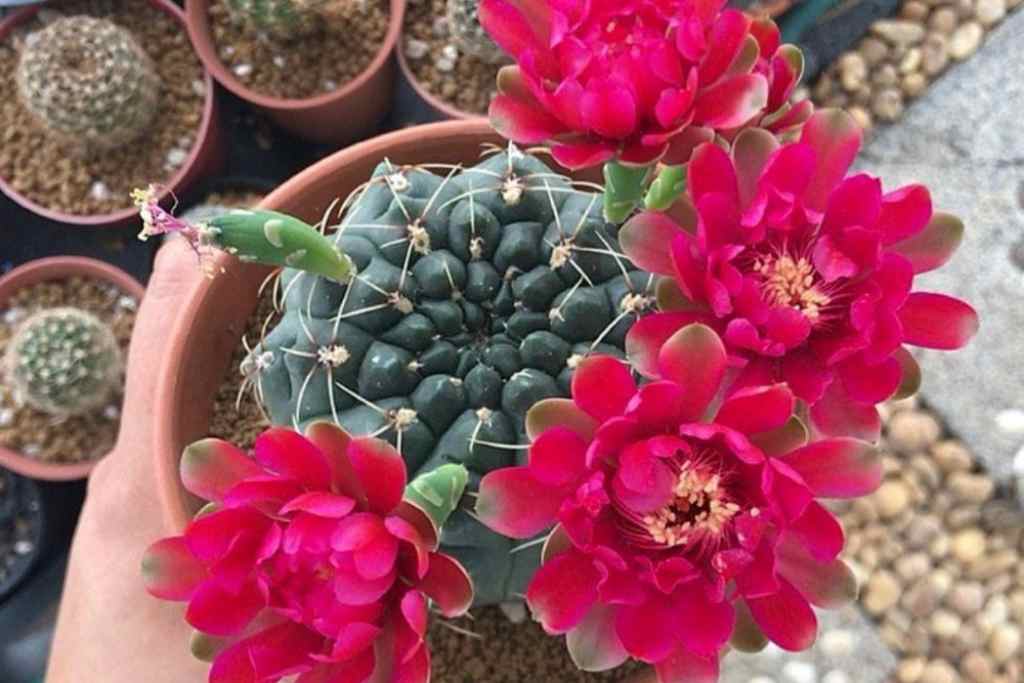
Rebutia isn’t your average cactus. While its cousins in the desert endure scorching heat and months without water, the Crown Cactus hails from the high-altitude regions of South America, where it basks in bright light but also experiences cool nights and seasonal rains. This duality is key to its care. Its globular body, often adorned with fine spines or fuzzy crowns, is a marvel of adaptation—each rib and areole a testament to its ability to store water and nutrients. But the real showstopper? Its flowers. Unlike the muted hues of many cacti, Rebutia blooms in a kaleidoscope of reds, oranges, yellows, and purples, often appearing in clusters that crown the plant like a regal diadem. To cultivate this living jewel, you must first see it not as a desert dweller, but as a highland traveler—one that thrives on rhythm, not just survival.
Light: The Golden Key to Blooming Brilliance
Light is the lifeblood of Rebutia, but not all light is created equal. This plant craves intensity—the kind that mimics the thin, high-altitude air of the Andes. A south-facing window is ideal, but if your home lacks natural brilliance, supplement with a full-spectrum grow light. The goal isn’t just to keep the plant alive; it’s to trick it into believing it’s basking in its native habitat. Rotate your cactus regularly to ensure even exposure, preventing the “leaning tower of Pisa” effect where one side stretches desperately toward the light. And here’s a pro tip: in winter, when days grow short, resist the urge to coddle your Rebutia with extra warmth. Instead, embrace the chill. Cool nights (around 50°F/10°C) mimic its natural dormancy period, signaling that it’s time to gear up for the next blooming cycle.
Water: The Art of Strategic Hydration
Watering a Rebutia is less about frequency and more about timing. This plant doesn’t want to be drenched; it wants to be quenched—then left to its own devices. The golden rule? Water deeply, then let the soil dry out completely before repeating. Overwatering is the silent killer of Crown Cacti, leading to rot that spreads like a shadow. But here’s where it gets interesting: during its active growing season (spring and summer), your Rebutia will reward you with rapid growth and bud formation—if you water it when the top inch of soil feels dry. In contrast, winter is a time of rest. Reduce watering to a mere trickle, just enough to prevent the soil from turning to dust. Think of it as a plant version of intermittent fasting: the stress of controlled dehydration primes it for spectacular blooms.
Soil: The Foundation of a Flourishing Crown
A Rebutia’s roots are as sensitive as they are strong. Pack it into heavy, moisture-retentive soil, and you’ll suffocate it. Give it a mix that’s too airy, and it’ll wither. The sweet spot? A gritty, well-draining concoction that mimics the rocky, mineral-rich soils of its homeland. Start with a base of cactus or succulent mix, then amend it with perlite, pumice, or coarse sand to ensure aeration. For an extra boost, add a handful of crushed granite or turface—a trick borrowed from bonsai enthusiasts—to improve drainage and mimic the plant’s natural substrate. And don’t forget the pot: terracotta is ideal, as it wicks away excess moisture and prevents root rot. Your Rebutia’s roots will thank you by spreading out like a network of tiny explorers, anchoring the plant in its new home.
Temperature: The Delicate Dance of Warmth and Chill
Rebutia is a plant of contradictions—it loves warmth but thrives on cool nights. During the growing season, keep it in a spot where temperatures hover between 70°F and 80°F (21°C–27°C) during the day, with a 10°F (5°C) drop at night. This diurnal temperature shift isn’t just a quirk; it’s a biological cue that tells the plant it’s time to grow and bloom. But here’s the twist: if you live in a climate with hot summers, shield your Rebutia from the scorching midday sun. A sheer curtain or a shaded patio can prevent sunburn, which manifests as unsightly brown patches. In winter, embrace the cold. A cool dormancy period (around 50°F/10°C) is non-negotiable for bud formation. Think of it as a plant version of hibernation—necessary, not optional.
Fertilizer: The Secret Sauce for Spectacular Blooms
If you want your Rebutia to bloom like it’s in a botanical pageant, you’ll need to feed it—but not just any fertilizer. This cactus is a gourmet, craving a balanced diet of macronutrients and micronutrients. During the growing season, use a diluted, low-nitrogen fertilizer (think 5-10-10 or 2-7-7) every 4–6 weeks. High nitrogen encourages leafy growth at the expense of flowers, so resist the urge to overdo it. Instead, focus on phosphorus and potassium, which are the building blocks of vibrant blooms. And here’s a lesser-known tip: a light dusting of worm castings in the soil can work wonders, providing slow-release nutrients and a microbial boost that mimics the rich, organic layers of its native soil. Your Rebutia will reward you with stems that stand taller and flowers that gleam like polished gemstones.
Pruning and Propagation: Multiplying Your Crown’s Glory
A healthy Rebutia doesn’t just grow—it multiplies. Offsets, or “pups,” sprout from the base like tiny crowns waiting to be crowned themselves. These can be carefully removed and repotted to create new plants, a process that’s as satisfying as it is simple. Use a clean, sharp knife to sever the pup from the mother plant, then let the cut callous over for a day or two before planting in fresh soil. Within weeks, you’ll have a new Rebutia ready to dazzle. And what about pruning? While Rebutia doesn’t need much, you can trim leggy stems to encourage bushier growth or remove dead spines to keep it looking pristine. Think of it as giving your cactus a stylish haircut—functional, but also a chance to shape its future.

Pests and Problems: The Silent Saboteurs
Even the hardiest Rebutia can fall prey to pests, but the real enemy is often you—or at least, your good intentions. Overwatering leads to root rot, which is a death sentence. Mealybugs and spider mites, those tiny vampires, can suck the life out of your plant if left unchecked. Inspect your Rebutia regularly, especially under the leaves and along the spines, where pests love to hide. If you spot trouble, act fast: isolate the plant, wipe down the spines with a cotton swab dipped in rubbing alcohol, or treat with a neem oil spray. Prevention is key—keep your plant healthy, and it’ll resist pests like a fortress. And remember: a stressed Rebutia is an invitation to trouble. Keep it happy, and it’ll bloom like there’s no tomorrow.
The Reward: A Crown Worthy of a King
There’s a moment, usually in late winter or early spring, when your patience pays off. A single bud appears, then another, until your Rebutia is crowned in color. It’s not just a plant anymore—it’s a masterpiece. The flowers, often no larger than a thumbnail, unfurl in a display of such vibrancy that they seem to defy gravity. This is the payoff for your diligence, your attention to detail, and your willingness to see Rebutia not as a low-maintenance novelty, but as a living work of art. It’s a reminder that the most rewarding relationships—whether with people or plants—are built on understanding, patience, and a little bit of rebellion against the ordinary. So go ahead. Give your Crown Cactus the care it deserves. Watch it thrive. And prepare to be dazzled.
FAQ
What is the ideal light condition for Rebutia?
Rebutia thrives in bright light, ideally positioned near a south-facing window or supplemented with a full-spectrum grow light.
How often should I water my Crown Cactus?
Water deeply when the top inch of soil feels dry, then allow the soil to dry out completely before watering again.
What type of soil is best for Rebutia?
A gritty, well-draining soil mix that mimics rocky, mineral-rich soils is ideal for Rebutia.
How do I propagate my Rebutia?
Offsets, or ‘pups’, can be carefully removed and repotted to create new plants.
Leave a Reply