
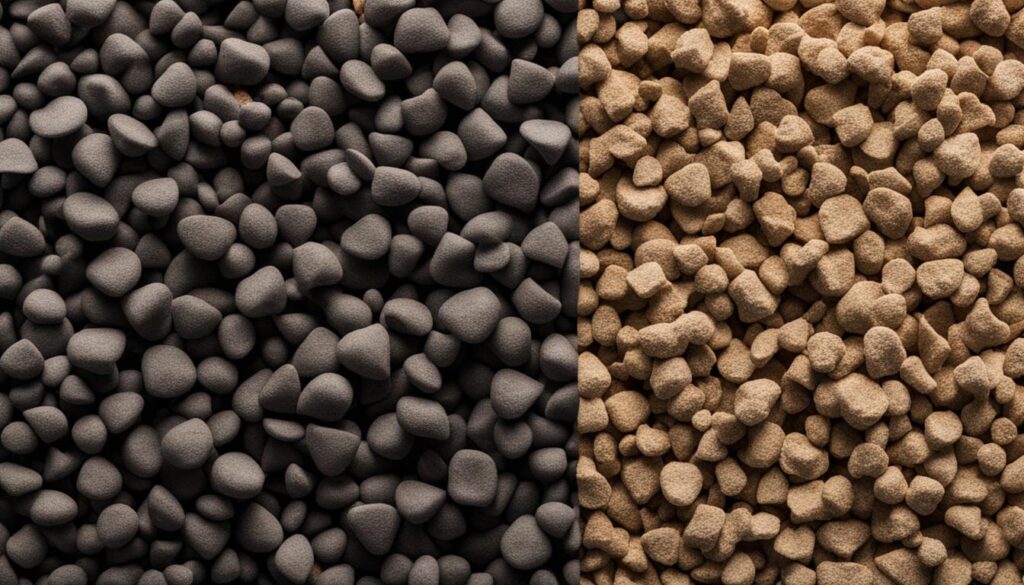
Short Answer
Ever stared at a prickly cactus, its spines glinting like tiny daggers, and wondered: What in the desert sands is the best way to give this spiky diva the home it deserves? You’re not alone. The quest for the perfect soil mix for cacti is a riddle wrapped in a mystery inside an arid enigma. Enter the holy trinity of gritty soil amendments: perlite, pumice, and sand. Each promises to transform your cactus from a wilting wallflower into a thriving, thorny superstar. But which one reigns supreme? Let’s dig in—literally.
The Great Cactus Conundrum: Why Soil Matters More Than You Think
Cacti aren’t just plants; they’re architectural marvels of evolution, sculpted by millennia of harsh, sun-baked conditions. Their roots aren’t built for soggy, nutrient-rich loam—they crave the kind of drainage that would make a sieve jealous. The wrong soil mix is like inviting a camel to a swamp party: it’s a recipe for disaster. Root rot, fungal fiends, and a sad, mushy demise await those who underestimate the importance of aeration and drainage. Perlite, pumice, and sand each bring something unique to the table, but they’re not interchangeable. Understanding their quirks is the first step toward cactus nirvana.
Perlite: The Fluffy Cloud of Cactus Heaven
Imagine a volcanic glass so light it floats on water—welcome to perlite, the featherweight champion of soil amendments. This puffed-up, white wonder is created by heating volcanic rock until it pops like popcorn, resulting in a porous, sterile, and ultra-light material. For cacti, perlite is like a breath of fresh air for roots, preventing compaction and ensuring water drains faster than a cheetah on espresso. It’s the go-to choice for many gardeners because it’s affordable, widely available, and mixes effortlessly into soil blends. But beware: perlite’s lightweight nature means it can float to the top of pots during watering, creating an uneven texture. And while it’s a drainage dynamo, it doesn’t retain any nutrients, so your cactus will need a well-balanced fertilizer to thrive.
Pros of perlite:
- Unmatched drainage: Water zips through like a desert wind.
- Sterile and inert: No hidden pathogens or surprises.
- Budget-friendly: Easy on the wallet and the environment.
Cons of perlite:
- Dusty nuisance: Can be a sneeze-inducing chore to handle.
- Floats away: May require a top layer of coarser material to stay put.
- No nutrient boost: Your cactus will need supplemental feeding.
Pumice: The Volcanic Powerhouse of Root Resilience
If perlite is the fluffy cloud, pumice is the rugged mountain goat of soil amendments. This porous, volcanic rock is heavier, chunkier, and far more durable than its fluffy cousin. Pumice’s jagged edges create air pockets that are perfect for cactus roots, mimicking the rocky, mineral-rich soils of their native habitats. Unlike perlite, pumice stays put, resisting the urge to float away during watering. It also has a slight buffering capacity, meaning it can help stabilize pH levels in your soil. But pumice isn’t without its drawbacks: it’s pricier, harder to find, and can be a workout to mix into soil due to its weight. Still, for cacti that demand the crème de la crème of drainage, pumice is a game-changer.
Pros of pumice:
- Superior aeration: Roots get the oxygen they crave.
- Stays in place: No more top-heavy soil disasters.
- pH buffering: Keeps soil chemistry in check.
Cons of pumice:
- Heavy lifting: Not for the faint of arm.
- Pricey: A premium choice for serious growers.
- Hard to source: Not as ubiquitous as perlite.
Sand: The Old-School Desert Mimic
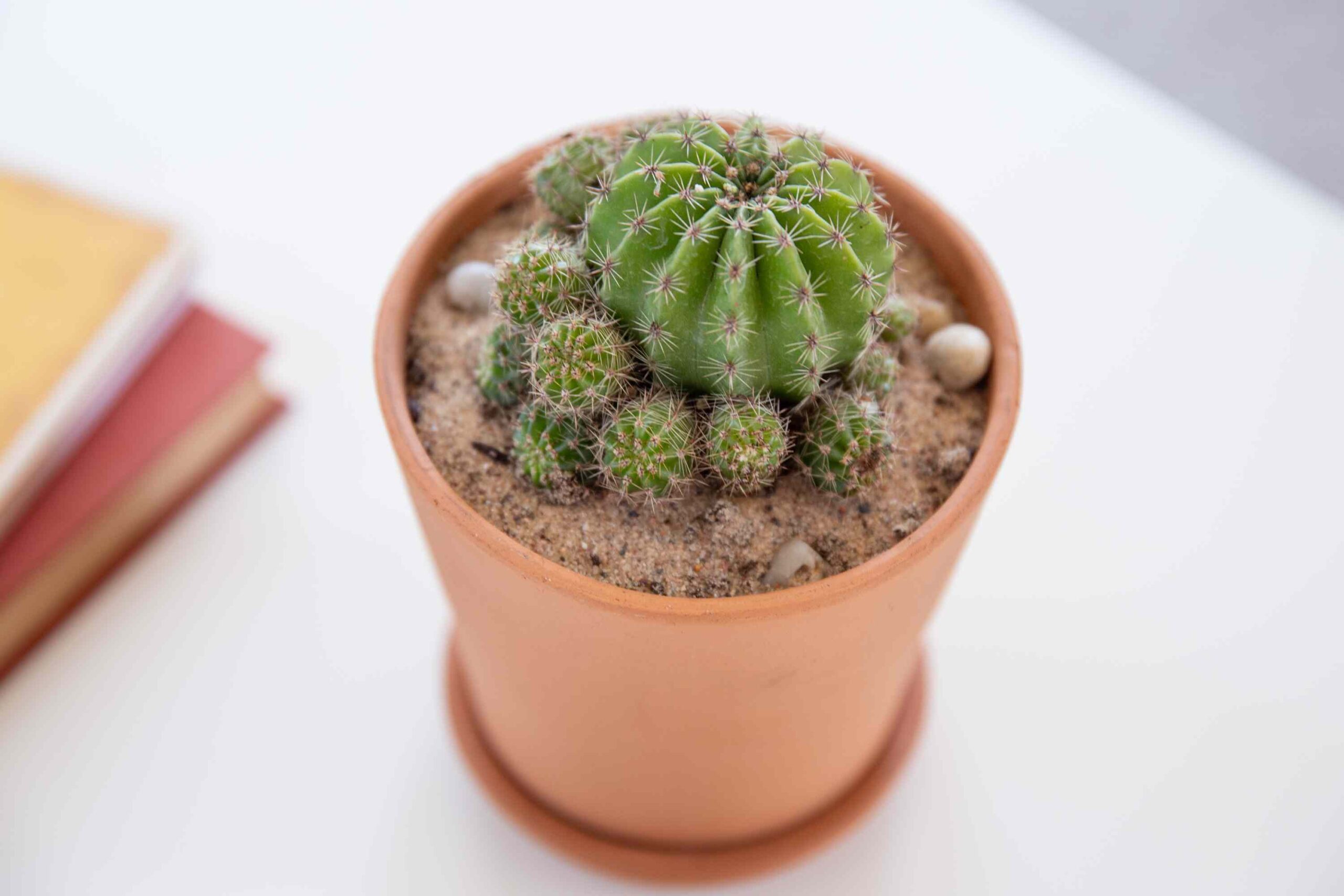
Sand is the granddaddy of cactus soil amendments, the OG of gritty mixes. It’s cheap, easy to find, and instantly evokes images of sunbaked dunes and endless horizons. But here’s the catch: not all sand is created equal. Coarse horticultural sand is the gold standard, while fine beach sand is a cactus-killer in disguise. The latter compacts like a bad relationship, suffocating roots and trapping moisture like a soggy blanket. When used correctly, sand can mimic the natural soils of desert cacti, providing both drainage and a slight weight to anchor plants. However, it’s the least effective of the three on its own. Think of it as the supporting actor, not the lead.
Pros of sand:
- Affordable and accessible: Grab a bag at any garden center.
- Weighty stability: Keeps top-heavy cacti from toppling.
- Natural aesthetic: Feels right at home in desert-themed setups.
Cons of sand:
- Compaction risk: Fine sand is a root’s worst nightmare.
- Poor aeration: Can turn soil into a concrete slab.
- Limited benefits: Best used in moderation or as part of a blend.
The Ultimate Showdown: Perlite vs. Pumice vs. Sand
So, which amendment should you crown as the king of cactus soil? The answer isn’t one-size-fits-all. It depends on your cactus’s personality, your budget, and your willingness to get your hands dirty. For beginners or those on a budget, perlite is the safest bet—it’s affordable, effective, and easy to work with. If you’re growing finicky or large cacti and want to splurge on the best, pumice is your huckleberry. And if you’re a purist who loves the desert aesthetic, a blend of coarse sand and perlite or pumice can create a soil mix that’s both functional and visually stunning.
Here’s a quick cheat sheet:
- Perlite: Best for most growers—affordable, lightweight, and effective.
- Pumice: Best for serious collectors—superior drainage and stability.
- Sand: Best as a minor component—adds weight and a natural feel.
Mixing It Up: Crafting the Perfect Cactus Soil Blend
Now that you’ve met the contenders, it’s time to create a soil mix that’ll make your cactus sing. A classic blend might include:
- 50% high-quality potting soil (the base).
- 30% perlite or pumice (for drainage).
- 20% coarse sand or additional perlite/pumice (for weight and aeration).
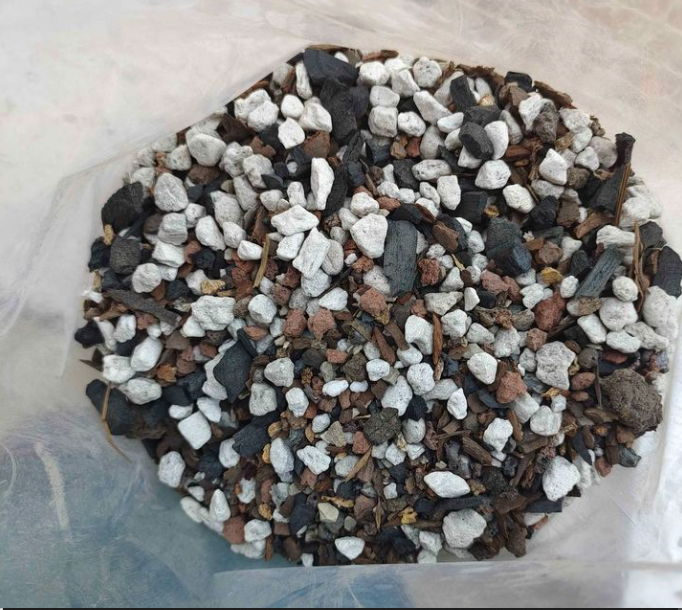
For a more premium mix, swap out perlite for pumice and add a handful of crushed granite or turface for extra grit. The key is to prioritize drainage while ensuring the mix retains just enough moisture to keep roots hydrated without drowning them. And remember: cacti are drought-tolerant, not drought-loving. They prefer a thorough soaking followed by a dry spell—think of it as a spa day for their roots.
Signs Your Cactus Soil Is a Dud (And How to Fix It)
How do you know if your soil mix is failing your spiky friend? Look for these red flags:
- Yellowing or mushy stems: A classic sign of overwatering and poor drainage.
- Stunted growth: Roots suffocating in compacted soil.
- Foul odors: A whiff of rot means it’s time to repot.
- Pests like fungus gnats: Overly moist soil is an open invitation.
If you spot any of these, don’t panic. Repotting your cactus into a fresh, gritty mix can work wonders. Gently remove the old soil, trim any rotten roots, and let the plant dry out for a few days before replanting. Your cactus will thank you with new growth and fewer complaints.
The Final Verdict: Which Amendment Wins the Cactus Crown?
In the battle of perlite vs. pumice vs. sand, there’s no single winner—only the right choice for your cactus and your growing conditions. Perlite is the crowd-pleaser, pumice is the luxury option, and sand is the reliable sidekick. The best approach? Experiment. Try different blends, observe how your cactus responds, and adjust accordingly. After all, growing cacti is as much an art as it is a science. And with the right soil mix, your spiky companions will thrive, turning your home into a desert oasis one thriving plant at a time.
FAQ
What is the best soil mix for cacti?
A recommended mix includes 50% potting soil, 30% perlite or pumice, and 20% coarse sand.
Can I use regular sand for cacti?
Only coarse horticultural sand is suitable; fine beach sand can cause compaction and harm roots.
Leave a Reply