

Short Answer
Picture this: a once-vibrant cactus, its spines gleaming under the desert sun, now sagging like a wilted balloon. Its roots, once a fortress of resilience, are now a mushy, anaerobic nightmare. This isn’t just a plant in distress—it’s a silent cry for help, a botanical SOS flaring in the stillness of your windowsill. Root rot in cacti isn’t just a problem; it’s a betrayal of trust between you and your spiny companion. But here’s the twist: this isn’t a death sentence. It’s an invitation to become a plant whisperer, to peel back the layers of decay and coax life from the brink. Are you ready to turn the tide?
The Silent Saboteur: Understanding Root Rot in Cacti
Root rot isn’t just a condition—it’s a slow-motion apocalypse unfolding beneath the soil. Unlike the dramatic wilting of a thirsty plant, root rot is a stealthy invader, creeping in when excess moisture meets poor drainage. Cacti, those desert-dwelling sentinels, are evolutionarily wired to thrive in arid conditions. Their roots are designed to absorb water in bursts, not to swim in it. When soggy soil suffocates their roots, anaerobic bacteria throw a rave party, feasting on the decaying tissue. The result? A once-firm root system turns into a squishy, foul-smelling mess. The first clue? Yellowing stems, a musty odor wafting from the pot, or—worst of all—a cactus that detaches from its soil with the gentleness of a wet paper towel. Ignore these signs, and you’re not just losing a plant; you’re watching a miniature ecosystem collapse.

Diagnosing the Damage: Is It Root Rot or Something Else?
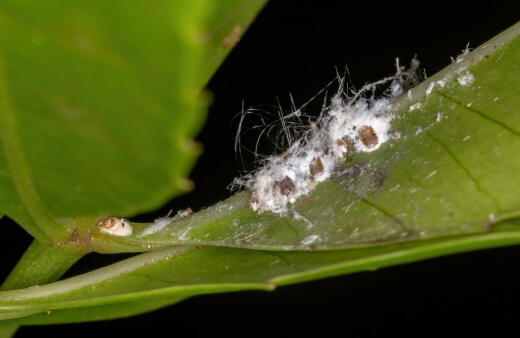
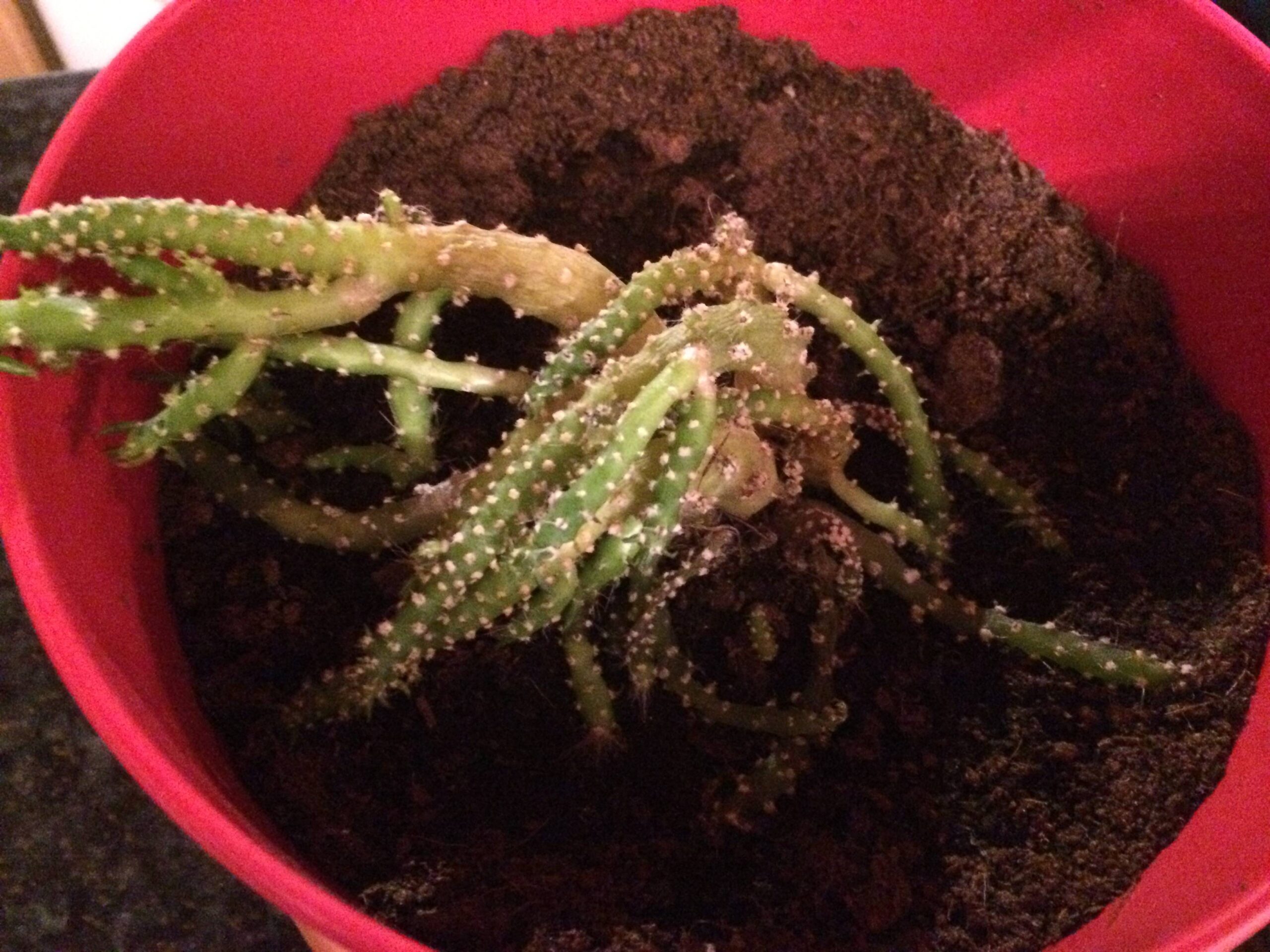
Not all cactus crises are created equal. Before you declare war on root rot, rule out imposters. Overwatering mimics root rot, but the culprit is often a lack of sunlight or a pot with all the drainage of a swimming pool. Meanwhile, pests like mealybugs or scale insects can mimic rot by sapping the plant’s vitality from the inside out. The key to diagnosis? A hands-on inspection. Gently extract your cactus from its pot—if the roots resemble blackened, oozing tentacles, you’ve got rot. Healthy roots are firm, white, and spread outward like a starburst. If the rot is confined to the tips, there’s hope. If the entire root system is a mushy disaster, brace for a more drastic intervention. And remember: a foul odor is the plant’s way of screaming, “Help me!”
The Rescue Operation: Step-by-Step Root Rot Eradication
This isn’t a quick fix—it’s a surgical strike against decay. Start by quarantining your cactus. Remove it from its pot, and rinse the roots under lukewarm water to wash away the soil’s microbial offenders. Now, the moment of truth: grab a pair of sterilized scissors or pruners, and snip away every trace of blackened, mushy root. Be ruthless. If a root snaps like overripe fruit, it’s gone. Healthy roots should spring back when bent. Next, soak the remaining roots in a fungicide solution (a 1:10 ratio of hydrogen peroxide to water works in a pinch) for 10 minutes. This isn’t just a rinse—it’s a disinfectant bath to purge lingering pathogens. Once dry, dust the cut ends with sulfur powder or cinnamon (yes, the spice aisle holds plant-saving secrets) to prevent reinfection.
Now, the pot. If it’s plastic, toss it. Ceramic or terracotta? Scrub it with a bleach solution (1 part bleach to 9 parts water) to kill any lingering spores. Repot your cactus in fresh, gritty soil—a blend of cactus mix, perlite, and coarse sand is your best defense against future rot. Place it in bright, indirect light, and resist the urge to water for at least a week. Your cactus isn’t just recovering; it’s rebuilding its entire existence from the ground up.

Prevention: The Art of Keeping Rot at Bay
Root rot isn’t a one-time battle—it’s a chronic condition if you don’t change your ways. The first rule? Water like a desert nomad, not a monsoon. Cacti thrive on neglect, not constant hydration. Stick your finger an inch into the soil; if it’s dry, water. If it’s damp, walk away. Second, drainage is non-negotiable. A pot without drainage holes is a death trap. If you’re attached to a decorative container, use it as a cachepot and nestle your cactus in a smaller, functional pot inside. Third, soil matters. Generic potting mix is a cactus’s worst enemy. Opt for a blend that mimics its native habitat—think sand, gravel, and just enough organic matter to hold structure without suffocating the roots. Finally, airflow is your ally. Crowded plants or stagnant air invite fungal parties. Give your cactus space to breathe, and it’ll repay you with resilience.
When All Else Fails: The Last Resort
Sometimes, the rot wins. The stem is a hollowed-out husk, the roots a blackened sludge. Before you mourn, consider propagation. Healthy sections of the stem can be cut into 4-inch segments, left to callus over for a few days, and then planted in dry soil. With patience, these fragments can sprout new roots and grow into clones of their former selves. It’s not a guaranteed fix, but it’s a chance to turn failure into a second act. Think of it as the botanical equivalent of a phoenix rising from the ashes—messy, dramatic, and undeniably triumphant.
The Mindset Shift: From Gardener to Plant Alchemist
Root rot isn’t just a problem to solve—it’s a lesson in humility. It teaches you that plants aren’t just decorations; they’re living, breathing entities with needs and boundaries. Every cactus you save is a testament to your ability to listen, adapt, and grow alongside it. The next time you see a sagging stem or a foul odor, don’t panic. See it as an opportunity to deepen your connection with the natural world. After all, the most resilient gardens aren’t built on perfection, but on the willingness to fail, learn, and try again. Your cactus isn’t just a plant—it’s a partner in this green adventure. Are you ready to step up?
FAQ
What is root rot in cacti?
Root rot is a condition caused by excess moisture leading to the decay of roots, resulting in mushy, blackened tissue.
How can I tell if my cactus has root rot?
Signs include yellowing stems, a foul odor, and blackened, mushy roots when inspected.
What steps can I take to save a cactus with root rot?
Quarantine the cactus, rinse the roots, cut away rotten sections, soak in fungicide, and repot in fresh, well-draining soil.
Leave a Reply