
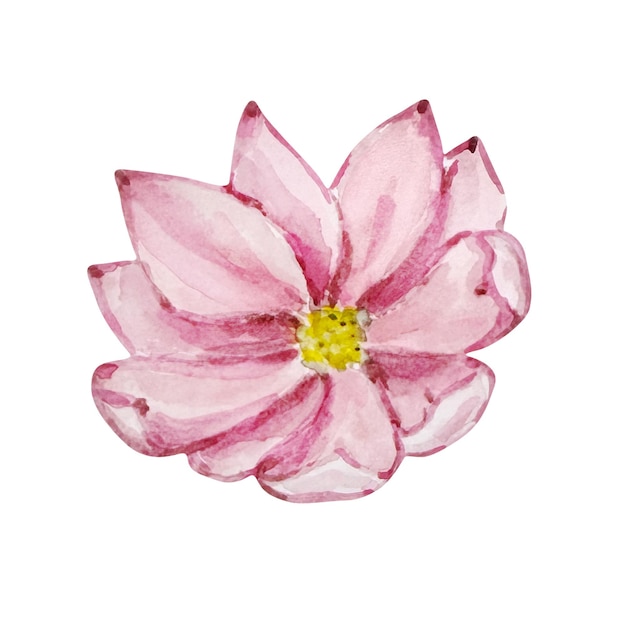
Short Answer
Have you ever stood in the heart of a sun-scorched desert, where the air shimmers with heat and the only companions are the stoic sentinels of the sand—cacti? Their spiny silhouettes pierce the horizon, defiant and delicate, a paradox of resilience and grace. Now, imagine capturing that same spirit not on the cracked earth, but on paper, with the fluidity of watercolor. How does one translate the rugged tenacity of a desert plant into a medium as unpredictable as water and pigment? The challenge is as thrilling as it is daunting, and the result? Pure, unfiltered enchantment.
The Allure of Arid Elegance: Why Cacti Captivate the Imagination
Cacti are not mere plants; they are sculptural marvels, each spine a brushstroke, each rib a contour of ancient endurance. Their forms—globular, columnar, or sprawling—defy the monotony of the desert with a visual symphony of geometry and organic chaos. Watercolor, with its translucent layers and spontaneous blooms, mirrors the very essence of these desert dwellers: unpredictable, vibrant, and alive. To paint a cactus is to dance with contradiction—to embrace the sharp and the soft, the thorn and the bloom, all within the same delicate stroke.
The challenge lies in preserving their rugged individuality while allowing the medium to breathe. Too much control, and the painting stiffens into a botanical diagram. Too little, and the essence of the cactus dissolves into a watery haze. The key? A delicate balance between precision and surrender, where the artist’s hand guides but does not dominate.
Tools of the Trade: Selecting the Right Arsenal for Desert Dreams
Not all brushes are equal in the quest to immortalize a cactus. A fine-tipped liner brush becomes indispensable for capturing the intricate spines, while a broad, flat brush can sweep across the page to evoke the vast, open skies of the desert. Paper choice is equally critical—heavyweight, textured watercolor paper resists warping and allows for the glorious lifting and layering that defines the medium.
Pigments matter too. Earthy ochres and burnt siennas ground the composition, while pops of cerulean or magenta can mimic the sudden bursts of color found in a desert sunset. But here’s the twist: sometimes, the most striking effects come from unexpected sources. A touch of salt sprinkled onto wet paint can mimic the crystalline texture of frost on a winter morning, or a splatter of bleach can create the illusion of sun-bleached ribs. The desert, after all, is a master of surprises.
Compositional Choreography: Framing the Desert’s Dancers
How do you position a cactus on the page to evoke its wild spirit? A symmetrical, centered composition feels too tame for such a rebellious plant. Instead, try an off-center arrangement, where the cactus leans into the negative space like a dancer mid-pose. Or, for a more dynamic effect, cluster multiple cacti together, their spines tangling in a botanical embrace.
The background is not merely a backdrop but a character in its own right. A gradient wash of warm hues can suggest the fading light of dusk, while a dry-brush technique might evoke the rough texture of sun-baked soil. The challenge? Avoiding the trap of overworking the background, which can overshadow the cactus itself. The desert is vast, but the cactus is the star.
The Dance of Water and Pigment: Techniques for Capturing Cactus Character
Wet-on-wet techniques are perfect for capturing the soft, fuzzy edges of a cactus’s areoles or the ethereal glow of its spines. Load your brush with water, then gently tap in pigment—watch as the colors bleed and mingle like a desert mirage. For sharper details, switch to a dry brush loaded with concentrated paint, dragging it across the paper to mimic the crisp definition of a ribbed column.
One of the most rewarding techniques is glazing—layering transparent washes to build depth. Start with a light wash for the base, then gradually intensify the shadows and highlights. The result? A cactus that feels three-dimensional, as if it could cast a shadow across the page. But beware: patience is key. Rushing the process can muddy the colors, turning your vibrant desert into a murky swamp.
Color Palette: Painting the Desert’s Hidden Hues
The desert is not just a palette of browns and beiges. It’s a symphony of unexpected shades—lavender shadows, golden spines, and the occasional splash of crimson from a blooming flower. To paint a cactus authentically, you must first observe its true colors. A golden barrel cactus isn’t just yellow; it’s a sun-kissed amber with streaks of olive and hints of rust. A prickly pear’s pads shimmer with a spectrum of greens, from celadon to viridian.
The challenge? Avoiding the cliché of “desert beige.” Instead, embrace the full spectrum of arid hues. Use a limited palette to maintain harmony, but don’t shy away from bold contrasts. A deep indigo sky can make a cactus’s spines pop like stars in the night, while a warm terracotta background can ground a cool-toned specimen.
Common Pitfalls and How to Sidestep Them
Every artist stumbles, but some pitfalls are particularly treacherous when painting cacti. The first? Overworking the spines. Too many precise lines can make the cactus look like a porcupine rather than a plant. Instead, suggest spines with loose, gestural strokes—let the viewer’s imagination fill in the gaps.
Another trap is neglecting the negative space. The empty areas around a cactus are just as important as the plant itself, framing it like a desert horizon. Don’t fill every inch of the page; sometimes, less is more. And finally, resist the urge to over-detail. A cactus is not a scientific illustration. It’s a living, breathing entity—let its essence shine through, not its every spine.
Inspiration from the Masters: Learning from the Greats
Study the works of artists who have mastered the art of botanical watercolor. Look at how they balance precision and fluidity, how they use light to sculpt form. Notice the way they leave areas of the paper untouched, allowing the white to breathe like sunlight on sand. Take notes, but don’t copy. The desert is vast, and your cactus should be too—unique, unapologetic, and utterly your own.
The final challenge? Putting down the brush. Knowing when to stop is an art in itself. Sometimes, the most evocative paintings are the ones left slightly unfinished, where the viewer can project their own stories onto the page. A cactus in watercolor is not just a depiction; it’s an invitation—to wander, to wonder, and to embrace the wild beauty of the desert.
FAQ
How can I capture the essence of a cactus in watercolor?
Focus on balancing control with spontaneity to reflect the unique characteristics of the cactus.
What colors should I use for a realistic cactus painting?
Incorporate a range of colors like sun-kissed amber, olive, and hints of rust to accurately depict cacti.




Leave a Reply