
Short Answer
Picture this: a cactus, once a stout sentinel of the desert, now a lanky, top-heavy oddity reaching desperately toward the sky. Its ribs stretch like overworked muscles, its spines—once a fortress of defense—now sparse and ineffectual. This isn’t a scene from a post-apocalyptic wasteland. It’s the silent cry of an etiolation epidemic, a condition so common among cactus enthusiasts that it’s often dismissed as inevitable. But what if I told you that stretched, leggy cacti aren’t doomed? What if the key to restoring their compact, resilient glory lies not in resignation, but in understanding—and action? Let’s embark on a journey to reclaim the dignity of your spiky companions.
The Etiolation Enigma: Why Your Cactus Stretches Like It’s Desperate for the Sun
Etiolation isn’t just a quirk of nature—it’s a survival tactic. In the wild, cacti stretch toward light like sunflowers chasing dawn, their elongated forms a desperate bid to escape shade and claim their place in the sun. Indoors, however, this instinct backfires. Fluorescent bulbs hum overhead, but they’re no match for the intensity of the desert sun. The result? A cactus that elongates, thins, and weakens, its once-robust structure reduced to a skeletal mimicry of its former self.
But why does this happen? The culprit is a hormone called auxin, a growth regulator that cacti produce in response to light. When light is scarce, auxin production spikes, signaling the plant to elongate rapidly in search of brighter horizons. It’s a brilliant adaptation in the wild—less so in a windowsill. The irony? Your cactus isn’t just stretching; it’s screaming for help, albeit in a language of twisted stems and sparse spines.
Spotting the Signs: Is Your Cactus a Victim of Etiolation?
Etiolation leaves a trail of clues, if you know where to look. The most obvious is the elongation of the stem, which can stretch up to three times its normal length. But there are subtler telltales: a loss of vibrant color, as chlorophyll production dwindles in the absence of sufficient light; a thinning of spines, which become sparse and weak; and a general loss of firmness, as the cactus’s internal structure struggles to support its own weight. In severe cases, the plant may even topple under its own lankiness, a tragic end for a creature built to stand tall.
Don’t mistake etiolation for normal growth. A healthy cactus grows slowly, its ribs and spines maintaining their density and vibrancy. An etiolation victim, by contrast, is a shadow of its former self—a skeletal imitation of the robust desert dweller it was meant to be.
The Root of the Problem: Light, or the Lack Thereof
At the heart of etiolation is a single, glaring issue: insufficient light. Cacti, despite their reputation for thriving in harsh conditions, are not invincible. They crave sunlight like a desert bloom craves rain. Indoors, even the brightest windowsill may not provide the intensity they need. South-facing windows are the best bet, but even then, the light may be diffused or inconsistent. Artificial lighting can help, but not all bulbs are created equal. Fluorescent tubes? Too weak. LED grow lights? A game-changer, if positioned correctly.
But light isn’t the only factor. Temperature plays a role, too. Cacti grow best in warm conditions, but if your plant is stretched and weak, it may be struggling to regulate its own temperature. Drafts, cold windowsills, and fluctuating temperatures can exacerbate the problem, leaving your cactus in a perpetual state of stress.
Reviving Your Cactus: A Step-by-Step Rescue Plan
So, your cactus is a victim of etiolation. What now? The first step is to acknowledge the damage—then act. Begin by assessing the extent of the stretching. If the plant is severely elongated, you may need to propagate the top, rooting it anew to encourage a more compact growth pattern. For less severe cases, a change in environment may be enough to halt the stretching and encourage recovery.
Move your cactus to the brightest spot in your home, ideally a south-facing window. If natural light is insufficient, supplement with a high-quality LED grow light, positioning it 6–12 inches above the plant for 12–14 hours a day. Be patient. Recovery won’t happen overnight. The etiolation may not reverse entirely, but new growth will emerge compact and healthy, a testament to your plant’s resilience.
Water sparingly during this period. Overwatering can stress an already weakened cactus, leading to rot or further decline. Instead, focus on providing the right light and temperature conditions, and let the plant do the rest. In time, you’ll see a transformation—not just in appearance, but in the plant’s overall vigor.
Prevention: Keeping Your Cactus Compact and Content
Preventing etiolation is easier than reversing it. The key? Light, light, and more light. If you’re growing cacti indoors, invest in a grow light. Position it close to the plant, adjusting the height as the cactus grows. Rotate the plant regularly to ensure even exposure, preventing one-sided stretching.
Temperature control is equally important. Keep your cactus in a warm, stable environment, away from drafts and cold windows. A consistent temperature between 70–90°F (21–32°C) is ideal. And don’t forget about humidity. While cacti tolerate dry air, excessively low humidity can stress the plant, making it more susceptible to etiolation.
Finally, choose the right soil and pot. A well-draining mix is essential, as soggy soil can lead to root rot and further weaken the plant. Terracotta pots are ideal, as they allow moisture to evaporate quickly, reducing the risk of overwatering.
The Bigger Picture: Etiolation as a Lesson in Plant Parenthood
Etiolation isn’t just a problem to fix—it’s a lesson in attentiveness. It’s a reminder that even the hardiest plants need care, that their resilience is not a license for neglect. By understanding the causes of etiolation, you’re not just saving a plant; you’re honing your skills as a gardener. You’re learning to read the silent signals of your cacti, to anticipate their needs before they become crises.
So the next time you see a stretched cactus, don’t look away in resignation. See it as an opportunity—a chance to deepen your connection with your plant, to transform a struggling specimen into a thriving, compact marvel. The journey from etiolation to exuberance is not just about saving a plant. It’s about reclaiming the essence of what it means to grow something beautiful.

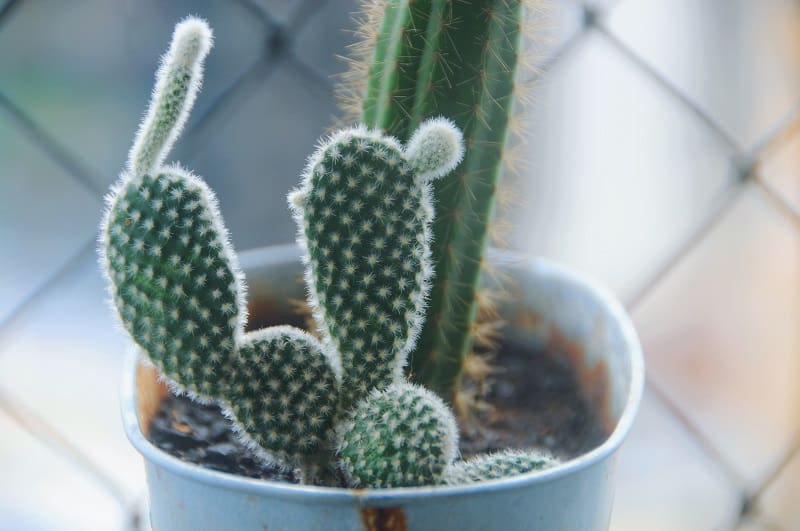
A stark reminder of what happens when a cactus is denied the light it craves. But with the right care, recovery is possible.
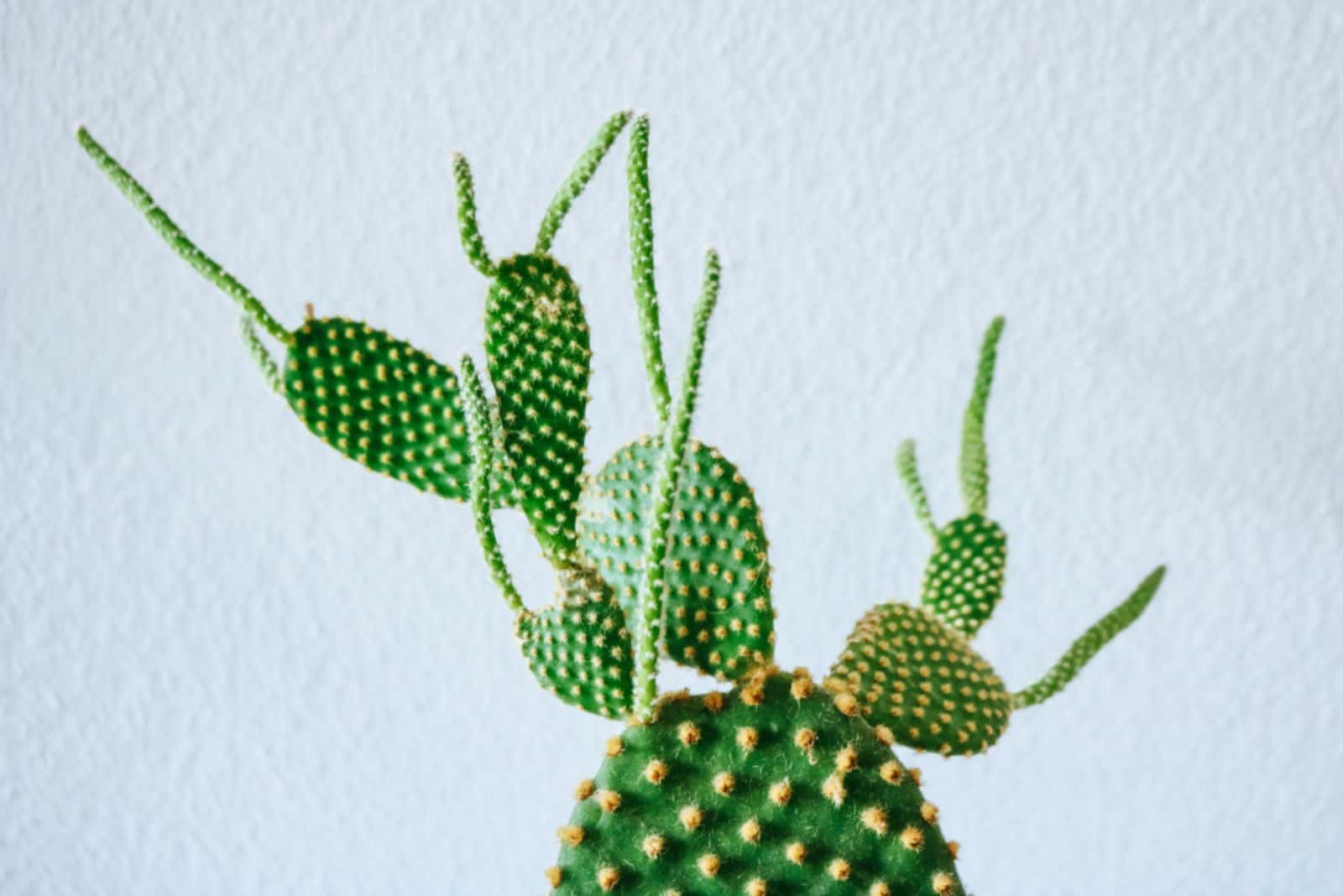
Even the subtlest changes in a cactus’s structure can signal the onset of etiolation. Catching it early makes all the difference.
FAQ
What is cactus etiolation?
Cactus etiolation is a condition where the plant stretches towards light due to inadequate lighting conditions, resulting in elongated growth.
How can I tell if my cactus is etiolated?
Look for signs such as excessive stem elongation, sparse spines, and loss of vibrant color.
What lighting is best for preventing etiolation?
Direct sunlight or high-quality LED grow lights positioned close to the plant are optimal for preventing etiolation.

Leave a Reply