
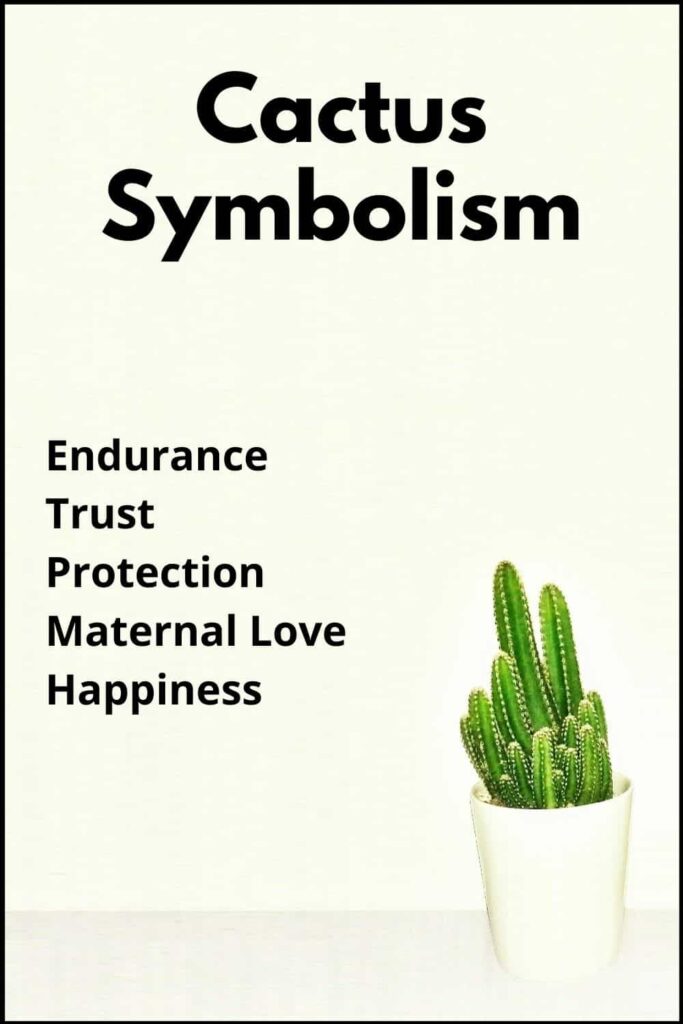
Short Answer
The cactus, a sentinel of the arid expanse, is far more than a mere survivor of the desert’s merciless glare. Its spines, sharp as whispered secrets, and its blossoms, radiant as fleeting passions, weave a tapestry of symbolism that transcends cultures and epochs. Among its many meanings, the cactus flower stands as a profound emblem of love—complex, resilient, and often misunderstood. This article embarks on a journey through the multifaceted symbolism of cactus flowers in the context of love, exploring their historical roots, cultural interpretations, and the nuanced emotions they evoke. Whether you’re a romantic at heart, a symbolism enthusiast, or simply curious about the hidden language of flora, prepare to uncover the thorny yet tender heart of this desert icon.
The Cactus Flower: A Paradox of Thorns and Tenderness
The cactus flower is a marvel of nature’s duality, blooming in hues that defy the harshness of its environment. Its petals, delicate and ephemeral, unfurl only under the cover of night or the first light of dawn, a fleeting spectacle that mirrors the transient nature of love itself. The contrast between the cactus’s spiny exterior and its vibrant blossoms is a poignant metaphor for love’s ability to thrive in adversity. Just as the cactus stores water to endure drought, love, too, must adapt and persist through life’s barren seasons. This paradox is not lost on poets and philosophers, who have long drawn parallels between the cactus’s resilience and the endurance of human affection.
In many indigenous traditions, the cactus flower symbolizes a love that is both protective and passionate. Its thorns, often seen as a barrier, are reinterpreted as a shield guarding the purity of affection. The flower’s nocturnal bloom, a phenomenon known as nyctinasty, further deepens its association with love’s mysteries—unseen by the casual observer, yet profoundly felt by those who seek it. This interplay of visibility and concealment invites us to reflect on the layers of love, from the overt to the deeply private, and the courage required to nurture such connections.

Historical and Cultural Echoes of Love in Cactus Symbolism
The cactus has been a silent witness to human history, its symbolism etched into the myths and rituals of civilizations across the Americas. For the ancient Aztecs, the cactus was sacred, a gift from the gods that embodied both sustenance and spiritual devotion. The maguey cactus, in particular, was revered for its ability to produce pulque, a fermented drink associated with love and fertility. The Aztecs believed that the cactus flower represented the fleeting yet potent nature of love, a force that could intoxicate the heart as surely as pulque did the mind.
In Mexican folklore, the cactus flower is often linked to the legend of the Flor de Nochebuena, or poinsettia, which blooms in vibrant red during the Christmas season. This flower, though not a true cactus, shares the cactus’s resilience and is said to symbolize the love of the Virgin Mary for the Christ child. The cactus’s role in such narratives underscores its enduring connection to themes of devotion, sacrifice, and the cyclical nature of love. Even in modern times, the cactus flower remains a popular motif in art and literature, its symbolism evolving to reflect contemporary understandings of love—from the romantic to the platonic, the enduring to the ephemeral.
The Language of Cactus Flowers: A Floral Lexicon of Love
Flowers have long spoken a silent language, and the cactus flower is no exception. In the Victorian era, when flowers were used to convey messages without words, the cactus flower was often associated with endurance and warmth. A bouquet of cactus flowers might be given to express a love that is steadfast and unyielding, capable of weathering any storm. Its spiny exterior, when paired with its delicate bloom, could also signify a love that is both protective and tender—a reminder that even the toughest hearts can harbor profound affection.
Different species of cactus flowers carry their own unique messages. The Saguaro cactus, native to the Sonoran Desert, produces a creamy-white flower that symbolizes purity and longevity in love. Its slow growth and late blooming (often not until the cactus is 75 years old) reflect the idea that true love is a journey, not a destination. The Prickly Pear cactus, with its vibrant yellow or red flowers, is often linked to passion and warmth, its sweet fruit a metaphor for the sweetness that can emerge from even the most challenging relationships. Meanwhile, the Christmas Cactus, with its cascading blooms, represents enduring love that persists through time and adversity.
Cactus Flowers in Art and Literature: Love’s Thorny Muse
The cactus flower has inspired artists and writers for centuries, its striking imagery serving as a canvas for exploring love’s complexities. In Georgia O’Keeffe’s iconic paintings, the cactus flower is magnified to reveal its intricate details, transforming it into a symbol of both sensuality and vulnerability. O’Keeffe’s work often blurs the line between the organic and the abstract, inviting viewers to see the cactus flower not just as a plant, but as a metaphor for the human experience of love—beautiful yet formidable, delicate yet enduring.
Literature, too, has embraced the cactus flower as a symbol of love’s paradoxes. In Sandra Cisneros’ The House on Mango Street, the cactus is a recurring motif, representing the strength and resilience of women navigating love and loss. The cactus’s ability to thrive in harsh conditions mirrors the characters’ struggles, while its flowers symbolize moments of beauty and hope amidst hardship. Similarly, in Pablo Neruda’s poetry, the cactus flower becomes a metaphor for love’s ability to flourish in unexpected places, its thorns a reminder of the pain that often accompanies deep affection.
Cultivating Love Like a Cactus: Lessons from the Desert
The cactus teaches us that love, like a desert bloom, requires patience, care, and an acceptance of its thorny nature. To cultivate a love that mirrors the cactus’s resilience, one must embrace both its beauty and its challenges. The cactus does not rush its growth; it waits for the right moment to bloom, teaching us that love, too, cannot be forced. It thrives in conditions that would wither other plants, a testament to the idea that love can flourish even in the most barren of circumstances.
This lesson is particularly relevant in modern relationships, where instant gratification often overshadows the value of endurance. The cactus flower reminds us that love is not about quick fixes or fleeting passions, but about nurturing something that can withstand the test of time. It encourages us to tend to our relationships with the same care we would give to a desert garden—watering them when necessary, protecting them from harm, and allowing them the space to grow at their own pace. In doing so, we honor the true essence of love: a force that is both tender and tenacious, fragile and unbreakable.
Rituals and Traditions: Honoring Love with Cactus Flowers
Across cultures, rituals involving cactus flowers have emerged as ways to celebrate and honor love. In some Latin American traditions, cactus flowers are used in wedding ceremonies, their presence a blessing for a marriage that is as enduring as the desert itself. The flowers are often woven into garlands or placed on altars, their vibrant colors symbolizing the joy and passion of the union. In Native American cultures, cactus flowers are sometimes used in healing rituals, their symbolism of love and resilience believed to bring strength to relationships.
For those seeking to incorporate cactus flowers into their own love rituals, there are countless possibilities. Planting a cactus together can be a metaphor for nurturing a relationship, watching it grow and bloom over time. Gifting a cactus flower—whether in art, poetry, or a living plant—can convey a message of enduring love. Even simply observing the cactus’s nocturnal bloom can serve as a reminder of love’s quiet, persistent beauty, a moment of reflection in a world that often prioritizes speed over depth.

The cactus flower, with its thorns and blossoms, is a testament to love’s ability to thrive in the most unlikely of places. It challenges us to see beauty in adversity, to find strength in vulnerability, and to embrace the journey of love with patience and courage. Whether as a symbol in art, a motif in literature, or a living reminder in our gardens, the cactus flower invites us to explore the depths of our own hearts and the connections we forge within them. In its silent, spiny way, it whispers a truth as old as time: that love, like the desert bloom, is worth waiting for.
FAQ
What do cactus flowers symbolize?
Cactus flowers symbolize love, resilience, and the paradox of beauty and hardship.
How are cactus flowers used in cultural rituals?
Cactus flowers are often used in wedding ceremonies and healing rituals, symbolizing enduring love and resilience.



Leave a Reply