
Short Answer
What if I told you that some of the most fascinating botanical wonders on Earth spend their entire lives masquerading as inanimate stones? Meet the Ariocarpus—nature’s master of disguise, a genus of cacti so adept at camouflage that they’ve earned the poetic moniker “living rocks.” These botanical enigmas don’t just challenge our perceptions of plant life; they invite us into a world where resilience meets artistry, where survival hinges on the art of invisibility. But how do we bring these cryptic marvels into the classroom? How do we transform a humble cactus into a gateway for curiosity, critical thinking, and perhaps even a touch of rebellion against the ordinary?
The Allure of the Living Rock: Why Ariocarpus Captivates Minds
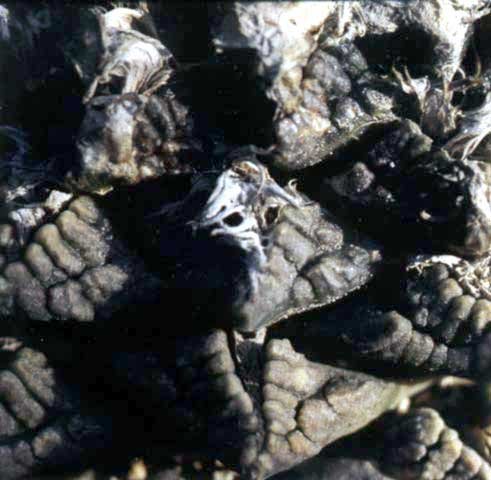
Imagine a classroom where students first encounter Ariocarpus not as a plant, but as a riddle. A single glance at its stony exterior—grooved, fissured, and unassuming—elicits a chorus of “Is it real?” or “Is it even alive?” This is where the magic begins. The Ariocarpus genus, native to the arid landscapes of Mexico and Texas, has evolved over millennia to mimic the very rocks among which it grows. Its survival strategy is a masterclass in evolutionary ingenuity: blend in so thoroughly that predators pass it by, and moisture-seeking grazers never suspect a meal.
Yet, beneath that rugged facade lies a world of complexity. Ariocarpus species like *Ariocarpus fissuratus* (the “living rock” cactus) and *Ariocarpus kotschoubeyanus* (the “purple-tinged stone”) are not mere impostors. They are living archives of adaptation, their slow growth rates and deep taproots speaking to a tenacity that defies the harshest desert conditions. For students, this duality—beauty and brutality, stillness and sentience—creates a cognitive dissonance that sparks deeper inquiry. How does a plant “decide” to become a rock? What trade-offs does such a lifestyle demand? These questions alone can propel a lesson from passive observation to active exploration.

Breaking the Stone: Designing Engaging Lessons Around Ariocarpus
Teaching about Ariocarpus isn’t just about showing pictures of spiky, stone-like plants. It’s about crafting an experience that dismantles preconceived notions of what a plant *should* look like. Start with a provocative prompt: “If a cactus could wear a disguise, what would it choose?” Let students sketch their answers—perhaps a mimic octopus of the plant world, blending into bark or sand. Then, reveal the Ariocarpus. The gasps of surprise are guaranteed.
From there, structure the lesson around three pillars: observation, experimentation, and extrapolation. Begin with close-up examinations of Ariocarpus images or, if possible, live specimens. Challenge students to document textures, colors, and patterns using scientific illustration techniques. Next, introduce the concept of mimesis—the biological strategy of imitation—and ask them to brainstorm other examples in nature (think leaf-tailed geckos or orchids that resemble female insects). Finally, extrapolate: How might humans apply these principles? Could camouflage clothing or adaptive architecture draw inspiration from Ariocarpus? The goal is to move from “What is this?” to “What can we learn from this?”
The Thorny Challenge: Addressing Misconceptions and Ethical Questions
Of course, no lesson on Ariocarpus would be complete without confronting the thorny issues it presents. First, there’s the matter of overcollection. These slow-growing cacti are often poached from the wild, their rarity making them prized trophies for unscrupulous collectors. In the classroom, this opens a vital dialogue about conservation ethics. How do we balance scientific curiosity with ecological responsibility? Should schools even display wild-collected specimens, or is there a moral imperative to use cultivated or synthetic alternatives?
Then, there’s the question of cultural appropriation. Ariocarpus, particularly *Ariocarpus fissuratus*, has been colloquially dubbed “false peyote” due to its historical use in indigenous rituals. While the plant itself isn’t psychoactive, its name carries weighty associations. Teachers must tread carefully here, ensuring that discussions about its cultural significance are respectful and historically accurate. Invite local indigenous perspectives if possible, or collaborate with ethnobotanists to provide context. The goal isn’t to shy away from complexity but to navigate it with nuance.
From Classroom to Community: Extending the Lesson Beyond School Walls
The true power of teaching about Ariocarpus lies in its potential to ripple outward. Consider a citizen science project where students document Ariocarpus sightings in their region (or track online reports of illegal trade). Partner with local botanical gardens to propagate cultivated Ariocarpus for educational displays, reducing demand for wild specimens. Or host a “Mimicry Fair,” where students design their own biological imposters—plants, animals, or even fungi—that thrive through deception.
For older students, delve into the philosophy of camouflage. How does mimicry challenge our notions of authenticity? Is a “living rock” still a rock if it’s alive? These questions bridge biology and metaphysics, encouraging interdisciplinary thinking. Alternatively, explore the artistic legacy of Ariocarpus. From surrealist paintings to contemporary installations, its stony visage has inspired creators for centuries. Challenge students to reinterpret the plant through their own creative lenses—photography, poetry, or even fashion design.
Conclusion: The Living Rock as a Metaphor for Resilience
In the end, Ariocarpus is more than a botanical curiosity; it’s a metaphor for resilience, adaptability, and the quiet power of blending in to stand out. By bringing these “living rocks” into the classroom, we’re not just teaching about cacti. We’re teaching students to question, to observe, and to find wonder in the unlikeliest of places. We’re showing them that the most extraordinary lessons often wear the most ordinary disguises.
So the next time you see a stone, pause. Could it be watching you back?
FAQ
What is Ariocarpus?
Ariocarpus is a genus of cacti known for its unique ability to resemble stones, earning it the nickname ‘living rocks.’
How can Ariocarpus be used in education?
Ariocarpus can be used to teach concepts of adaptation, camouflage, and conservation ethics through engaging classroom activities.
FAQ
What is Ariocarpus?
Ariocarpus is a genus of cacti known for their stone-like appearance, often referred to as ‘living rocks’ due to their camouflage in natural habitats.
How can Ariocarpus be used in education?
Ariocarpus can be used to teach concepts of adaptation, conservation, and critical thinking through engaging lesson plans that encourage observation and exploration.


Leave a Reply