
Short Answer
Imagine stepping into a sun-drenched desert landscape, where the air hums with the quiet resilience of life in its most unexpected forms. Among the shifting sands and rocky outcrops, cacti stand as silent sentinels—each species a masterpiece of evolutionary ingenuity, each spine a testament to survival against the odds. A Cactus Identification Workshop isn’t just a lesson in botany; it’s an invitation to decode the language of the desert, to uncover the hidden stories etched into every rib and areole. Whether you’re a budding botanist, an eco-conscious traveler, or simply someone enchanted by the stark beauty of arid ecosystems, this workshop promises to transform the way you see these prickly wonders.
The Art of Observation: Mastering the Basics of Cactus Morphology
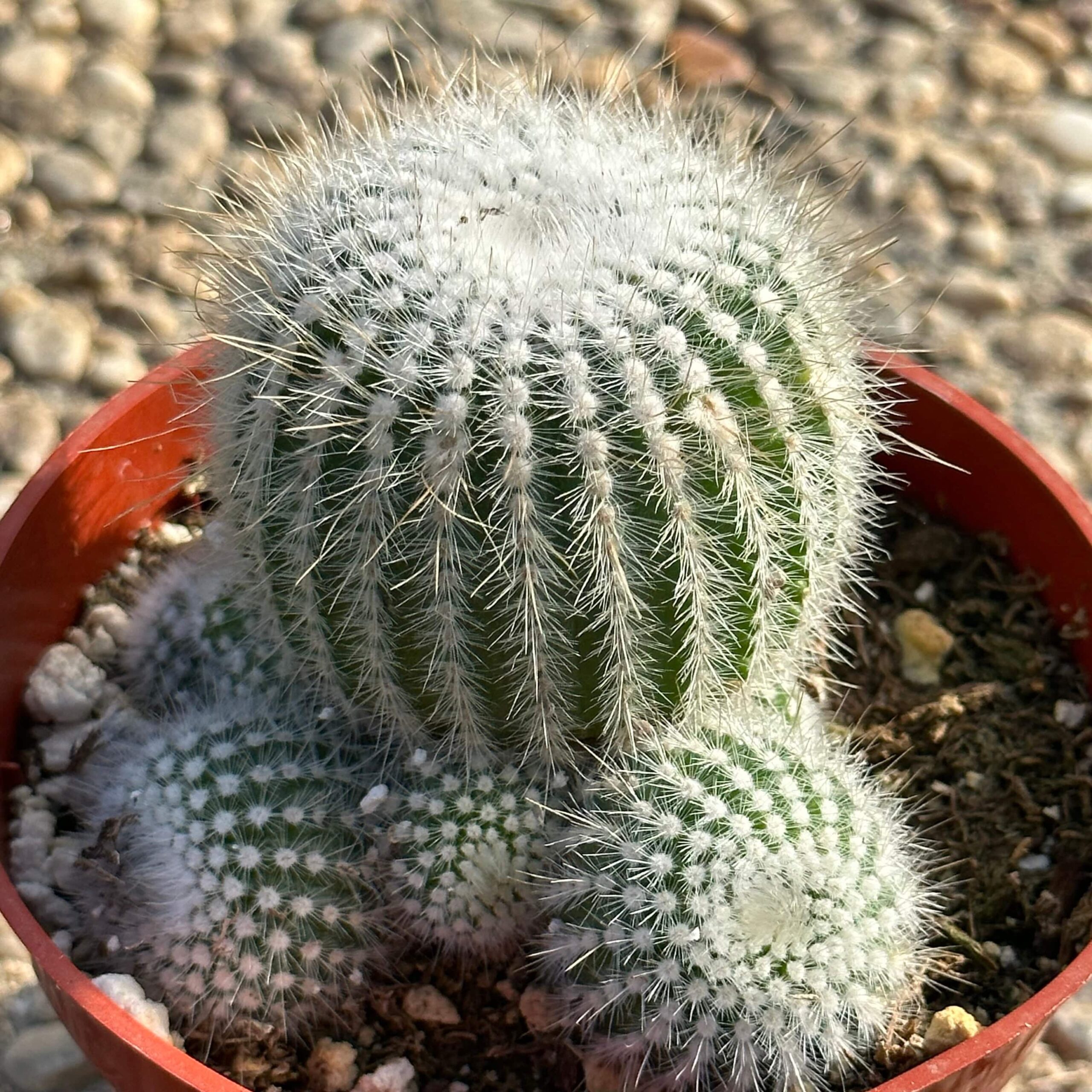
Before diving into the vibrant world of cactus genera, it’s essential to train the eye to recognize the subtle—and not-so-subtle—features that distinguish one species from another. The workshop begins with a deep dive into cactus morphology, where terms like areoles, glochids, and cephaliums become part of your vocabulary. You’ll learn to spot the difference between a ribbed cactus, like the stately Carnegiea gigantea, and a globular one, such as the diminutive Mammillaria. The texture of the epidermis—whether smooth, waxy, or covered in a powdery bloom—can reveal clues about a cactus’s native habitat and its adaptations to conserve water. Even the arrangement of spines, from the fierce radials of the Ferocactus to the delicate, hair-like bristles of the Mammillaria elongata, tells a story of survival strategies honed over millennia.
Hands-on activities will guide you through sketching and photographing cacti, emphasizing the importance of phenotypic plasticity—how the same species can vary dramatically in appearance based on environmental conditions. You’ll compare juvenile and mature forms, noting how some cacti, like the Echinocactus grusonii, transform from soft, spineless seedlings into formidable, golden-spined adults. This foundational knowledge sets the stage for deeper exploration, ensuring that every glance at a cactus becomes an act of recognition rather than mere observation.

From Desert Floor to Canopy: Exploring Cactus Habitats and Ecological Niches
The diversity of cacti isn’t just a feast for the eyes—it’s a reflection of the incredible adaptability of these plants across biomes and microclimates. This section of the workshop transports you from the Sonoran Desert’s saguaro-studded valleys to the misty highlands of the Andes, where Tephrocactus species cling to rocky slopes. You’ll explore how cacti have evolved to thrive in xeric (dry) environments, from the fog-catching Espostoa in Peru’s coastal deserts to the frost-resistant Oreocereus in the Andean punas. Interactive maps and 3D terrain models will illustrate the altitudinal zonation of cactus habitats, revealing how temperature, humidity, and soil composition dictate which genera dominate a region.
But cacti aren’t solitary survivors—they’re keystone species in their ecosystems. The workshop highlights their mutualistic relationships, such as the symbiotic dance between the Saguaro and its pollinators, or the role of Opuntia in providing shelter for desert rodents and birds. You’ll also examine the darker side of cactus ecology, including the threats posed by invasive species like the Pereskia aculeata, which outcompetes native flora. Through case studies of threatened genera like Pediocactus and Sclerocactus, you’ll grasp the urgency of conservation efforts and the delicate balance of these arid ecosystems.
Spines, Flowers, and Fruits: The Seasonal Life Cycle of Cacti
Cacti are not static sculptures of the desert—they are dynamic organisms with phenological rhythms that shift with the seasons. This segment peels back the layers of their life cycle, from the ephemeral blooms of spring to the succulent fruits that follow. You’ll dissect the anatomy of a cactus flower, marveling at the intricate structures that attract pollinators, from the bat-pollinated Leptocereus to the hummingbird-favored Echinopsis. Hands-on dissections will reveal the ovary position in different genera, a key identifier for classification.
The workshop also delves into the dormancy strategies of cacti, where some species, like the Lophophora williamsii, enter a state of suspended animation during droughts, only to burst back to life with the first rains. You’ll learn to predict flowering times based on environmental cues, a skill that’s invaluable for both cultivation and wild observation. For those interested in ethnobotany, the session will touch on the cultural significance of cactus fruits, from the prickly pear harvests of Mexico to the fermented beverages made from Hylocereus in Southeast Asia.
Hands-On Identification: Tools and Techniques for the Aspiring Cactophile
Theory is only half the battle—true mastery comes from putting knowledge into practice. This practical segment equips you with a toolkit for cactus identification, blending traditional methods with modern technology. You’ll practice using dichotomous keys, the botanical equivalent of a choose-your-own-adventure story, to narrow down genera based on spine patterns, flower morphology, and growth habits. For those who prefer digital aids, the workshop introduces AI-powered plant identification apps and how to cross-reference their results with field guides like Cacti of the United States and Canada.
Field exercises will challenge you to identify cacti in their natural—or cultivated—habitats, using clues like stem shape, root structure, and seed morphology. You’ll also learn to create your own field notebook, documenting observations with sketches, pressed specimens (where ethical and legal), and GPS coordinates. For the tech-savvy, the workshop covers how to contribute to citizen science projects like iNaturalist, turning your observations into data that supports global biodiversity research.
Cultivation and Care: Bringing the Desert into Your Home
Not everyone has access to a desert, but that doesn’t mean you can’t cultivate a thriving cactus collection. This section is a comprehensive guide to cactus husbandry, tailored to both beginners and experienced growers. You’ll learn the secrets of well-draining substrates, from the classic grit-and-soil mix to innovative alternatives like pumice and coconut coir. The workshop debunks myths about watering—did you know that overwatering is the leading cause of cactus death?—and teaches you to read the signs of stress, from wrinkled stems to discolored spines.
For those eager to propagate their own cacti, the session includes step-by-step tutorials on grafting, offset removal, and seed germination. You’ll explore the art of bonsai-style cactus cultivation, where species like Mammillaria hahniana are trained into miniature landscapes. The workshop also addresses common pests, from the dreaded mealybugs to the sneaky spider mites, and offers organic, eco-friendly solutions to keep your plants healthy without harming the environment.
Ethics and Stewardship: Responsible Engagement with Cactus Communities
With great knowledge comes great responsibility. This final section is a call to action, urging participants to engage with cacti—and the communities that depend on them—ethically and sustainably. You’ll explore the legal frameworks surrounding cactus collection, from the CITES regulations that protect endangered species to the importance of sourcing plants from reputable nurseries rather than wild populations. The workshop highlights the cultural appropriation risks of commodifying indigenous cactus knowledge, emphasizing the need to respect and uplift the voices of Native botanists and traditional ecological knowledge holders.
Participants will leave with a personal stewardship pledge, outlining commitments to conservation, education, and advocacy. Whether it’s joining a local cactus and succulent society, supporting habitat restoration projects, or simply sharing your newfound knowledge with others, this workshop ensures that your journey into the world of cacti is as enriching for the planet as it is for you.
FAQ
What is the purpose of the Cactus Identification Workshop?
The workshop aims to educate participants on recognizing different cactus genera through observation and hands-on activities.
What will participants learn about cactus habitats?
Participants will explore the adaptability of cacti across various biomes and their ecological roles in desert ecosystems.


Leave a Reply