
Short Answer
In the vast, sun-drenched landscapes where cacti reign as silent sentinels, the Mammillaria genus stands out with its diminutive yet magnetic allure. Often referred to as the pincushion cactus, these globular wonders are more than just botanical curiosities—they are living emblems of resilience, nurturing energy, and the quiet strength found in nature’s smallest packages. With their dense clusters of spines and delicate, crown-like blooms, Mammillaria species whisper ancient stories of endurance and care, making them a beloved choice for both novice gardeners and seasoned botanists alike. Whether adorning a windowsill or thriving in a desert garden, these cacti carry a symbolism that transcends their prickly exterior, offering lessons in patience, protection, and the gentle art of nurturing.
The Pincushion Cactus: A Botanical Paradox of Softness and Strength
The Mammillaria cactus, with its spherical or cylindrical form, is a masterclass in contradiction. Its exterior is a fortress of spines—sharp, dense, and unyielding—yet within this armored shell lies a core of surprising tenderness. The spines, far from being mere defensive mechanisms, serve as a microclimate regulator, casting delicate shadows that shield the plant from the scorching sun while allowing just enough light to fuel its growth. This duality mirrors the human experience: the outer layers we present to the world may be fortified, but it is the soft, nurturing heart beneath that truly defines us.
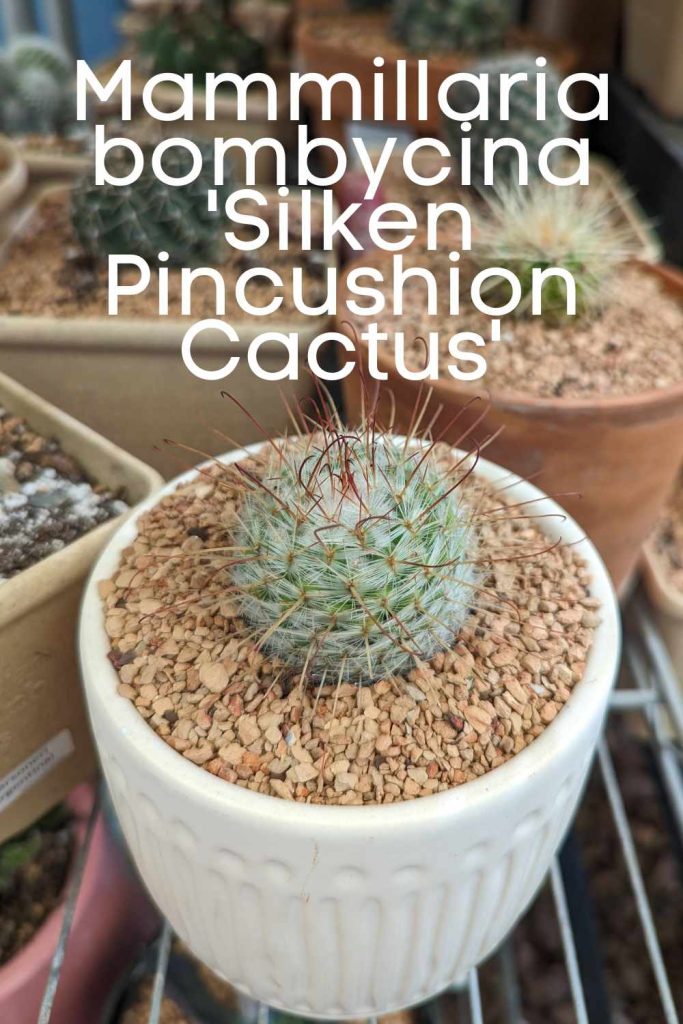
Consider the Mammillaria bombycina, affectionately dubbed the “Silken Pincushion” for its silvery-white spines that shimmer like spun silk. This species epitomizes the paradox of strength and gentleness. Its spines, though formidable, are arranged in such a way that they create a plush, almost velvety texture when viewed up close. It’s as if nature itself has woven a protective cocoon, soft to the touch yet impenetrable to harm. This duality makes the Mammillaria a perfect metaphor for resilience—reminding us that even the most delicate-seeming beings can possess an unbreakable spirit.
Nurturing Energy: The Cactus as a Symbol of Care and Protection
Across cultures and centuries, cacti have been revered as guardians of life in arid environments, their ability to thrive where others wither a testament to their indomitable will. The Mammillaria genus, in particular, embodies this nurturing energy, not just in its survival tactics but in its very presence. These cacti are often found in clusters, their offsets forming tight-knit communities that support one another through shared resources and collective resilience. This communal living is a powerful reminder of the importance of nurturing relationships—of how care, when shared, can create an ecosystem of strength and vitality.
In Mexican folklore, cacti are often associated with protection and healing. The spines, rather than being seen as menacing, are interpreted as a shield against negative energy, a natural ward against harm. The Mammillaria, with its compact size and vibrant blooms, is particularly cherished as a houseplant believed to purify the air and foster a sense of calm. Placing one in a home or workspace is said to invite a steady stream of positive energy, its presence a silent promise of protection and renewal. The act of tending to a Mammillaria—watering it sparingly, ensuring it receives just the right amount of light—becomes a meditative practice, a ritual of care that nurtures both plant and caretaker.
Symbolism in Bloom: The Floral Language of the Pincushion Cactus
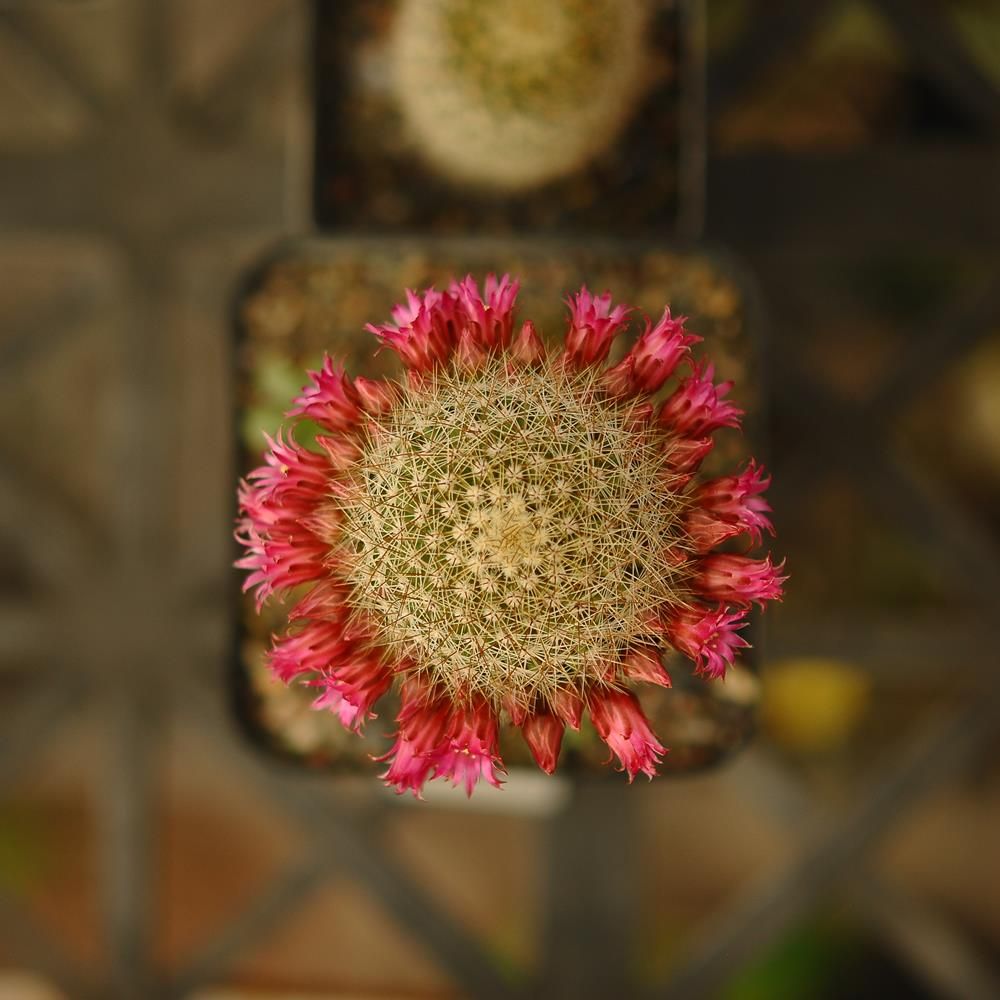
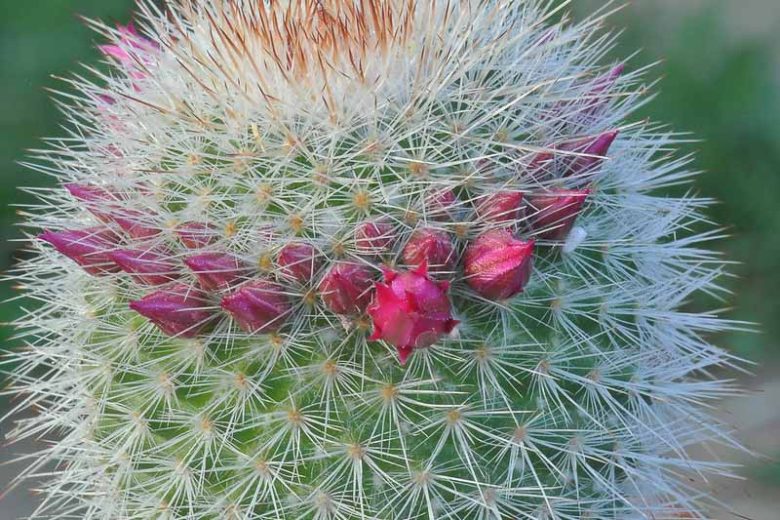
Few sights are as enchanting as a Mammillaria in full bloom. The flowers, often ringed around the crown like a diadem, burst forth in shades of pink, white, or yellow, their delicate petals a stark contrast to the cactus’s spiny exterior. These blooms are not merely decorative; they are a celebration of life’s fleeting yet brilliant moments. In the language of flowers, the Mammillaria’s blossoms symbolize endurance through adversity, the ability to find joy even in harsh conditions, and the quiet triumph of the understated.
Each species of Mammillaria offers a unique floral display, from the starburst of pink petals on Mammillaria spinosissima to the creamy white blooms of Mammillaria elongata. These flowers are a reminder that beauty often thrives in the most unexpected places, that even the smallest acts of growth—whether in a desert or a windowsill—are worthy of celebration. For those who cultivate Mammillaria as a hobby, the annual bloom is a much-anticipated event, a fleeting spectacle that rewards patience and care with a burst of color and life.
The timing of these blooms is equally symbolic. Many Mammillaria species flower in the spring or early summer, a period traditionally associated with renewal and rebirth. This timing reinforces the cactus’s role as a harbinger of hope, a living symbol that even in the driest seasons, life will find a way to flourish. It’s a lesson in perseverance, a gentle nudge to keep going, to trust that growth, no matter how slow, is always possible.
Cultivating Connection: How to Foster a Relationship with Your Pincushion Cactus
Owning a Mammillaria is more than a hobby; it’s an invitation to cultivate a relationship with a living being that thrives on balance and intention. These cacti are not demanding, but they do require a mindful approach to care. They ask for bright, indirect light—a sunlit windowsill or a spot on a patio where they can soak up the sun without being scorched. They crave well-draining soil, a mix that mimics the gritty, mineral-rich earth of their native habitats. And perhaps most importantly, they ask for patience. Overwatering is their greatest enemy, a reminder that sometimes, the best care is the kind that knows when to step back.
For those new to cactus cultivation, the Mammillaria is an ideal teacher. Its compact size makes it easy to care for, while its responsiveness to care—whether it’s a new offset or a burst of blooms—provides immediate feedback. Watching a Mammillaria grow, even incrementally, fosters a sense of connection to the natural world. It’s a practice in mindfulness, a way to slow down and appreciate the small, steady rhythms of life. In a world that often moves at a frenetic pace, the Mammillaria offers a counterpoint: a lesson in slowness, in the beauty of incremental growth, and in the quiet joy of nurturing something that, in turn, nurtures you.

The Pincushion Cactus in Art and Culture: A Timeless Muse
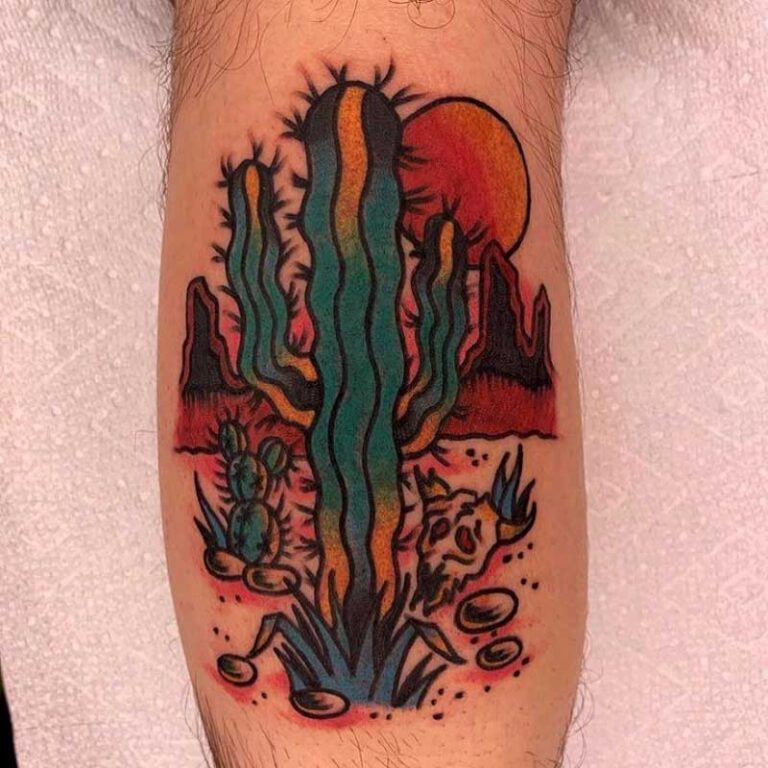
The Mammillaria’s striking appearance has long captivated artists, designers, and storytellers. Its geometric form, with its radial symmetry and textured spines, lends itself beautifully to abstract art and minimalist design. In Mexican folk art, cacti are often depicted in vibrant colors, their spines stylized into intricate patterns that tell stories of resilience and tradition. The Mammillaria, with its crown of flowers, is frequently used as a motif in textiles, pottery, and even tattoo art, symbolizing protection, endurance, and the nurturing power of nature.
Literature, too, has found inspiration in the Mammillaria. Poets and writers often use the cactus as a metaphor for the human condition—its spines representing life’s challenges, its blooms symbolizing moments of triumph. In some Native American traditions, cacti are seen as teachers, their ability to store water in harsh environments a lesson in resourcefulness and adaptability. The Mammillaria, with its dual nature of softness and strength, is a particularly potent symbol in these narratives, embodying the idea that even the most delicate-seeming beings can possess an unyielding spirit.
In modern times, the Mammillaria has found a new audience in the world of succulent collecting. Social media platforms are awash with images of these cacti, their unique forms and vibrant blooms inspiring a global community of enthusiasts. The hashtag #MammillariaMagic, for instance, showcases everything from rare species to creative potting arrangements, proving that this humble cactus has a universal appeal. Its symbolism—rooted in resilience, nurturing, and quiet strength—resonates across cultures, making it a timeless muse for artists and dreamers alike.
Embracing the Pincushion Cactus: A Guide to Mindful Cultivation
To grow a Mammillaria is to embrace a philosophy of mindful living. These cacti teach us to appreciate the beauty of restraint, to find joy in the slow and steady, and to recognize that nurturing energy is not about grand gestures but about consistency and care. Whether you’re a seasoned gardener or a beginner, the Mammillaria offers a rewarding experience—one that goes beyond aesthetics to touch on something deeper.
Start with the right soil: a well-draining mix that mimics the arid conditions of its natural habitat. Choose a pot with drainage holes to prevent waterlogging, and place it in a spot where it can bask in bright, indirect light. Water sparingly, allowing the soil to dry out completely between waterings. During the growing season, a light feeding with a diluted cactus fertilizer can encourage healthy growth and blooming. And when the flowers finally appear, take a moment to appreciate the cycle of care that brought them to life.
The Mammillaria is more than a plant; it’s a companion on a journey of growth and resilience. It reminds us that nurturing energy is not just about giving—it’s about creating the conditions for something beautiful to thrive. In a world that often feels fragmented and fast-paced, the pincushion cactus offers a gentle, steadfast presence. It’s a symbol of what we can become when we embrace both our spines and our softness, our strength and our tenderness. So the next time you see a Mammillaria, take a moment to admire its paradoxical beauty. And consider what lessons it might be whispering to you.
FAQ
What does Mammillaria symbolize?
Mammillaria symbolizes resilience, nurturing energy, and protection, often associated with the ability to thrive in harsh conditions.
How do you care for a Mammillaria cactus?
Mammillaria cacti require bright, indirect light, well-draining soil, and minimal watering to thrive.

Leave a Reply