
Short Answer
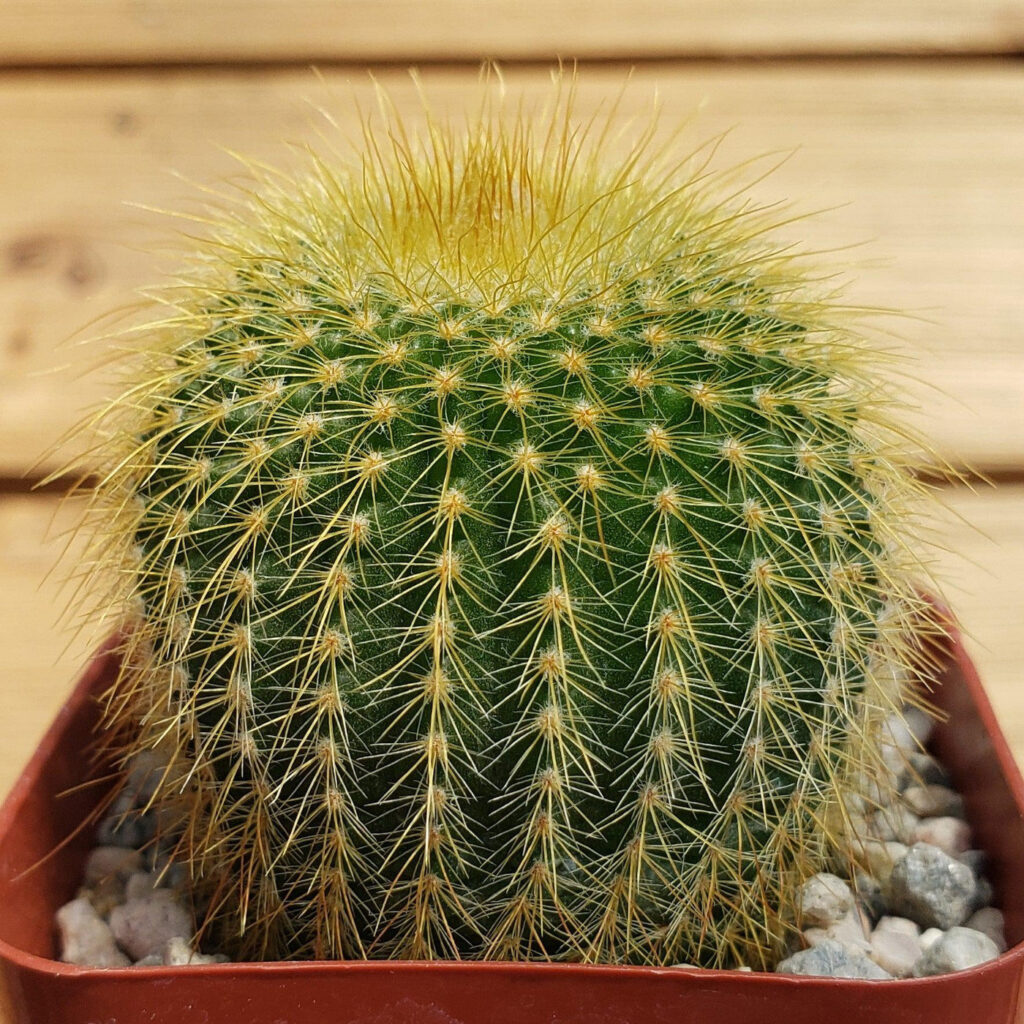
There’s something almost whimsical about the Parodia ball cactus—its globular form, the way its ribs spiral upward like a topographic map of some miniature world, the sudden burst of color when its flowers unfurl. It’s a plant that seems to defy gravity, clinging to life in the harshest of environments while radiating an unmistakable sense of joy. But why does this particular cactus captivate us so deeply? What is it about its spherical silhouette and vibrant blooms that feels like a silent celebration of existence itself?
The Geometry of Happiness: Why the Ball Cactus Charms Us
The Parodia’s near-perfect sphere isn’t just a quirk of nature—it’s a masterclass in evolutionary efficiency. In the arid landscapes where these cacti thrive, minimizing surface area reduces water loss, while the compact shape maximizes internal storage. But there’s more to its allure than mere survival. The sphere is the most stable of all geometric forms, a symbol of resilience that feels almost human. We’re drawn to it because, in a chaotic world, it represents balance. Its symmetry is hypnotic, a visual echo of the harmony we often crave but rarely find. When we gaze upon a Parodia, we’re not just seeing a plant; we’re witnessing a quiet manifesto of endurance, a reminder that joy can persist even in the driest of soils.

The Floral Fireworks: How Color Translates to Emotion
If the ball cactus’s shape whispers stability, its flowers scream vitality. When a Parodia bursts into bloom, it’s as if the desert itself has decided to throw a party. The hues—ranging from electric yellows to deep magentas—aren’t just pigments; they’re emotional triggers. Studies in chromotherapy suggest that warm tones like these can evoke feelings of optimism and energy, which might explain why these cacti feel like little bursts of sunshine in a pot. But the magic doesn’t stop at color. The flowers often emerge in clusters, a communal display that feels like a celebration of togetherness. In a world where individualism often overshadows connection, the Parodia reminds us that joy, too, can be collective.
The Thorns and the Tenderness: Contrasts That Define Us
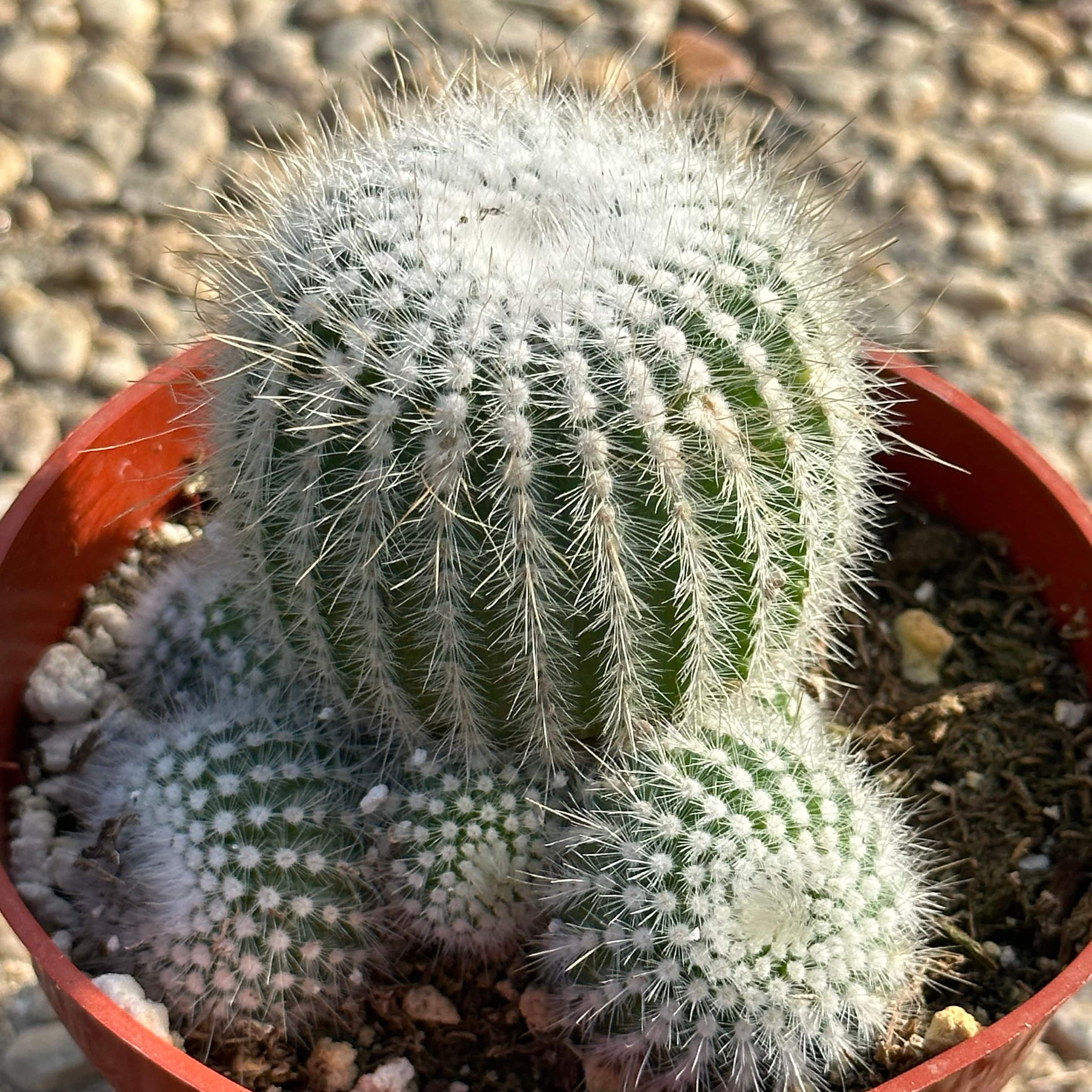
No discussion of the Parodia would be complete without acknowledging its spines. These aren’t mere defensive mechanisms; they’re a paradox—a plant that guards its softness with rigid precision. The spines create a barrier, yet they also cast intricate shadows that dance across the cactus’s surface, turning it into a living sculpture. This duality mirrors something deeply human: the way we armor ourselves while still yearning to be seen. The Parodia doesn’t hide its vulnerability; it frames it. Its thorns don’t diminish its beauty; they amplify it, proving that strength and tenderness aren’t mutually exclusive. In a culture that often pits these traits against each other, the ball cactus offers a refreshing counterpoint.
The Miniature Universe: How Scale Shapes Our Perception
There’s a peculiar intimacy to the Parodia. Unlike towering saguaros or sprawling prickly pears, these cacti are small enough to cradle in your palm. This scale invites us to engage with them on a personal level. When we hold a Parodia, we’re not just observing a plant; we’re participating in its world. The act of tending to one becomes a meditative practice, a way to slow down and appreciate the microcosms that thrive under our care. In an era of digital overload, where everything is either too big or too fast, the Parodia’s diminutive presence is a balm. It teaches us that joy isn’t always found in grandeur—sometimes, it’s in the palm of your hand.
The Symbolism of Survival: Lessons from the Desert
To grow a Parodia is to cultivate a relationship with resilience. These cacti thrive in conditions that would wither most other plants, their roots spreading wide yet shallow, their bodies storing water like a camel’s hump. But their survival isn’t passive; it’s active. They adapt, they conserve, they wait. And when the rains finally come, they don’t just survive—they flourish. This is the essence of the Parodia’s symbolism: the idea that joy isn’t a constant state but a response to adversity. It’s the quiet triumph of a flower pushing through concrete, the stubborn green of a plant in a drought. In a world where burnout is epidemic, the Parodia stands as a botanical testament to the power of patience and persistence.
The Art of Stillness: What the Parodia Teaches Us About Presence
In a society that glorifies hustle, the Parodia embodies the opposite: stillness. It doesn’t rush. It doesn’t demand attention. It simply is. And in its stillness, it offers a rare gift—the permission to slow down. Watching a Parodia grow is a lesson in delayed gratification. The flowers may take years to appear, the offsets may take decades to mature. But when they do, the reward is all the sweeter for the wait. This isn’t just a plant; it’s a metaphor for the things in life worth savoring. The Parodia teaches us that joy isn’t always immediate. Sometimes, it’s the slow unfurling of a bud, the quiet accumulation of years, the quiet triumph of a life well-lived in its own time.
The Parodia as a Mirror: Reflecting Our Own Resilience
Perhaps the deepest reason the Parodia captivates us is because it reflects something within ourselves. We see in its spines the barriers we’ve built, in its flowers the moments of beauty we’ve fought to cultivate, in its slow growth the patience we’ve learned (or are still learning). The Parodia isn’t just a plant; it’s a mirror held up to our own lives. It reminds us that joy isn’t a destination but a way of being—a quiet, persistent, resilient way of being. And in that reflection, we find not just a plant to admire, but a companion on the journey.
FAQ
What is the Parodia ball cactus?
The Parodia ball cactus is a spherical cactus known for its vibrant flowers and ability to thrive in harsh environments.
What does the shape of the Parodia symbolize?
Its spherical shape symbolizes resilience and stability, representing balance in a chaotic world.
Why are the flowers of the Parodia significant?
The flowers represent vitality and joy, evoking positive emotions and a sense of community.





Leave a Reply