
Short Answer
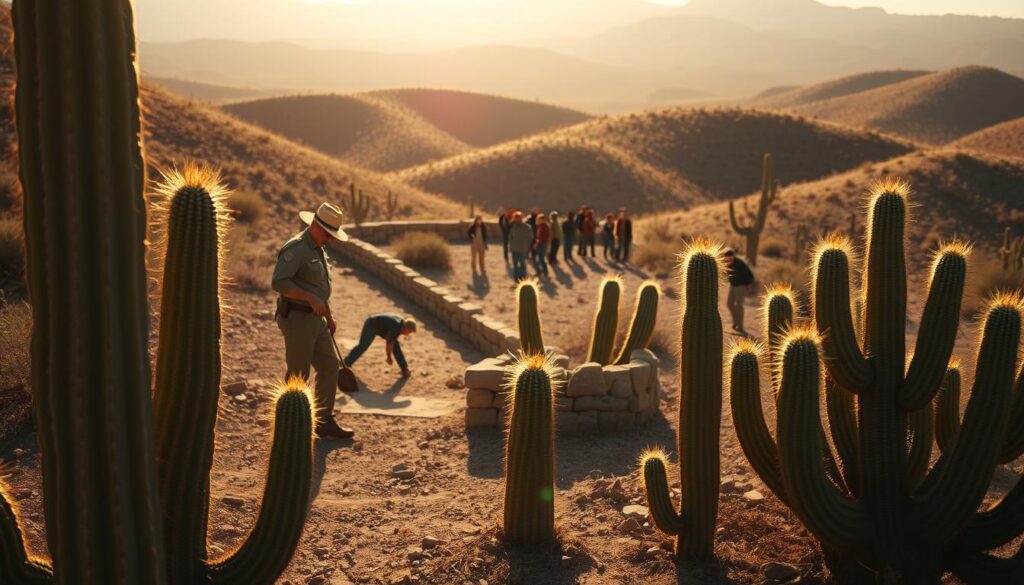
Have you ever paused to admire the stoic resilience of a cactus, standing tall and unyielding in the arid expanse, its spines a fortress against the harshest of deserts? These prickly sentinels, often overlooked in the grand tapestry of biodiversity, are facing an existential crisis. With over a third of cactus species teetering on the brink of extinction, the clock is ticking. But fear not—heroic organizations across the globe are rallying to their defense, armed with science, passion, and a dash of desert ingenuity. Let’s embark on a journey to uncover the top five organizations leading the charge to save these spiky survivors.
The Cactus Conservation Crusade: Why These Prickly Plants Matter
Before we dive into the champions of cactus conservation, let’s pause to ponder: why should we care about these spiky survivors? Cacti are the unsung heroes of their ecosystems, serving as vital water sources for desert wildlife, stabilizing soil to prevent erosion, and even acting as nurseries for fledgling birds. Their decline isn’t just a botanical tragedy—it’s an ecological domino effect waiting to unfold. Yet, despite their ecological importance, cacti face a perfect storm of threats: illegal poaching, habitat destruction, and the relentless march of climate change. The question isn’t whether we can afford to save them—it’s whether we can afford not to.
Enter the guardians of the green. These organizations aren’t just fighting for plants; they’re safeguarding the very soul of desert landscapes. From the sun-scorched plains of the Sonoran Desert to the high-altitude plateaus of the Andes, their work spans continents, cultures, and climates. Each brings a unique blend of expertise, innovation, and sheer determination to the table. So, who are these modern-day desert knights? Let’s meet them.
Organization #1: The Global Cactus Conservation Network – A United Front for Spiky Survivors
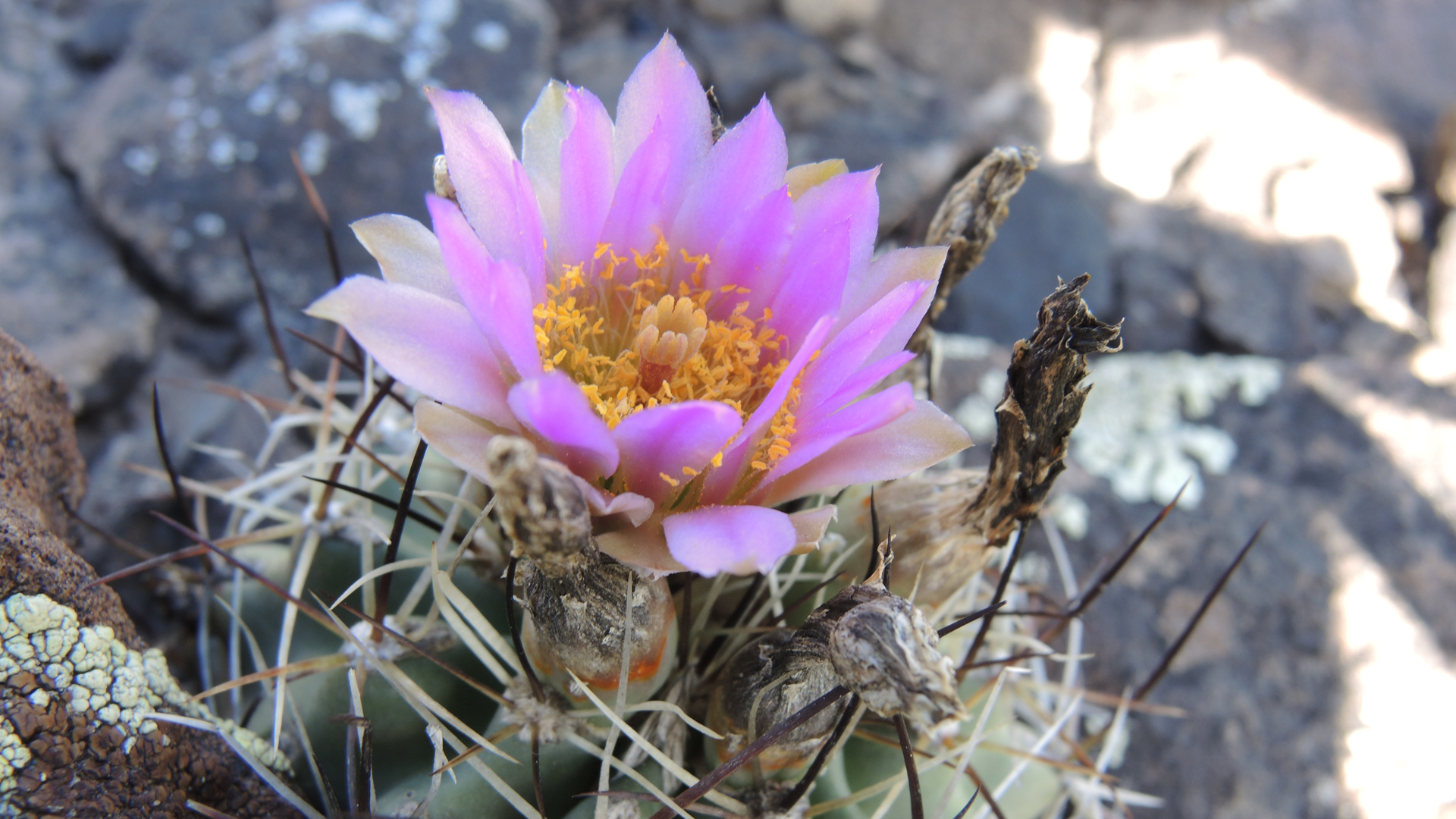
The Global Cactus Conservation Network (GCCN) is the United Nations of cactus conservation—a coalition of scientists, botanists, and local communities united by a single mission: to halt the extinction of cacti worldwide. What sets the GCCN apart is its holistic approach. While many organizations focus on a single species or region, the GCCN casts a wide net, addressing threats from the illegal plant trade to climate-induced habitat loss. Their secret weapon? Data. By harnessing the power of citizen science and cutting-edge research, they’ve created a global database of cactus populations, tracking declines in real-time and deploying rapid-response teams where they’re needed most.
But the GCCN doesn’t just play defense. They’re also pioneers in ex situ conservation, or the art of saving species outside their natural habitats. Through partnerships with botanical gardens and seed banks, they’re preserving genetic diversity like a lifeline for future generations. Imagine a world where the last wild cactus of its kind is safeguarded not in a distant desert, but in a climate-controlled vault, ready to be reintroduced when the time is right. That’s the future the GCCN is fighting for.
Organization #2: Desert Bloom Initiative – Turning Poachers into Protectors
In the shadowy underworld of the illegal plant trade, cacti are prized trophies—stolen from the wild, smuggled across borders, and sold to collectors willing to pay top dollar for a rare specimen. Enter the Desert Bloom Initiative (DBI), a grassroots organization turning the tide against this black-market blight. Their strategy? Education and economic empowerment. By working directly with local communities, DBI teaches sustainable harvesting techniques, ensuring that cacti can be enjoyed without being wiped out. They’ve even launched “cactus adoption” programs, where collectors can sponsor the growth of legally sourced plants, turning poachers into protectors.
Their most audacious project yet? The “Spine for Spine” campaign, which pairs the rescue of endangered cacti with the rehabilitation of former poachers. Imagine a repentant smuggler, now a guardian, carefully replanting a stolen cactus back into the wild. It’s a poetic twist on redemption—one that’s saving species and transforming lives in the process. The DBI’s work proves that conservation isn’t just about science; it’s about changing hearts and minds, one cactus at a time.
Organization #3: The Thorny Trailblazers – Rewilding the Desert One Cactus at a Time
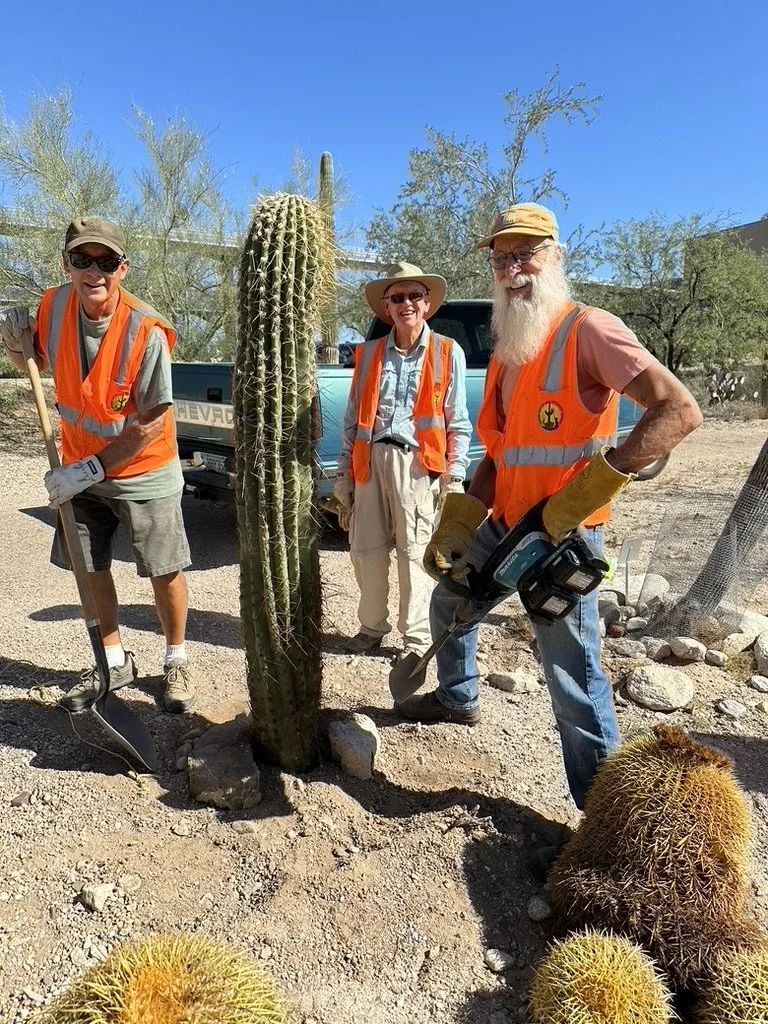
What if the key to saving endangered cacti lies not in captivity, but in the wild? The Thorny Trailblazers (TT) are a band of intrepid ecologists who believe in the power of rewilding. Their mission? To restore degraded desert landscapes by reintroducing cacti to their ancestral homes. But this isn’t a simple case of digging a hole and hoping for the best. The TT employs a meticulous, science-backed approach, analyzing soil health, water availability, and even the behavior of native pollinators to ensure each replanted cactus thrives. Their secret weapon? “Cactus matchmaking.” By studying the symbiotic relationships between cacti and their pollinators, they’ve developed a system to pair species with the perfect partners, maximizing survival rates.
Their flagship project, the “Desert Renaissance,” is a breathtaking testament to what’s possible. In just five years, they’ve transformed a barren stretch of the Mojave Desert into a thriving cactus oasis, teeming with life. The TT’s work is a reminder that conservation isn’t just about stopping the bleeding—it’s about healing the wound and letting the land breathe again.
Organization #4: The Spine Society – Where Art Meets Conservation
Conservation doesn’t always have to be serious—sometimes, it’s a celebration of beauty. The Spine Society is a quirky, creative collective that blends art, science, and activism to raise awareness for endangered cacti. Their weapon of choice? Stunning photography, immersive exhibitions, and even cactus-inspired fashion. By turning these prickly plants into cultural icons, they’ve captured the imagination of millions, from schoolchildren to high-profile celebrities. Their annual “Cactus Gala” is a dazzling affair, where artists, scientists, and conservationists mingle under a canopy of living cacti, all proceeds going toward field research.
But their most innovative project is the “Spine Atlas,” an interactive digital map that lets users explore the world’s rarest cacti through augmented reality. Point your phone at a QR code, and suddenly, a 3D cactus springs to life on your screen, complete with its conservation status and the threats it faces. It’s conservation meets gamification—a way to make saving cacti feel like an adventure, not a chore. The Spine Society proves that sometimes, the most powerful tool in conservation is wonder.
Organization #5: The Root & Thorn Collective – Empowering Indigenous Guardians
In the heart of the Sonoran Desert, where cacti have thrived for millennia, indigenous communities have long been the stewards of these lands. The Root & Thorn Collective (RTC) is a partnership between conservationists and Native tribes, amplifying traditional ecological knowledge to protect endangered cacti. Their approach is rooted in reciprocity: they don’t just take from the land; they give back. Through controlled burns, water harvesting techniques, and sacred seed-saving practices, they’ve revived ancient methods that keep cactus habitats healthy and resilient.
Their most transformative project is the “Seed Sovereignty” initiative, which trains indigenous women as seed keepers. These women, armed with centuries-old wisdom, are now leading the charge to preserve rare cactus seeds, ensuring that future generations will inherit a desert teeming with life. The RTC’s work is a powerful reminder that conservation isn’t just about science—it’s about honoring the deep, spiritual connection between people and the land.
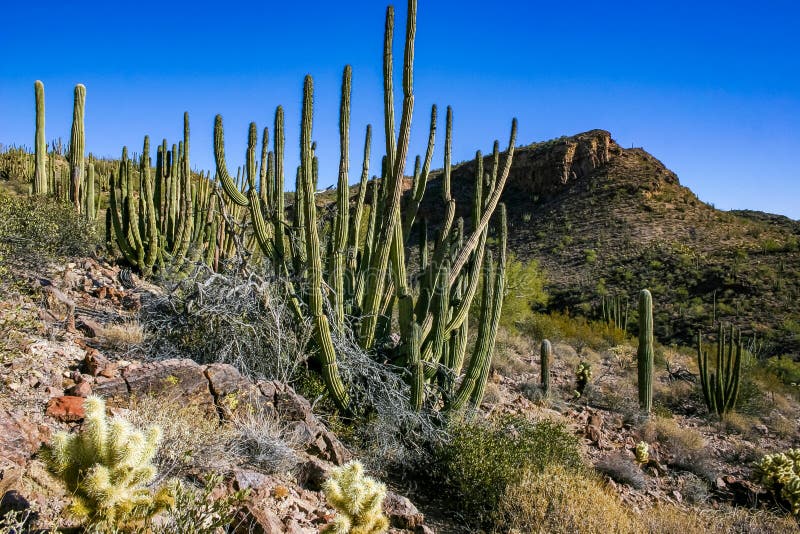
:max_bytes(150000):strip_icc()/__opt__aboutcom__coeus__resources__content_migration__treehugger__images__2015__10__cacti-trade-00833bf1ca9b4f31b41d36ae3c23fa02.jpg)
The Final Bloom: How You Can Join the Fight
The battle to save endangered cacti isn’t just for scientists and activists—it’s a fight we can all be part of. Whether you’re a city dweller with a windowsill cactus or a desert explorer with a passion for prickly plants, there’s a way for you to make a difference. Support these organizations through donations or volunteer work. Choose ethically sourced cacti for your home or garden. Spread the word about the plight of these spiky survivors. And most importantly, never underestimate the power of a single voice. After all, every great conservation movement started with someone asking, “What if we tried?”
So, the next time you see a cactus, don’t just admire its spines—see them as a call to action. Because in the fight to save these desert jewels, every thorn tells a story, and every bloom is a victory worth fighting for.
FAQ
Why are cacti endangered?
Cacti face threats from illegal poaching, habitat loss, and climate change, with many species at risk of extinction.
What role do conservation organizations play?
Conservation organizations work to protect endangered cacti through education, habitat restoration, and community engagement.



Leave a Reply