
Short Answer
Imagine stepping onto your mat, the desert’s untamed spirit whispering through the air. The sun, a golden sentinel, casts long shadows as you breathe in the dry, earthy aroma of sun-baked soil. This is not just a yoga practice—it’s a communion with the resilience of the cactus, a plant that thrives where others wither. Incorporating desert energy into your yoga routine is more than a trend; it’s a transformation. It’s about channeling the cactus’s quiet strength, its ability to store life within its spiny exterior, and its unyielding presence under the harshest skies. Let’s embark on a journey where the arid wisdom of the desert meets the fluid grace of your practice, promising a shift in perspective that will leave you rooted yet unbound.
The Cactus as a Symbol of Resilience: Lessons from the Desert
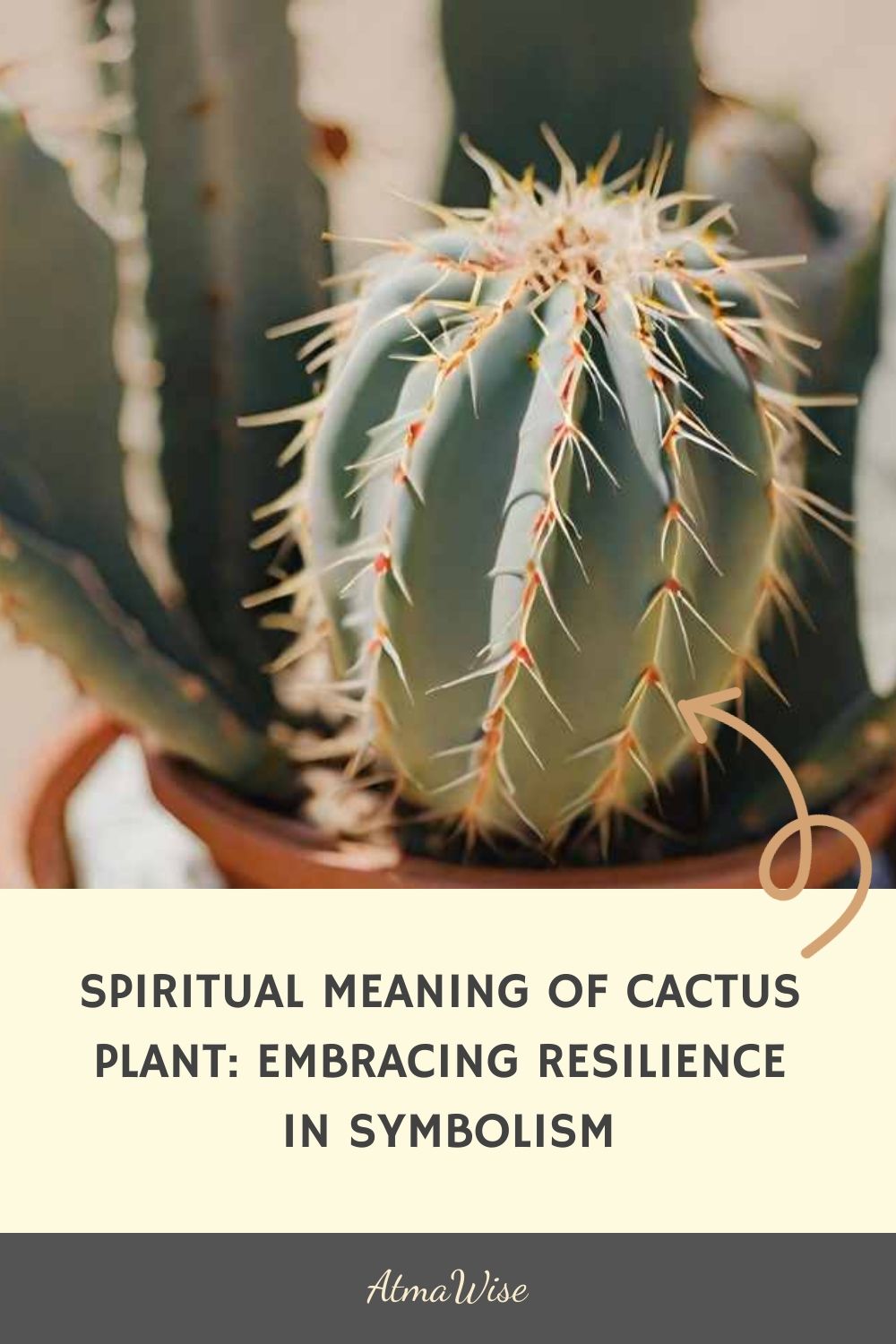
The cactus is a paradox—a plant that defies the odds. In a landscape where water is scarce and the sun is relentless, it not only survives but flourishes. Its thick, waxy skin minimizes water loss, while its shallow yet extensive root system drinks in the rare desert rains. This is the essence of *eutrophic resilience*, the ability to adapt and thrive in conditions that would cripple lesser beings. When you roll out your mat, consider the cactus’s silent endurance. How often do we push ourselves to the brink, only to collapse under pressure? The cactus teaches us that true strength lies not in brute force but in adaptability and patience.
Incorporate this philosophy into your practice by focusing on *pranayama* (breath control) during challenging poses. Imagine your breath as the desert rain, nourishing your body and mind. In poses like Vrksasana (Tree Pose), root down like the cactus’s roots, but allow your branches—your arms—to sway gently, embodying the desert’s dance with the wind. The cactus doesn’t fight the elements; it bends and sways, finding balance in the chaos. Let your practice reflect this harmony.

Desert-Inspired Asanas: Poses That Embody the Cactus’s Spirit
The cactus’s form is a masterclass in geometry and function. Its ribs, spines, and segmented structure offer a blueprint for asanas that cultivate both strength and fluidity. Start with Ustrasana (Camel Pose), a backbend that mirrors the cactus’s upward-reaching arms. As you arch your back, imagine the cactus stretching toward the sky, its spines pointing toward the heavens. Hold the pose, feeling the stretch along your front body, and breathe into the openness of your chest. This is where the desert’s expansive energy enters your practice—wide, unobstructed, and full of potential.
Next, explore Bakasana (Crane Pose), a balance that demands focus and control. The cactus doesn’t waver, even in a storm. Similarly, your practice should cultivate steadiness. Engage your core, lift your heels, and find your balance. The cactus’s spines are sharp, but they are also protective. In your poses, let your strength be your shield—fierce yet gentle, unyielding yet yielding when needed.
For a grounding experience, try Balasana (Child’s Pose) with your arms extended forward, palms down, as if mimicking the cactus’s sprawling arms. Feel the earth beneath you, the solidity of the desert floor. This pose is a reminder that even in stillness, there is growth. The cactus doesn’t rush; it waits. And in that waiting, it becomes.
The Breath of the Desert: Pranayama for a Prickly Practice
The desert air is dry, crisp, and invigorating. It fills the lungs with a clarity that urban life often denies us. To harness this energy, incorporate Sitali Pranayama, a cooling breath technique that simulates the desert breeze. Curl your tongue into a tube (or purse your lips if you can’t curl your tongue) and inhale deeply through your mouth. Feel the air cool your throat and lungs. Exhale through your nose. This practice is not just about cooling the body; it’s about purifying the mind. The desert’s air is clean, untainted by pollution or noise. Let your breath be as pure as the desert sky.
For a more dynamic practice, try Kapalabhati (Skull-Shining Breath), a rapid exhalation that mimics the gusts of wind that sculpt the desert landscape. This breath is energizing, a reminder that the desert is alive with movement, even in its stillness. Use it to ignite your practice, to shake off lethargy, and to embrace the cactus’s fiery spirit.

Creating a Desert Sanctuary: Your Yoga Space as a Cactus Oasis
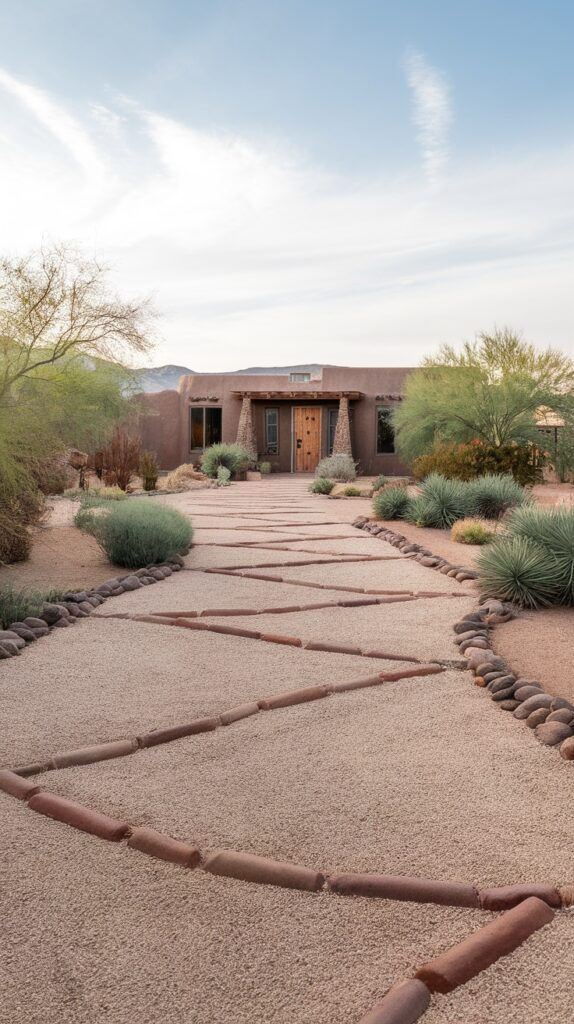
Your yoga space should be a reflection of the desert’s tranquility—a place where the harshness of the outside world melts away, leaving only the essence of resilience and peace. Start by incorporating natural elements. A single cactus plant on a windowsill can anchor the space with its quiet presence. Pair it with smooth stones, a small sand garden, or a piece of driftwood to evoke the desert’s raw beauty. The key is simplicity. The desert doesn’t clutter its landscape with excess; it thrives on the essential.
Lighting plays a crucial role. Soft, warm light mimics the golden hour of a desert sunset, casting a glow that soothes the soul. Avoid harsh, fluorescent lighting. Instead, opt for candles, salt lamps, or string lights that flicker like fireflies in the dusk. The desert is a place of contrasts—light and shadow, heat and coolness, barrenness and abundance. Let your space reflect these dualities. A single cactus in a terracotta pot, surrounded by the muted tones of sand and stone, can transform a room into a sanctuary of stillness.
Sound is another element to consider. The desert is not silent; it hums with the whisper of wind through canyon walls, the distant call of a coyote, the rustle of dry leaves. Play ambient sounds of the desert during your practice—audio tracks of rustling sagebrush, the cry of an eagle, or the gentle patter of rain on sand. These sounds will deepen your connection to the practice, grounding you in the cactus’s world.
The Cactus Mindset: Cultivating Focus and Determination
The cactus doesn’t just survive; it *endures*. It doesn’t seek attention; it commands respect through its quiet presence. This is the mindset we should bring to our practice. When faced with a challenging pose, channel the cactus’s determination. Instead of thinking, “I can’t do this,” reframe it as, “I am learning to endure.” The cactus doesn’t grow overnight. It takes years to reach its full height, and even then, it does so with grace. Your practice is the same. Every pose, every breath, is a step toward mastery.
Use mantras to reinforce this mindset. Repeat phrases like, “I am resilient like the cactus” or “I thrive where others wither” during your practice. Write them on sticky notes and place them around your mat. Let these words seep into your consciousness, becoming as much a part of your practice as the asanas themselves. The cactus doesn’t speak, but its presence speaks volumes. Let your practice do the same.
Finally, embrace the cactus’s philosophy of *slow growth*. In a world obsessed with instant results, the cactus reminds us that true transformation takes time. Celebrate small victories—the first time you hold a balance for five breaths, the first time you sink deeper into a forward fold. These moments are the desert rains that nourish your soul, the quiet triumphs that build resilience.
Closing the Circle: Integrating Desert Energy Beyond the Mat
The cactus’s lessons extend far beyond the yoga mat. In your daily life, embody the cactus’s spirit by embracing challenges with patience and grace. When faced with adversity, ask yourself: How would a cactus handle this? Would it wither, or would it stand tall, spines and all? The desert teaches us that beauty often lies in the unconventional, in the things that endure where others cannot. Carry this energy with you—into your relationships, your work, your creative pursuits. Let the cactus’s resilience be your guide.
As you move through your day, take a moment to pause and breathe. Feel the air filling your lungs, the ground beneath your feet. Remember the cactus, standing sentinel in the desert, unyielding yet adaptable. You, too, are a desert dweller. You, too, are capable of thriving in the harshest conditions. And in that thriving, you will find not just strength, but a profound sense of peace.
So roll out your mat. Light a candle. Breathe in the desert air. The cactus is waiting.
FAQ
How can I incorporate cactus energy into my yoga practice?
Focus on resilience and adaptability during challenging poses, using breathing techniques that mimic the desert environment.
What are some recommended yoga poses inspired by the cactus?
Ustrasana (Camel Pose), Bakasana (Crane Pose), and Balasana (Child’s Pose) are suggested for embodying the cactus's spirit.
Leave a Reply