
Short Answer
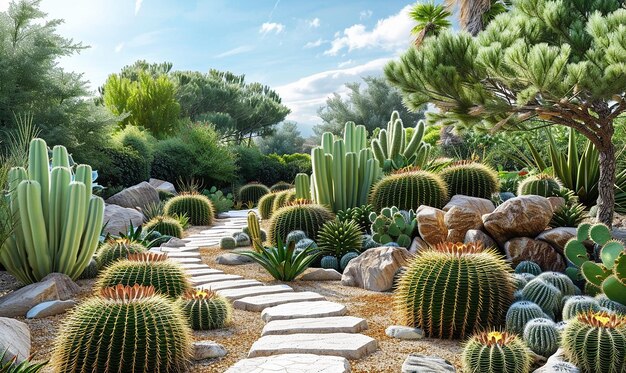
Transforming your garden into a whimsical desert oasis replete with a charming cactus pathway is more attainable than you might imagine. Such a pathway not only adds an arresting visual element but also imbues your outdoor space with a sense of enduring resilience and rugged elegance. With their sculptural silhouettes and fascinating textures, cacti are uniquely suited to guide visitors through your garden, weaving an intimate narrative of nature and design. Dive into this comprehensive guide to discover the nuances of crafting an enchanting cactus pathway that enhances your landscape with personality, color, and sustainable beauty.
Selecting the Perfect Location and Soil Preparation
The foundation of a flourishing cactus pathway begins with discerning the ideal location. Cacti crave sun-drenched environments where they can thrive in warmth and light. Choose a spot that offers at least six hours of direct sunlight daily, avoiding overly shaded or damp areas where moisture might breed rot or fungal diseases.
Beyond sunlight, the soil quality plays a pivotal role. Cacti flourish in well-draining, gritty soil that mimics their natural desert habitat. Begin by excising the existing turf or dense vegetation from the pathway. Next, incorporate a mixture of coarse sand, gravel, and organic matter into the soil to enhance drainage while providing modest nutritional support. Incorporating perlite or pumice further aerates the soil, preventing water stagnation. A raised bed or gently mounded pathway bed amplifies drainage and lends a captivating contour to the pathway.

Choosing the Right Cactus Varieties
Diversifying the cactus palette is crucial in rendering your pathway visually dynamic and ecologically sound. There is a cornucopia of species available, ranging from small globular pincushions to towering columnar giants. Consider blending species to create layers of textures and heights, which invite the eye to wander naturally along the path.
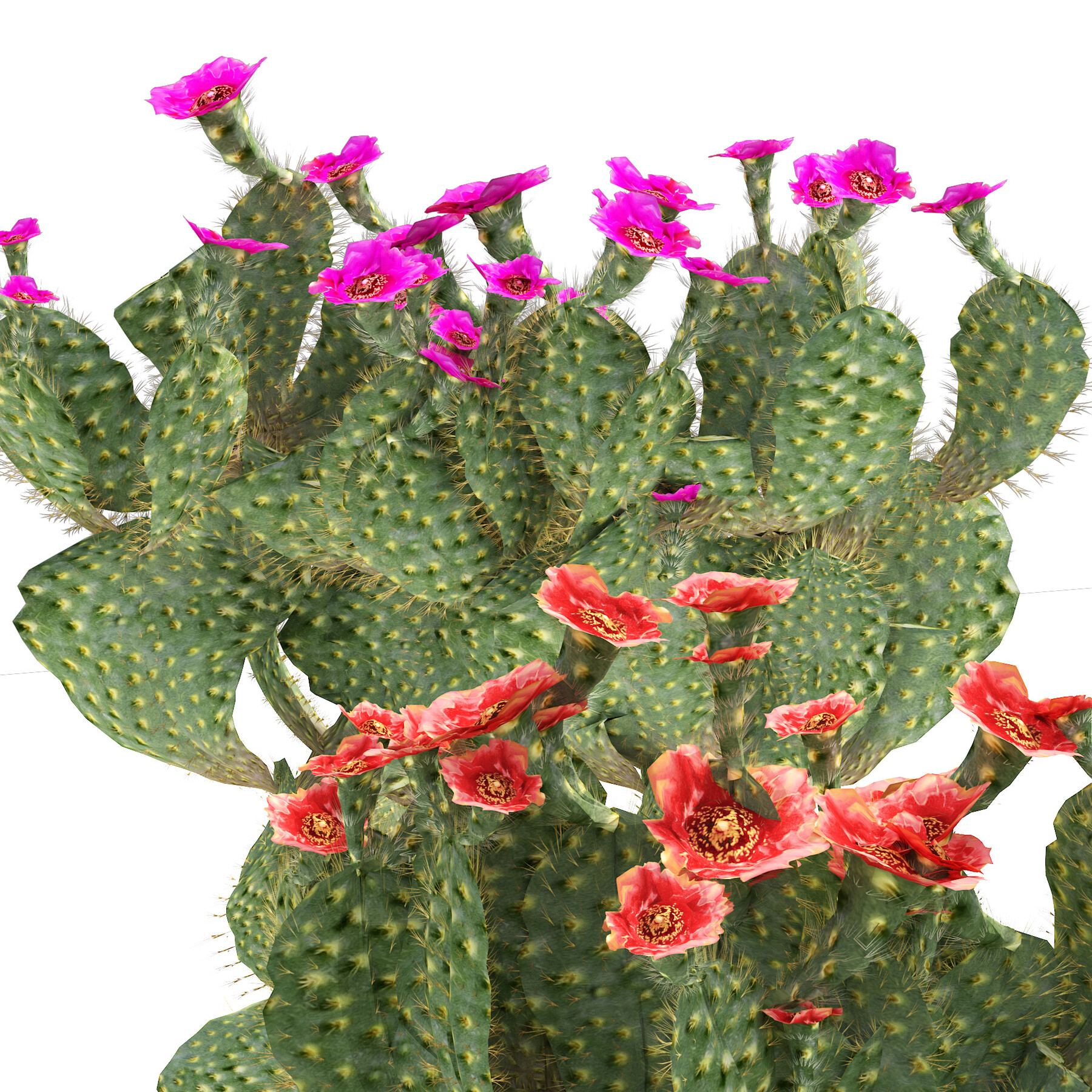
For a low-growing ground cover effect, opt for varieties like Opuntia microdasys (Bunny ears) or Rebutia, whose clustered forms provide lush, cushiony textures. Taller specimens such as Trichocereus and Echinocereus lend vertical drama and structure. Incorporate succulents like agaves or aloes to add leaf variation and color contrast. Keep in mind the mature sizes to give each plant adequate spacing for growth and airflow, curbing overcrowding and promoting health.

Designing the Pathway Layout and Incorporating Stone Elements
Thoughtful design can elevate your cactus pathway from a simple route to an immersive garden journey. Begin by outlining a meandering or gently curving path rather than a rigid straight line. This approach evokes a naturalistic and organic flow, encouraging leisurely exploration.
Stone pathways harmonize enchanting rusticity with functional footing. Select stones that complement the earthy hues of cacti—think sandstone, limestone, or flagstone, laid in irregular patterns to emulate desert terrain. Stones also act as heat absorbers, radiating warmth that benefits the plants during cooler nights.
Place stones strategically, leaving room for cactus clusters and small pebbles between as mulch to suppress weeds while enhancing aesthetics. Employ edging materials such as weathered bricks or metal strips to define the boundary between the cactus beds and the stones, prohibiting encroachment and maintaining neatness.

Planting Techniques and Care Essentials
Planting cacti demands gentle handling and spatial mindfulness. Begin by soaking the roots in water briefly to prepare them for transplant. Dig holes slightly larger than the root ball to avoid compacting the soil, which can inhibit root expansion.
When positioning each cactus, ensure the root crown remains slightly above the soil surface to prevent rot. Backfill carefully with your amended soil mix, pressing moderately for stability. Following planting, water sparingly, allowing several days for roots to settle before the first deep soak.
Maintaining your cactus pathway requires vigilance but is remarkably low-maintenance. Regularly monitor for pests such as scale insects or spider mites, which can be treated with organic insecticidal soaps. Seasonal fertilization with a diluted cactus-specific fertilizer invigorates growth without encouraging excessive softness.
Enhancing Your Cactus Pathway with Complementary Features
To transform your cactus pathway into a multisensory refuge, consider integrating complementary elements. Rustic wooden benches or stone seating encourage repose and appreciation. Ambient solar lanterns or string lights draped overhead create magical nighttime ambiances.
Intersperse native desert wildflowers or drought-tolerant grasses like blue grama or buffalo grass to introduce movement and soften hard edges. Decorative ceramic pots painted in earthy tones offer opportunities for seasonal planting and textural variation. These deliberate touches amplify the pathway’s immersion and invite ongoing connection.
Seasonal Considerations and Longevity Tips
Cacti pathways are bastions of durability yet benefit from seasonal attentiveness. In climates with cold winters, selectively cover smaller or tender species with frost cloths to protect against temperature fluctuations. Avoid overwatering during dormant periods by reducing irrigation frequency.
Mulching with gravel or decomposed granite not only conserves moisture but also prevents soil erosion during heavy rains and deters weed growth. Regular pruning of dead or damaged cactus segments maintains plant health and pathway aesthetics. Eventually, replant or propagate offsets to replenish the pathway’s vibrancy.
Embarking upon the creation of a cactus pathway is a captivating endeavor that blends horticultural skill with artistic expression. By carefully selecting your site, soil, plants, and materials, and tending them with thoughtful care, you’ll cultivate a living mosaic of resilience and allure. Each step along your desert-inspired path will tell a story of nature’s tenacity and your inspired vision, inviting admiration and tranquility alike.
FAQ
What types of cacti are best for a garden pathway?
Varieties like Opuntia microdasys (Bunny ears) and taller specimens such as Trichocereus are great options for a visually dynamic cactus pathway.
How do I prepare the soil for a cactus pathway?
Use well-draining, gritty soil and incorporate materials like coarse sand and gravel to enhance drainage.
Leave a Reply