
Short Answer
In the vast, sun-scorched tapestry of Earth’s biodiversity, few botanical wonders command the same reverence as cacti. These stoic sentinels of arid landscapes are not merely survivors—they are living archives of cultural heritage, ecological resilience, and human ingenuity. Yet, as the specter of extinction looms over countless species, the loss of endangered cacti transcends mere ecological concern; it is a severing of threads woven into the very fabric of human identity. Their decline is not just a botanical tragedy but a cultural hemorrhage, one that erases millennia of symbiosis between people and these prickly paradoxes of nature.
The Silent Witnesses of Ancient Landscapes
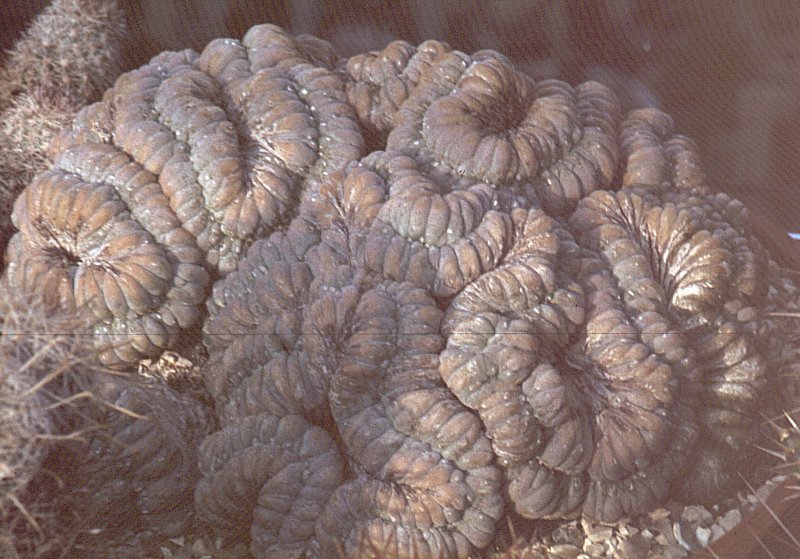
Imagine cacti as the hieroglyphs of the desert, etched not in stone but in flesh and thorn. Each species is a testament to evolutionary alchemy, sculpted by millennia of relentless sun and parched winds. The Pediocactus knowltonii, for instance, is a diminutive marvel, its ribbed body a miniature cathedral of survival, thriving in the shadow of extinction. These plants are not passive; they are active participants in the grand narrative of their ecosystems, offering sustenance to pollinators, shelter to creatures, and medicinal solace to humans. Their loss would be akin to erasing a chapter from the Earth’s oldest storybook—one where every spine, every bloom, whispers secrets of adaptation and endurance.
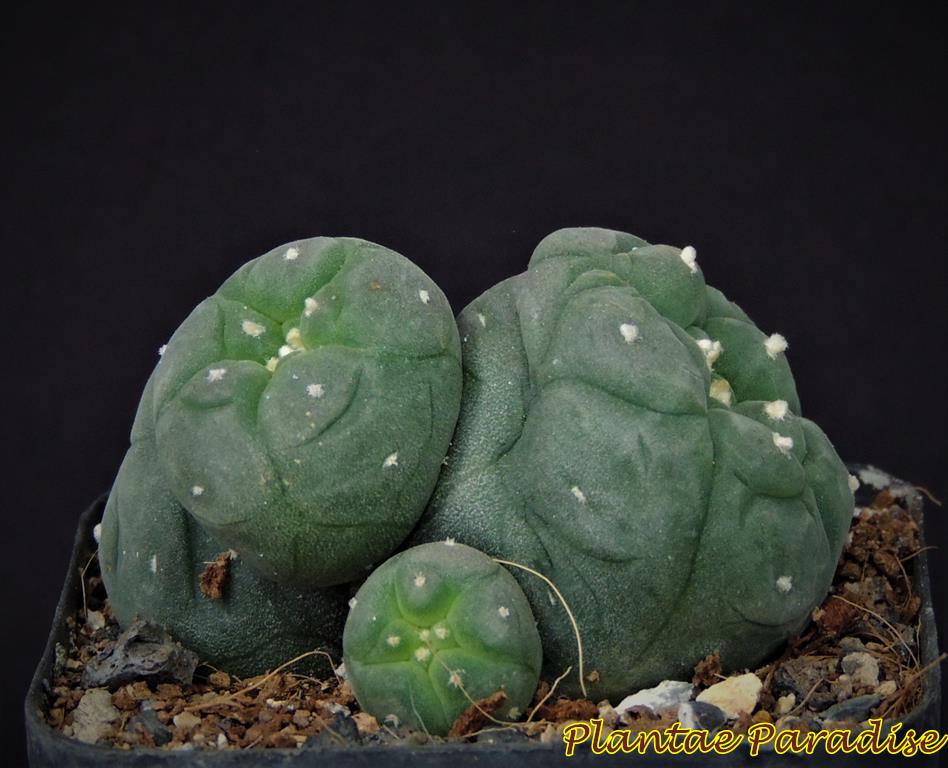
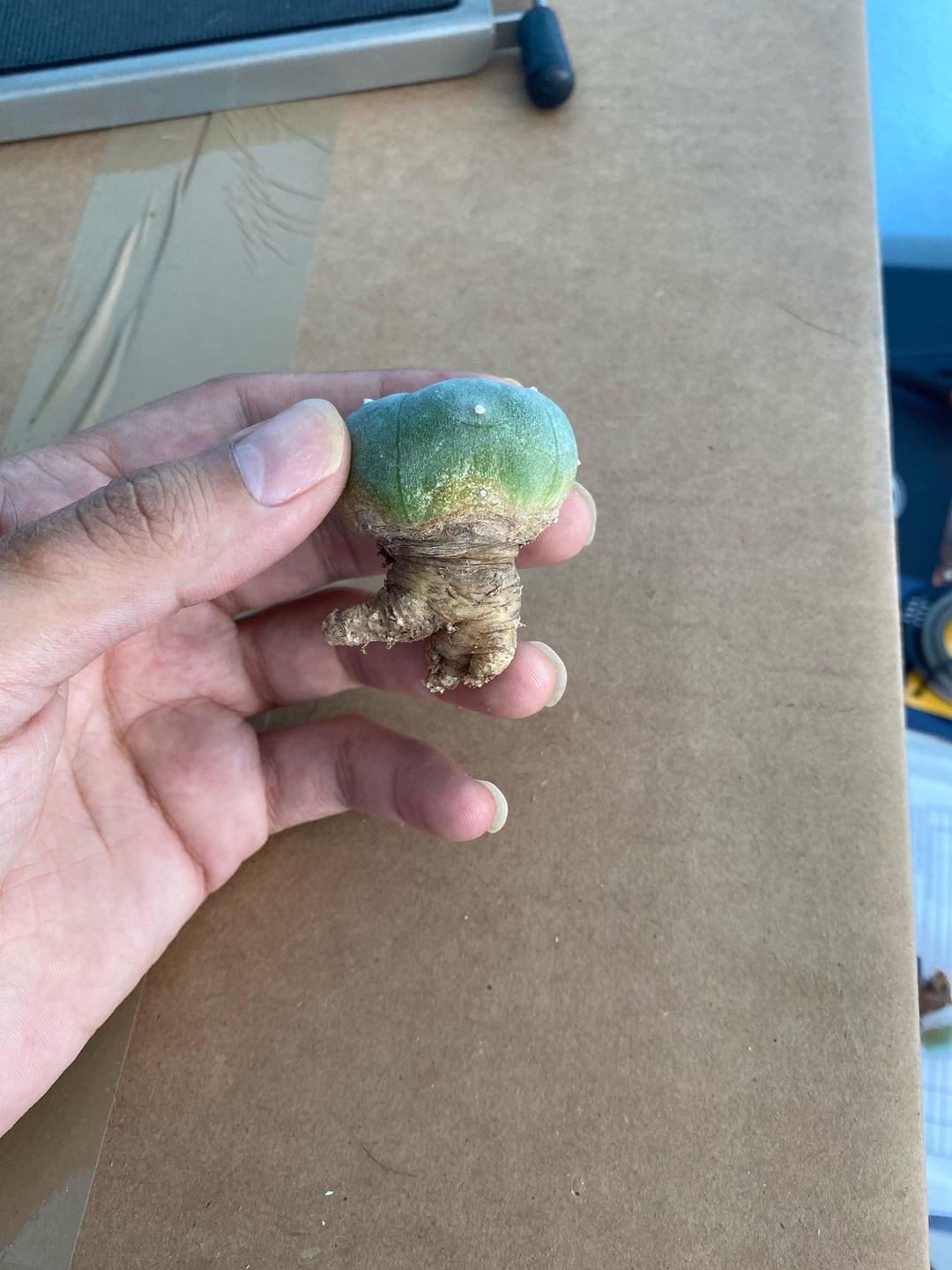
Consider the Lophophora williamsii, better known as peyote, a cactus steeped in the sacred rituals of Indigenous peoples across the Americas. To the Huichol of Mexico, it is not merely a plant but a divine intermediary, a bridge between the mundane and the mystical. The peyote’s psychoactive alkaloids are not just chemical compounds; they are sacraments, catalysts for visions that have shaped cosmologies. To lose this cactus is to silence a chorus of voices that have sung the same hymns for generations, their melodies now fading into the silence of extinction.
The Thorn as a Cultural Emblem
Cacti are the unlikeliest of icons—prickly, unyielding, and often overlooked until their absence leaves a void. Yet, their thorns are not mere defenses; they are symbols of resilience, each one a tiny fortress against the encroaching desert. The Ferocactus wislizeni, or fishhook barrel cactus, is a case in point. Its hooked spines, resembling the barbs of a fisherman’s lure, have inspired both fear and fascination. To the Native tribes of the Southwest, these spines were tools—needles for sewing, fishhooks for survival, and talismans against malevolent spirits. The loss of such a cactus is not just the loss of a species; it is the erasure of a cultural toolkit, a diminishment of human adaptability.
In the folklore of the Seri people of Mexico, the Stenocereus thurberi, or pitahaya, is a celestial dancer, its nocturnal blooms a performance for the gods. The Seri would gather its fruit under the cover of darkness, their hands guided by the moon’s glow, a ritual as much about community as it was about sustenance. To witness the decline of the pitahaya is to watch a cultural dance fade into obscurity, its steps forgotten, its rhythm silenced. These cacti are not just plants; they are living metaphors, their spines and blooms encoding the wisdom of generations.
The Pharmacopeia of the Desert
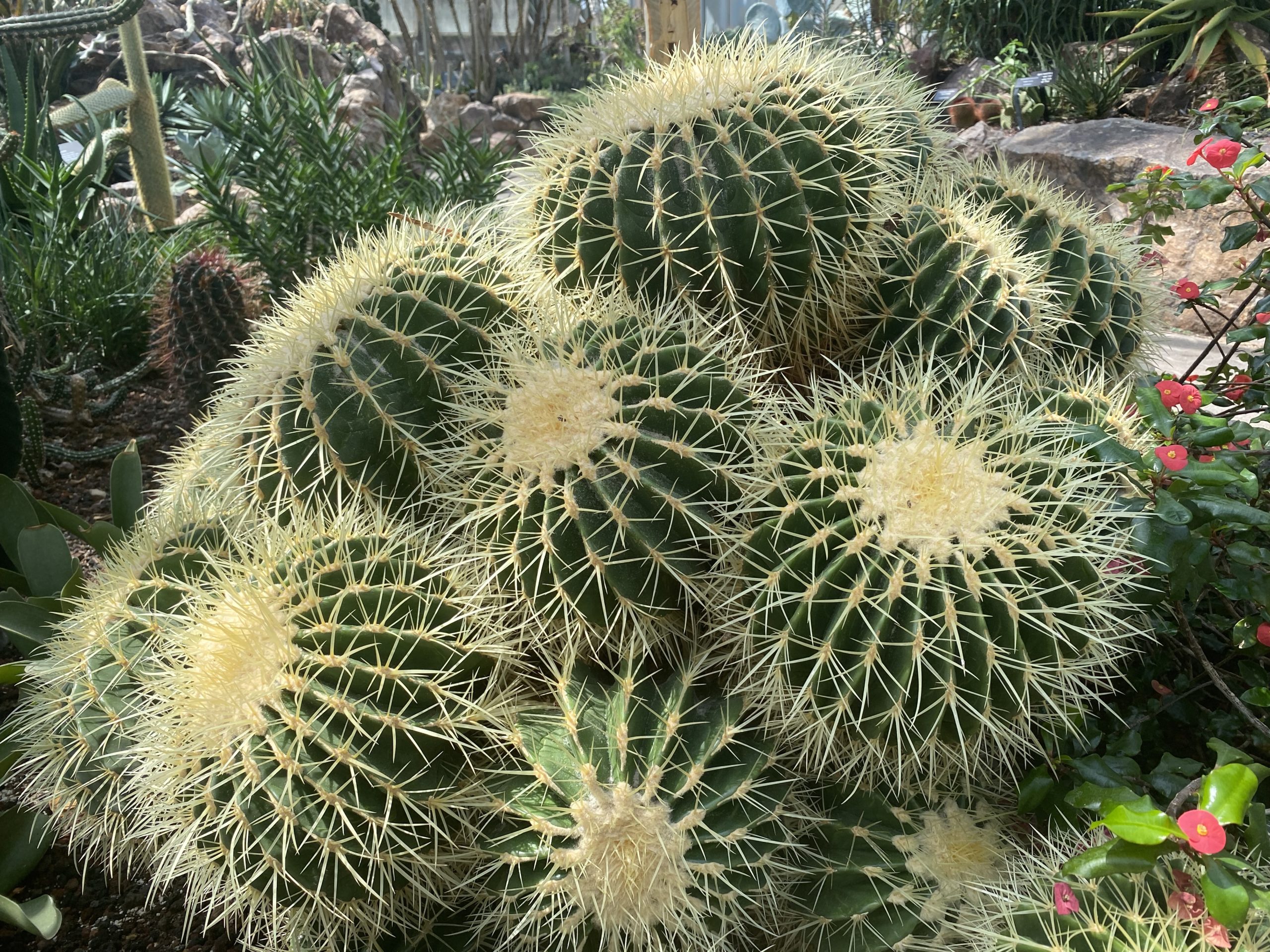
Beneath the rugged exterior of cacti lies a pharmacopeia of profound significance. The Echinocactus grusonii, or golden barrel cactus, has been a cornerstone of traditional medicine, its pulp used to treat burns, its spines fashioned into probes for abscesses. In the arid heartlands of Mexico, the Mammillaria heyderi has been brewed into teas to soothe fevers, its presence a balm for both body and soul. The extinction of these species is not merely an ecological loss; it is a pharmacological amputation, severing access to remedies that have been refined over centuries.
Modern science has only begun to scratch the surface of cacti’s medicinal potential. Compounds isolated from Opuntia species, for instance, have shown promise in regulating blood sugar, a discovery that could revolutionize diabetes treatment. Yet, as these plants vanish, so too does the opportunity to unlock their secrets. The loss of endangered cacti is a double tragedy: it erases both the traditional knowledge that has sustained communities for millennia and the potential breakthroughs that could save lives in the future.
The Aesthetic and Spiritual Void
Cacti are not just utilitarian; they are objects of profound aesthetic and spiritual significance. The Epiphyllum oxypetalum, or queen of the night, unfurls its ethereal blooms under the cloak of darkness, a fleeting spectacle that has inspired poets and artists alike. Its flowers, delicate and ephemeral, are a reminder of life’s fragility and beauty. To lose this cactus is to lose a muse, a silent artist whose creations have adorned the dreams of countless cultures.
In the art of the Navajo, cacti are not merely subjects but symbols of endurance and adaptability. The Carnegiea gigantea, or saguaro, stands as a sentinel in the desert, its towering arms reaching toward the heavens. For the Navajo, the saguaro is a living clock, its growth rings marking the passage of time. To see it vanish would be to lose a temporal compass, a natural calendar that has guided human life for generations. The aesthetic and spiritual void left by its absence would be a wound that never heals, a silence that echoes through the canyons of cultural memory.
The Domino Effect of Extinction
The decline of endangered cacti is not an isolated event; it is a domino that triggers a cascade of ecological and cultural collapses. These plants are keystone species, their presence supporting entire ecosystems. The Ferocactus latispinus, for instance, provides critical habitat for insects and birds, its flowers a nectar source for pollinators. Without it, the desert’s intricate web of life unravels, leaving behind a landscape as barren as a forgotten manuscript.
Culturally, the loss of cacti is a slow-motion erasure of identity. For the Tarahumara people of Mexico, the Echinocereus pectinatus is not just a plant but a guardian of their ancestral lands. Its decline is a physical manifestation of their displacement, a botanical echo of the cultural erosion they face. The extinction of these cacti is not just a tragedy for biodiversity; it is a tragedy for humanity, a loss of the stories, traditions, and wisdom that have sustained us for millennia.
A Call to Reverence
The fate of endangered cacti is a mirror held up to humanity, reflecting our priorities, our values, and our capacity for stewardship. To save these plants is to save a piece of ourselves—to preserve the threads that bind us to the past and guide us toward a more harmonious future. Conservation is not just about numbers or ecosystems; it is about memory, identity, and the intangible riches that make life worth living.
We must act not out of pity but out of reverence. These cacti are not relics; they are living entities, each one a universe of adaptation, resilience, and beauty. Their loss is not inevitable; it is a choice. And the choice we make today will determine whether the deserts of tomorrow sing with the voices of the past or fade into the silence of extinction.
FAQ
What is the significance of endangered cacti?
Endangered cacti play a crucial role in maintaining ecological balance and cultural identity, providing food, medicine, and spiritual significance to various communities.
How does the extinction of cacti affect human culture?
The extinction of cacti erases centuries of cultural practices, knowledge, and traditions that are intertwined with these plants in many indigenous communities.
Leave a Reply