

Short Answer
Beneath the scorching sun of the Sonoran Desert, where the earth cracks with thirst and the wind carries whispers of ancient resilience, a silent sentinel stands guard. The Ferocactus, a genus of barrel cacti renowned for its formidable spines and stoic endurance, is more than just a botanical marvel—it is a keystone species, a fortress of biodiversity, and a testament to nature’s unyielding tenacity. Yet, this fierce protector of the arid landscape faces an existential crisis. Habitat destruction, climate change, and human encroachment threaten to unravel the delicate balance it maintains. This article delves into the multifaceted world of the Ferocactus, exploring its ecological significance, the perils it confronts, and the urgent need to safeguard its domain before it’s too late.
The Ferocactus: A Marvel of Arid Adaptation
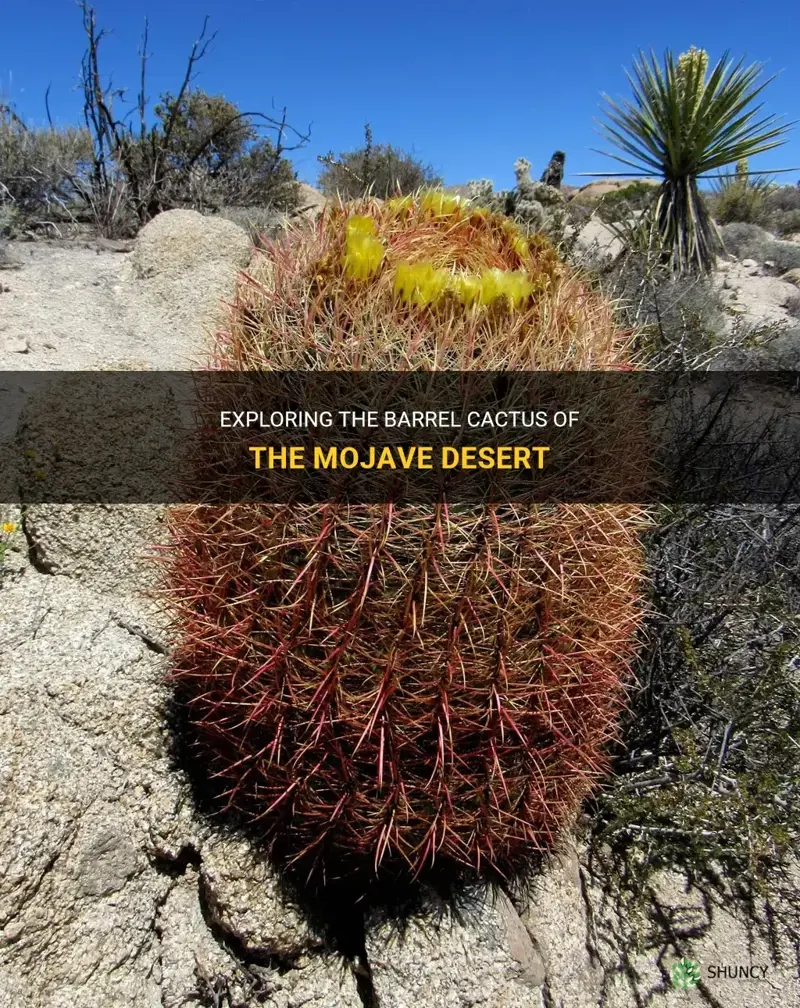
The Ferocactus genus, a collective of barrel cacti native to the southwestern United States and northern Mexico, is a masterclass in evolutionary ingenuity. These cacti, with their ribbed, globular forms and fearsome spines, are not merely survivors—they are architects of their own survival. Their thick, waxy epidermis minimizes water loss, while their deep root systems anchor them firmly in the parched soil, tapping into moisture reserves invisible to the naked eye. The spines, often mistaken for mere adornments, serve a dual purpose: they deter herbivores and cast shadows that shield the plant from the relentless desert sun.
But the Ferocactus’s adaptations extend beyond its physical form. Its flowers, a burst of vibrant yellow or red, bloom in a fleeting spectacle that attracts pollinators like bees and hummingbirds. These pollinators, in turn, ensure the cactus’s reproductive success, a symbiotic dance that has played out for millennia. The Ferocactus’s fruits, once ripe, split open to reveal seeds that are dispersed by wind and animals, perpetuating its lineage across the desert landscape. This intricate web of adaptations underscores the cactus’s role as a linchpin in its ecosystem, a role that becomes all the more critical as the desert’s rhythms grow increasingly erratic.

Ecological Keystone: The Ferocactus as an Ecosystem Engineer
To understand the Ferocactus’s importance, one must look beyond its solitary form and consider its role as an ecosystem engineer. In the harsh expanse of the desert, where life is often a fleeting mirage, the Ferocactus provides a rare oasis of stability. Its presence creates microhabitats that support a surprising array of life. Birds, such as the cactus wren and the verdin, nest in its protective spines, shielded from predators and the elements. Small mammals, like the kangaroo rat, burrow into the soil beneath its roots, finding refuge from the scorching heat. Even insects, from industrious ants to delicate butterflies, rely on the Ferocactus for food and shelter.
The cactus’s decaying remains, too, play a vital role. When a Ferocactus dies, its skeletal frame becomes a nutrient-rich substrate for other plants, fostering new growth in an otherwise barren landscape. Its roots, though shallow, help to stabilize the soil, preventing erosion and preserving the delicate balance of the desert’s fragile ecosystem. In this way, the Ferocactus is not just a passive inhabitant of its environment—it is an active participant in shaping it, a living testament to the interconnectedness of all things.
Yet, this delicate balance is under siege. As human development sprawls across the desert, the Ferocactus’s habitat is fragmented, leaving isolated pockets of life that struggle to sustain themselves. The loss of even a single Ferocactus can ripple through the ecosystem, disrupting food chains and reducing biodiversity. The stakes could not be higher: without the Ferocactus, the desert’s intricate tapestry of life risks unraveling, leaving behind a landscape stripped of its vibrancy and resilience.
The Threats Looming Over the Ferocactus
The Ferocactus’s domain is shrinking, and the culprits are as varied as they are insidious. Urbanization, agriculture, and mining have carved deep scars into the desert floor, displacing countless cacti and fragmenting their habitats. Roads and highways, while essential for human connectivity, act as impenetrable barriers for these slow-moving plants, severing their ability to disperse seeds and colonize new territories. The relentless march of climate change exacerbates these challenges, bringing with it prolonged droughts, erratic rainfall, and scorching temperatures that push the Ferocactus to its limits.
Illegal harvesting, too, poses a grave threat. The Ferocactus’s striking appearance and slow growth make it a target for collectors and poachers, who uproot these ancient plants to adorn gardens and landscapes far from their natural habitat. Unlike some cacti, the Ferocactus cannot regenerate from a single spine or segment; once removed, it is gone forever. This unchecked exploitation has pushed several species to the brink of extinction, their populations dwindling to unsustainable levels.
Even the cactus’s own reproductive challenges contribute to its decline. The Ferocactus relies on pollinators, many of which are declining due to habitat loss and pesticide use. Without these vital partners, the cactus’s ability to reproduce is severely compromised, leaving future generations at risk. The interplay of these threats creates a perfect storm, one that the Ferocactus may not survive without urgent intervention.
Conservation Efforts: A Beacon of Hope
Amidst the gloom, glimmers of hope emerge. Conservationists, scientists, and local communities are rallying to protect the Ferocactus and its habitat. Protected areas, such as national parks and reserves, provide safe havens where these cacti can thrive undisturbed. Reintroduction programs, where seedlings are carefully cultivated and transplanted into suitable habitats, offer a lifeline for endangered species. These efforts are complemented by educational initiatives that raise awareness about the Ferocactus’s ecological importance and the threats it faces, fostering a sense of stewardship among the public.
Research, too, plays a pivotal role. Scientists are studying the Ferocactus’s genetic diversity, its resilience to climate change, and its interactions with pollinators, all in an effort to develop targeted conservation strategies. Innovative techniques, such as seed banking and tissue culture, are being employed to preserve the genetic material of threatened species, ensuring that they can be reintroduced if their populations collapse in the wild. These conservation efforts are not just about saving a plant—they are about preserving the intricate web of life that the Ferocactus supports.
Yet, conservation is not a task for scientists alone. Every individual can contribute to the Ferocactus’s survival. By supporting sustainable land-use practices, advocating for the protection of natural habitats, and making conscious choices as consumers, we can help ensure that these fierce protectors continue to stand guard over the desert for generations to come.

How You Can Help: Small Actions, Big Impact
The fate of the Ferocactus is not sealed. With collective action, we can turn the tide and secure a future for these remarkable plants. One of the most effective ways to contribute is by supporting organizations dedicated to desert conservation. These groups work tirelessly to protect habitats, restore degraded lands, and advocate for policies that prioritize biodiversity. Donations, volunteering, and spreading awareness are all powerful ways to make a difference.
For those who live in or visit desert regions, responsible behavior is key. Avoid disturbing Ferocactus populations, whether by removing plants, trampling them, or leaving behind litter that can harm their delicate ecosystems. Support local businesses that prioritize sustainability and respect for the environment, ensuring that economic growth does not come at the expense of the desert’s natural heritage.
Even in urban settings, you can make choices that align with conservation goals. Opt for native plants in your garden, which require less water and support local wildlife. Reduce your carbon footprint to mitigate the effects of climate change, which disproportionately impacts arid ecosystems. Educate others about the importance of the Ferocactus and its habitat, inspiring a new generation of stewards for the desert.
The Ferocactus is more than a plant—it is a symbol of resilience, a guardian of biodiversity, and a reminder of nature’s quiet strength. By taking action today, we can ensure that this fierce protector continues to thrive, its spines casting shadows of hope across the desert for centuries to come.
FAQ
What is Ferocactus?
Ferocactus is a genus of barrel cacti known for their spiny exterior and ecological importance in desert habitats.
Why is Ferocactus important to its ecosystem?
Ferocactus serves as an ecosystem engineer, providing shelter and food for various desert species and contributing to soil stability.
What are the main threats to Ferocactus?
The main threats include habitat destruction due to urbanization and agriculture, climate change, and illegal harvesting.
How can individuals help conserve Ferocactus?
Individuals can help by supporting conservation organizations, practicing responsible behavior in desert areas, and spreading awareness about the importance of these cacti.


Leave a Reply