
Short Answer
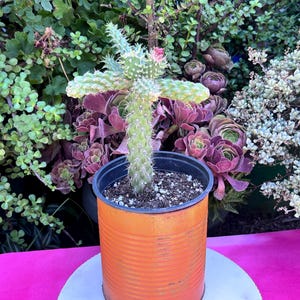
There’s something almost primal about the way a Cylindropuntia—commonly known as cholla—commands attention in a landscape. With its segmented, skeletal arms reaching skyward like the outstretched fingers of a mythic sentinel, this cactus doesn’t just occupy space; it transforms it. Unlike the rounded, soft contours of a barrel cactus or the symmetrical elegance of a saguaro, the cholla thrives on asymmetry, its branches twisting and turning in ways that defy conventional garden design. Yet, for all its rugged individualism, it possesses an uncanny ability to harmonize with both the arid and the cultivated, turning even the most unassuming plot into a sculptural masterpiece. What is it about this spiny marvel that captivates us so deeply? Perhaps it’s the way it bridges the gap between the wild and the refined, or how its stark beauty whispers of resilience in a world that often demands conformity.
The Architectural Allure of Cholla: A Study in Form and Function
The cholla’s appeal lies in its architectural audacity. Each segment, or “joint,” is a miniature marvel of geometry—cylindrical, ribbed, and often adorned with clusters of spines that resemble the quills of a porcupine. When grouped together, these joints create a visual rhythm that can be both chaotic and mesmerizing. In a desert garden, a cluster of chollas might resemble a colony of prehistoric creatures frozen in time, their segmented bodies casting intricate shadows as the sun traverses the sky. The spines themselves are not merely defensive; they are tools of light manipulation, diffusing harsh sunlight into a soft, ethereal glow that dances across the landscape.
Landscape designers often leverage this quality by positioning chollas as focal points, where their stark silhouettes draw the eye and anchor the composition. A single specimen, planted against a backdrop of smooth river stones or weathered adobe, can evoke the stark beauty of a desert monolith. When massed together, they create a living sculpture garden, their organic forms contrasting with the rigid lines of pathways or the geometric precision of hardscaping. The key to success lies in understanding their growth habits—chollas are not static; they evolve, their branches elongating and arching in response to their environment, ensuring that no two installations ever look identical.
Cholla in Xeriscaping: The Perfect Paradox of Beauty and Sustainability
In an era where water conservation is no longer optional but essential, the cholla emerges as a poster child for xeriscaping—the art of designing landscapes that thrive on minimal irrigation. Unlike thirsty ornamentals that demand constant pampering, chollas are built for drought. Their thick, water-storing stems allow them to endure prolonged dry spells, while their shallow but extensive root systems quickly absorb even the slightest rainfall. This makes them ideal for regions where water is a precious commodity, from the American Southwest to the sunbaked hills of the Mediterranean.
Yet, their sustainability extends beyond water efficiency. Chollas are low-maintenance in the truest sense—they require no fertilizers, no pruning, and only the occasional removal of dead segments to keep them looking their best. Their resilience is a testament to nature’s ingenuity, a reminder that beauty need not come at the expense of the environment. For homeowners and designers alike, this translates into a landscape that is not only stunning but also ecologically responsible. Imagine a front yard where chollas stand sentinel among native grasses and wildflowers, their presence a quiet rebellion against the over-manicured lawns that dominate so many neighborhoods.
Contrasting Textures: How Cholla Elevates Mixed Plantings
One of the most compelling aspects of incorporating chollas into a landscape is their ability to play off other plants in ways that are both unexpected and harmonious. Their spiny exteriors create a striking contrast with the soft, velvety leaves of lamb’s ear or the delicate fronds of ornamental grasses. When paired with succulents like agave or echeveria, the cholla’s architectural lines provide a counterpoint to the rounded forms of its companions, creating a dynamic interplay of shapes and shadows.
Consider, too, the way chollas interact with flowering plants. A cholla standing sentinel among a bed of desert marigolds or penstemons becomes a living frame, its spines adding a touch of wildness to the scene. The flowers, in turn, soften the cholla’s harsh edges, creating a balance between the untamed and the cultivated. Even in winter, when most plants retreat into dormancy, the cholla’s skeletal structure remains a focal point, its branches etched against the bare earth like a sketch in charcoal.
The Illusion of Movement: Cholla as a Living Sculpture
There’s a kinetic quality to chollas that sets them apart from other cacti. Their branches don’t just grow; they seem to reach, to stretch, as if pulled by an unseen force. This illusion of movement is particularly striking when the plants are backlit by the setting sun, their spines glowing like embers against the fading light. Designers often use this effect to create focal points that draw the eye and guide the viewer’s gaze through the landscape.
In larger installations, chollas can be arranged in sweeping arcs or staggered clusters to mimic the natural drift of sand dunes or the undulating lines of a riverbed. The effect is mesmerizing, as if the landscape itself is in motion. This dynamic quality makes chollas particularly effective in modern or contemporary designs, where clean lines and bold forms are celebrated. A single cholla, planted in a minimalist concrete planter, can transform an urban patio into a desert oasis, its spiny arms reaching toward the sky like a piece of land art.
Cultural and Symbolic Significance: Cholla in Myth and Modern Design
The cholla’s cultural resonance adds another layer to its allure. In Native American traditions, the cholla is often seen as a symbol of endurance and adaptability, its ability to thrive in harsh conditions mirroring the resilience of the people who call the desert home. For modern designers, this symbolism translates into a plant that can evoke a sense of place, grounding a landscape in its geographical and cultural context.
In contemporary garden design, chollas are often used to evoke a sense of the wild, a deliberate counterpoint to the manicured perfection of traditional gardens. They challenge our notions of what a garden should be—less a controlled environment and more a living ecosystem where beauty and function coexist. This shift in perspective is part of a larger movement toward landscapes that are not just visually stunning but also ecologically meaningful, where every plant plays a role in the greater narrative of the space.
Practical Considerations: Planting and Maintaining Cholla in the Landscape
While chollas are undeniably low-maintenance, they do require some forethought to ensure they thrive. The first step is selecting the right species for your climate and soil type. Some chollas, like the Cylindropuntia imbricata, are hardy to freezing temperatures, while others, like the Cylindropuntia bigelovii, prefer the milder climes of the desert Southwest. Soil drainage is critical—chollas despise soggy roots, so raised beds or slopes are ideal planting sites.
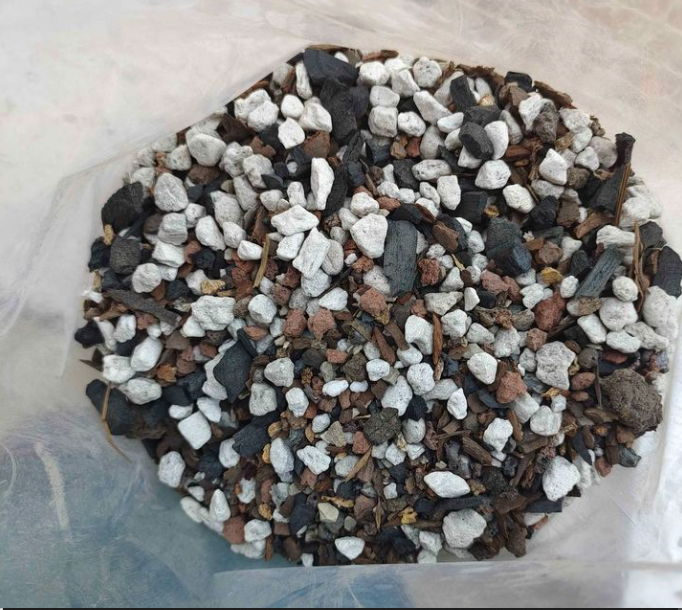
When planting, space chollas generously to allow for their mature size, which can range from a few feet to over six feet in height, depending on the species. Mulching with gravel or decomposed granite not only enhances drainage but also mimics the natural conditions of their native habitat. Watering should be infrequent but deep, encouraging the roots to grow downward in search of moisture. Over time, chollas will reward your patience with a display of architectural grandeur that only grows more impressive with age.
Pruning is rarely necessary, but if a segment becomes damaged or unsightly, it can be carefully removed with a sharp knife or pruners. Be cautious, however—the spines of some chollas are notoriously tenacious and can embed themselves in skin with alarming ease. Always wear thick gloves and long sleeves when handling these plants, and keep them away from high-traffic areas where their spines could pose a hazard.
Beyond the Garden: Cholla in Art and Design
The cholla’s influence extends beyond the garden into the realm of art and design. Its striking form has inspired artists, architects, and even fashion designers, who see in its lines a source of endless creativity. Sculptors often use cholla skeletons—naturally shed segments—as raw material, transforming them into jewelry, mobiles, or even large-scale installations. The spines, when arranged in patterns, can evoke the texture of woven fabric or the grain of wood, offering a tactile contrast to smooth surfaces.
In architecture, the cholla’s segmented structure has been a muse for those seeking to blend organic and geometric forms. Buildings with facades that mimic the cholla’s ribs or interiors that incorporate cholla-inspired motifs create a sense of harmony between the built environment and the natural world. Even in interior design, cholla skeletons are used as decorative elements, their stark silhouettes adding a touch of the desert to minimalist spaces.
The Deeper Fascination: Why Cholla Captivates the Human Imagination
At its core, the cholla’s appeal is a reflection of our own fascination with the extraordinary in the ordinary. It is a plant that defies expectations—neither fully wild nor entirely tamed, neither delicate nor fragile, but something in between. Its resilience speaks to our desire for strength in adversity, while its beauty reminds us that even the harshest landscapes can be places of wonder.
Perhaps it’s this duality that makes the cholla so compelling. It is a plant that can thrive in the most inhospitable conditions, yet it does so with a grace that belies its rugged exterior. It is a survivor, a sculptor, a living work of art. And in a world that often feels increasingly homogenized, the cholla stands as a testament to the power of individuality, a reminder that beauty can be found in the most unexpected of places.
FAQ
What is Cylindropuntia?
Cylindropuntia, commonly known as cholla, is a type of cactus known for its unique segmented structure and adaptability to dry environments.
How does cholla contribute to xeriscaping?
Cholla is drought-tolerant and requires minimal maintenance, making it an ideal choice for xeriscaping, which emphasizes water conservation.
Can cholla be mixed with other plants?
Yes, cholla can create striking contrasts with softer plants and succulents, enhancing the visual interest of mixed plantings.

Leave a Reply