
Short Answer
Imagine a pocket-sized oasis where the golden hues of the desert meet the lush greenery of a thriving ecosystem—welcome to the world of cactus terrariums. These miniature botanical wonders are more than just decorative pieces; they are living sculptures that encapsulate the resilience and beauty of arid landscapes. Whether you’re a seasoned plant enthusiast or a curious beginner, creating a cactus terrarium offers a rewarding journey into the art of controlled cultivation. From selecting the right container to mastering the delicate balance of light and moisture, this guide will walk you through every step of crafting your own desert microcosm. Get ready to transform glass and soil into a self-sustaining sanctuary that breathes life into your space.
The Allure of Cactus Terrariums: Why They Captivate Plant Lovers
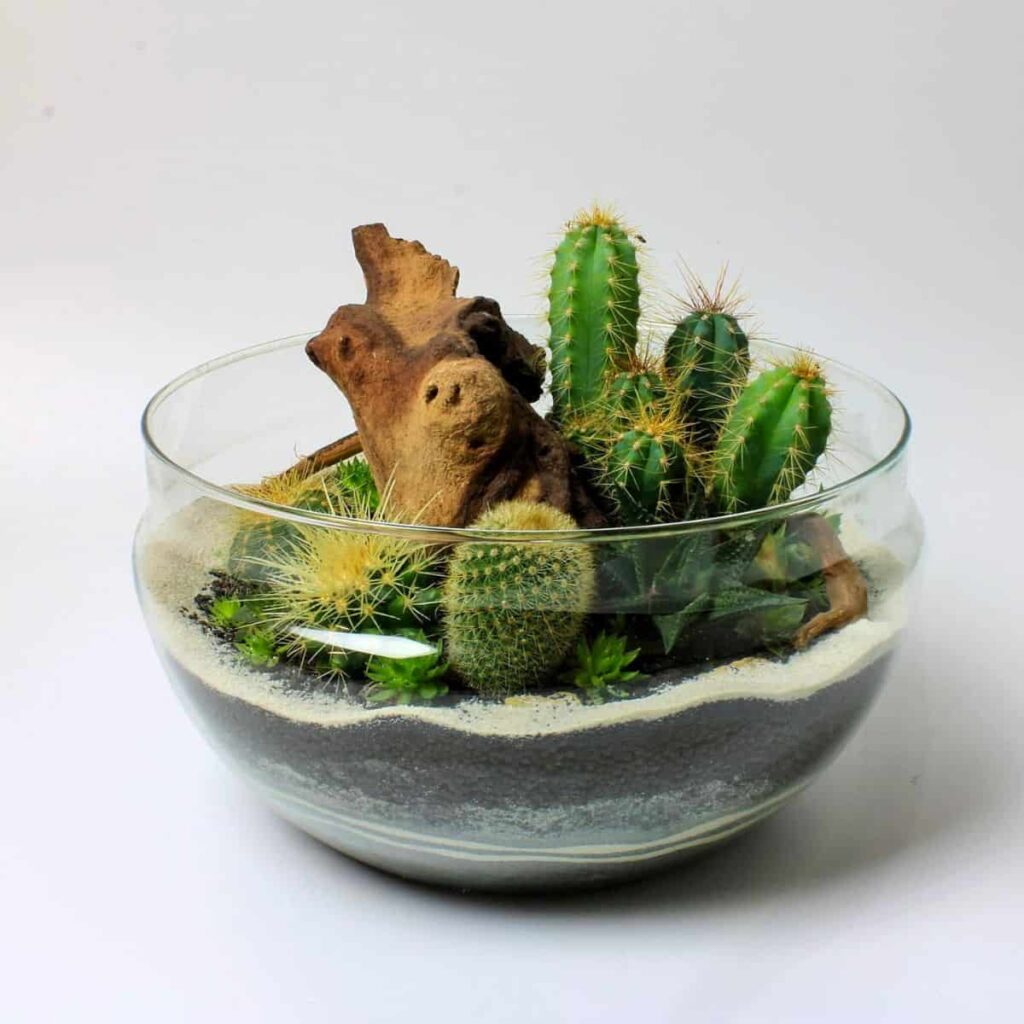
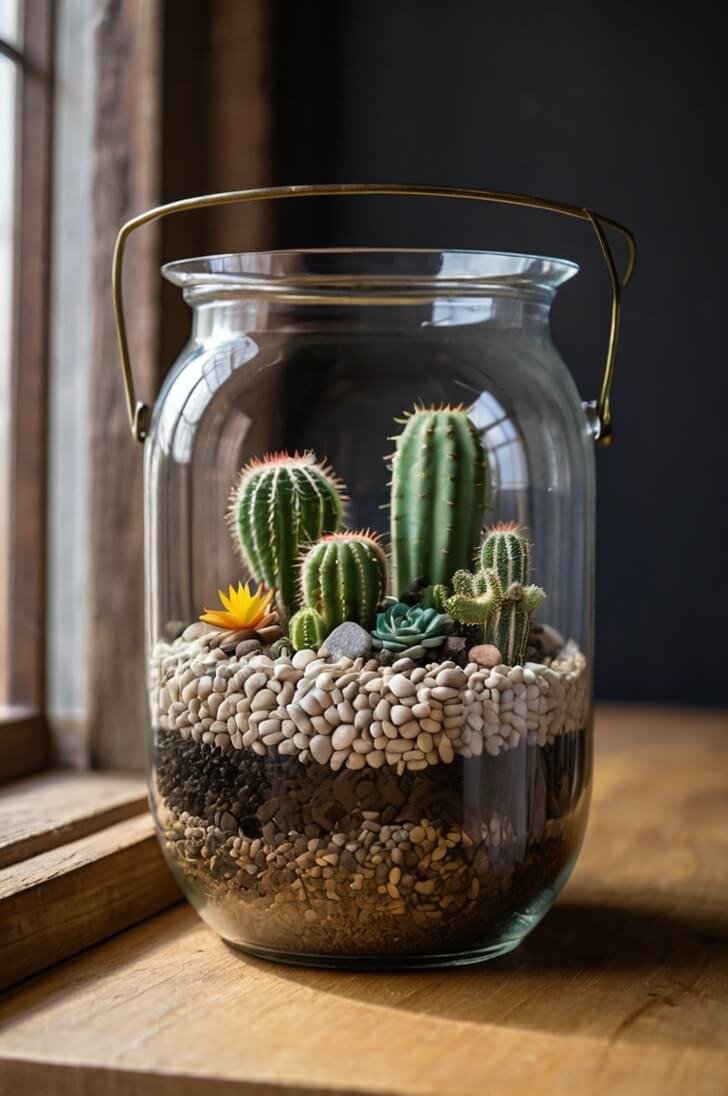
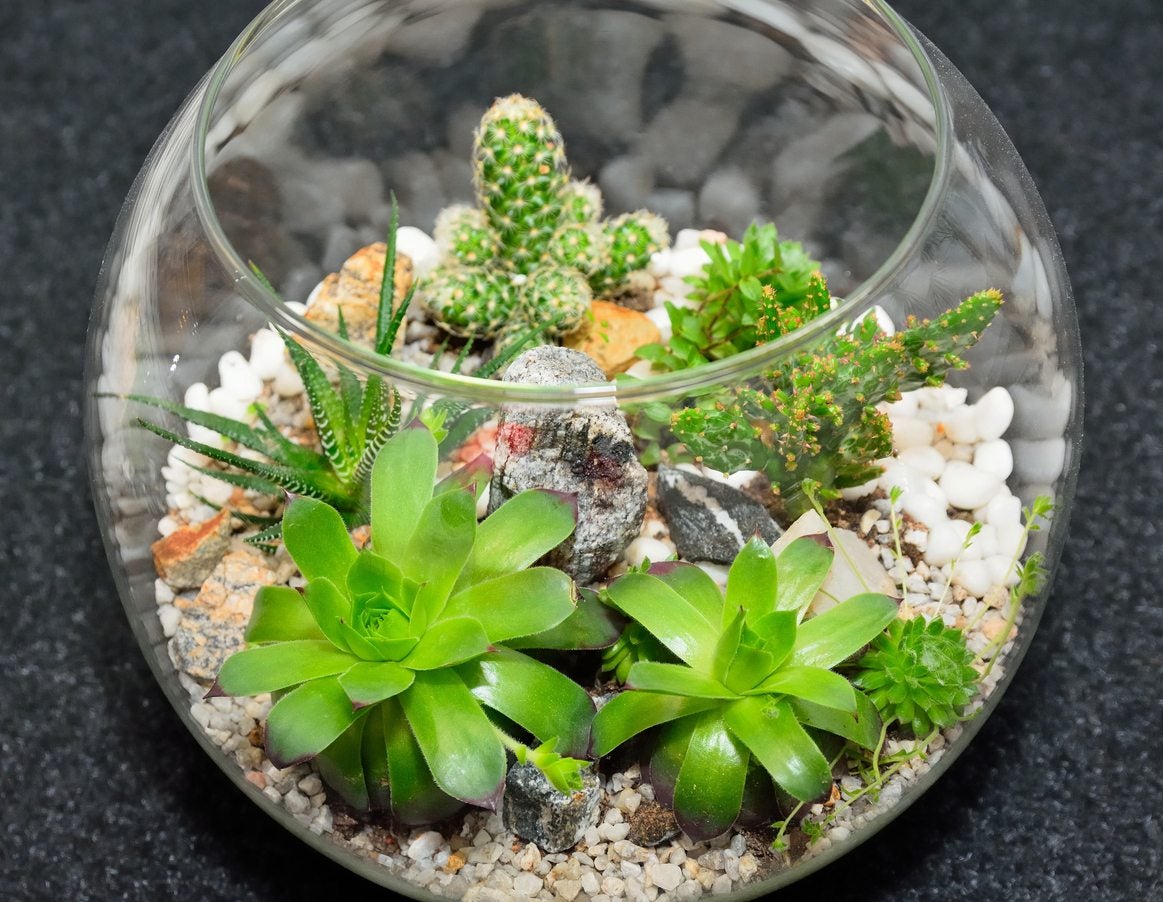
Cactus terrariums are a testament to the ingenuity of nature and human creativity. Unlike traditional terrariums that thrive in humid environments, these desert-inspired ecosystems demand a different approach—one that celebrates drought-resistant succulents and the stark elegance of arid flora. The appeal lies in their versatility; they can be as simple as a single spiky sentinel in a glass orb or as elaborate as a layered desert tableau with sand dunes and miniature rock formations. Their compact size makes them ideal for urban dwellers, while their low-maintenance nature appeals to those with busy lifestyles. But beyond their practicality, cactus terrariums evoke a sense of wanderlust, bringing a slice of the Sonoran or Mojave Desert into your home. They are a conversation starter, a meditative focal point, and a living piece of art that evolves with time.
Choosing the Perfect Container: Glass vs. Open-Air Designs
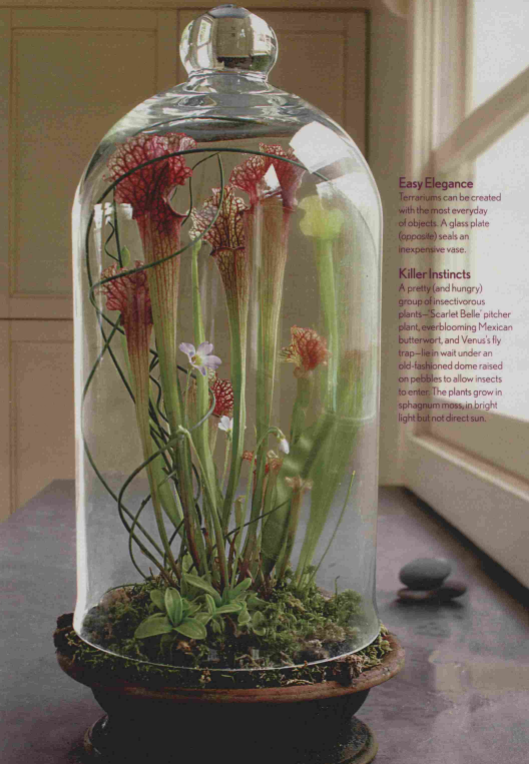
The vessel you select for your cactus terrarium sets the stage for its entire existence. Glass containers, whether sealed or open, are the most popular choice due to their transparency and ability to showcase the intricate details of your desert landscape. A sealed glass terrarium creates a self-sustaining ecosystem where condensation cycles between evaporation and precipitation, mimicking natural desert conditions. However, it requires careful monitoring to prevent overwatering. On the other hand, open-air containers—such as shallow trays or wide-mouthed jars—offer greater airflow, making them ideal for cacti that prefer drier conditions. For a striking visual contrast, consider geometric terrariums with angular lines or vintage apothecary jars that add a touch of nostalgia. The key is to match the container’s size and shape to the scale of your plants, ensuring they have room to grow without feeling cramped.

The material of the container also plays a role in your terrarium’s success. Glass is inert and won’t leach chemicals into the soil, while ceramic or metal containers can add an industrial aesthetic but may require additional drainage considerations. Whichever you choose, ensure it has adequate drainage holes or a layer of pebbles to prevent root rot—a silent killer of cacti. The container’s opening size also matters; a narrow neck can trap moisture, while a wide mouth allows for easier pruning and rearrangement. Think of it as selecting the perfect frame for a masterpiece—every detail contributes to the final composition.
Selecting the Ideal Cacti and Succulents: A Desert Palette
Not all cacti are created equal, and choosing the right species is crucial for a thriving terrarium. Opt for slow-growing, compact varieties that won’t outgrow their glass home too quickly. Some stellar choices include the Mammillaria (pincushion cactus), with its dense, spherical form, or the Echeveria (Mexican rose), whose rosette shape adds a touch of whimsy. For a vertical element, consider the Opuntia microdasys (bunny ears cactus), whose flat pads create a striking silhouette. Avoid large or fast-growing species like the saguaro, which would quickly dominate the space.
Succulents complement cacti beautifully, offering a diverse range of textures and colors. The Haworthia attenuata (zebra plant) brings striped elegance, while the Sedum morganianum (burro’s tail) drapes gracefully over the edges of the container. For a pop of color, the Kalanchoe blossfeldiana (flaming Katy) produces vibrant blooms that can last for weeks. When selecting plants, consider their mature size, growth rate, and light requirements to ensure they coexist harmoniously. A well-balanced terrarium often features a mix of heights, shapes, and colors to create visual interest. Think of it as curating a tiny desert garden where each plant plays a unique role in the ecosystem.

Don’t overlook the importance of healthy plants. Inspect your cacti and succulents for signs of pests, rot, or dehydration before introducing them to the terrarium. A little extra care at this stage will pay off in the long run, ensuring your miniature desert remains vibrant and disease-free. Remember, these plants have evolved to thrive in harsh conditions, so they’re hardy—but they still need the right environment to flourish in captivity.
Layering the Foundation: Soil, Drainage, and Aesthetic Elements
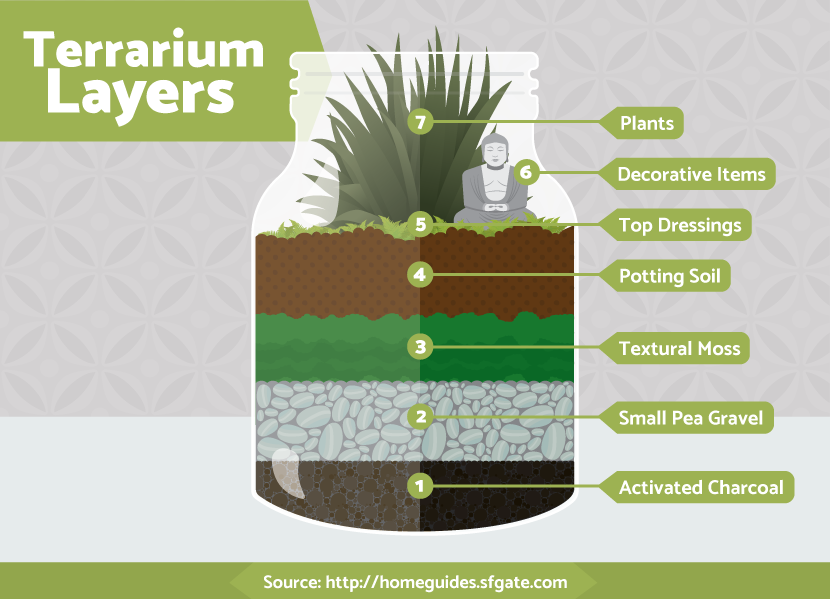
The foundation of your cactus terrarium is more than just dirt—it’s a carefully constructed habitat that mimics the natural layers of a desert ecosystem. Start with a 1- to 2-inch layer of coarse gravel or small pebbles at the bottom of the container. This drainage layer prevents water from pooling at the roots, a common cause of rot in cacti. Next, add a thin sheet of activated charcoal to filter impurities and keep the soil fresh. Over this, place a 2- to 3-inch layer of well-draining cactus or succulent soil, which is typically a blend of sand, perlite, and peat moss. Avoid regular potting soil, as it retains too much moisture.
For added visual appeal, incorporate decorative elements like fine sand, crushed granite, or even small river stones to create the illusion of desert dunes or rocky outcrops. These layers not only enhance the aesthetic but also serve functional purposes—sand can help anchor plants, while rocks can create microclimates that retain heat. If you’re feeling adventurous, add a few pieces of driftwood or a miniature wooden sign to give your terrarium a rustic charm. The key is to layer with intention, ensuring each element contributes to both the health and beauty of your desert ecosystem.
Pro tip: Use a spoon or small trowel to shape the soil into gentle slopes or valleys, mimicking the undulating terrain of a real desert. This not only adds depth to your terrarium but also allows for better water distribution. The more thought you put into the foundation, the more dynamic and lifelike your creation will become.
Mastering the Art of Watering: Less Is More
Watering a cactus terrarium is an exercise in restraint. These plants are adapted to survive in environments where rainfall is scarce, so overwatering is their greatest enemy. The general rule is to water sparingly—only when the soil is completely dry to the touch. For a sealed terrarium, this might mean watering once every few months, while an open-air container may require watering every 2 to 4 weeks, depending on the humidity levels in your home. Use a spray bottle to mist the soil lightly or a small watering can with a narrow spout to target the base of the plants without wetting the foliage.
Pay attention to the signs your plants give you. Yellowing, wrinkled, or mushy stems indicate overwatering, while shriveled or dry patches suggest dehydration. Cacti and succulents are forgiving, but they won’t thrive if their roots are constantly soggy. If you’re unsure, err on the side of underwatering—these plants can bounce back from dry spells far more easily than they can from rot. During the growing season (spring and summer), you can increase watering slightly, but always allow the soil to dry out between sessions. In winter, when most cacti enter dormancy, reduce watering to a bare minimum.
Another pro tip: Use room-temperature water to avoid shocking the plants. Cold water can cause thermal stress, while hot water may scald the roots. If your tap water is hard or contains high levels of chlorine, consider using filtered or distilled water to prevent mineral buildup in the soil. Remember, the goal is to replicate the natural watering cycles of a desert, where rain is infrequent but life-giving when it arrives.
Light and Temperature: Recreating Desert Conditions Indoors
Light is the lifeblood of your cactus terrarium, and providing the right amount is essential for healthy growth. Most cacti and succulents thrive in bright, indirect light, mimicking the dappled shade of desert canyons. A south-facing window is ideal, but east or west-facing windows can also work if they receive ample sunlight. If natural light is limited, supplement with a grow light, especially during the shorter days of winter. Position the light about 6 to 12 inches above the terrarium to prevent leggy growth or etiolation, where plants stretch unnaturally toward the light source.
Temperature fluctuations can also impact your terrarium’s success. Cacti prefer warm days (70–90°F) and cooler nights (50–60°F), which mimics their natural habitat. Avoid placing your terrarium near drafts, heaters, or air conditioning vents, as sudden temperature changes can stress the plants. If you live in a particularly cold climate, consider using a heat mat designed for seed starting to maintain consistent warmth during the colder months. Conversely, if your home tends to overheat, monitor the terrarium for signs of heat stress, such as bleached or scorched leaves.
Seasonal adjustments are key. In summer, you may need to shield your terrarium from intense midday sun, which can cause sunburn on delicate leaves. In winter, reduce watering and ensure the plants receive enough light to prevent dormancy-related decline. Think of your terrarium as a living organism that responds to its environment—just like a real desert ecosystem, it thrives when conditions are balanced and predictable.
Pruning and Maintenance: Keeping Your Desert Oasis Pristine
A well-maintained cactus terrarium is a sight to behold, but it requires regular upkeep to keep it looking its best. Pruning is essential to prevent overcrowding and encourage bushier growth. Use clean, sharp scissors or tweezers to remove dead or yellowing leaves, as well as any stems that have outgrown their space. For cacti, wear gloves or use tongs to handle spines and avoid injury. If your terrarium includes trailing succulents like burro’s tail, trim back any overly long strands to maintain a neat appearance.
Dust can accumulate on the leaves of your plants, reducing their ability to photosynthesize effectively. Gently wipe the foliage with a soft brush or a damp cloth to keep them clean. If pests like mealybugs or spider mites appear, act quickly to remove them. Isolate the affected terrarium and treat it with a mild insecticidal soap or neem oil, being careful not to oversaturate the soil. Prevention is the best strategy—ensure your plants are healthy and well-spaced to minimize pest risks.
Over time, you may need to repot your terrarium if the plants outgrow their container or the soil becomes depleted. This is a delicate process, as cacti and succulents are sensitive to root disturbance. Use a spoon to carefully lift the plants, trim any dead roots, and replant them in fresh soil. If the terrarium’s design allows, you can also rearrange the plants to create a new layout, breathing fresh life into your desert landscape. Maintenance isn’t just about keeping things tidy—it’s an opportunity to reconnect with your creation and watch it evolve.
Creative Variations: Themed Terrariums and Beyond
Why stop at a traditional desert terrarium when you can explore endless creative possibilities? Themed terrariums allow you to express your personality and experiment with different styles. A “moonlit desert” terrarium could feature silvery-blue Echeveria varieties and white sand to evoke the glow of a full moon. For a whimsical twist, create a “fairy desert” with tiny figurines of cacti and succulents, or a “monochrome garden” using only black and white plants for a striking contrast. You could even design a terrarium inspired by a specific desert, like the vibrant flora of the Chihuahuan Desert or the rugged beauty of the Atacama.
Mixed-media terrariums take creativity to the next level by incorporating non-plant elements. Add a layer of colored sand to create a gradient effect, or use dyed moss to mimic grassy patches between cacti. For a touch of magic, place a small LED light beneath the terrarium to simulate a glowing sunset. The possibilities are limited only by your imagination. Don’t be afraid to break the rules—experiment with unconventional containers like vintage teapots or geometric acrylic boxes. The goal is to have fun and make your terrarium a reflection of your unique vision.
Another exciting avenue is creating a “living wall” terrarium, where multiple small containers are arranged in a vertical display. This approach maximizes space and creates a stunning visual impact, perfect for apartments or offices. Each terrarium can feature a different theme or plant combination, turning an entire wall into a lush, desert-inspired masterpiece. Whether you’re a minimalist or a maximalist, there’s a terrarium style that will resonate with you.
The beauty of cactus terrariums is that they are never truly finished. They are dynamic, ever-changing works of art that grow and adapt alongside you. Each season brings new opportunities to refresh your design, introduce new plants, or experiment with different themes. Whether you’re crafting a serene desert retreat or a bold, avant-garde statement piece, your terrarium will be a testament to the harmony between nature and human ingenuity.
FAQ
What is a cactus terrarium?
A cactus terrarium is a miniature ecosystem designed to replicate desert conditions, featuring cacti and succulents in a glass container.
How often should I water my cactus terrarium?
Water sparingly, only when the soil is completely dry; typically every few months for sealed terrariums and every 2-4 weeks for open-air ones.
Leave a Reply