
Short Answer
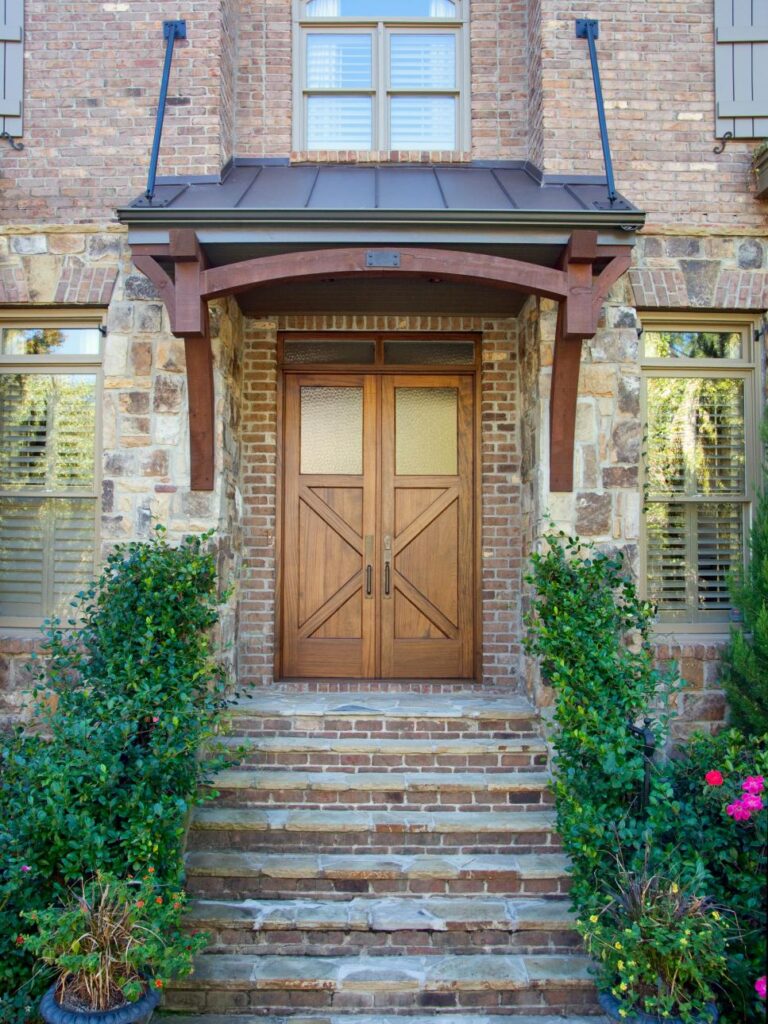
Imagine stepping into a home where the air hums with quiet vitality, where the first impression isn’t just seen but felt—a sanctuary where resilience meets warmth, and every glance lingers like a whispered secret. This is the magic of cacti in entryways, where these prickly sentinels transform mundane thresholds into living art, blending the untamed spirit of the desert with the refined elegance of modern design. More than mere plants, cacti are architectural storytellers, their silhouettes whispering tales of endurance, protection, and unexpected beauty.
The Metaphorical Might of Cacti: Guardians of the Threshold
In the lexicon of design, entryways are the prologues to a home’s narrative, and cacti are the steadfast protagonists who set the tone. Their very presence is a paradox—softened by the gentle curve of a saguaro’s arms or the geometric precision of an echeveria’s rosette, yet unyielding in their silent vigil. Metaphorically, they embody the duality of hospitality and fortification: welcoming guests with open arms while standing as a bulwark against the chaos of the outside world. A well-placed cactus near the door isn’t just decor; it’s an unspoken promise that this space is both a refuge and a celebration of life’s tenacity.
Their spiny exteriors, often misconstrued as inhospitable, are in truth a masterclass in adaptive elegance. Each thorn is a calculated defense mechanism, a reminder that beauty and resilience are not mutually exclusive. In an era where minimalism often borders on sterility, cacti inject a dose of raw, unapologetic character—like a handshake that lingers just a second too long, leaving an indelible impression.
Design Alchemy: Blending Cacti with Entryway Aesthetics
Integrating cacti into entryway design is less about random placement and more about orchestrating a symphony of textures, scales, and narratives. The key lies in understanding their role as both focal points and harmonizing elements. A towering barrel cactus, with its ribbed, barrel-like form, can anchor a space, its verticality drawing the eye upward and creating a sense of grandeur. Conversely, a cluster of small, clustered cacti—like a gathering of ancient sentinels—can evoke a sense of communal warmth, their varied heights and shapes adding layers of visual intrigue.
For modern entryways, consider the interplay of cacti with materials like terracotta, concrete, or reclaimed wood. The earthy tones of these surfaces amplify the cacti’s natural hues, while their rough textures create a tactile dialogue with the smooth, sometimes waxy surfaces of the plants. In contrast, sleek, high-gloss finishes can make cacti appear as if they’ve been plucked from a futuristic oasis, their silhouettes sharp against the polished backdrop. The result? A space that feels both timeless and cutting-edge, where the past and future coexist in a single glance.
The Psychology of Prickles: Why Cacti Make Us Feel Safe
There’s an undeniable psychological comfort in the presence of cacti, a phenomenon rooted in their symbolic resonance. Psychologists suggest that humans are instinctively drawn to patterns of resilience and adaptability, traits that cacti embody in spades. Their ability to thrive in arid, unforgiving conditions mirrors our own subconscious desire to cultivate strength in adversity. Placing a cactus near the entrance, then, is akin to hanging a talisman above the door—a silent affirmation that this space is a sanctuary, capable of weathering life’s storms.
Moreover, the act of nurturing a cactus—watering it sparingly, ensuring it receives just the right amount of light—engages us in a meditative ritual. It’s a reminder that care, even in its most minimal form, fosters growth. This ritualistic interaction can subconsciously reinforce feelings of control and stability, especially in entryways where the outside world’s chaos often begins. A cactus doesn’t just stand guard; it invites us to pause, breathe, and reconnect with the rhythms of nature, even in the most urban of settings.
Cacti as Cultural Emissaries: From Desert to Doorstep
The allure of cacti extends beyond their physical attributes; it’s deeply intertwined with their cultural significance. Indigenous communities across the Americas have long revered these plants not just for their practical uses—providing food, medicine, and shelter—but for their spiritual symbolism. The cactus, particularly the saguaro, is often seen as a bridge between the earthly and the divine, its towering presence a testament to the interconnectedness of all life. By incorporating cacti into entryways, we’re not just borrowing from nature’s palette; we’re inviting centuries of tradition and reverence into our homes.
In Mexican and Southwestern design, cacti are staples of *curanderismo*, the folk healing tradition that views plants as allies in both physical and spiritual wellness. A cactus near the door isn’t merely decorative; it’s a silent healer, warding off negative energy while welcoming prosperity. Even in Japanese *wabi-sabi* aesthetics, where imperfection is celebrated, the cactus’s asymmetrical beauty and resilience align perfectly with the philosophy of finding beauty in transience. This cross-cultural appeal makes cacti versatile ambassadors, capable of adapting to a myriad of design languages while retaining their intrinsic mystique.
Practical Considerations: Choosing and Caring for Entryway Cacti
While the metaphorical and aesthetic benefits of cacti are undeniable, their practical integration requires thoughtful consideration. Not all cacti are suited for entryway life—some thrive in bright, indirect light, while others demand the harsh, direct rays of a desert sun. For indoor entryways, opt for species like the *Zamioculcas zamiifolia* (ZZ plant) or *Sansevieria* (snake plant), which share the cactus’s love of neglect but lack the spines. If you’re set on a true cactus, the *Opuntia* (prickly pear) or *Echinocactus grusonii* (golden barrel) are forgiving choices, their robust forms enduring fluctuations in temperature and humidity.
Placement is equally critical. Avoid positioning cacti where they’ll be jostled by passersby—no one wants to greet guests with a surprise prickle. Instead, elevate them on pedestals, nestle them in wall-mounted planters, or cluster them in a dedicated corner where their presence can be admired without obstruction. And while cacti are famously low-maintenance, they’re not no-maintenance. A light dusting of their spines (yes, even the dreaded *Mammillaria* with its dense, hair-like spines) and an occasional rotation to ensure even growth will keep them looking their best. Remember, a thriving cactus is a happy cactus—and a happy cactus is the best kind of greeter.
Beyond the Single Cactus: Creating a Cacti Ensemble
Why settle for one cactus when a curated collection can tell a richer story? A grouping of cacti—each with its own personality—creates a dynamic tableau that evolves with the seasons. Imagine a vignette of a *Ferocactus* with its bold, ribbed structure standing sentinel beside a delicate *Mammillaria* with its fuzzy, almost whimsical appearance. Add a trailing *Senecio rowleyanus* (string of pearls) spilling over the edge of a planter, and suddenly, the entryway feels like a living ecosystem, each plant contributing to a harmonious whole.
For a touch of whimsy, incorporate non-cactus succulents like *Haworthia* or *Aloe*, their varied shapes and colors adding depth without overwhelming the space. The key is to play with scale and texture: pair a spiky *Echeveria* with a smooth, rounded *Jade plant*, or juxtapose the verticality of a *Euphorbia tirucalli* (pencil cactus) with the horizontal sprawl of a *Kalanchoe luciae* (paddle plant). The result is a visual symphony that invites curiosity and conversation, turning the entryway into a gallery of botanical art.
The Future of Cacti in Design: Trends and Innovations
As sustainability becomes a cornerstone of modern design, cacti are poised to take center stage. Their water-wise nature aligns perfectly with eco-conscious living, and their ability to purify the air (yes, even cacti contribute to indoor air quality!) makes them ideal for urban dwellers seeking a touch of nature without the guilt. Designers are also experimenting with unconventional presentations—think cacti suspended in geometric glass terrariums, or integrated into living walls that double as air filters. The rise of biophilic design, which emphasizes humanity’s innate connection to nature, further cements cacti’s place in contemporary interiors.
Innovations in artificial cacti are also worth noting. For those who love the aesthetic but lack the green thumb, hyper-realistic faux cacti offer the same visual impact without the upkeep. These designs are becoming increasingly sophisticated, with materials that mimic the subtle sheen of spines and the velvety texture of leaves. Whether real or faux, the future of cacti in entryways is bright, bold, and brimming with possibility.
The next time you step across a threshold adorned with a cactus, take a moment to appreciate the layers of meaning woven into that single plant. It’s more than a decoration; it’s a silent guardian, a cultural artifact, a living sculpture, and a testament to the beauty of resilience. In a world that often feels fragmented, the cactus reminds us that strength and grace can coexist—and that the most welcoming spaces are those that tell a story worth revisiting.
FAQ
What types of cacti are best for entryways?
Cacti like Opuntia (prickly pear) and Echinocactus grusonii (golden barrel) are ideal for entryways due to their robustness and ability to thrive in varying light conditions.
How do cacti enhance the entryway experience?
Cacti enhance entryways by adding unique design elements, providing a sense of protection, and creating a welcoming atmosphere.


Leave a Reply