
Short Answer
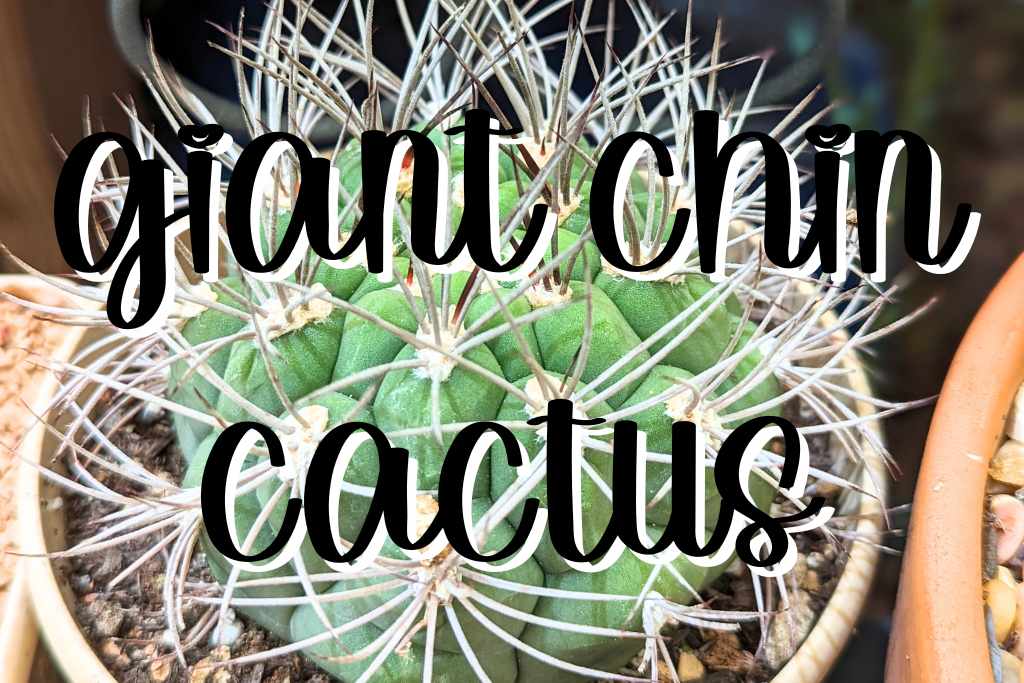
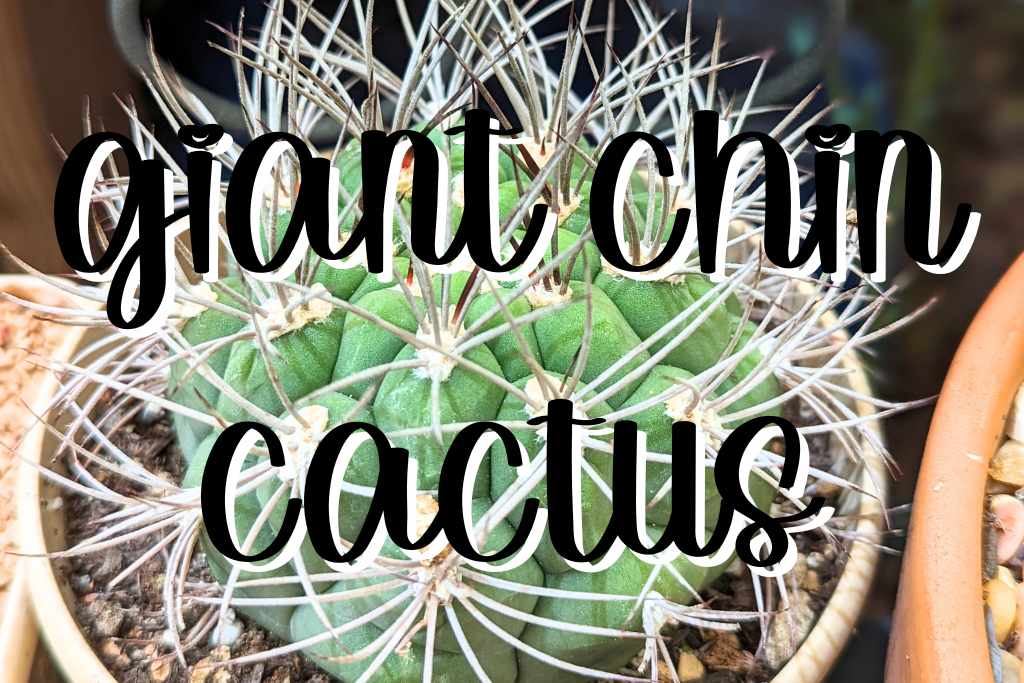
Have you ever wondered if a spiky, sculptural cactus like Gymnocalycium could truly thrive within the confines of a cozy indoor container? At first glance, the idea may seem a bit daunting. These charming succulents, with their intricate ribbed bodies and occasional bursts of vibrant flowers, evoke images of sun-soaked deserts rather than the dim corners of your living room. Yet, with the right approach, these diminutive desert gems can flourish beautifully indoors, adding an unexpected touch of elegance and intrigue to your plant collection. What challenges might you face, and how can you surmount them to cultivate a thriving Gymnocalycium indoors? Let’s embark on this journey together.
Choosing the Ideal Container for Gymnocalycium
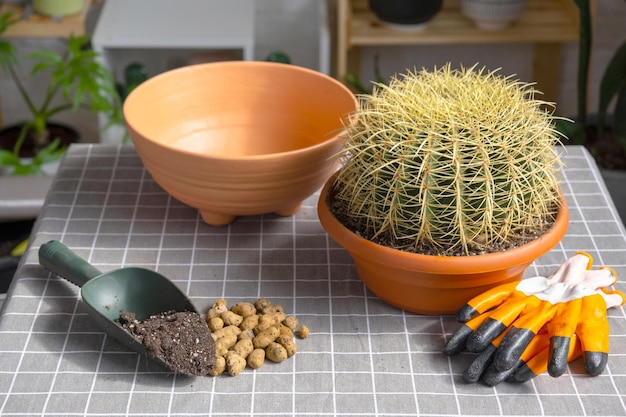
The foundation of successful indoor growth begins with selecting the perfect vessel. Gymnocalycium plants, with their compact form and shallow roots, favor containers that provide stability yet prevent water accumulation. Opt for slightly wider pots rather than deep ones, allowing the cactus room to spread horizontally without risking waterlogged roots. Clay or terracotta pots are often the champions here due to their porous nature, facilitating excellent aeration and moisture evaporation — vital for cacti that detest soggy feet.
Drainage holes are non-negotiable. Without efficient drainage, even the most vigilant watering routine cannot prevent rot. Consider elevating your pot slightly using pot feet or a stand to ensure unobstructed water flow. Remember, an exquisite container not only serves functionality but complements the sharp architectural beauty of the Gymnocalycium, transforming it into a living work of art.

Crafting the Perfect Soil Mix
The very heartbeat of healthy growth lies beneath the surface — in the soil composition. Gymnocalycium are desert natives accustomed to fast-draining, mineral-rich substrates. Replicating this underground environment is crucial for indoor cultivation. A tailored cactus mix typically includes coarse sand, perlite, and a modest amount of organic matter like peat or coconut coir.
Avoid potting soils that are dense or retain excessive moisture, as they starve the cactus roots of oxygen, inviting fungal diseases. For those who relish DIY projects, a blend of 50% coarse sand, 25% perlite or pumice, and 25% cactus potting soil often strikes the perfect balance. Adding a pinch of vermiculite can help maintain some humidity without sacrificing drainage. This gritty concoction mimics the natural terrain these succulents adore, encouraging robust root development and vibrant growth.
Optimal Lighting Conditions: A Delicate Balancing Act
Gymnocalycium, while resilient, have their own preferences when it comes to light. Too little illumination and they stretch, lose their distinct ribbing, and become pale — a sad sight indeed. Yet too much direct sunlight can scorch their tender epidermis, leaving unsightly burn marks.
Ideal conditions call for bright, indirect light. A windowsill bathed in morning sun or filtered through translucent curtains provides a gentle radiance that these plants relish. Artificial grow lights can substitute daylight during the gloomy winter months, delivering the precise wavelengths necessary for photosynthesis. Aim for a daily regimen of approximately 6 hours of filtered light. Notably, some species of Gymnocalycium are more tolerant of lower light levels, but overall, maintaining a luminous environment enhances their flowering potential and overall health.
The Intricacies of Watering: When and How Much?
Watering a Gymnocalycium indoors is a nuanced dance. Unlike many houseplants, they demand sparing hydration — an excess can spell doom. Typically, watering once every two to three weeks suffices during the growing season (spring through summer). The key is to let the soil nearly dry out completely between waterings. This simulates the natural rain cycles of arid habitats.
During their dormant phase in autumn and winter, reduce watering drastically. Plants require minimal moisture as their metabolic rate slows to conserve energy. Monitoring the pot’s weight or testing soil moisture with a meter can help avoid the common pitfall of overwatering. Water thoroughly yet infrequently, ensuring that any excess drains away unabated. Always allow the top inch of soil to dry before the next watering. Such prudence prevents root rot and supports the plant’s resilience.
Temperature and Humidity: Mimicking the Desert Climate
While tropical houseplants often crave humidity, Gymnocalycium prefers a contrasting environment — dry air and moderate warmth. Ideal indoor temperatures fluctuate between 65°F and 80°F (18°C to 27°C), with a tolerable range slightly outside this band. These cacti can endure short cooler dips but should be shielded from frost-like conditions.
Indoor humidity levels in most homes are sufficient; in fact, high humidity can foster fungal infections. If your home tends to be damp, consider employing a dehumidifier or relocating the cactus to a spot with better air circulation. Avoid bathrooms or kitchens where steam abundance may cause harm. Curating a climate that echoes the cactus’s native semi-arid regions encourages healthier, more vigorous growth.
Nurturing Growth: Feeding and Fertilizing Gymnocalycium
Nutrient infusion is a subtle art when it comes to cacti. Gymnocalycium are adapted to poor soils and don’t require heavy feeding. Practicality lies in modest fertilization during the active growing period with a balanced, diluted cactus fertilizer. Apply a water-soluble type once a month from early spring until late summer.
A void over-fertilizing, which can encourage weak, elongated growth or even chemical damage. During dormancy, cease feeding entirely. You’ll find that this minimalist approach harmonizes perfectly with the plant’s slow and steady growth habit, allowing it to develop its signature stout ribs and enthralling flower buds.
Common Challenges and How to Overcome Them
Indoor Gymnocalycium cultivation isn’t without its trials. Perhaps the most notorious villain is overwatering leading to root rot, which can rapidly deteriorate these hardy plants. Additionally, insufficient light may cause etiolation—a stretched, unhealthy appearance. Pests such as spider mites and mealybugs occasionally appear but are generally manageable with prompt attention and appropriate treatments.
One often overlooked challenge is repotting. Although these cacti enjoy snug quarters, they require fresh soil every two to three years to replenish nutrients and stave off compaction. Use gloves or tongs to gently handle the spines, and select a slightly larger pot each time. Root disturbance is minimal but essential to encourage new growth.
Encouraging Bloom: The Ultimate Reward
What could be more delightful than witnessing your Gymnocalycium blossom indoors? Their flowers, often funnel-shaped and brightly colored, evoke a secret desert festival. Flowering depends on a combination of good light, appropriate watering, and outdoor temperature simulation—cooler nights can trigger blooming.
One trick to simulate seasonal changes is to expose the plant to cooler nighttime temperatures during winter while maintaining daytime warmth. This tug-of-war signals the cactus’s internal clock, promoting flower bud formation come spring. Patience is key, as these blooms may last only a few days, but their ephemeral beauty is well worth the wait.
With intention and care, your indoor Gymnocalycium can become a striking conversation piece, a resilient miniature desert oasis nestled within your living space. The challenges encountered are invitations to deepen your botanical knowledge and plant-keeping skills, rewarding you with tactile and visual pleasures season after season. So, why not embark on this fascinating journey—are you ready to bring a slice of the desert indoors?
FAQ
What type of pot is best for Gymnocalycium cacti?
Clay or terracotta pots are recommended as they provide excellent aeration and moisture evaporation.
How often should I water my Gymnocalycium?
Water once every two to three weeks during the growing season, allowing the soil to dry out completely between waterings.
What lighting conditions do Gymnocalycium prefer?
They thrive in bright, indirect light, ideally receiving about 6 hours of filtered light daily.

Leave a Reply