
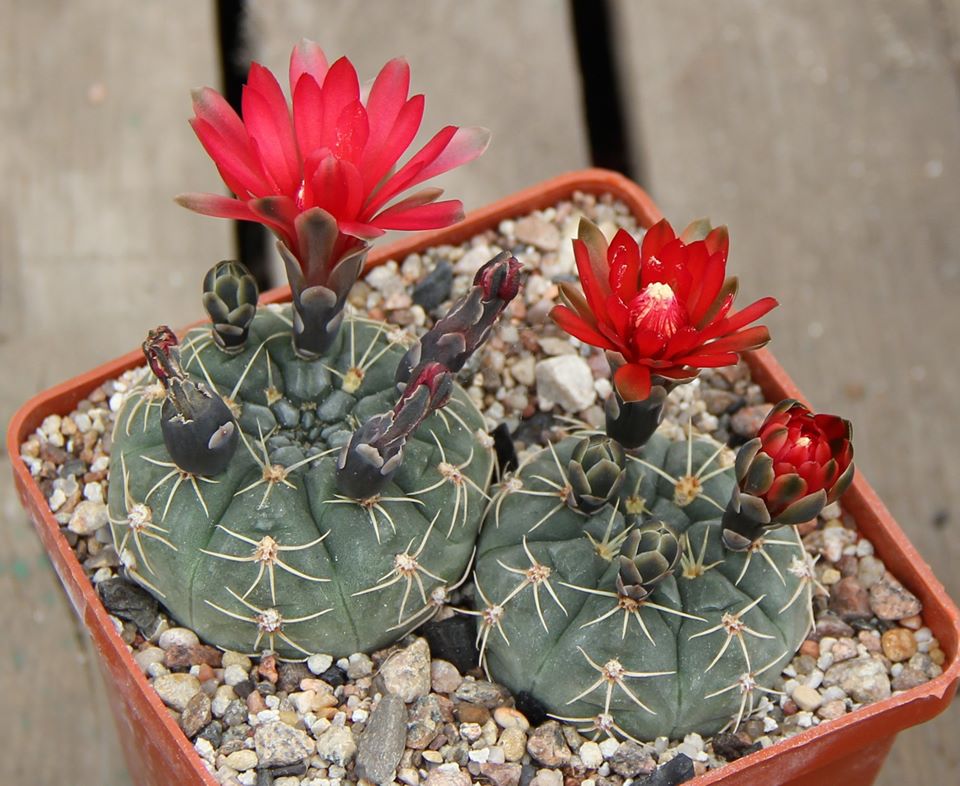
Short Answer
In the verdant world of succulents, few genera captivate the imagination quite like Gymnocalycium—those jewel-like cacti with their ribbed, globular forms and delicate, pastel-hued blooms. For enthusiasts seeking to cultivate these botanical treasures, the choice of nursery can make all the difference. Not all suppliers prioritize ethical sourcing, sustainable practices, or the well-being of their plants—and by extension, the planet. Whether you’re a seasoned collector or a budding green thumb, aligning with nurseries that share your values ensures your Gymnocalycium collection thrives in harmony with nature. Here’s your guide to the finest nurseries where ethics and horticulture intertwine.
The Art of Ethical Succulent Sourcing: Why It Matters
Beyond the allure of a perfectly symmetrical Gymnocalycium specimen lies a deeper narrative—one of conservation, fair labor, and ecological stewardship. Ethical nurseries don’t just sell plants; they cultivate ecosystems. The wild Gymnocalycium species, native to the arid landscapes of South America, face threats from habitat destruction and overharvesting. By supporting nurseries that propagate these cacti responsibly, you’re voting with your wallet for biodiversity preservation. Look for suppliers that emphasize tissue culture propagation, avoid wild-collected specimens, and maintain transparent supply chains. Your Gymnocalycium should not come at the cost of its natural habitat.
Boutique Nurseries: Curated Collections for Discerning Collectors
For those who crave exclusivity, boutique nurseries offer a treasure trove of rare Gymnocalycium varieties, each meticulously cultivated and documented. These establishments often specialize in slow-growing, slow-propagating species, ensuring each plant receives individualized care. Expect to find cultivars like Gymnocalycium baldianum ‘Roseum’ or the elusive Gymnocalycium horstii ‘Red Head,’ prized for their vibrant hues and compact forms. Boutique nurseries frequently collaborate with botanical gardens and conservation programs, guaranteeing their stock is both ethically sourced and genetically diverse. The trade-off? Higher price points, but the reward is a collection that’s as unique as it is sustainable.
Online Havens: The Digital Greenhouse Revolution
The internet has democratized access to Gymnocalycium varieties once confined to elite collectors’ greenhouses. Online nurseries thrive in this space, offering an unparalleled selection of species, hybrids, and even tissue-cultured clones. What sets the best apart is their commitment to education—look for retailers that provide detailed care guides, growth timelines, and even virtual workshops on repotting techniques. Some platforms go further, partnering with conservationists to fund reforestation projects in the cacti’s native regions. The convenience of doorstep delivery is paired with the satisfaction of knowing your purchase supports a larger mission. Just be wary of imposters; always verify reviews, shipping policies, and propagation claims before clicking “add to cart.”
Local Sanctuaries: The Hidden Gems of Community Greenhouses
Sometimes, the most rewarding discoveries lie just beyond your doorstep. Local nurseries, especially those nestled in arid or Mediterranean climates, often cultivate Gymnocalycium with a hands-on approach that online retailers can’t replicate. These sanctuaries prioritize hardy, acclimated stock, reducing the shock of transplanting for novice growers. Many also host swap meets or workshops where enthusiasts exchange cuttings and seeds—a practice that fosters community while minimizing the carbon footprint of shipping. Supporting local businesses strengthens regional biodiversity and keeps dollars circulating within your community. Plus, there’s an unmatched joy in holding a Gymnocalycium in your hands, knowing its journey began just miles from your home.
Hybrid Havens: Where Science Meets Succulence
For the scientifically inclined, hybrid-focused nurseries offer a fascinating intersection of horticulture and innovation. These establishments specialize in controlled crosses, creating Gymnocalycium hybrids with enhanced coloration, faster growth rates, or improved disease resistance. Some even experiment with grafting techniques, combining Gymnocalycium with hardier rootstocks to create resilient, show-stopping specimens. Ethical hybrid nurseries document their processes meticulously, ensuring no wild populations are exploited in the pursuit of novelty. The result? Plants that push the boundaries of what’s possible in succulent cultivation—without compromising integrity.
Conservation Collaborators: Nurseries with a Cause
The most impactful nurseries are those that wear their ethics on their sleeves. Conservation collaborators actively fund or participate in projects aimed at protecting Gymnocalycium habitats in the wild. Some donate a portion of proceeds to organizations like the Cactus and Succulent Society of America or local conservation groups in Argentina and Brazil. Others propagate endangered species, reintroducing them to protected areas where their populations have dwindled. When you purchase from these nurseries, you’re not just buying a plant—you’re investing in its survival. Look for certifications like the CITES (Convention on International Trade in Endangered Species) compliance or partnerships with botanical gardens to ensure your support is making a tangible difference.
DIY Propagation: The Ultimate Ethical Choice
Why buy when you can grow? For the truly committed, propagating your own Gymnocalycium from seed or offsets is the most ethical—and rewarding—option. Many nurseries sell seeds or starter plants specifically for propagation, allowing you to expand your collection without depleting wild populations. The process is slow but deeply satisfying, as you watch a tiny seedling transform into a mature cactus over years. Plus, propagated plants are often more resilient, having adapted to your specific growing conditions from the start. Pair this with a nursery that sells ethically sourced parent plants, and you’ve created a closed-loop system that’s as sustainable as it is fulfilling.
The Future of Ethical Succulent Cultivation
As climate change and habitat loss reshape the landscapes where Gymnocalycium thrives, the role of ethical nurseries becomes ever more critical. The best suppliers are those that adapt, innovating with drought-resistant growing methods, renewable energy-powered greenhouses, and zero-waste packaging. They’re also educators, demystifying the world of cacti for newcomers and advocating for stronger protections for wild species. By choosing to support these forward-thinking businesses, you’re not just nurturing a collection—you’re nurturing the future of succulent cultivation itself. So go ahead, explore these nurseries, and let your Gymnocalycium collection be a testament to both beauty and responsibility.
FAQ
What are Gymnocalycium cacti?
Gymnocalycium cacti are a genus of cacti known for their ribbed, globular shapes and beautiful blooms, native to South America.
Why is ethical sourcing important for cacti?
Ethical sourcing helps protect natural habitats, ensures fair labor practices, and promotes biodiversity by preventing overharvesting.
How can I propagate Gymnocalycium cacti?
You can propagate Gymnocalycium cacti from seeds or offsets, allowing for sustainable growth without depleting wild populations.




Leave a Reply