
Short Answer
Have you ever found yourself staring at your once-vibrant Schlumbergera, now draped in a disconcerting yellow pallor, as if it’s donned a sickly autumn coat in the middle of spring? It’s a sight that can make even the most seasoned plant whisperer pause and wonder: What on earth is happening here? The truth is, your holiday cactus—yes, that’s what this beauty is often called—isn’t trying to mimic a lemon tree. It’s signaling distress, and it’s up to us to decode the message. So, grab your metaphorical detective hat, because we’re about to embark on a journey to unravel the mysteries behind your Schlumbergera’s sudden chromatic shift. Let’s dive into the why, the how, and, most importantly, the what now?
The Overwatering Epidemic: When Love Drowns the Roots
Ah, overwatering—the classic plant parent faux pas. It’s easy to fall into the trap of thinking that more water equals more love, but your Schlumbergera is no thirsty desert dweller. In fact, it thrives on the delicate balance of moisture and aeration. When the soil remains soggy for too long, the roots suffocate, their once-plump fibers turning mushy and brown. The result? A cascade of yellowing leaves, as if the plant is slowly shedding its vitality like autumn leaves in a storm. But here’s the kicker: the damage isn’t always visible at first. By the time the leaves yellow, the roots may already be rotting away, a silent tragedy unfolding beneath the soil’s surface. To combat this, let the top inch of soil dry out between waterings, and ensure your pot has drainage holes that could rival a Swiss cheese masterpiece. Your Schlumbergera’s roots will thank you with renewed vigor.
Light: The Delicate Dance of Too Much and Too Little
Picture this: your Schlumbergera lounging in a sunbeam so intense it could rival a midday desert mirage. Or perhaps it’s tucked away in a dim corner, where even the most determined spider plant would throw in the towel. Both scenarios are recipes for disaster. Schlumbergeras crave bright, indirect light—the kind that filters through a sheer curtain like a soft watercolor wash. Too much direct sunlight, and the leaves develop a sunburnt glow, their edges crisping into a yellowish hue. Too little, and the plant stretches and weakens, its stems elongating in a desperate bid for light, leaving it pallid and anemic. The solution? Find that Goldilocks zone: a spot where the light is just right, perhaps near an east-facing window or a few feet back from a south-facing one. Your cactus will reward you with a flush of healthy, vibrant growth.
Nutrient Deficiencies: The Silent Starvation
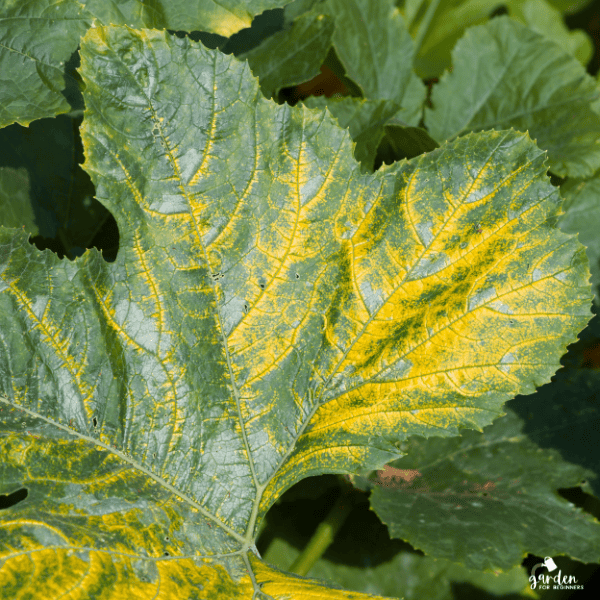
Imagine hosting a dinner party where the guest of honor—your Schlumbergera—shows up looking peaky, its leaves yellowing as if it’s been subsisting on a diet of air and good intentions. The culprit? A lack of essential nutrients. Schlumbergeras are not heavy feeders, but they do need a steady supply of macronutrients like nitrogen, phosphorus, and potassium, along with a smattering of micronutrients. A deficiency in nitrogen, for instance, can leave the leaves pale and lackluster, while a shortage of magnesium might cause interveinal chlorosis—a fancy term for yellowing between the leaf veins. The fix is simple: feed your plant with a balanced, water-soluble fertilizer diluted to half-strength every four to six weeks during the growing season. Think of it as a gentle nudge toward vitality, not a nutrient overload that could send it into shock.
Temperature Tantrums: The Goldilocks Principle Strikes Again
Schlumbergeras are tropical divas at heart, thriving in temperatures that hover between 60°F and 75°F (15°C to 24°C). Push them too far outside this range, and they’ll throw a tantrum in the form of yellowing leaves. Exposure to drafts—whether from an air conditioning vent or a chilly window in winter—can send the plant into a state of shock, its leaves yellowing as if they’ve been zapped by an invisible frost. Similarly, sudden temperature swings, like moving it from a cozy indoor nook to a scorching patio, can stress the plant into submission. The key is consistency. Keep your Schlumbergera in a stable environment, away from heaters, air conditioners, and drafty doorways. A little TLC goes a long way in preventing these temperature-induced meltdowns.
Pests: The Uninvited Guests
Even the most well-cared-for Schlumbergera can fall prey to uninvited guests: pests. Mealybugs, spider mites, and scale insects are the usual suspects, each leaving their own signature of distress. Mealybugs, for instance, secrete a cottony substance that can attract ants and encourage sooty mold, while spider mites spin delicate webs and suck the life out of leaves, leaving them yellow and stippled. Scale insects, meanwhile, cling to stems like tiny armored tanks, sapping the plant’s energy. The solution? Regular inspections. Wipe down the leaves with a damp cloth, and if you spot pests, treat your plant with neem oil or insecticidal soap. Think of it as evicting freeloaders who’ve overstayed their welcome.
Root Bound Blues: When the Pot Becomes a Prison
Schlumbergeras are not fans of cramped quarters. When their roots outgrow the pot, they become root-bound, a condition that stifles growth and leaves the plant gasping for air. The leaves may yellow as the plant diverts energy to surviving rather than thriving. The fix? Repotting. Choose a container that’s just an inch or two larger than the current one, and refresh the soil with a well-draining mix. Your Schlumbergera will stretch its metaphorical legs and reward you with a burst of new growth. Just be sure to handle the roots gently—think of it as a delicate transplant surgery rather than a root-ripping frenzy.
Dormancy Distress: The Seasonal Slump
Schlumbergeras, like all good things, need a break. After a season of blooming, they enter a period of dormancy, a time to rest and recharge. During this phase, they require less water and no fertilizer. If you continue to water and feed them as if they’re in full growth mode, you might overwhelm them, leading to yellowing leaves. The solution? Ease up. Reduce watering, skip the fertilizer, and let your plant take its well-deserved nap. When spring rolls around, it’ll wake up refreshed and ready to dazzle you with another round of vibrant blooms.
So there you have it—a comprehensive guide to rescuing your Schlumbergera from its yellowing plight. Remember, plants don’t just wilt without reason; they’re communicating, and it’s up to us to listen. With a little patience, observation, and TLC, your holiday cactus will bounce back, its leaves a lush green testament to your care. And who knows? Next season, it might even reward you with a dazzling display of flowers that’ll make your heart skip a beat.
FAQ
What causes yellowing leaves in Schlumbergera?
Yellowing leaves can be caused by overwatering, inadequate light, nutrient deficiencies, temperature stress, pests, being root-bound, or improper care during dormancy.
How can I prevent my holiday cactus from turning yellow?
Ensure proper watering, provide bright indirect light, use balanced fertilizer, maintain stable temperatures, and check for pests regularly.





Leave a Reply