
Short Answer
When the camera pans across a vast, sun-baked expanse where the horizon shimmers like a mirage, the cactus stands not as a mere plant, but as a silent sentinel of the desert’s untamed spirit. In filmmaking, these spiky botanical sculptures do far more than decorate the frame—they breathe life into barren landscapes, evoke emotions, and anchor narratives in authenticity. From the sun-scorched dunes of a post-apocalyptic wasteland to the rugged terrain of a classic Western, cacti are the unsung heroes of set design, transforming celluloid dreams into tangible realities. Whether standing tall as solitary giants or clustered in thorny thickets, these plants wield an unparalleled power to transport audiences to worlds where the air itself seems to vibrate with heat and history.
The Art of Botanical World-Building: How Cacti Define Desert Realms
In the alchemy of film production, every detail matters—especially in the creation of desert environments where the line between realism and artifice blurs with the shimmering heat. Cacti, with their stark silhouettes and weathered textures, serve as the cornerstone of this world-building. Their presence instantly signals aridity, isolation, and resilience, qualities that resonate deeply with audiences. A lone saguaro, its arms outstretched like a sentinel, can evoke a sense of timelessness, while a field of prickly pear cacti might whisper of hidden dangers lurking beneath the sand. Filmmakers leverage these botanical cues to establish mood and context before a single line of dialogue is spoken. The cactus becomes a visual shorthand, a non-verbal narrator that sets the stage for the story unfolding within its shadow.

From Miniature to Monumental: Scaling Cacti for Cinematic Impact
Not all cacti are created equal in the eyes of a filmmaker. The scale of these plants can dramatically alter the perception of a scene, turning a humble prop into a cinematic landmark. For intimate desert interiors or close-up shots, propmasters craft hyper-realistic miniature cacti from foam, latex, or even 3D-printed polymers, ensuring every spine and ridge is meticulously rendered. These tiny titans allow for precise control over lighting and texture, capturing the delicate interplay of light and shadow that defines desert photography. Conversely, massive fiberglass or steel cacti—some standing over twenty feet tall—dominate wide shots, their imposing forms dwarfing actors and vehicles alike. This contrast in scale isn’t merely practical; it’s a storytelling device. A towering cactus can symbolize the insurmountable challenges faced by characters, while a cluster of smaller, gnarled specimens might hint at the passage of time or the harshness of survival.
The Language of Thorns: Symbolism and Subtext in Desert Settings
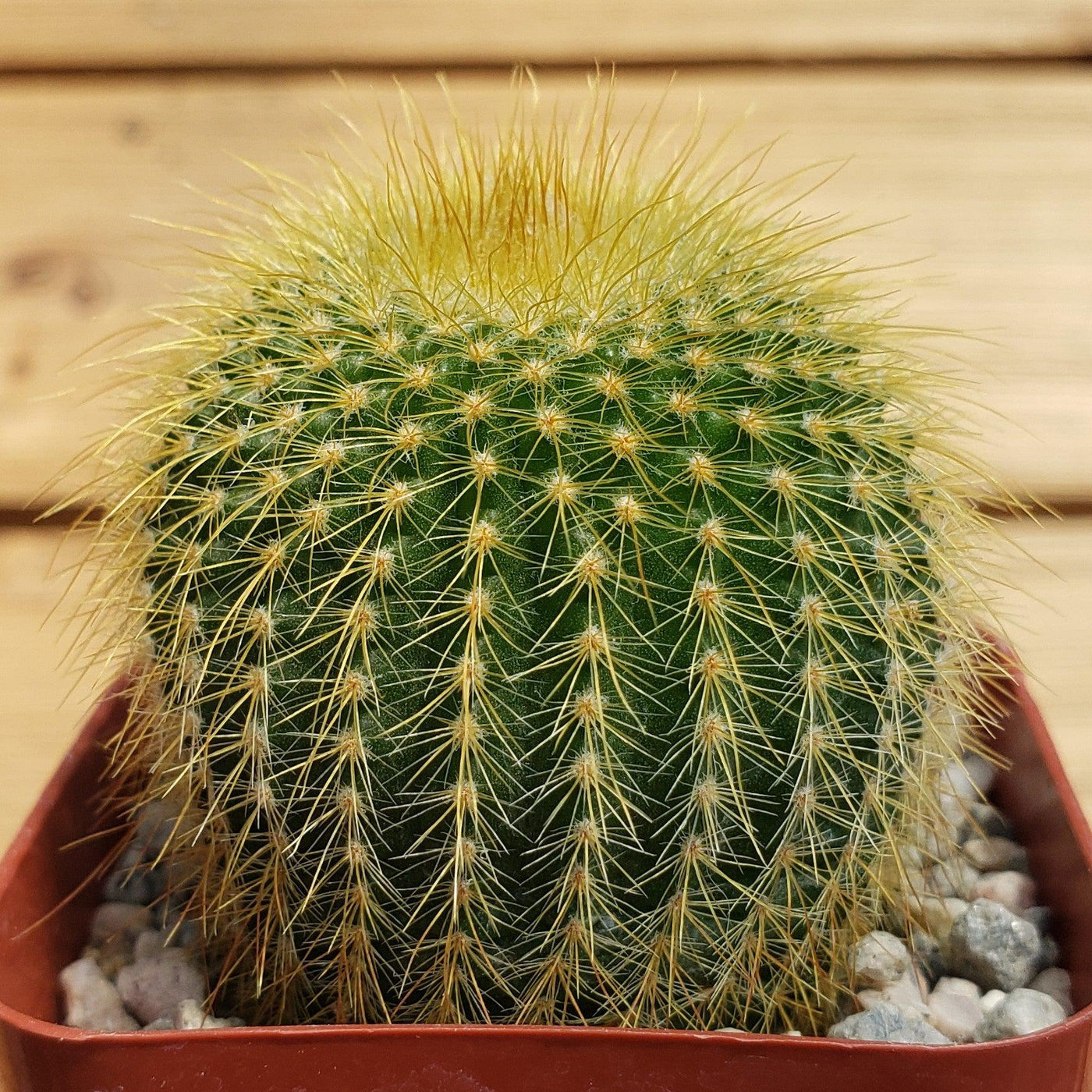
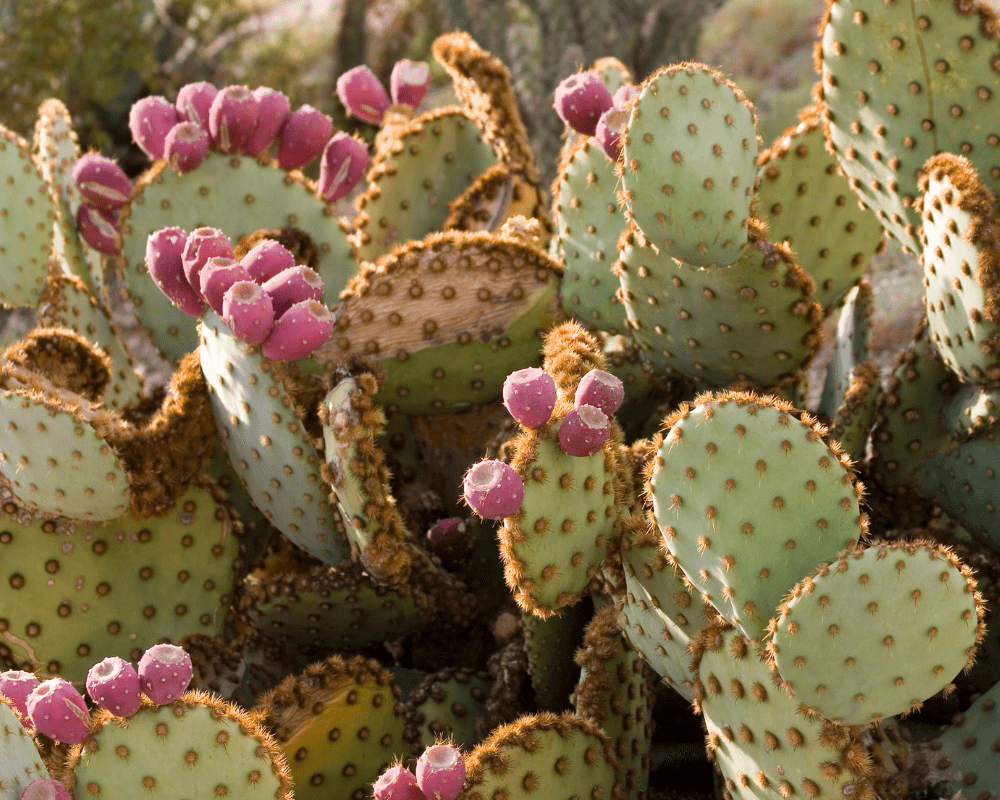
Beyond their visual appeal, cacti carry a rich tapestry of symbolism that filmmakers exploit to deepen narrative layers. The saguaro, with its segmented arms reaching skyward, often represents endurance and the passage of time, a silent witness to the ebb and flow of human drama. Prickly pear cacti, with their flat, paddle-like pads, evoke both fragility and tenacity, their spines a metaphor for the barriers that protect yet also isolate. Even the humble barrel cactus, round and unassuming, can signify resilience in adversity, its compact form a testament to nature’s ability to thrive in inhospitable conditions. By strategically placing these plants within a frame, directors and cinematographers infuse their scenes with subtext, allowing the desert itself to speak volumes without uttering a word. A character’s interaction with a cactus—whether they brush against its spines or use it as a landmark—can reveal volumes about their journey, their fears, or their aspirations.

Lighting the Desert: Harnessing Cacti to Enhance Cinematic Lighting
The interplay between cacti and light is a dance of contrasts—sharp shadows against sunlit spines, silhouettes carved by the setting sun, and the occasional glint of reflected heat. Cinematographers treat these plants as natural light modifiers, using their shapes to create dramatic patterns on the sand or to frame actors in pools of golden hour glow. During the golden hour, the low angle of the sun transforms cacti into intricate lacework of light and shadow, their spines casting delicate, lace-like patterns across the terrain. Conversely, the harsh midday sun can bleach out colors, turning cacti into stark, almost monochromatic silhouettes that emphasize isolation and desolation. By manipulating the placement of cacti within a shot, filmmakers can guide the viewer’s eye, drawing attention to key elements of the scene or obscuring them in mystery. The cactus, in this context, is not just a prop but a collaborator in the visual storytelling process.
Practical Magic: The Craftsmanship Behind Cinematic Cacti
Creating cacti that look real under the unrelenting scrutiny of a film camera is no small feat. It requires a blend of botanical knowledge, sculptural skill, and a deep understanding of how light interacts with organic forms. For close-up shots, artisans sculpt cacti from lightweight materials like urethane foam or silicone, painting each spine by hand to achieve a level of detail that rivals nature itself. These hyper-realistic props are often treated with special coatings to mimic the waxy sheen of a live plant or the dusty patina of age. For larger installations, filmmakers turn to fiberglass or even repurposed industrial materials, crafting towering structures that can withstand the elements and the rigors of production. The process is as much about deception as it is about artistry—every spine, every groove, every subtle variation in color is designed to trick the eye into believing it’s looking at the real thing. And in the world of filmmaking, where the audience’s suspension of disbelief is paramount, these meticulously crafted illusions are the difference between a forgettable backdrop and an unforgettable cinematic moment.
Cacti in Genre: From Westerns to Sci-Fi, Their Versatile Roles
The versatility of cacti is perhaps their greatest asset in filmmaking. In Westerns, they’re the quintessential markers of frontier life, their presence signaling the vast, untamed wilderness that awaits cowboys and outlaws alike. In post-apocalyptic films, they become symbols of a world reborn, their resilience mirroring humanity’s struggle to survive in a shattered landscape. Sci-fi epics often use cacti to evoke alien worlds, their unusual forms hinting at the strange and unknown. Even in romantic dramas, a lone cactus standing against a blazing sunset can serve as a poignant metaphor for love’s endurance in the face of adversity. The adaptability of these plants allows them to transcend genres, their meanings shifting with the context of the story. Whether they’re a backdrop for a shootout or a silent witness to a love scene, cacti are the chameleons of the cinematic desert, shifting their significance to fit the narrative at hand.
Sustainability on Set: Eco-Conscious Approaches to Desert Filming
As the film industry grapples with its environmental footprint, the use of cacti in production has come under scrutiny. Live cacti, while undeniably authentic, are often protected species or delicate ecosystems that cannot withstand the demands of a film set. In response, many productions are turning to sustainable alternatives, such as artificial cacti made from recycled materials or biodegradable composites. These eco-friendly props reduce the environmental impact of filming while still delivering the visual impact filmmakers crave. Some productions go a step further by incorporating real cacti into their sets in a respectful and temporary manner, ensuring they are replanted or left undisturbed after filming. The shift toward sustainability reflects a growing awareness within the industry that authenticity should not come at the cost of the environment. By embracing innovative materials and ethical practices, filmmakers can continue to harness the power of cacti without leaving a lasting scar on the landscapes they so lovingly recreate.
FAQ
Why are cacti used in film sets?
Cacti are used to create authentic desert environments, evoke emotions, and add depth to narratives.
What materials are cacti props made from?
Cacti props can be made from foam, latex, fiberglass, and even 3D-printed polymers.
What symbolic meanings do cacti carry in film?
Cacti symbolize endurance, resilience, and the harshness of survival in desert settings.



Leave a Reply