
Short Answer
In the vast, sun-scorched expanses of deserts and the rugged, sun-baked landscapes of arid regions, a silent sentinel stands tall—unassuming yet resilient, spiky yet strangely alluring. The cactus, with its stoic endurance and stark beauty, has woven itself into the cultural tapestry of civilizations across the globe. Far more than a mere survivor of harsh conditions, the cactus is a symbol steeped in profound meanings, a living metaphor for human virtues and existential truths. Its prickly exterior belies a heart of resilience, a lesson that has captivated the human imagination for millennia. From the ancient civilizations of the Americas to the spiritual traditions of the Middle East, the cactus has been revered, feared, and celebrated in equal measure. Prepare to embark on a journey through the hidden meanings of cacti, where each spine and bloom tells a story of survival, spirituality, and the indomitable spirit of life itself.
The Cactus as a Symbol of Resilience: A Lesson from the Desert
Few plants embody the art of survival as eloquently as the cactus. In the merciless glare of the desert sun, where water is a fleeting mirage and the soil is parched, the cactus thrives—not in spite of its harsh environment, but because of it. Its thick, waxy skin minimizes water loss, while its shallow, widespread roots snatch moisture from the scarcest of rains. This extraordinary adaptability has made the cactus a potent symbol of resilience, a living testament to the power of endurance in the face of adversity.
In many indigenous cultures, the cactus is revered as a teacher, its very existence a masterclass in adaptation. The Native American tribes of the Southwest, for instance, have long viewed the cactus as a guardian of life, its ability to flourish in barren landscapes a reminder that even in the most inhospitable conditions, growth is possible. The cactus does not merely survive; it transforms the desert into a canvas of life, its blooms a fleeting yet breathtaking testament to nature’s tenacity. This resilience is not just a biological marvel—it is a philosophy, a call to embrace challenges with fortitude and grace.

Sacred Spines: The Cactus in Spiritual and Religious Traditions
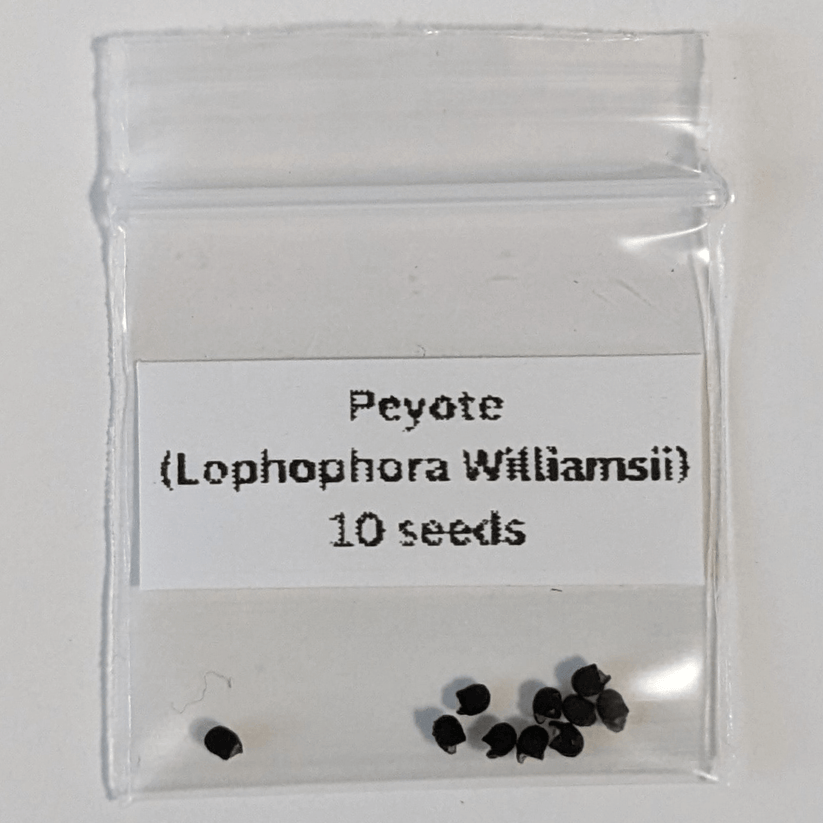
Beyond its physical resilience, the cactus has carved a sacred niche in the spiritual and religious practices of numerous cultures. In Mesoamerica, the peyote cactus (*Lophophora williamsii*) holds a hallowed place in indigenous rituals, its psychoactive properties facilitating communion with the divine. For the Huichol people of Mexico, peyote is not merely a plant—it is a deity, a bridge between the earthly and the spiritual realms. Consumed in sacred ceremonies, it is believed to cleanse the soul, reveal hidden truths, and foster a deep connection with the cosmos.
In the Judeo-Christian tradition, the cactus has been interpreted as a symbol of both suffering and redemption. The thorny branches of the cactus, often likened to the crown of thorns worn by Jesus during the crucifixion, serve as a poignant reminder of sacrifice and penance. Yet, even in this context, the cactus’s ability to bloom in desolation offers a message of hope—a promise that even in the darkest of times, life will find a way to flourish. The cactus, in its duality of pain and beauty, becomes a metaphor for the human journey: a path of trials that ultimately leads to transcendence.
Cultural Icons: The Cactus in Art, Myth, and Folklore
The cactus has long been a muse for artists, storytellers, and dreamers, its striking silhouette and enigmatic presence inspiring countless works of art and myth. In Mexican folklore, the cactus is often depicted as a guardian of secrets, its spines a barrier against malevolent forces. The legend of the *Nopal*, a type of cactus, tells of its role in the founding of Tenochtitlan, the ancient Aztec capital. According to myth, the god Huitzilopochtli instructed the Aztecs to settle where they found an eagle perched on a cactus, devouring a serpent—a vision that led them to the site of their future city. This myth not only shaped the identity of a nation but also cemented the cactus as a symbol of destiny and divine guidance.
In the visual arts, the cactus has been a recurring motif, from the intricate embroidery of indigenous textiles to the bold strokes of modernist paintings. Frida Kahlo, the iconic Mexican artist, frequently incorporated cacti into her work, using their stark forms to explore themes of pain, identity, and resilience. The cactus, in her hands, became more than a plant—it was a mirror reflecting the complexities of the human experience. Similarly, in contemporary art, the cactus often serves as a symbol of rebellion, its defiant growth in inhospitable terrain a metaphor for artistic and personal freedom.
The Cactus as a Metaphor for Human Virtues
What is it about the cactus that resonates so deeply with the human psyche? Perhaps it is its paradoxical nature—the way it balances fragility and strength, beauty and danger, life and death. The cactus teaches us that resilience is not the absence of vulnerability but the courage to thrive despite it. Its ability to store water mirrors our own capacity to nurture our inner selves, to draw from deep reserves when the world around us is arid and unforgiving. The cactus’s blooms, often fleeting and ephemeral, remind us that even the most transient moments of beauty are worth cherishing.
In a world that often glorifies speed and excess, the cactus stands as a quiet rebel—a plant that refuses to conform to the expectations of lush, water-dependent flora. It is a symbol of sustainable living, of finding abundance in scarcity, of embracing a slower, more deliberate pace. The cactus does not ask for much; it simply asks for respect, for space to grow, and for the occasional drop of rain. In this, it offers a profound lesson: that true strength lies not in domination, but in harmony with one’s environment.
From Desert to Metropolis: The Cactus in Modern Symbolism
In today’s urban landscapes, the cactus has transcended its desert origins to become a global icon of minimalism, self-sufficiency, and modern resilience. The rise of succulent gardening and the popularity of cacti as houseplants reflect a collective yearning for simplicity and sustainability. In interior design, the cactus is often used to evoke a sense of tranquility and connection to nature, its sculptural forms adding a touch of the wild to sleek, modern spaces. Brands and artists alike have adopted the cactus as a symbol of authenticity in a world of artificiality—a reminder that beauty can be found in the most unexpected places.
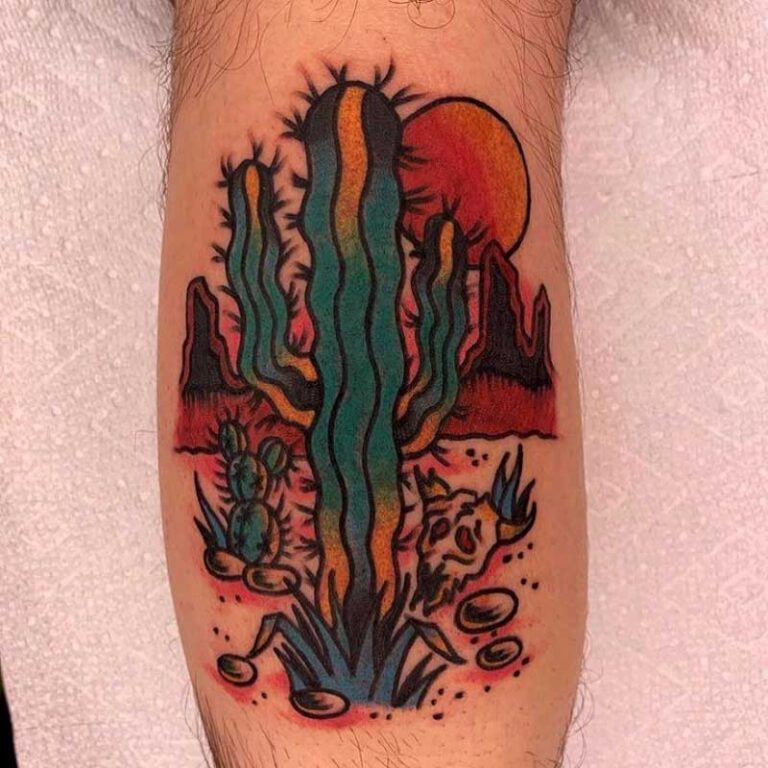
Even in popular culture, the cactus has made its mark. From the cactus-shaped piñatas of Mexican fiestas to the cactus motifs in tattoos and street art, its imagery is everywhere. It has become a shorthand for toughness, for the ability to stand tall in a world that often feels prickly and unforgiving. The cactus, in its quiet way, has become a rallying cry for those who refuse to be tamed by convention, a symbol of individuality in a culture that often demands conformity.
The Cactus as a Mirror: What It Reveals About Us
Ultimately, the cactus is more than a plant—it is a mirror, reflecting back to us the qualities we admire, the fears we harbor, and the aspirations we hold dear. It challenges us to reconsider our relationship with the natural world, to see beauty in the barren, strength in the fragile, and meaning in the mundane. The cactus does not preach; it simply exists, a silent teacher offering its wisdom to those who are willing to listen.
So the next time you encounter a cactus, whether in the wild or on a sunlit windowsill, take a moment to pause. Observe its spines, its blooms, its quiet determination. Let it remind you that resilience is not about avoiding the desert—it is about learning to bloom within it. The cactus does not ask for pity; it asks for understanding. And in that understanding, we may just find a piece of ourselves.
FAQ
What do cacti symbolize in different cultures?
Cacti symbolize resilience, survival, and beauty emerging from harsh environments, with specific meanings in various cultural and spiritual contexts.
How are cacti used in spiritual practices?
Cacti, such as peyote, play significant roles in spiritual ceremonies, serving as conduits between the earthly and divine.

Leave a Reply