
Short Answer
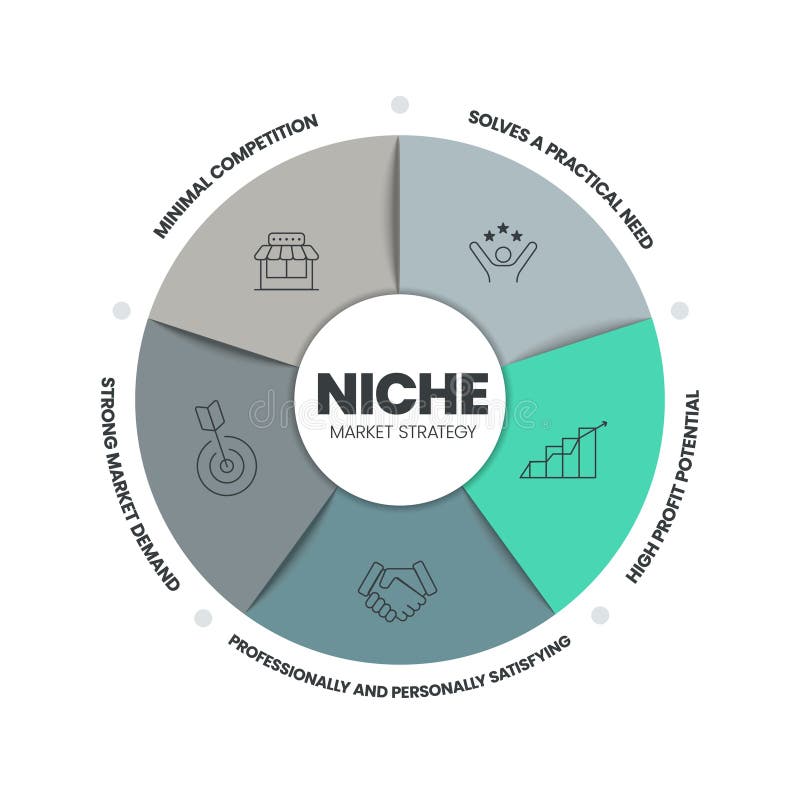
In the verdant tapestry of modern interior design, few elements captivate the eye and soothe the soul quite like a cactus terrarium. These miniature ecosystems, where spiky succulents thrive in glass-bound worlds, have surged in popularity, transforming from niche botanical novelties into coveted home decor staples. But beyond their aesthetic allure lies a thriving market brimming with opportunity—one where creativity, sustainability, and consumer demand intersect. Selling cactus terrariums isn’t just about hawking plants; it’s about curating experiences, tapping into emotional connections, and mastering the art of niche marketing. Whether you’re a budding entrepreneur or a seasoned seller looking to diversify, understanding the intricacies of this market can unlock a world of potential.
The Allure of Cactus Terrariums: Why This Niche is Bursting with Potential
Cactus terrariums are more than just decorative objects—they’re miniature ecosystems that embody resilience, simplicity, and natural beauty. Unlike traditional houseplants, which often require meticulous care, cacti thrive on neglect, making them ideal for busy urbanites or those new to plant parenthood. Their compact size and striking visual appeal cater to modern lifestyles, where space is at a premium and aesthetics matter. The rise of “plantfluencers” on social media has further fueled demand, with Instagram feeds and Pinterest boards showcasing terrariums as must-have decor pieces. For sellers, this means tapping into a market that values both form and function, where consumers are willing to invest in products that elevate their living spaces.
Moreover, the psychological benefits of owning a terrarium cannot be overstated. Studies suggest that interacting with plants reduces stress and enhances well-being, a phenomenon known as biophilia. Cactus terrariums, with their low-maintenance charm, offer a guilt-free way to bring nature indoors. This emotional resonance creates a loyal customer base—one that isn’t just buying a product but investing in a lifestyle. For entrepreneurs, this translates to higher perceived value and the ability to command premium pricing.
Types of Cactus Terrariums: From Whimsical to Minimalist
The world of cactus terrariums is as diverse as the plants themselves. For sellers, understanding the different styles can help tailor offerings to specific customer preferences. Closed terrariums, with their self-sustaining ecosystems, appeal to those who love the idea of a low-maintenance “mini garden.” Open terrariums, on the other hand, are ideal for cacti and succulents that thrive in arid conditions, offering a rugged, desert-inspired aesthetic. Geometric terrariums, with their sleek lines and modern designs, attract minimalist decorators, while whimsical, hand-blown glass vessels cater to collectors seeking one-of-a-kind pieces.
Beyond the container, the choice of cacti and companion plants can dramatically alter the terrarium’s character. A spiky, architectural saguaro cactus lends a bold, desert vibe, while a cluster of bunny ear cacti adds a touch of playfulness. Pairing cacti with air plants, moss, or even tiny figurines can create themed terrariums—think “enchanted forest” or “sci-fi oasis”—that appeal to niche audiences. For sellers, offering customization options not only increases perceived value but also fosters a deeper connection with customers who seek unique, personalized products.
Targeting the Right Audience: Who’s Buying Cactus Terrariums?
Identifying your ideal customer is the cornerstone of successful niche marketing. Cactus terrarium buyers typically fall into several distinct categories. First, there are the millennials and Gen Z consumers who prioritize sustainability and eco-friendly products. These buyers are drawn to the idea of bringing nature indoors while minimizing their environmental footprint. Second, interior design enthusiasts—particularly those with a penchant for mid-century modern, bohemian, or Scandinavian decor—see terrariums as essential accents for their spaces. Third, plant collectors and hobbyists, who may already own multiple houseplants, are always on the lookout for rare or uniquely designed terrariums to expand their collections.
Additionally, corporate clients and event planners are increasingly incorporating terrariums into office spaces, weddings, and corporate retreats as part of their wellness initiatives or aesthetic branding. Understanding these segments allows sellers to craft targeted marketing strategies, whether through social media campaigns, collaborations with interior designers, or wholesale partnerships with businesses. The key is to speak directly to the values and aspirations of each group, positioning cactus terrariums not just as products but as solutions to their lifestyle needs.
Sourcing and Crafting: The Art of Creating Irresistible Terrariums
The journey from raw materials to a finished terrarium is where creativity meets craftsmanship. For sellers who prefer a hands-on approach, sourcing high-quality materials is paramount. Glass containers can range from repurposed apothecary jars to custom-made geometric vessels, each offering a distinct appeal. The substrate—typically a blend of sand, gravel, and activated charcoal—must be carefully selected to ensure proper drainage and prevent root rot. Cacti and succulents should be healthy, pest-free, and appropriately sized for the container to create a balanced, visually pleasing arrangement.
For those who lack the time or inclination to assemble terrariums themselves, partnering with local artisans or wholesale suppliers can be a viable alternative. Many suppliers offer pre-assembled terrariums in bulk, allowing sellers to focus on branding, marketing, and customer service. Alternatively, offering DIY terrarium kits—complete with instructions, materials, and decorative elements—can appeal to the growing community of plant enthusiasts who enjoy the creative process. Whichever route you choose, the quality of your product will be the ultimate determinant of your success in this niche market.
Marketing Strategies: How to Stand Out in a Crowded Market
In a market saturated with generic houseplants and mass-produced decor, differentiation is key. One effective strategy is to emphasize the storytelling behind your terrariums. Share the journey of how each piece is crafted, the inspiration behind its design, or the ecological benefits of owning a terrarium. This narrative approach not only builds brand loyalty but also justifies premium pricing. Social media platforms like Instagram and TikTok are ideal for showcasing the visual appeal of your products, with behind-the-scenes content, time-lapse assembly videos, and customer testimonials driving engagement.
Collaborations with influencers and interior designers can also amplify your reach. Partnering with micro-influencers who align with your brand values—such as sustainable living advocates or minimalist decor enthusiasts—can introduce your terrariums to a highly targeted audience. Additionally, offering limited-edition or seasonal terrariums (e.g., Halloween-themed “spooky cacti” or holiday “mini deserts”) creates a sense of urgency and exclusivity. Don’t underestimate the power of email marketing, either; a well-crafted newsletter featuring care tips, styling ideas, and exclusive offers can nurture a loyal customer base.
Pricing and Profitability: Balancing Value and Accessibility
Pricing cactus terrariums requires a delicate balance between reflecting their craftsmanship and remaining accessible to your target audience. Entry-level terrariums, such as small open containers with common cacti, can be priced between $20 and $50, appealing to impulse buyers and gift shoppers. Mid-range terrariums, featuring unique glassware or rare plants, may range from $50 to $150, targeting interior design enthusiasts and collectors. High-end terrariums, such as custom-made geometric vessels with premium plants, can command prices upwards of $200, catering to luxury buyers and corporate clients.
To maximize profitability, consider offering add-ons such as personalized engravings, premium packaging, or subscription boxes that include seasonal terrariums. Upselling complementary products—like cactus soil mixes, decorative pebbles, or care guides—can also boost average order value. Additionally, bundling terrariums with related items, such as succulent propagation stations or wall-mounted planters, can create a cohesive product line that encourages repeat purchases. The goal is to make your offerings irresistible while ensuring that your pricing strategy aligns with your brand’s positioning.
Overcoming Challenges: Common Pitfalls and How to Avoid Them
While the cactus terrarium market is ripe with opportunity, it’s not without its challenges. One of the most common hurdles is customer education—many buyers are unfamiliar with the care requirements of cacti and may inadvertently harm their terrariums by overwatering or choosing the wrong substrate. To mitigate this, provide clear, concise care instructions with every purchase, and consider creating blog posts or videos that address frequently asked questions. Another challenge is competition from mass-produced, low-quality terrariums that flood online marketplaces. To stand out, focus on craftsmanship, storytelling, and exceptional customer service.
Logistics can also pose a problem, particularly when shipping live plants. Cacti are relatively hardy, but they still require careful packaging to prevent damage during transit. Invest in sturdy, insulated boxes and use moisture-wicking materials to protect the plants. Additionally, be transparent about shipping times and potential delays to manage customer expectations. Finally, seasonal fluctuations in demand—such as a lull after the holiday season—can impact sales. To counteract this, plan ahead with seasonal promotions, such as Valentine’s Day “love cacti” or summer “beach-inspired terrariums,” to keep revenue flowing year-round.
The Future of Cactus Terrariums: Trends and Opportunities
The cactus terrarium market shows no signs of slowing down, with several emerging trends poised to shape its future. One such trend is the rise of “smart terrariums,” which incorporate IoT technology to monitor soil moisture, light levels, and even plant health via smartphone apps. While still in their infancy, these innovations cater to tech-savvy consumers who seek convenience without sacrificing their love for plants. Another trend is the growing demand for sustainable and ethically sourced materials, from recycled glass to organic substrates. Brands that prioritize eco-conscious practices will resonate with environmentally aware buyers.
Additionally, the concept of “terrarium therapy” is gaining traction, with mental health professionals recommending plant care as a form of stress relief. This opens doors for partnerships with wellness brands, spas, and even corporate wellness programs. Customization will also continue to be a major driver, with sellers offering augmented reality (AR) tools that allow customers to visualize terrariums in their homes before purchasing. As the market evolves, staying ahead of these trends will be crucial for sellers who want to maintain a competitive edge.
FAQ
What are cactus terrariums?
Cactus terrariums are miniature ecosystems featuring cacti and succulents within glass containers, offering a low-maintenance way to bring nature indoors.
How do I care for a cactus terrarium?
Cactus terrariums require minimal care; ensure they receive adequate sunlight and water sparingly to avoid root rot.
What types of cacti are best for terrariums?
Popular choices include bunny ear cacti, saguaro cacti, and various succulents that thrive in dry conditions.





Leave a Reply