
Short Answer
Imagine a world where every windowsill, balcony, or sun-drenched corner of your home becomes a thriving sanctuary of green life. Where the humble cactus—often relegated to the role of a prickly afterthought—transforms into a living sculpture, a testament to patience and care. Welcome to the enchanting realm of cactus propagation, where the art of growing your own plants isn’t just a hobby; it’t a rebellion against the disposable culture of modern life. It’s a quiet revolution, one rooted in soil and sunlight, where each new sprout is a defiant flourish of life in a world that often prioritizes the ephemeral over the enduring.
The Art of Cactus Propagation: More Than Just a Trend
Cactus propagation isn’t merely a gardening technique; it’s a meditative practice, a slow dance with nature that rewards patience with breathtaking results. At its core, propagation is the act of coaxing new life from existing plants, whether through seeds, cuttings, or offsets. But why cacti? These resilient desert dwellers are the ultimate survivors, thriving in conditions that would wither most other plants. By learning to propagate them, you’re not just growing plants—you’re cultivating resilience, both in your green companions and within yourself.
There’s a profound satisfaction in watching a single cactus segment, once a mere fragment of its former self, unfurl into a full-grown marvel. The process is a masterclass in delayed gratification, where the joy isn’t in instant results but in the gradual unfolding of nature’s quiet magic. Whether you’re a seasoned green thumb or a curious beginner, cactus propagation offers a tangible connection to the cycles of growth and renewal that govern all life.

Workshop Highlights: What Awaits You
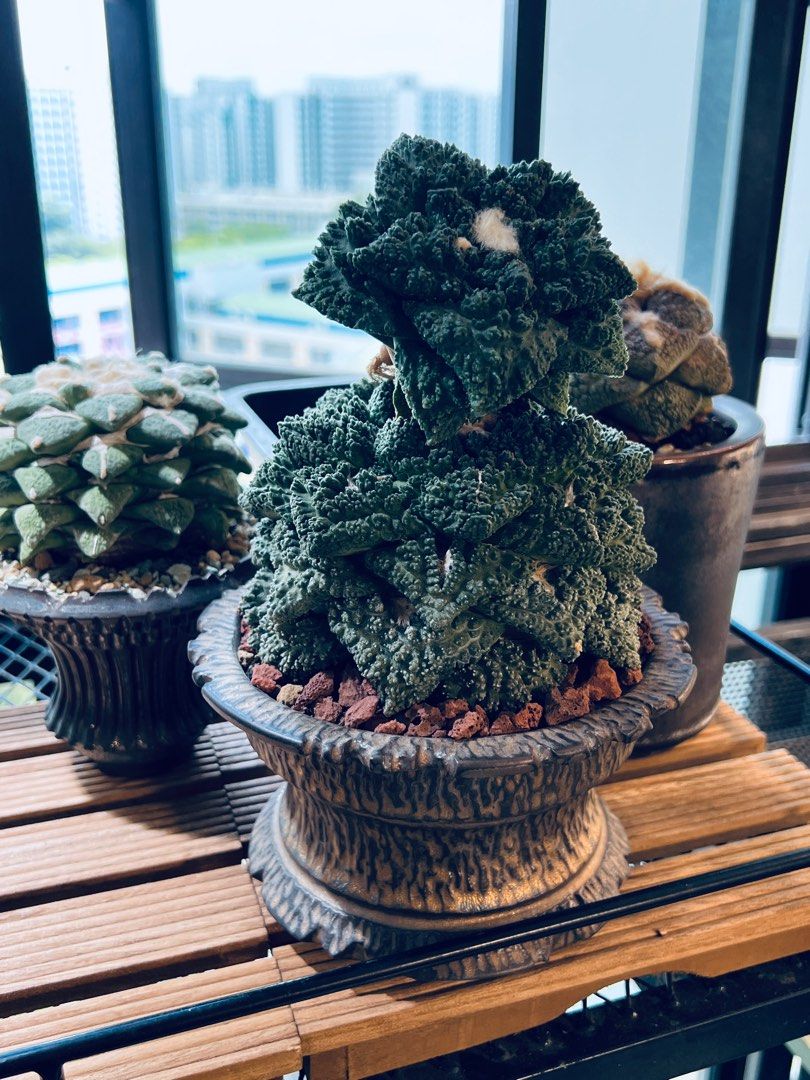
Stepping into a cactus propagation workshop is like entering a secret garden where the air hums with possibility. The first thing you’ll notice is the diversity of specimens on display—each one a unique character with its own story to tell. From the spiny elegance of the Mammillaria to the towering grandeur of the Saguaro, the variety is staggering. Workshops often begin with an introduction to these botanical wonders, demystifying their care requirements and debunking the myth that cacti are low-maintenance novelties. Spoiler alert: they demand attention, but the rewards are worth every drop of sweat.
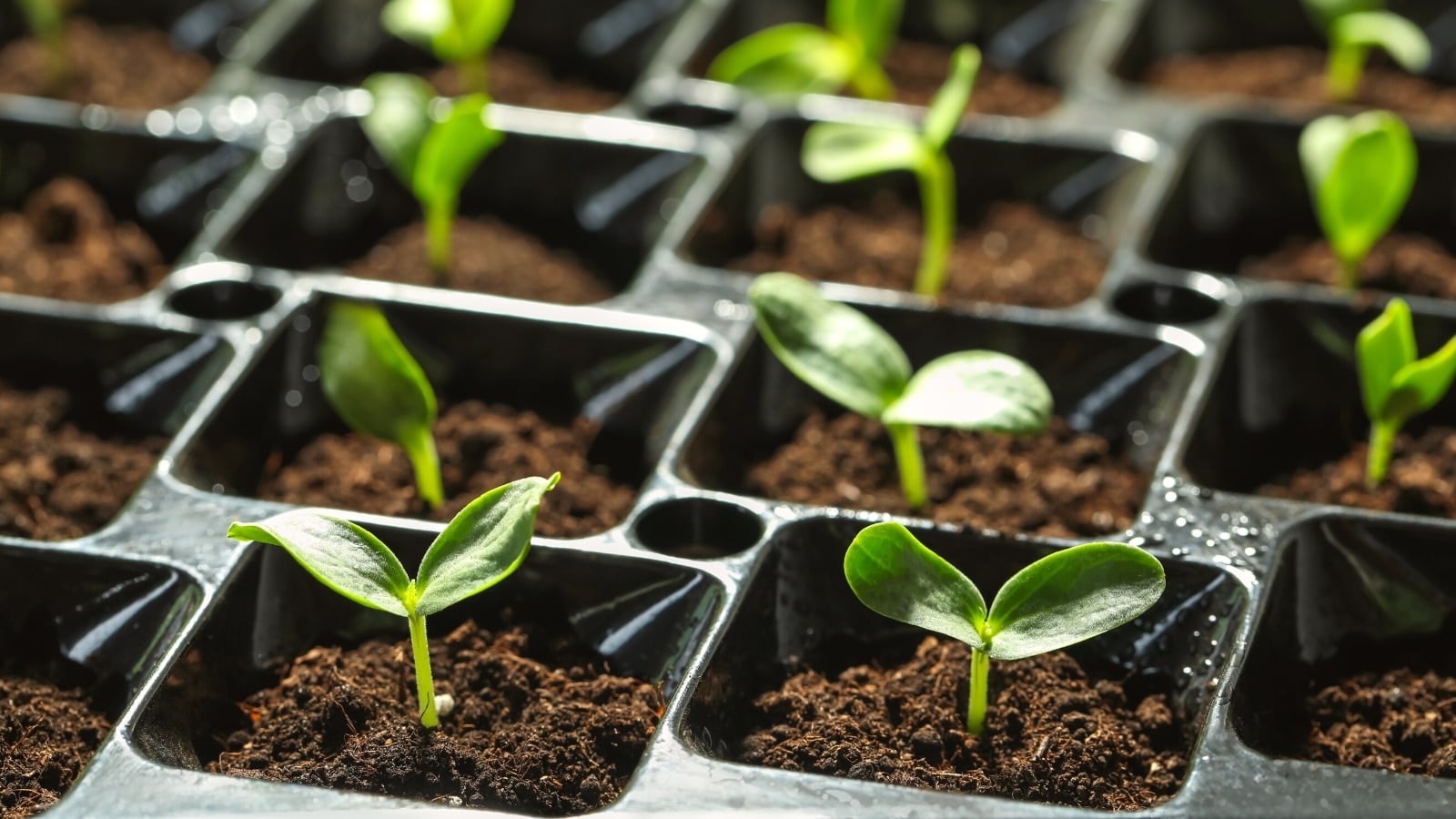
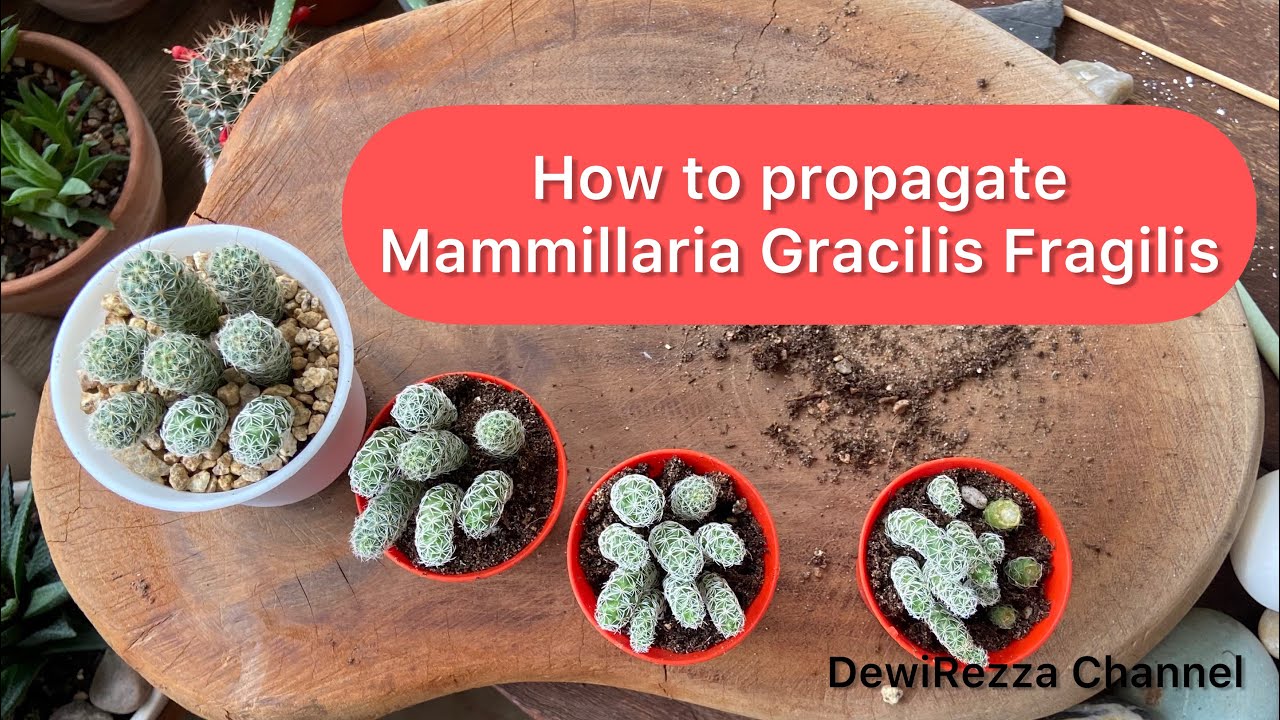
Hands-on activities form the heart of the experience. You might start by learning the delicate art of offset separation, where you’ll gently coax baby cacti—known as pups—from their parent plants. The precision required is almost surgical, a reminder that gardening is as much about finesse as it is about force. Next, you’ll delve into cutting propagation, where a single segment of a cactus can be transformed into an entire new plant. The process involves letting the cut end callous over, a crucial step that prevents rot and ensures success. It’s a lesson in patience, a virtue that modern life often overlooks.
For the adventurous, some workshops introduce grafting, a technique that merges two cacti into one, creating hybrid plants with striking appearances. Imagine a cactus with the vibrant flowers of one species and the hardy spines of another—it’s like nature’s own Frankenstein, but infinitely more beautiful. These sessions aren’t just about learning; they’re about embracing the unexpected and finding joy in the unpredictable.
Essential Tools and Materials: Your Propagation Arsenal
No artisan works without the right tools, and cactus propagation is no exception. A well-equipped workshop will introduce you to the must-haves: a sharp, sterilized knife or pruning shears for clean cuts; a rooting hormone to encourage growth; and a well-draining soil mix, because soggy cacti are doomed cacti. You’ll also learn the importance of containers—terracotta pots are ideal, as they allow roots to breathe and excess moisture to evaporate.
But the tools extend beyond the physical. A notebook becomes your propagation journal, where you track the progress of each cutting, noting the date of separation, the type of cactus, and any observations about its health. This isn’t just record-keeping; it’s a dialogue with your plants, a way to deepen your understanding of their needs and quirks. Over time, your journal becomes a living archive of growth, a testament to your dedication and the quiet resilience of your green charges.
Troubleshooting Common Pitfalls: When Things Go Awry
Even the most meticulous propagators encounter setbacks, and a good workshop prepares you for the inevitable hiccups. Root rot, the silent killer of cacti, often rears its ugly head when excess moisture lingers in the soil. The solution? Less water, more patience. Cacti are desert plants, after all—they thrive in arid conditions, not swampy bogs. If you notice your cutting looking mushy or discolored, it’s time to reassess your watering habits and perhaps even repot it in fresh, dry soil.
Pests are another foe to watch for. Mealybugs and spider mites love to feast on cacti, leaving behind a trail of white webbing or cottony residue. The key to combating them is vigilance. A simple spray of soapy water or neem oil can send these invaders packing, but prevention is always better than cure. Regularly inspect your plants, and quarantine any new additions to your collection until you’re sure they’re pest-free.
Then there’s the issue of etiolation—when a cactus stretches unnaturally toward the light, becoming leggy and weak. This is a cry for help, a sign that your plant isn’t getting enough sunlight. The fix? Move it to a brighter spot, but do so gradually to avoid shocking it with sudden exposure. It’s a delicate balance, one that teaches you to listen to your plants and respond to their needs with care.
Creative Applications: Beyond the Basics
Once you’ve mastered the fundamentals, the world of cactus propagation opens up to endless creative possibilities. Ever considered creating a cactus wreath? With a little wire and some artistic flair, you can fashion a living, breathing centerpiece that brings a touch of the wild indoors. Or perhaps you’re drawn to the idea of a cactus terrarium, a miniature desert landscape contained within glass. The options are limited only by your imagination.
Some enthusiasts take propagation a step further by experimenting with hybridization, cross-pollinating different cactus species to create entirely new varieties. It’s a labor of love, one that requires precision and a deep understanding of each plant’s traits. The results can be breathtaking—flowers in hues you’ve never seen before, or cacti with shapes that defy convention. It’s gardening as art, a fusion of science and creativity that yields something truly unique.
For those with a penchant for sustainability, propagation offers a way to reduce waste and build a self-sustaining collection. Instead of buying new plants, you can grow your own, sharing cuttings with friends or trading them at local plant swaps. It’s a small act with big implications, a step toward a more mindful and eco-conscious way of living.
Community and Connection: The Heart of Propagation
Perhaps the most rewarding aspect of cactus propagation is the community it fosters. Workshops often bring together people from all walks of life, united by a shared love of plants and a desire to learn. There’s something magical about sitting in a room filled with the hum of conversation and the scent of soil, where beginners and experts alike swap tips and stories. You might leave with not just a handful of new plants, but also a network of fellow enthusiasts who share your passion.
Online forums and social media groups further extend this sense of connection. Platforms like Instagram and Reddit are teeming with cactus lovers who post photos of their latest propagations, celebrate milestones, and offer advice to those in need. It’s a digital greenhouse where ideas bloom and friendships take root. The sense of camaraderie is palpable, a reminder that we’re never truly alone in our green-thumbed pursuits.
And let’s not forget the intergenerational aspect of propagation. Grandparents teaching grandchildren the art of growing cacti, parents passing down their love for plants to their children—these moments are the threads that weave the fabric of a sustainable future. In a world that often feels fractured, the act of nurturing a plant becomes a small but significant act of resistance, a way to preserve traditions and create new ones.
Your Propagation Journey Awaits
The path to becoming a cactus propagation expert is one of discovery, challenge, and joy. It’s a journey that begins with a single cutting and evolves into a lifelong relationship with these remarkable plants. Whether you’re drawn to the practical skills, the creative potential, or the sense of community, there’s no wrong way to dive in. The cacti are waiting, their spines glinting in the sunlight, ready to teach you the art of slow, deliberate growth.
So roll up your sleeves, grab your tools, and prepare to embark on an adventure that will transform not just your home, but your relationship with the natural world. The desert is calling—and it’s time to answer.
FAQ
What is cactus propagation?
Cactus propagation is the practice of cultivating new cacti from existing plants using methods such as seeds, cuttings, and offsets.
What tools do I need for cactus propagation?
You'll need a sharp knife, rooting hormone, and a well-draining soil mix, along with containers for planting.
What common issues should I look out for?
Watch for root rot from overwatering, pests like mealybugs, and etiolation due to insufficient light.
Leave a Reply