
Short Answer
For many plant enthusiasts, cacti hold a unique allure—a blend of resilience and enigmatic beauty that captivates the imagination. Yet beneath their rugged exterior lies a delicate balance requiring thoughtful care. Repotting a cactus is a pivotal moment in its life cycle, a ritual that offers rejuvenation and opportunity for healthy growth. But when exactly is the best time to undertake this task? Understanding the nuances of cactus repotting not only safeguards the plant’s vitality but also deepens our appreciation for these extraordinary succulents.
The Subtle Signs That Signal It’s Time to Repot
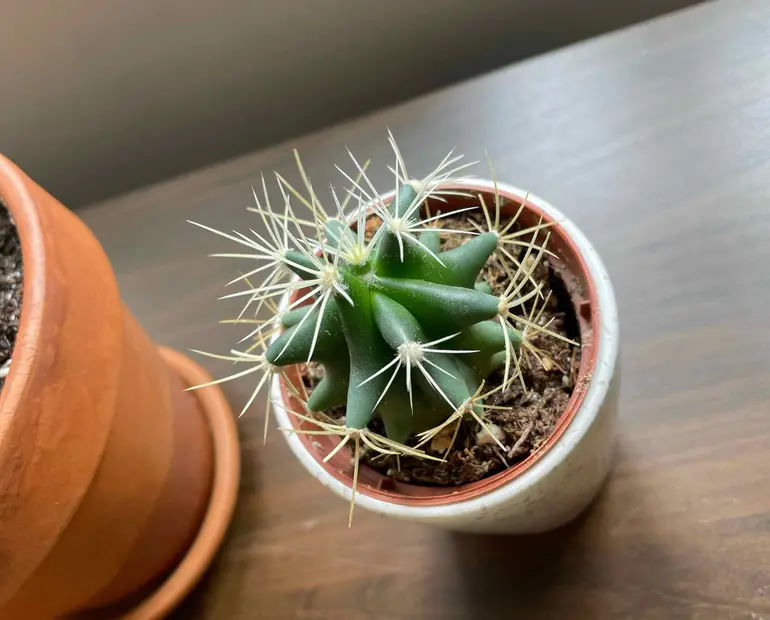
A cactus doesn’t loudly announce that it needs repotting. Instead, it communicates in subtle, almost cryptic ways, inviting the attentive observer to decipher its cues. One common indication is when the cactus appears disproportionately large for its pot, or roots begin to gaze out from drainage holes, hinting at crowding beneath the surface. The plant may also exhibit slowed growth or an unusual tilt, as if stretching toward an escape from confined quarters. These signals spring from natural necessities; cacti, like all plants, require room to expand their root systems to absorb nutrients effectively and maintain structural integrity.


Acknowledging these subtle symptoms is essential. Ignoring them might stunt your cactus’s growth or lead to distress conditions such as root rot. Repotting at the appropriate time permits the roots to breathe and search out new soil resources, revitalizing the cactus’s ability to thrive.
Understanding the Seasonal Rhythms of Cactus Growth
The timing of repotting is intricately connected to the cactus’s growth cycle—a natural rhythm dictated by seasonal fluctuations. Generally, the ideal window falls during the early stages of active growth, often in spring or early summer. This period aligns with increased metabolic activity, when cacti awaken from their winter dormancy and begin cellular expansion at an accelerated rate. The environment favors root establishment as warmer temperatures and longer daylight hours encourage nutrient uptake and photosynthesis.
By repotting during this growth spurt, the cactus can quickly acclimate to fresh soil without undue stress. Repotting at the wrong moment, such as during dormancy or the height of summer’s heat, risks shocking the plant or hindering root development. Dormant cacti simply aren’t prepared to repair damaged roots or adapt to new surroundings, which can lead to weakened health or even fatal outcomes.
The Intricacies of Choosing the Right Pot and Soil for Repotting
While timing is crucial, the container and substrate in which the cactus resides can equally influence its well-being. Selecting a pot that offers just enough room to grow—not too cramped, but not overly large—is an art form in itself. Oversized pots hold excess moisture, creating an environment prone to fungal growth and root rot. Ideally, the new pot should be just marginally larger than the previous one, encouraging the roots to anchor firmly while maintaining optimal moisture balance.
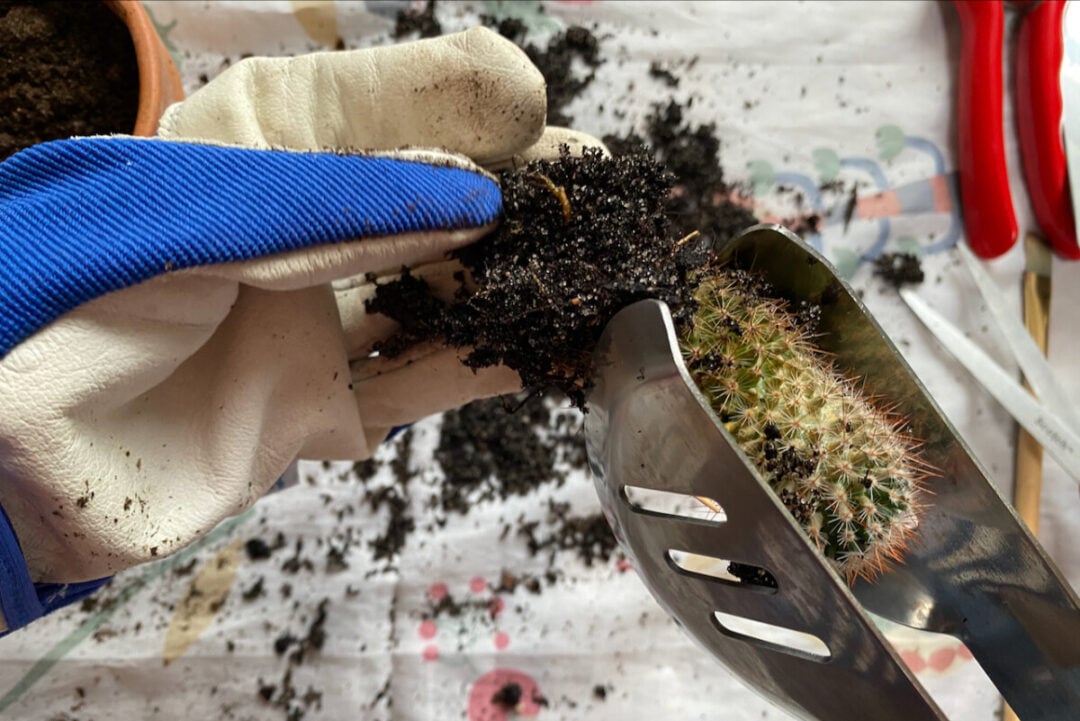
Equally critical is the soil composition. Cacti require a well-draining mix that mimics their native arid habitats. A blend of inorganic materials—such as pumice, perlite, or coarse sand—with limited organic matter ensures swift drainage and prevents water from stagnating around the roots. This emulates the natural desert conditions where cacti flourish, a detail that underscores the importance of understanding the plant’s ecological origins.
Handling Cacti During Repotting: Patience and Precision
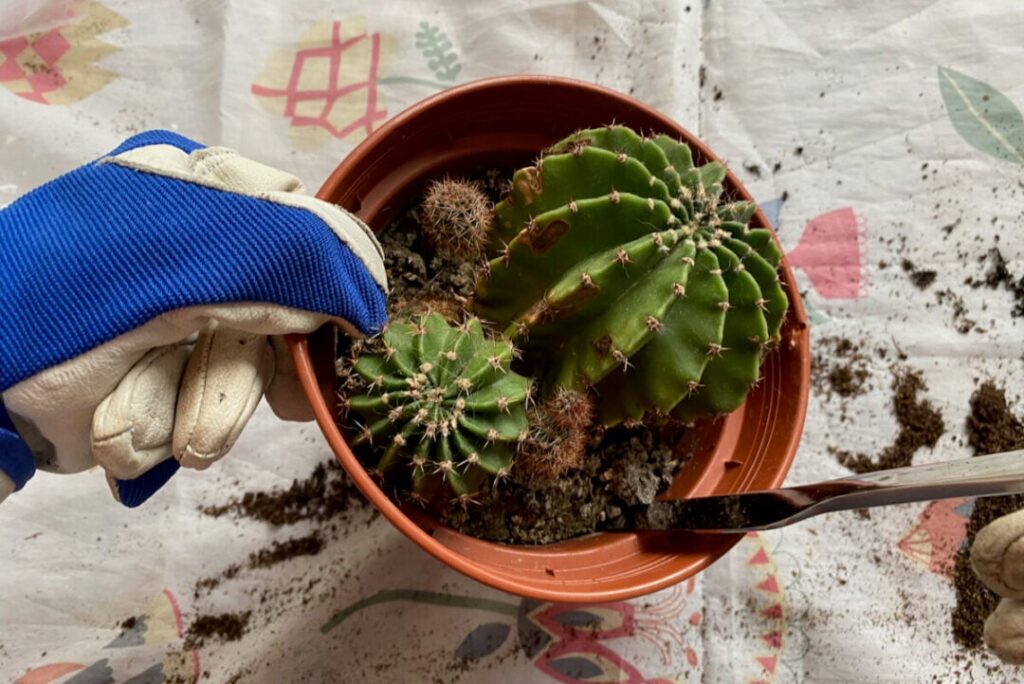
Repotting a cactus is not merely a mechanical task; it is a delicate procedure demanding patience and respect for the plant’s unique morphology. Many gardeners find themselves fascinated by the tactile experience—the firm yet pliant texture of the succulent pads or ribs, the intricate patterns of spines, and the surprising extent of root systems spread beneath the soil surface.
Gentle extraction involves loosening the soil carefully while protecting the root ball. Given their often spiny or prickly exteriors, tools such as folded newspaper, thick gloves, or tongs can prevent injury while maintaining a firm grip. This phase requires quiet concentration, as bruising or root damage can inhibit recovery and vigorous growth.

When repositioning into the new pot, the cactus should be centered and stabilized before filling in with soil to prevent wobbling. Slight pressure consolidates the soil around roots without suffocating them. Following repotting, allowing the plant to rest for a few days without watering helps any injured roots heal and minimizes the risk of rot.
Repotting Frequency and Its Impact on Long-Term Cactus Health
Unlike many houseplants that demand frequent repotting, cacti are relatively slow growers and benefit from infrequent intervention. Typically, repotting every two to three years suffices to replenish nutrients and provide expansion space. However, factors such as the cactus species, growth rate, and environmental conditions may vary this timeline.
Overzealous repotting can provoke unnecessary stress, while neglect may lead to root confinement and poor vigor. Striking the right balance depends on regular observation and an understanding of your particular plant’s preferences. Healthy cacti exhibit vibrant color, steady growth, and firm, plump tissue; deviations from this signal that a closer examination and possible repotting may be warranted.
The Deeper Fascination: Why We Care So Much About When to Repot
Repotting isn’t just a horticultural task—it is a symbolic passage in the caretaker’s journey with the plant. Timing this precisely reflects an attunement to natural cycles and an acknowledgment of the cactus as a living entity with rhythms and needs beyond our immediate perception. This nuanced interaction speaks to our enduring fascination with cacti, marrying scientific understanding with a meditative practice of stewardship.
In navigating this delicate process, gardeners cultivate patience, mindfulness, and a profound respect for life’s resilient yet vulnerable forms. The cactus, steadfast in the face of adversity, rewards those who honor its timing with flourishing growth and the quiet satisfaction of witnessing nature’s subtle miracles firsthand.
FAQ
When should I repot my cactus?
Repot your cactus in early spring or early summer when it is actively growing.
How often should I repot my cactus?
Cacti generally need repotting every 2-3 years.
What signs indicate that my cactus needs repotting?
Look for signs like root crowding, slowed growth, or an unusual tilt.
What type of soil is best for repotting a cactus?
Use a well-draining cactus mix that mimics their natural habitat.

Leave a Reply