

Short Answer
What if your next field trip could be as prickly as it is profound, as unexpected as it is unforgettable? Imagine guiding a group of curious minds through a landscape where resilience blooms in silence, where every spine tells a story of adaptation, and where the very air hums with the quiet tenacity of desert survivors. Welcome to the world of the cactus—the perfect muse for a field trip that’s equal parts whimsical and wise. But here’s the challenge: how do you transform a prickly plant into a portal for learning, laughter, and lasting memories? Let’s dig in.
Why a Cactus-Themed Field Trip? The Case for the Spine-Soaked Adventure
Cacti are the unsung heroes of the botanical world. They thrive where others wither, store water like misers, and bloom in defiance of drought. A cactus-themed field trip isn’t just about staring at spiky green sentinels—it’s about uncovering the secrets of survival, the art of minimalism, and the beauty of thriving against the odds. For students, it’s a masterclass in resilience. For educators, it’s a chance to blend science, art, and even a dash of philosophy into a single, sun-soaked outing. But the real magic? Cacti are photogenic. They’re meme-worthy. They’re Instagram gold. And in an era where engagement is currency, that’s no small feat.
Yet, the challenge looms: how do you make a field trip about cacti feel as dynamic as a day at the beach or a museum crawl? The answer lies in framing the experience not as a passive observation, but as an active exploration. Think scavenger hunts where students decode the language of spines, or art projects that turn prickly silhouettes into geometric masterpieces. The key is to lean into the cactus’s paradox—both forbidding and fascinating, harsh yet harmonious. It’s a plant that demands respect, but rewards curiosity tenfold.
Location, Location, Location: Where to Plant Your Cactus Quest
Not all deserts are created equal, and not all cactus habitats are accessible. The ideal location for your field trip depends on your goals, your budget, and your group’s mobility. For the adventurous, a visit to a botanical garden with a desert biome—like the Desert Botanical Garden in Phoenix or the Huntington Library’s Desert Garden in California—offers curated displays, expert-led tours, and the chance to see species from around the world in one place. These gardens often host workshops on cactus care, propagation, and even culinary uses (yes, some cacti are edible!), turning a simple walk into a multi-sensory experience.
For those closer to urban centers, a local nursery or greenhouse with a cactus section can suffice. While less dramatic than a full-blown desert, these spots provide hands-on access to plants that students might otherwise only see in textbooks. Pair the visit with a DIY potting activity, where each participant adopts a mini cactus to nurture back at school. It’s a tactile, low-stakes way to foster responsibility and connection to the subject.
And then there’s the wild card: a field trip to a natural desert ecosystem. This is where the real adventure begins. Imagine trekking through the Sonoran Desert at dawn, the air crisp and the light golden, as students sketch the contours of saguaros against the sky. The challenge here? Safety and accessibility. Not all deserts are safe for group exploration, and some terrains are too rugged for younger participants. But with proper planning—guided tours, hydration stations, and clear boundaries—this can be the most immersive option of all. The desert doesn’t just teach about cacti; it teaches about patience, observation, and the art of being still in a world that’s always in motion.
Curriculum Connections: Weaving Cacti into the Academic Tapestry
A field trip isn’t just a day off from class—it’s an extension of the curriculum, a chance to see theory in action. So how do you tie cacti to your lesson plans? Start with biology: dissect the anatomy of a cactus, from its water-storing stems to its shallow, widespread roots designed to catch the slightest rainfall. Discuss photosynthesis in reverse—how these plants have evolved to minimize water loss, turning their stomata into nighttime breathers. For older students, dive into the chemistry of drought resistance, exploring how cacti produce compounds that deter predators.
But why stop at science? Cacti are cultural icons. In Mexico, the prickly pear is a symbol of hospitality and sustenance; in the American Southwest, saguaros are sacred to the Tohono O’odham people. A cactus-themed field trip can double as a lesson in anthropology, inviting students to explore the plant’s role in folklore, cuisine, and even architecture. Imagine a cooking demonstration where students sample nopales (cactus paddles) or a storytelling session where they learn the legend of the saguaro’s “arms” growing only after the plant reaches 75 years of age.
The challenge? Balancing education with entertainment. The best field trips feel like play, not work. So, how do you sneak in the learning without spoiling the fun? The answer is gamification. Turn the trip into a quest: give students a checklist of cactus species to identify, or challenge them to find the most unusual spine pattern. Offer small rewards for the most creative cactus-themed haiku or the best photograph of a plant in its natural habitat. The goal isn’t to make the field trip feel like school—it’s to make school feel like an adventure.
Logistics and Pitfalls: Navigating the Thorny Path to Success
Even the most well-planned field trip can hit snags. The first hurdle? Transportation. Desert locations are often remote, and buses may not be readily available. Budget accordingly, and consider carpooling or partnering with local organizations to share costs. Then there’s the weather. A desert field trip in the peak of summer is a recipe for heatstroke, while winter trips might be too chilly for comfort. Check forecasts religiously and plan for contingencies—indoor alternatives, shaded rest areas, or even virtual components for students who can’t attend.
Safety is another critical concern. Cacti are prickly by design, and a careless brush against a barrel cactus can leave a lasting impression (literally). Equip students with gloves, long sleeves, and a healthy dose of caution. Teach them the “three-finger rule”: if you can’t wrap three fingers around a spine, it’s too close for comfort. And don’t forget the basics—sunscreen, hats, and plenty of water. A dehydrated student is a grumpy student, and no one wants to turn a cactus field trip into a survival challenge.
The final challenge? Keeping the momentum going after the trip. A field trip’s impact fades fast if it’s not reinforced. Send students home with journals to document their observations, or assign a post-trip project where they design their own cactus garden. Host a “Cactus Showcase” where students present what they’ve learned, or create a class mural featuring the plants they encountered. The goal is to make the experience linger, to turn a one-time adventure into a lasting fascination.
Beyond the Field Trip: Cultivating a Cactus-Centric Community
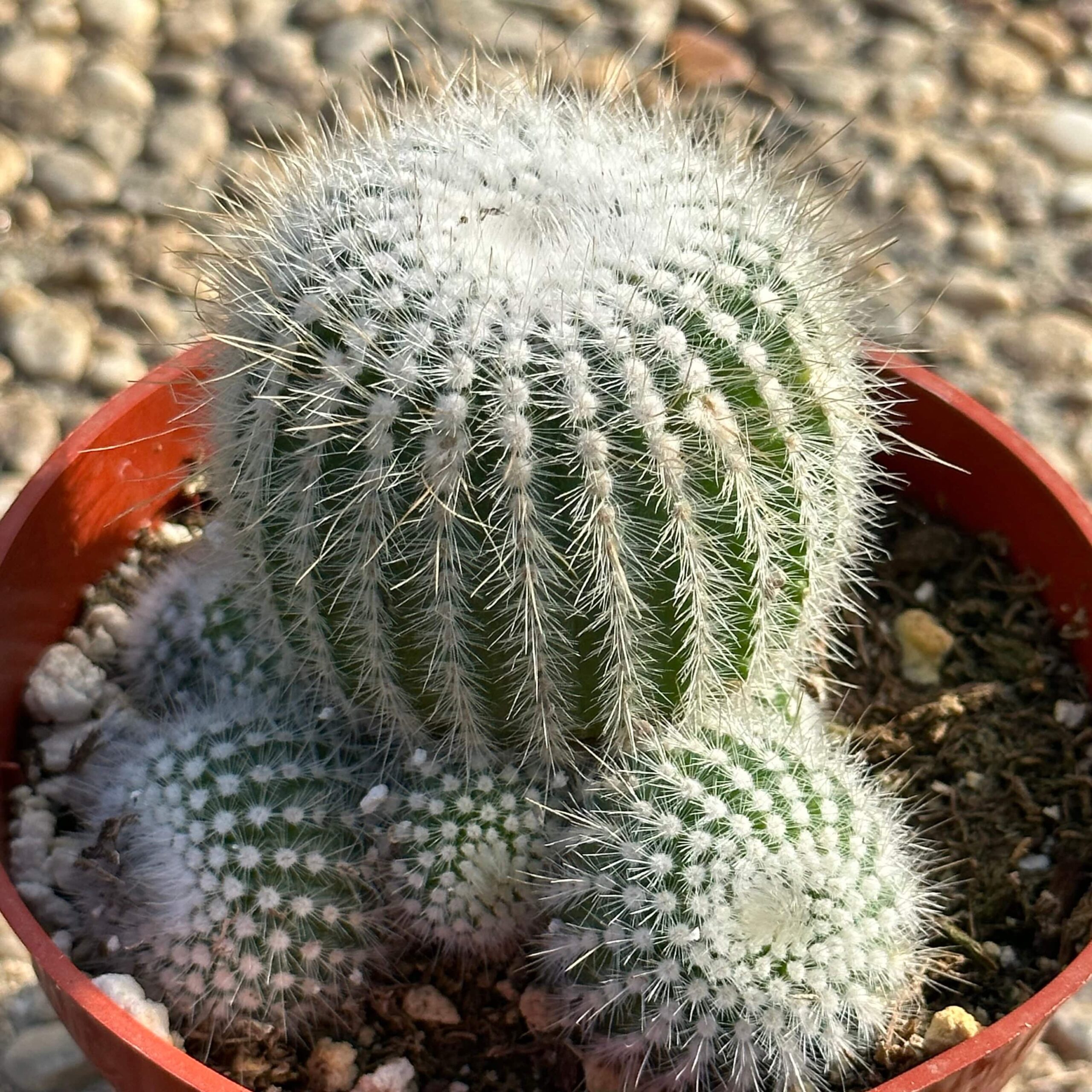
A great field trip doesn’t end when the bus pulls away. It’s the spark that ignites a lifelong interest in the natural world. To keep the cactus conversation alive, consider starting a school garden with native species, or inviting a local botanist to give a guest lecture. Create a “Cactus of the Month” bulletin board where students can share fun facts and photos. Even something as simple as a classroom terrarium stocked with a hardy species like a zebra cactus can keep the spirit of the field trip alive.
The challenge here is consistency. It’s easy to let the momentum fade, especially when the school year gets busy. But the rewards—students who see the world with new eyes, who understand the delicate balance of ecosystems, who appreciate the beauty in the unexpected—are worth the effort. A cactus-themed field trip isn’t just about plants. It’s about perspective. It’s about teaching resilience, curiosity, and the joy of discovery in a world that often feels too fast, too loud, and too complicated.
So, are you ready to trade the same old field trip for something truly unforgettable? The cactus is waiting. And it’s far more than just a plant—it’s a teacher, a storyteller, and a symbol of what it means to thrive where others might wither. All it needs is a little curiosity, a dash of planning, and the courage to embrace the prickly path.
FAQ
What is a cactus-themed field trip?
A cactus-themed field trip is an educational outing focused on exploring cactus habitats, their biology, and cultural significance, often involving interactive activities.
What are some recommended locations for a cactus-themed field trip?
Recommended locations include botanical gardens with desert biomes, local nurseries, and natural desert ecosystems.
How can I incorporate cacti into educational activities?
You can incorporate cacti into activities by exploring their anatomy, discussing cultural significance, and organizing hands-on projects like potting or art projects.




Leave a Reply