

Short Answer
Imagine a plant that thrives where most life would wither, a resilient marvel that transforms barren landscapes into realms of unexpected beauty. Welcome to the captivating world of cacti—a genus shrouded in mystery, architectural elegance, and unparalleled survival prowess. This guide promises to shift your perspective, unveiling everything you need to know about these extraordinary succulents that have fascinated cultures, scientists, and nature enthusiasts alike.
The Botanical Marvel: Understanding What Defines a Cactus
At first glance, a cactus might appear as a simple spiny ornament, but beneath that prickly exterior lies a botanical enigma. Cacti belong to the family Cactaceae, unmistakable for their succulent stems specially adapted to conserve water in some of the harshest environments on Earth. These plants eschew traditional leaves, replacing them with spines—modifications that serve both as defense mechanisms and moisture retention facilitators.

Unlike other succulents, cacti perform a unique photosynthesis process called CAM (Crassulacean Acid Metabolism), which allows them to open their stomata at night to reduce water loss. This adaptation makes them champions of xerophytic survival, turning arid deserts into thriving ecosystems.
A Tapestry of Diversity: Exploring Various Cactus Species
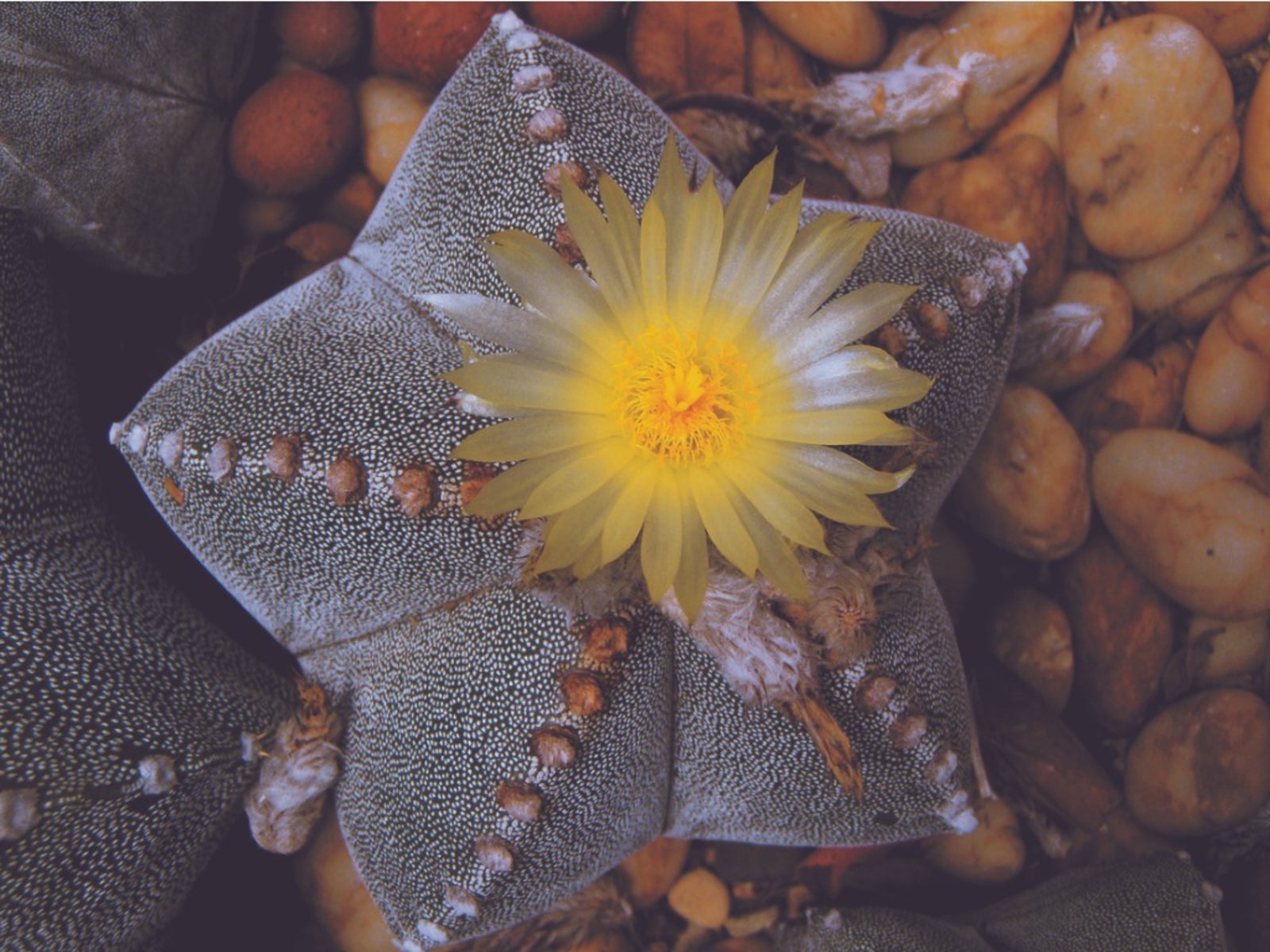
The world of cacti is a panorama of astonishing diversity. From the towering saguaro, stretching skyward in monumental grandeur, to diminutive pincushions that nestle quietly amid rocks, each species tells a story of evolution and adaptation. There are roughly 1,750 species, each exhibiting a symphony of shapes, colors, and spination patterns.

Consider the prickly pear, famed for its edible pads and fruits, offering nourishment to both humans and wildlife. Or the night-blooming cereus, whose ephemeral flowers bloom under the moonlight, enchanting observers with their fleeting beauty. This vivid spectrum underscores the cactus’s unmatched adaptability and allure.
Secrets Underground: The Fascinating Root Systems of Cacti
While much attention focuses on a cactus’s sculptural form above ground, the subterranean architecture reveals equally captivating adaptations. Cacti generally develop a shallow yet extensive root system optimized for capturing ephemeral rainfall. Some species have roots spreading like a delicate lace web just beneath the surface, rapidly absorbing moisture before it evaporates.
Others possess a pronounced taproot, anchoring them firmly while probing deeper groundwater reservoirs. This duality in root strategy showcases the cactus’s ingenious evolutionary response to erratic rain patterns and demanding soils, reaffirming their status as survival virtuosos.
Caring for Cacti: Beyond the Myth of Indestructibility
Contrary to popular belief, cacti are not invincible desert sentinels that require zero attention. While they are undoubtedly low-maintenance compared to many plants, their care demands a nuanced understanding of their natural habitats. The cornerstone of cactus care lies in mimicking their native conditions—well-drained, mineral-rich soil, ample sunlight, and precise watering schedules.

Overwatering, in particular, is the silent assassin of many beloved cacti. These plants thrive in dryness, and excess moisture invites root rot and fungal infections. Patience is key—allow soil to dry out completely between watering. Winter dormancy calls for even less hydration, while the growing season invites moderate nourishment and careful sunbathing.
Cactus in Culture: Symbolism and Uses Across Civilizations
From indigenous tribes to modern-day enthusiasts, cacti have woven themselves into human stories, symbolic lexicons, and practical applications. In many Native American cultures, cacti embody endurance and protection, often appearing in artistry and mythology. The resilient nature of these plants makes them metaphors for steadfastness in adversity.
Beyond symbolism, cacti also serve pragmatic roles. The prickly pear’s pads (nopales) and fruits are culinary staples in Mexico and beyond, offering nutritional and medicinal benefits. Certain species yield psychoactive compounds historically used in spiritual rituals, while others provide natural dyes and fibers.
Braving the Elements: How Cacti Adapt to Extreme Climates
It’s almost unbelievable how some cacti flourish in temperatures oscillating from scorching daytime highs to freezing nights, trailing an evolutionary trail brimming with extremophile innovations. Their waxy, thick epidermis acts as an impermeable shield against desiccation and ultraviolet radiation. Spines not only deter herbivores but also create a microhabitat that reduces air movement, thereby minimizing evaporation.
Moreover, many species can enter states of dormancy or reduce metabolic rates during droughts, awakening only when moisture returns. These adaptations exemplify resilience that surpasses simple survival—they embody mastery over extremes.

The Allure of Cacti in Modern Landscaping and Design
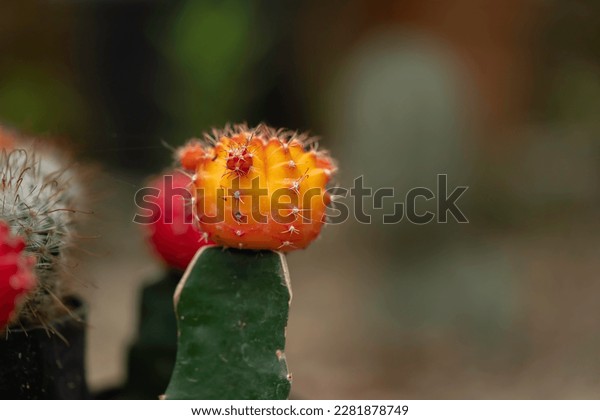
Today, cacti transcend their desert origins, gracing urban spaces and interior sanctuaries alike. Their sculptural forms complement minimalist designs, while their low-water needs align with sustainable landscaping trends amid global water concerns. With a palette ranging from deep greens to bluish hues, from candy-colored flowers to intricate spine patterns, cacti infuse environments with textural intrigue and visual drama.
Whether arranged singularly as statement pieces or clustered to mimic desert oases, cacti challenge conventional gardening norms and invite a paradigm shift: beauty can coexist with austerity and resilience can manifest as elegance.
Challenges and Conservation: Protecting Nature’s Prickly Gems
Despite their hardy reputation, many cactus species face threats from habitat destruction, illegal poaching, and climate change. Their slow growth and specialized habitat requirements make recovery from disturbances slow and difficult. Conservation efforts now emphasize protecting natural habitats, curbing illegal trade, and cultivating endangered species in botanical gardens.
Recognizing the cactus not only as an ecological marvel but also as a vulnerable organism deepens our appreciation and urges responsible stewardship. Preserving cacti safeguards biodiversity and the ecological balance of fragile desert biomes worldwide.
Embracing the cactus invites us to see life through a lens of endurance and understated grace. These plants challenge our assumptions, beckoning curiosity beyond their spines and into the rich narratives they silently tell. To understand the cactus is to celebrate nature’s ingenuity and the subtle grandeur thriving in earth’s unforgiving corners.
FAQ
What is the best environment for cacti?
Cacti thrive in environments that replicate their native desert conditions, including well-drained soil and plenty of sunlight.
Why are cacti important in culture?
Cacti hold symbolic meanings in various cultures, representing endurance and protection, and are also used in culinary practices.



Leave a Reply