

Short Answer
Imagine a plant so resilient, so defiantly alive, that it thrives where others wither—a silent sentinel of arid endurance. The cactus, with its prickly exterior and stoic demeanor, is far more than a desert adornment. It is a living laboratory, a botanical marvel brimming with secrets waiting to be unraveled. What if I told you that this unassuming succulent could transform your kitchen table into a hub of scientific discovery? Welcome to the world of cactus science experiments, where curiosity blooms as vividly as the flowers of a saguaro at dawn.
The Cactus as a Classroom: Why This Spiky Scholar Deserves Your Attention
In an era where screens dominate attention spans and passive learning often trumps hands-on exploration, the cactus emerges as an unlikely pedagogical powerhouse. Its very existence defies conventional botanical wisdom—how can something so devoid of lush foliage survive in the harshest conditions? This paradox alone is enough to ignite the flames of inquiry. Children, in particular, are drawn to the cactus’s rugged individualism, its refusal to conform to the softness of traditional houseplants. By engaging with cactus-based experiments, young minds are not merely observing science—they are embodying it. The act of nurturing a cactus teaches patience, resilience, and the delicate balance of nature’s extremes. It’s a living metaphor for perseverance, and what better way to learn than through a plant that embodies the very lesson it imparts?
Germination Gambits: Coaxing Life from a Seed of Stone
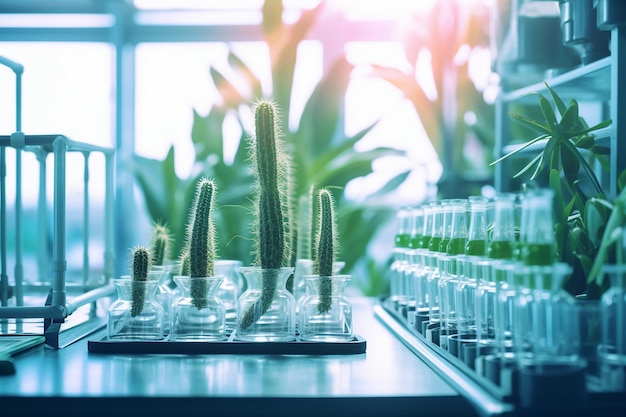
Few sights are as humbling as watching a cactus seed—often no larger than a grain of sand—sprout against all odds. The germination process is a masterclass in patience and precision. Begin with a shallow tray filled with a well-draining mix of sand and perlite, mimicking the arid, mineral-rich soils of the desert. Moisten the medium sparingly; overwatering is the kiss of death for these tiny titans. Place the seeds on the surface, barely pressing them into the soil—cacti prefer to germinate in the embrace of light, not buried in darkness. Cover the tray with a clear plastic lid to create a miniature greenhouse, and position it in a warm, sunlit spot. Here, the magic unfolds: within weeks, if not days, delicate green tendrils emerge, defying the inhospitable conditions they’ve been thrust into. This experiment doesn’t just teach germination—it instills a reverence for the tenacity of life itself.
The Water Retention Riddle: How Does a Cactus Outsmart a Drought?
To understand the cactus’s superpower, one must delve into its anatomy. Unlike most plants, which rely on broad leaves to transpire water, the cactus has evolved a radical redesign. Its spines, often mistaken for mere adornments, are actually modified leaves that minimize water loss by reducing surface area. The stem, thick and fleshy, acts as a reservoir, storing precious moisture for lean times. To demonstrate this phenomenon, conduct a simple yet revelatory experiment: place two identical slices of cucumber—one fresh, the other dehydrated—side by side. Observe how the fresh slice wilts within hours, while the dehydrated one remains eerily unchanged. Now, compare this to a slice of cactus stem. The contrast is stark. The cactus, through its evolutionary ingenuity, has cracked the code of water conservation—a lesson in sustainability that resonates far beyond the classroom.
Photosynthesis in the Desert: The Cactus’s Secret to Solar Mastery
Photosynthesis is the alchemy of the plant world, and the cactus has perfected it in the most unforgiving of environments. While most plants open their stomata (tiny pores for gas exchange) during the day, risking water loss in the scorching sun, the cactus does the opposite. It performs CAM photosynthesis—a mouthful of a term that translates to Crassulacean Acid Metabolism. By opening its stomata at night, when temperatures are cooler and humidity higher, the cactus absorbs carbon dioxide and stores it as malic acid. Come daylight, it closes its stomata and uses the stored acid to fuel photosynthesis, conserving water in the process. To witness this in action, try a simple experiment with a cactus and a piece of cobalt chloride paper. When exposed to moisture, the paper turns pink; place it against the cactus’s stem at night and again during the day. The difference in color change will reveal the cactus’s nocturnal carbon dioxide uptake—a silent symphony of adaptation.
Root Systems: The Underground Networks of a Desert Titan
Beneath the soil, the cactus’s true genius lies hidden. While many plants boast extensive root systems that sprawl outward in search of water, the cactus often opts for a different strategy: depth over breadth. Its roots spread shallowly but extend deep, anchoring the plant and tapping into moisture reserves far below the surface. To explore this, conduct an experiment with two cacti: one planted in a deep pot, the other in a shallow one. Over time, observe how the deep-rooted cactus thrives even when surface soil dries out, while the shallow one struggles. This teaches a profound lesson about resourcefulness—sometimes, the most effective solutions are not the most obvious ones. The cactus reminds us that true strength lies not in outward expansion, but in inward resilience.
Pollination Puzzles: The Cactus’s Dance with Its Pollinators
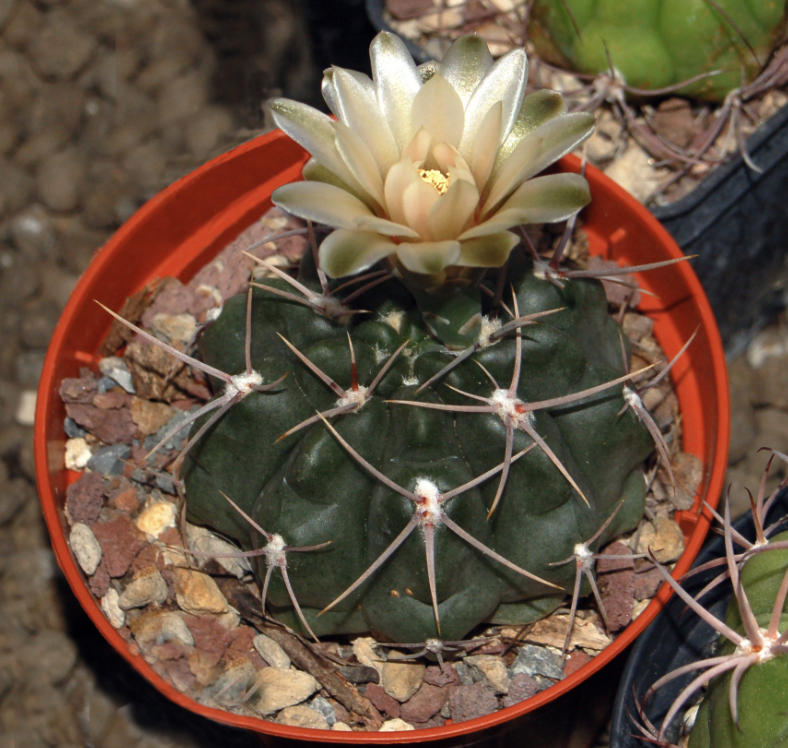
The cactus’s relationship with its pollinators is a tale of co-evolution and mutualism. Many cacti rely on bats, bees, or even hummingbirds to transfer pollen, and their flowers have evolved to attract these specific partners. The saguaro, for instance, blooms at night, its white flowers emitting a musky scent to lure long-tongued bats. To recreate this interaction, try crafting a simple model of a cactus flower using colored paper and pipe cleaners. Attach it to a stick and place it in your garden or a sunny windowsill. Observe which insects are drawn to it, and note the time of day they visit. This experiment transforms abstract ecological concepts into tangible, observable phenomena, fostering a deeper connection to the natural world.
Ethical Considerations: Cultivating Curiosity Without Exploitation
As we embark on these scientific adventures, it’s crucial to approach our cactus companions with respect and responsibility. Ethical experimentation means ensuring the well-being of the plants involved. Avoid over-handling, which can damage delicate spines or stems. When sourcing cacti, opt for nurseries that prioritize sustainable cultivation practices. And remember: these experiments are not just about extracting knowledge—they’re about fostering a lifelong appreciation for the natural world. The cactus, with its quiet strength and quiet wisdom, is the perfect partner in this journey. It asks for little but gives endlessly, teaching us that true discovery begins with humility and curiosity.
So, are you ready to redefine what it means to learn? The cactus stands at the ready, its spines gleaming like the keys to a hidden kingdom of science. All it asks is that you approach with an open mind—and perhaps a pair of sturdy gloves.
FAQ
What is the purpose of cactus science experiments?
They aim to teach students about plant biology, ecology, and the unique adaptations of cacti.
How do I conduct a cactus germination experiment?
Prepare a well-draining soil mix, place cactus seeds on the surface, and cover with a plastic lid in a warm area.


Leave a Reply