
Short Answer
In the vast, unforgiving expanse of the cosmos, where temperatures plummet to near-absolute zero and solar radiation scours the surface with relentless fury, humanity’s dreams of interstellar colonization hinge on one critical question: How do we survive? The answer, paradoxically, may lie not in the cold, metallic embrace of spacecraft, but in the humble, spiky sentinels of the desert—cacti. These botanical marvels, forged in the crucible of extreme aridity and temperature fluctuations, are nature’s most resilient architects, whispering secrets of adaptation that could redefine our approach to space exploration. Their story is not just one of survival, but of ingenuity, of a quiet defiance against the odds. And as we stand on the precipice of a new era in human history, their lessons could be the key to unlocking the stars.
The Art of Water Alchemy: How Cacti Turn Scarcity into Abundance
Imagine a world where water is scarcer than gold, where the air itself is a desert, and every drop is a fleeting, precious commodity. This is the reality for cacti, yet they thrive where most life withers. Their secret? A masterclass in xerophytic hydrology, a system so efficient it borders on the miraculous. Unlike typical plants, which squander water through broad, evaporative leaves, cacti have evolved a radical redesign: photosynthetic stems that double as water storage tanks. Their ribbed, columnar forms are not mere aesthetics—they are architectural marvels, expanding and contracting like bellows to maximize surface area for sunlight while minimizing exposure to the scorching sun.
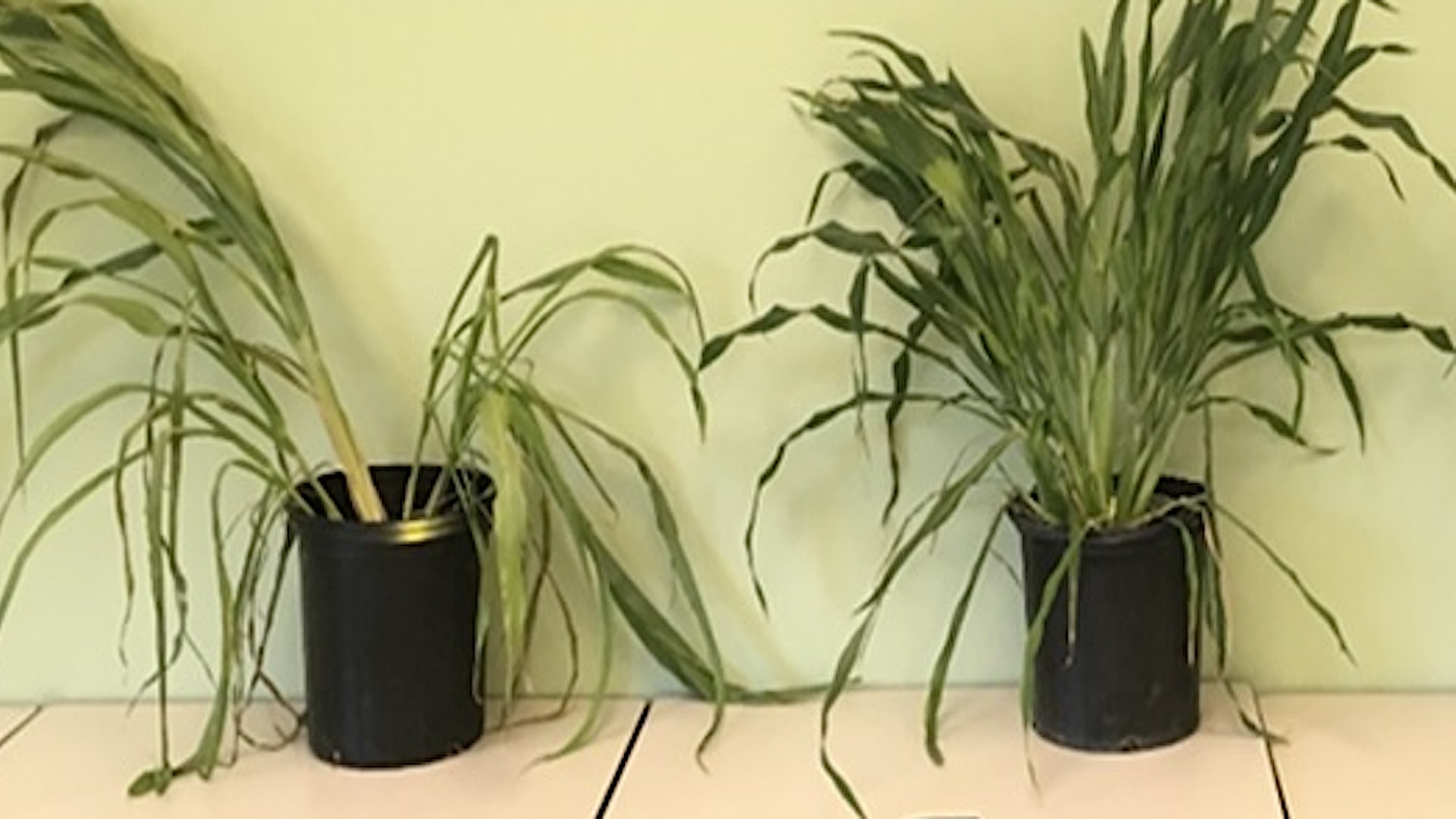
But the true magic lies in their stomatal choreography. During the day, when the sun’s wrath would evaporate precious moisture, cacti keep their stomata—tiny pores for gas exchange—firmly shut. It’s only under the cloak of night, when temperatures dip and humidity rises, that they dare to breathe. This reverse photosynthesis, or CAM (Crassulacean Acid Metabolism), is a biological sleight of hand, allowing them to hoard carbon dioxide overnight and convert it to energy by day, all while conserving water. For spacefarers, this is a blueprint for closed-loop life support. If we could replicate this metabolic sleight of hand in hydroponic systems or synthetic biology, we might just crack the code of sustainable agriculture in the void.

Structural Resilience: The Spine of Survival
Cacti are not just water hoarders; they are structural virtuosos, their forms a testament to evolutionary engineering. Take the saguaro, for instance—its towering, ribbed silhouette is not just for show. Those ridges? They’re a thermoregulatory lattice, allowing the plant to cast cooling shadows over its surface while funneling scarce rainwater directly to its roots. In the Mojave’s blistering heat, this design keeps the internal temperature a full 10°C cooler than the ambient air. Now, transpose this logic to a lunar habitat. A modular, ribbed exoskeleton could shield habitats from solar radiation while passively regulating temperature, mimicking the saguaro’s natural air conditioning.
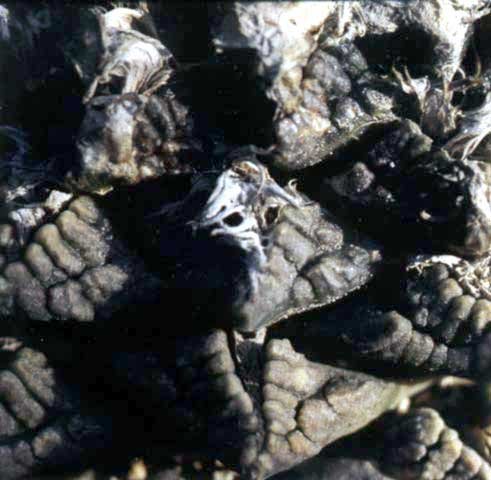
And then there are the spines. Often dismissed as mere defenses, they are in fact multifunctional marvels. In some species, like the cholla, spines are so dense they create a microclimate, trapping moisture and shading the stem. Others, like the barrel cactus, use their spines to condense atmospheric humidity—a trick that could inspire fog-harvesting technologies for arid lunar or Martian outposts. Even their roots are radical: shallow, widespread, and capable of rapid deployment after rainfall, they epitomize the cactus’s philosophy—adapt or perish. For space habitats, this could translate to deployable, self-anchoring structures that expand and contract with environmental demands.
The Silent Language of Symbiosis: Cacti and Their Allies
Survival in extreme environments is never a solo endeavor. Cacti are the ultimate ecological diplomats, forging alliances with creatures great and small. The Gila woodpecker, for instance, carves out nesting cavities in saguaros, which later become homes for owls and kestrels—a symbiotic high-rise. In the barren stretches of the Sonoran Desert, cacti and pollinators engage in a coevolutionary waltz, where flowers bloom only when conditions are perfect, and nectar rewards are timed to the arrival of their feathered partners. This interspecies choreography is a masterclass in resource synchronization, a concept that could revolutionize closed-loop ecosystems in space.
Consider the role of mycorrhizal networks—the fungal internet that connects plant roots, sharing nutrients and warnings of drought or disease. In a space habitat, such networks could be bioengineered to monitor and redistribute resources, ensuring that every drop of water, every molecule of oxygen, is utilized with ruthless efficiency. Even the humble mistletoe, a parasitic plant that siphons water from cacti, becomes a lesson in adaptive parasitism. In a closed system, controlled “parasitic” organisms could be deployed to extract and repurpose waste, turning detritus into a resource. The cactus teaches us that survival is not about domination, but about interdependence.
From Desert to Deep Space: The Cactus-Inspired Habitat
The implications of cacti’s adaptations are not lost on space agencies. NASA’s Advanced Life Support Systems already draw inspiration from xerophytes, but the future lies in biohybrid habitats—structures that blend synthetic and biological systems. Imagine a lunar base where cactus-inspired hydroponic towers grow food while their spines double as radiation-shielding bristles. Or a Martian greenhouse where CAM-like metabolic pathways in genetically modified crops allow them to photosynthesize at night, maximizing energy use.
But the most radical idea? Self-replicating cacti. Through 3D bioprinting and synthetic biology, we could engineer cactus-like structures that grow, adapt, and repair themselves, using lunar regolith as a substrate. These “living scaffolds” could form the backbone of habitats, their water-storing tissues doubling as emergency reserves for astronauts. The cactus, in essence, becomes a living blueprint for extraterrestrial architecture—one that breathes, adapts, and endures.
The Philosophical Bloom: What Cacti Teach Us About Resilience
Beyond the technical marvels, cacti offer a profound philosophical lesson: resilience is not about brute strength, but about flexibility. They do not fight the desert; they become the desert. They do not resist the sun; they harness it. In a universe that is, by nature, hostile to life, the cactus reminds us that survival is not about conquering the void, but about dancing with it. For space explorers, this is a humbling revelation. The stars are not ours to tame. They are ours to adapt to.
As we stand on the brink of becoming an interplanetary species, the cactus whispers a warning and a promise: The universe is not a frontier to be claimed, but a desert to be endured—and perhaps, one day, to be loved.
FAQ
How do cacti conserve water?
Cacti use CAM photosynthesis, keeping stomata closed during the day and opening them at night to minimize water loss.
What structural features help cacti survive?
Cacti have ribbed structures that regulate temperature and spines that provide shade and trap moisture.
How can cacti inspire space exploration?
Cacti's adaptations can inform the design of sustainable habitats and agricultural systems in extraterrestrial environments.
Leave a Reply