

Short Answer
Have you ever wondered how a resilient cactus, thriving in the harshest of deserts, embarks on its remarkable journey from a tiny seed to a majestic spiny guardian of the arid landscape? What if you had to uncover and nurture every stage of its life cycle, with nature offering both patience and challenge in equal measure? Let’s embark on an illuminating adventure through the life cycle of a cactus, unraveling the secrets of its survival and growth— a story that’s as fascinating as it is instructive.
The Seed: A Dormant Promise
The life of a cactus begins as an unassuming seed, often no larger than a grain of sand, yet loaded with the potential for life. These seeds are marvels of dormancy; their design allows them to withstand extreme conditions, waiting patiently for just the right moment of moisture and warmth to initiate germination. The challenge lies in their surroundings—arid deserts receive sporadic rainfall, so the seed must remain vigilant during dry spells.

Only when the elusive desert rains arrive do these dormant capsules awaken, breaking through their protective coats to begin an extraordinary transformation. This suspenseful pause between dormancy and germination exemplifies nature’s exquisite orchestration, where timing can mean the difference between life and death.
Germination: The First Courageous Emergence
Once the seed absorbs enough moisture, the embryonic cactus awakens and begins to push through the soil. This initial emergence is both fragile and heroic. In the unforgiving desert environment, the young seedling must resist dehydration, scorching sunlight, and predation from curious creatures.

During these formative days, the cactus focuses on developing its tiny roots, which anchor it firmly and start seeking moisture deep underground. This subterranean exploration is crucial; the seedling’s survival hinges on capturing even meager water reserves. It’s a game of endurance and resilience, as many seedlings perish before reaching this milestone.
Juvenile Growth: Building the Armor
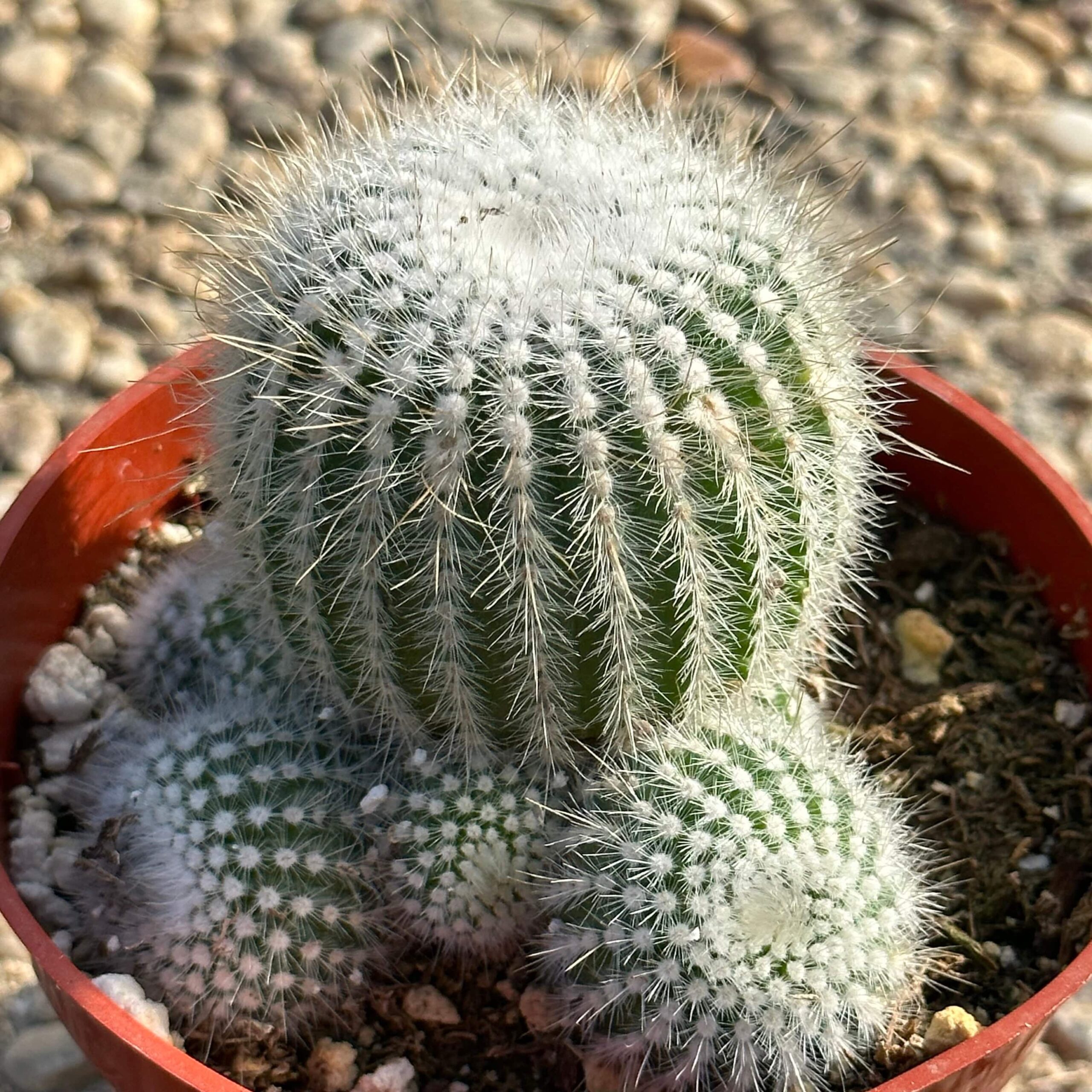
Surviving the precarious early days ushers the cactus into its juvenile phase, a period of vigorous yet cautious growth. The plant begins to form its signature thick, fleshy stem, a masterpiece of natural water storage and conservation. This stage also introduces the emergence of spines—more than just an intimidating armor, spines serve multiple survival functions including protection from herbivores and shading the stem to reduce evaporation.
Photosynthesis at this stage occurs predominantly in the stem, a unique adaptation that reserves precious water by minimizing leaf surface area. The juvenile cactus is essentially a fortress under construction, preparing for the harshness of desert life with evolutionary ingenuity.
Maturity: A Desert Icon Blooms
Reaching maturity is a landmark moment in a cactus’s life cycle. It may take several years, sometimes decades, for certain species to fully mature. When the cactus flowers, it unveils a brilliant spectacle—vivid blooms that often contrast poignantly against the muted desert backdrop. These flowers serve a critical reproductive role, inviting pollinators like bees, birds, and bats to facilitate the continuation of the species.
Pollination presents yet another challenge; the cactus must synchronize its blooming with the activity of pollinators, which may be sporadic in desert environments. Furthermore, some species employ nocturnal blooms to attract nighttime pollinators, showcasing an exquisite ecological adaptation to maximize reproductive success.
Seed Production and Dispersion: Nature’s Strategic Gamble
Following successful pollination, the cactus enters its final crucial stage: seed production. Fruits develop, often succulent and attractive, luring desert animals that serve as accidental seed dispersers. When these animals consume the fruit, the seeds are carried far and wide, increasing the chance of germination in diverse locales.
This natural strategy is a daring gamble. The desert’s volatile climate, with its irregular rainfall and shifting sands, challenges any seed to survive and thrive. Yet, by spreading offspring widely, the cactus enhances the resilience of its lineage through geographical diversification—a lesson in nature’s tenacity and cleverness.
The Resilience Behind the Life Cycle
The life cycle of a cactus is an epic saga of adaptation and resilience. Each stage—from seed dormancy to mature flowering and seed dispersal—presents unique challenges that the cactus overcomes with remarkable evolutionary tools. This journey is a testament to life’s persistence under duress, a living classroom for patience, strategy, and survival in extreme environments.
For learners and enthusiasts alike, understanding this labyrinthine cycle offers more than biological insight; it invites a sense of wonder and respect for the intricate dance between life and environment. It calls us to marvel at the quiet splendor hidden beneath desert horizons, where every cactus tells a story of endurance, hope, and cyclical renewal.
FAQ
What are the stages of a cactus life cycle?
The stages include seed dormancy, germination, juvenile growth, maturity, and seed production.
How does a cactus adapt to its environment?
Cacti adapt through water storage in their stems, spine development for protection, and specialized photosynthesis to minimize water loss.


Leave a Reply