
Short Answer
What if the key to unlocking the cosmos wasn’t in gleaming metal ships or silicon brains, but in the humble, prickly sentinels of Earth’s driest deserts? Cacti—those stoic, water-hoarding botanical marvels—might just be the unsung heroes of interplanetary colonization. Imagine a future where the first Martian outposts aren’t built from imported steel but from the resilient, photosynthetic wisdom of these desert dwellers. The question isn’t whether we *can* colonize other planets, but whether we’re clever enough to let cacti show us how.
The Thorny Architects of Alien Ecosystems
Picture this: a barren, rust-colored landscape stretching endlessly under a salmon-pink sky. The air is thin, the soil is toxic, and the sun beats down with merciless intensity. This isn’t a dystopian sci-fi novel—it’s Mars. And yet, nestled among the rocks, a cluster of spiky green sentinels thrives, their waxy skins reflecting the harsh light, their roots delving deep into the cracked earth. These aren’t just any plants; they’re the pioneers of a new world, the cacti.
Cacti are the ultimate survivalists. Their thick, fleshy stems store water like liquid gold, their spines deter predators, and their shallow, widespread roots snatch moisture from the scarcest of rains. But their superpowers don’t end there. Many species have evolved symbiotic relationships with nitrogen-fixing bacteria, turning the most infertile soil into a cradle for life. On a planet like Mars, where every drop of water is precious and the soil is laced with perchlorates—compounds toxic to most Earth life—cacti could be the vanguard of terraforming. They don’t just tolerate harsh conditions; they *reshape* them.
The Water Witches of the Cosmic Frontier
Water is the lifeblood of colonization, and yet, on a planet like Mars, it’s locked away in polar ice caps or buried beneath the surface, tantalizingly out of reach. Enter the cactus, nature’s most efficient water alchemist. These plants don’t just conserve water—they *harvest* it from the air itself. Some species, like the Carnegiea gigantea, can absorb moisture from fog, a trick that could be invaluable on a planet where humidity is a rare gift. Others, like the Mammillaria genus, have evolved to store water in their stems, creating a biological reservoir that could sustain human settlers in the early stages of colonization.
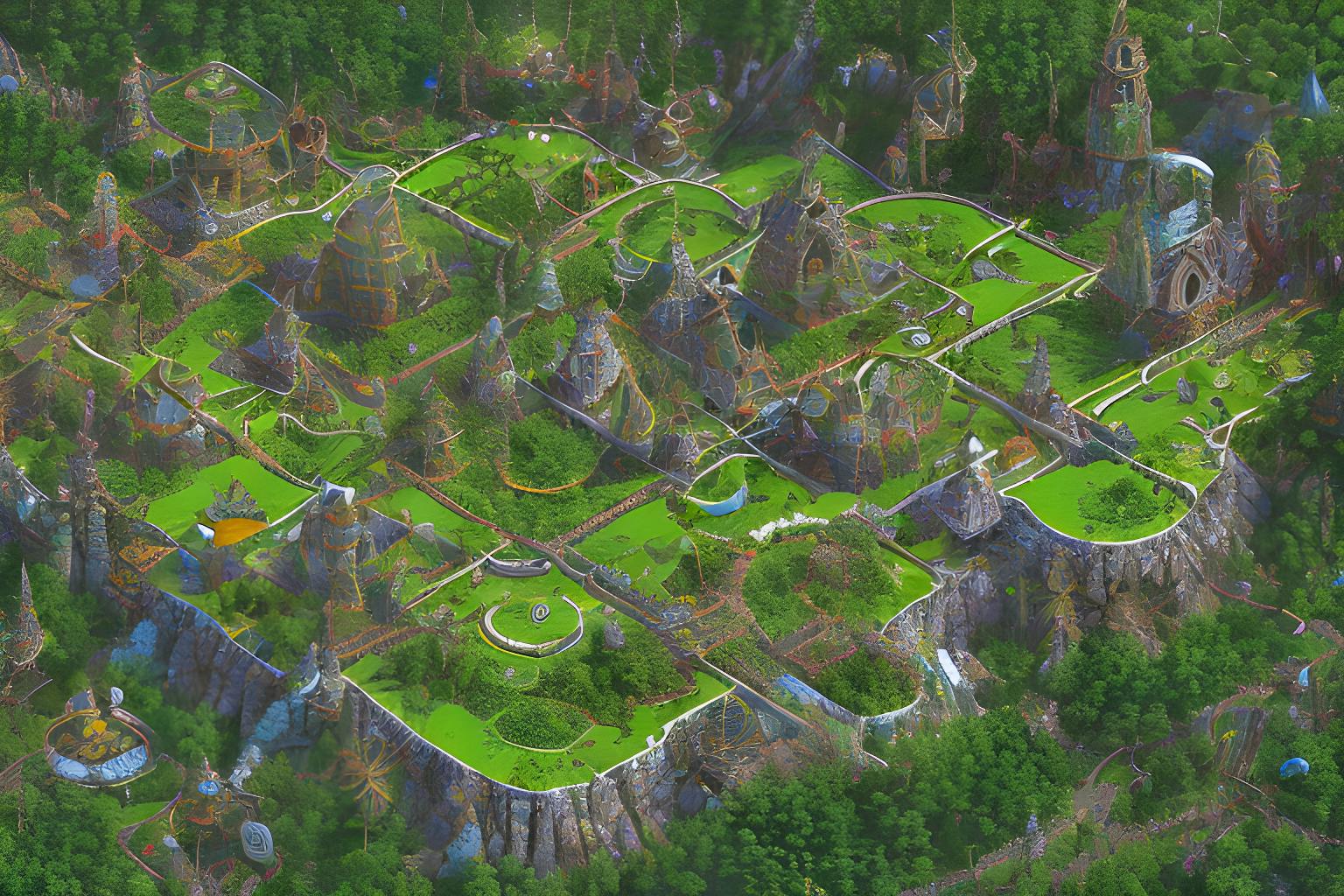
But here’s where it gets even more fascinating: cacti don’t just store water—they *distribute* it. Their root systems create microclimates, trapping moisture in the soil and fostering the growth of other plants. In a Martian greenhouse, a carefully curated cactus could be the keystone species, its presence enabling a cascade of life that would otherwise wither and die. Imagine a domed colony where the first crops aren’t wheat or potatoes, but prickly pear cacti—nourishing, hydrating, and resilient. The cactus isn’t just a plant; it’s an ecosystem engineer.
The Spine of a New Civilization
Colonizing another planet isn’t just about survival—it’s about building a home. And homes need materials. Here, too, cacti could play a pivotal role. The fibrous stems of many species, like the Agave or Yucca, can be processed into a durable, lightweight material akin to plywood or even fiberglass. The spines? They could be repurposed as micro-tools, surgical instruments, or even the structural framework for temporary shelters. In a pinch, the sap of some cacti can be used as a natural adhesive or a sealant, binding Martian regolith into bricks without the need for energy-intensive kilns.
But the true magic lies in their ability to inspire. Cacti are a symbol of endurance, of beauty in adversity. They teach us that life doesn’t need to be lush to be thriving; it just needs to be clever. On a planet where every resource is scarce, the cactus reminds us that sustainability isn’t a luxury—it’s a necessity. By integrating these plants into our colonial designs, we’re not just importing Earth’s flora; we’re importing Earth’s ethos of resilience, adaptability, and harmony with the harshest of environments.
The Pollination Paradox: Who Will Kiss the Cactus?
Of course, no ecosystem is complete without its pollinators. And here, we encounter a delightful conundrum: how do you get bees—or any pollinator—to visit a cactus on Mars? The answer might lie in the cactus itself. Some species, like the Ferocactus, have evolved to attract specific pollinators with vibrant flowers and sweet nectar. Others, like the Opuntia, rely on birds or even bats. But on a lifeless planet, these partners are absent. So, what’s the solution?
Enter the robotic pollinator. Engineers are already experimenting with tiny, autonomous drones that can mimic the behavior of bees, transferring pollen from flower to flower. Imagine a swarm of these mechanical pollinators flitting between cactus blooms in a Martian greenhouse, their wings humming softly as they perform the ancient dance of fertilization. It’s a marriage of biology and technology, a testament to human ingenuity. And it’s not just about the cacti—it’s about proving that life, in all its forms, can adapt, evolve, and thrive beyond the cradle of Earth.
The Ethical Thorn: Should We Even Try?
But let’s pause for a moment. Is it ethical to introduce Earth’s flora to another planet, even if it’s to make it more habitable? Could we accidentally introduce invasive species that disrupt any potential native life? Could we, in our eagerness to colonize, repeat the mistakes of Earth’s colonial history, where ecosystems were irrevocably altered by human intervention?
These are not trivial questions. The cactus, for all its resilience, is still an Earth organism. Its introduction to Mars would be an act of terraforming, a deliberate alteration of an alien world. But perhaps that’s the point. Colonization isn’t just about survival—it’s about transformation. It’s about taking the lessons of Earth’s most resilient lifeforms and applying them to the cosmos. If we’re going to make other planets our home, we must do so with humility, with respect, and with the wisdom of those who came before us—like the cactus, standing tall in the desert, defying the odds.
A Future Rooted in Prickles
The road to interplanetary colonization is long and fraught with challenges. But if we look closely, we might find that the answers we seek aren’t in the stars, but in the spines of a plant that has thrived on Earth for millennia. The cactus is more than a survivor; it’s a teacher, a builder, and a symbol of what’s possible when life refuses to surrender to adversity.
So, the next time you see a cactus standing defiantly in the desert, remember: it’s not just a plant. It’s a blueprint. A manifesto. A reminder that the future isn’t just something we build—it’s something we nurture, one spine, one spine, one resilient, water-hoarding, life-giving spine at a time.
FAQ
Why are cacti considered good candidates for planetary colonization?
Because of their ability to survive harsh conditions, store water efficiently, and support soil fertility through nitrogen fixation, cacti could help establish sustainable ecosystems on planets like Mars.
How might cacti contribute to building materials on other planets?
Fibrous cactus stems can be processed into lightweight, durable materials similar to plywood or fiberglass, and cactus sap can act as a natural adhesive or sealant.
What challenges exist in pollinating cacti on planets without natural pollinators?
Since natural pollinators like bees are absent, robotic pollinators could be used to transfer pollen and ensure cactus reproduction.
What ethical questions arise from introducing Earth plants to other planets?
Concerns include the risk of contaminating potential native ecosystems and repeating ecological disruptions similar to those caused by human colonization on Earth.



Leave a Reply