
Short Answer
The year 2026 whispers promises of innovation, daring flavors, and a cocktail culture that thrives on the unexpected. What if the next big trend in mixology isn’t just about exotic fruits or rare spirits—but something far more resilient, far more *alive*? Enter the cactus, a spiky sentinel of the desert, poised to shake up the way we think about drinks. Imagine infusions that dance with earthy depth, syrups that shimmer with subtle sweetness, and garnishes that defy convention. The question isn’t whether cacti belong in cocktails—it’s how we’ll harness their untapped potential before the rest of the world catches on.
The Cactus Renaissance: Why 2026 Belongs to the Prickly Pear
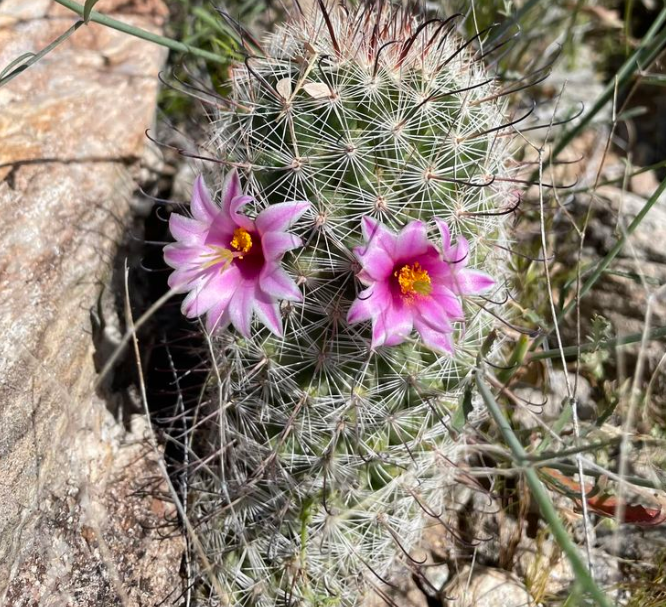
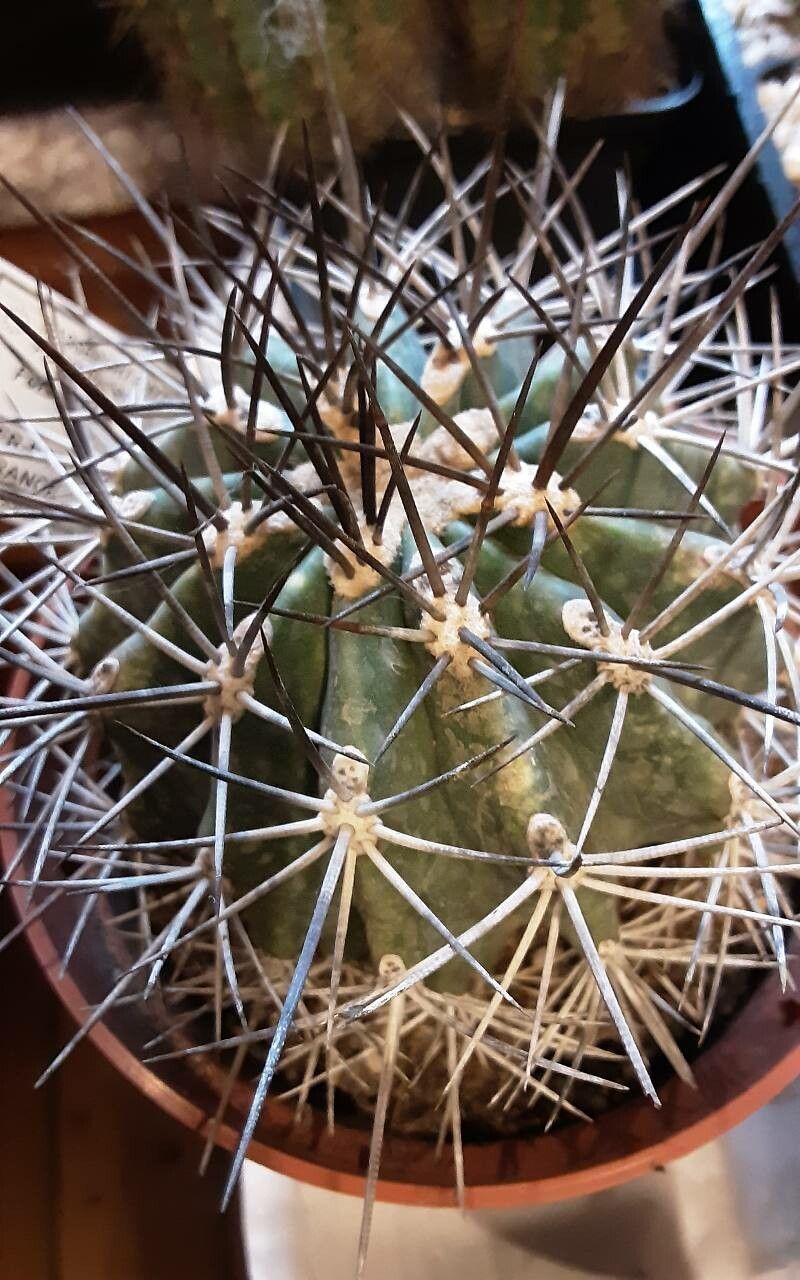
For too long, the cactus has been relegated to the role of a decorative backdrop in arid landscapes or a symbol of endurance in harsh climates. But in the hands of a bold mixologist, it transforms into a canvas of possibility. The prickly pear, in particular, is a treasure trove of flavor—its vibrant magenta hue isn’t just a feast for the eyes; it’s a promise of tart, slightly floral notes that can elevate a drink from ordinary to extraordinary. Beyond its fruit, the pads (or *nopales*) of the cactus offer a crisp, vegetal crunch, perfect for muddling or infusing. And let’s not forget the spines—yes, even they have a role to play, lending a playful texture to garnishes that’ll leave guests both intrigued and slightly wary.
The challenge? Convincing the world that cacti aren’t just for cowboys and cacti enthusiasts. In 2026, the onus is on bartenders to demystify these desert dwellers, proving that their inclusion in cocktails isn’t a gimmick but a celebration of terroir. The prickly pear’s natural sugars can reduce the need for added sweeteners, while its high water content makes it an eco-friendly choice in an era where sustainability isn’t just a buzzword—it’s a mandate. The cactus is more than an ingredient; it’s a statement.
From Desert to Decanter: Mastering Cactus Infusions
Infusing spirits with cactus isn’t as simple as tossing a few pads into a bottle and waiting. Oh no, this is where the artistry begins. The key lies in balance—capturing the essence of the cactus without letting its vegetal bitterness overpower the drink. Start with a neutral spirit like vodka or tequila, then introduce thinly sliced nopales or prickly pear pulp. The infusion time is critical; too short, and you’ll miss the depth; too long, and you’ll be left with a drink that tastes like a salad gone wrong. Aim for 24 to 48 hours, then strain carefully, discarding the solids before they turn your cocktail into a murky mess.
For those who prefer a sweeter touch, cactus syrup is a game-changer. Simmer prickly pear juice with sugar and a touch of citrus zest until it thickens into a syrup that’s both floral and subtly tangy. This isn’t your average simple syrup—it’s a flavor bomb that can transform a margarita into a desert oasis or a gin fizz into a botanical revelation. The trick? Strain it twice to ensure a silky texture, free of any lingering pulp or seeds. And if you’re feeling particularly adventurous, try fermenting cactus juice into a lightly effervescent base for a cocktail that’s part wine, part soda, and 100% unexpected.
Cactus Cocktails to Watch (And Master) in 2026
The Sonoran Sunset is poised to be the cocktail of the year. Picture this: a tequila base infused with nopales, shaken with prickly pear syrup, lime juice, and a dash of chili salt rim. The result? A drink that’s equal parts refreshing and fiery, with a finish that lingers like the desert breeze. For those who prefer their cocktails lighter, the Prickly Pear Spritz combines cactus-infused gin with prosecco, soda water, and a twist of grapefruit. It’s effervescent, elegant, and just sweet enough to make you forget you’re drinking something made from a plant that could stab you if you’re not careful.
Then there’s the Nopal Negroni, a bold reimagining of the classic. Replace the usual Campari with a cactus-infused amaro, and suddenly, the bitterness takes on a new dimension—earthy, almost mineral, with a hint of sweetness that rounds out the edges. Garnish with a skewer of candied cactus pads for a touch of whimsy. And let’s not overlook the Cholla Cooler, a rum-based concoction where cholla buds (yes, those spiky little things) are muddled with mint and lime, then topped with ginger beer. It’s a drink that’s as much about texture as it is about flavor, with each sip offering a surprise.
The Sustainability Edge: Why Cacti Are the Future
In an industry grappling with water scarcity and ethical sourcing, the cactus is a hero in disguise. Unlike many fruits and herbs that demand copious amounts of water, cacti thrive in arid conditions, requiring minimal irrigation. Their resilience makes them a sustainable choice, and their ability to sequester carbon means that every cocktail made with cactus is a small step toward reducing your carbon footprint. But the benefits don’t stop there. By incorporating cacti into your menu, you’re not just serving a drink—you’re telling a story of adaptation, of thriving where others wither. It’s a narrative that resonates with modern drinkers who crave authenticity and responsibility in their glass.
The challenge, of course, is supply chain logistics. Not all cacti are created equal, and sourcing the right variety—whether it’s the prickly pear or the dragon fruit cactus—requires forethought. Partner with local farmers or specialty growers to ensure freshness and ethical harvesting. And be transparent with your customers: let them know that their cocktail isn’t just delicious, but it’s also part of a larger movement toward sustainable mixology. The cactus isn’t just an ingredient; it’s a manifesto.
Pairing Cactus Cocktails with Food: A Match Made in the Desert
No cocktail exists in a vacuum, and the best drinks are those that complement the food they’re served with. Cactus cocktails, with their bright acidity and earthy undertones, are a natural fit for spicy dishes. Imagine a Prickly Pear Margarita alongside a plate of smoky chipotle-glazed ribs—the sweetness of the cocktail will tame the heat, while the acidity cuts through the richness. For a lighter option, pair a Nopal Gin Fizz with grilled fish tacos, where the herbal notes of the gin echo the cilantro and lime in the dish.
Vegetarian and vegan diners need not feel left out. A Cholla Cooler with its muddled mint and ginger beer is a refreshing companion to a spicy black bean burger, while a Sonoran Sunset adds a festive touch to a charred corn and avocado salad. The key is to let the cactus’s natural flavors shine without overwhelming the dish. Think of it as a culinary bridge, connecting the boldness of the desert with the creativity of the modern kitchen.
The Final Challenge: Will You Be a Trailblazer or a Late Adopter?
The cactus cocktail revolution isn’t coming—it’s already here. The question is, will you be among the first to embrace it? The early adopters will reap the rewards: a reputation for innovation, a menu that stands out in a sea of sameness, and the satisfaction of knowing you’re part of a movement that’s as delicious as it is responsible. But be warned: the cactus isn’t for the faint of heart. It demands respect, creativity, and a willingness to experiment. There will be missteps—cocktails that taste like a failed science experiment, infusions that go south, garnishes that look more like a medieval weapon than a drink enhancer. But that’s the price of progress.
So, as 2026 approaches, ask yourself: Are you ready to let the cactus take center stage? Will your bar be the one where the first cactus cocktail is ordered, then ordered again, then ordered by everyone else in the room? The desert is waiting. The spiky, resilient, flavor-packed desert. All you have to do is reach out and pluck it from the glass.
FAQ
What are cactus cocktails?
Cactus cocktails are beverages made using various cactus ingredients, such as prickly pear or nopales, to create unique flavors and innovative drink options.
How can I infuse cactus into spirits?
To infuse cactus into spirits, slice nopales or prickly pear, add them to a neutral spirit like vodka or tequila, and let it steep for 24 to 48 hours.
Why are cacti considered sustainable?
Cacti require minimal water and can thrive in arid conditions, making them a sustainable choice for cocktails in an eco-conscious industry.

Leave a Reply