
Short Answer
Imagine a botanical alchemy where spines twist into harmony, colors bleed into one another like watercolors on parchment, and the rigid boundaries of plant taxonomy dissolve into something breathtakingly new. This is the art of grafting cacti—a practice that marries the tenacity of one species with the flamboyance of another, birthing hybrids that defy expectations. It’s not just horticulture; it’s a rebellion against the ordinary, a dance of patience and precision that yields plants unlike any found in nature. Whether you’re a seasoned collector or a curious novice, grafting offers a canvas where the only limit is your imagination. So, let’s dive into the world of cacti grafting, where science meets artistry, and every slice of a knife could be the birth of something extraordinary.
The Allure of Grafted Cacti: Why Bother with a Knife and a Dream?
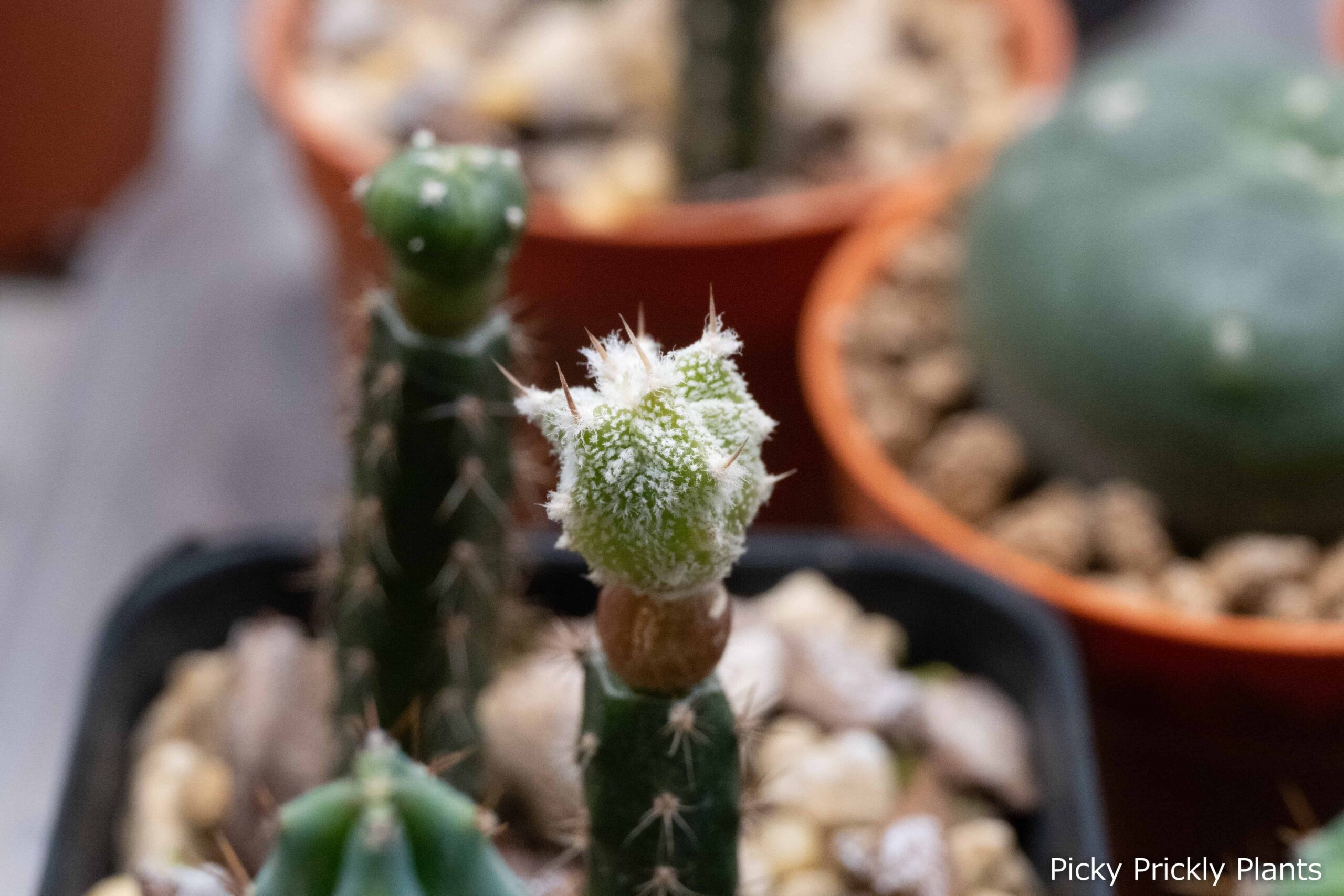
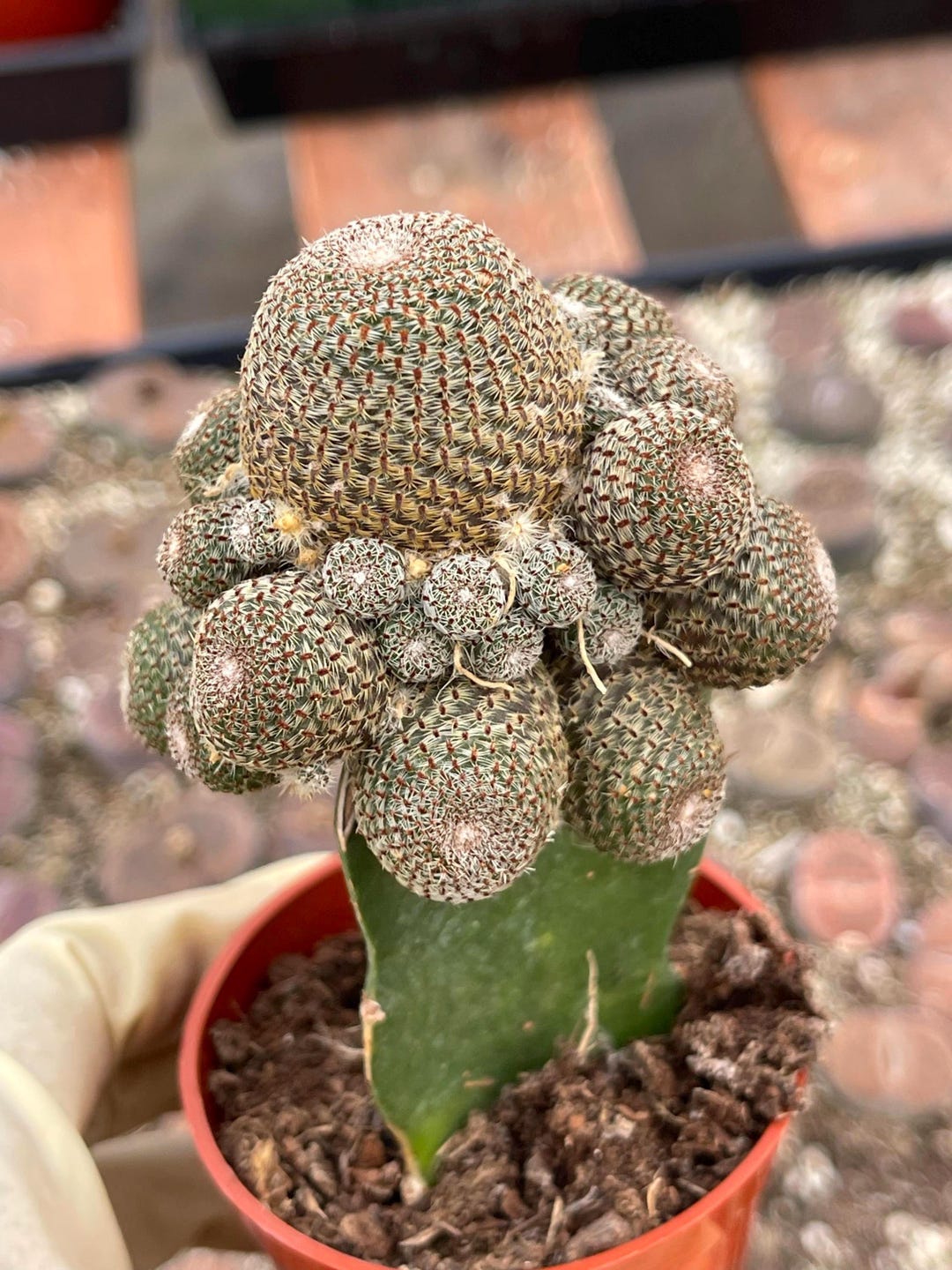
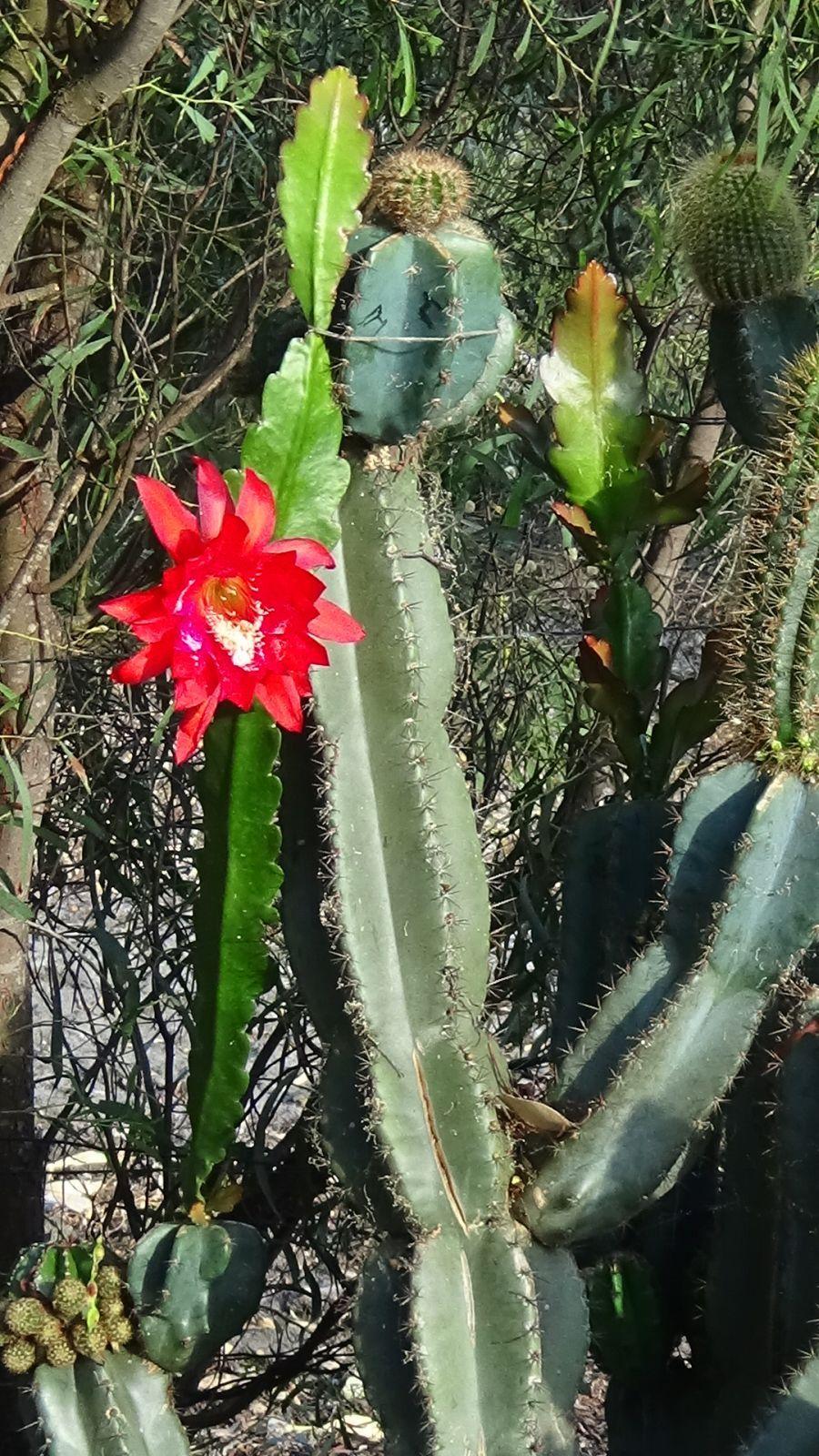
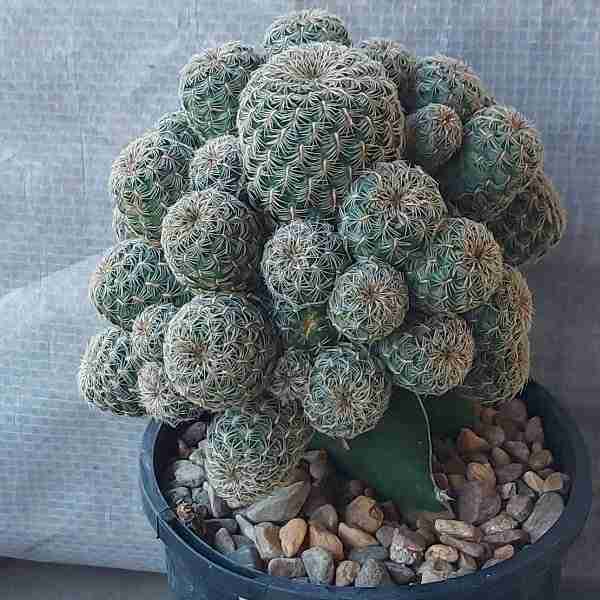
At first glance, grafting might seem like an exercise in botanical overkill—why not just let cacti grow as nature intended? The answer lies in the sheer potential of the technique. Grafting allows you to combine the hardiness of a robust rootstock with the exotic allure of a scion, creating plants that are not only visually stunning but often more resilient. Take, for instance, the delicate Gymnocalycium with its pastel hues, which, when grafted onto a sturdy Hylocereus rootstock, thrives in conditions where it might otherwise wither. Or consider the Epiphyllum hybrids, whose ethereal blooms are made possible by the grafted union of two distinct genera. This isn’t just about aesthetics; it’s about unlocking traits—faster growth, enhanced drought tolerance, or even the ability to flower in climates where they’d normally struggle. Grafting is the ultimate hack for plant enthusiasts, a way to coax the impossible from the possible.
Choosing Your Players: Selecting Rootstock and Scion with Intent
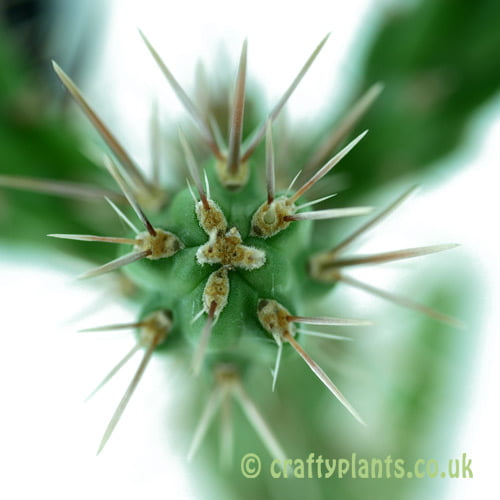
The success of a graft hinges on the compatibility of its components. Think of the rootstock as the steadfast foundation—a species chosen for its vigor, disease resistance, and adaptability. Common choices include Hylocereus undatus (the dragon fruit cactus), Selenicereus species, or even Pereskiopsis for delicate grafts. The scion, on the other hand, is the star—the flashy, rare, or otherwise temperamental species you wish to propagate. Perhaps it’s a Mammillaria with a penchant for rot, or a Lophophora that refuses to root on its own. The key is to match the scion’s needs with the rootstock’s strengths. A fast-growing rootstock can invigorate a slow-growing scion, while a drought-tolerant one can bolster a thirsty species. But beware: not all cacti play nice. Some genera, like Ferocactus or Echinocactus, are notoriously poor rootstocks, their thick, woody stems resistant to fusion. Research is your ally here—know your players before you make the cut.
The Ritual of the Cut: Tools, Timing, and Technique
Grafting is as much about precision as it is about patience. The right tools can mean the difference between a thriving union and a rotting mess. A sharp, sterilized razor blade or grafting knife is non-negotiable—dull blades crush tissue, dooming the graft before it begins. A clean, flat surface for cutting is equally crucial; jagged edges invite infection and poor alignment. Timing matters too. The ideal moment is when both rootstock and scion are in active growth, their cells plump with turgor pressure, ready to knit together. Early spring or late summer often works best, avoiding the stress of extreme heat or cold. As for technique, there are several schools of thought: the classic flat graft, where both rootstock and scion are sliced horizontally and pressed together; the wedge graft, which involves a V-shaped cut on the rootstock to cradle the scion; or the cleft graft, where the scion is inserted into a slit in the rootstock. Each method has its merits, but the flat graft remains the gold standard for most enthusiasts due to its simplicity and reliability. The goal is to align the vascular rings—the concentric circles visible in a cross-section—so that the scion’s and rootstock’s conductive tissues can merge seamlessly.
Binding the Union: Securing the Graft for Success
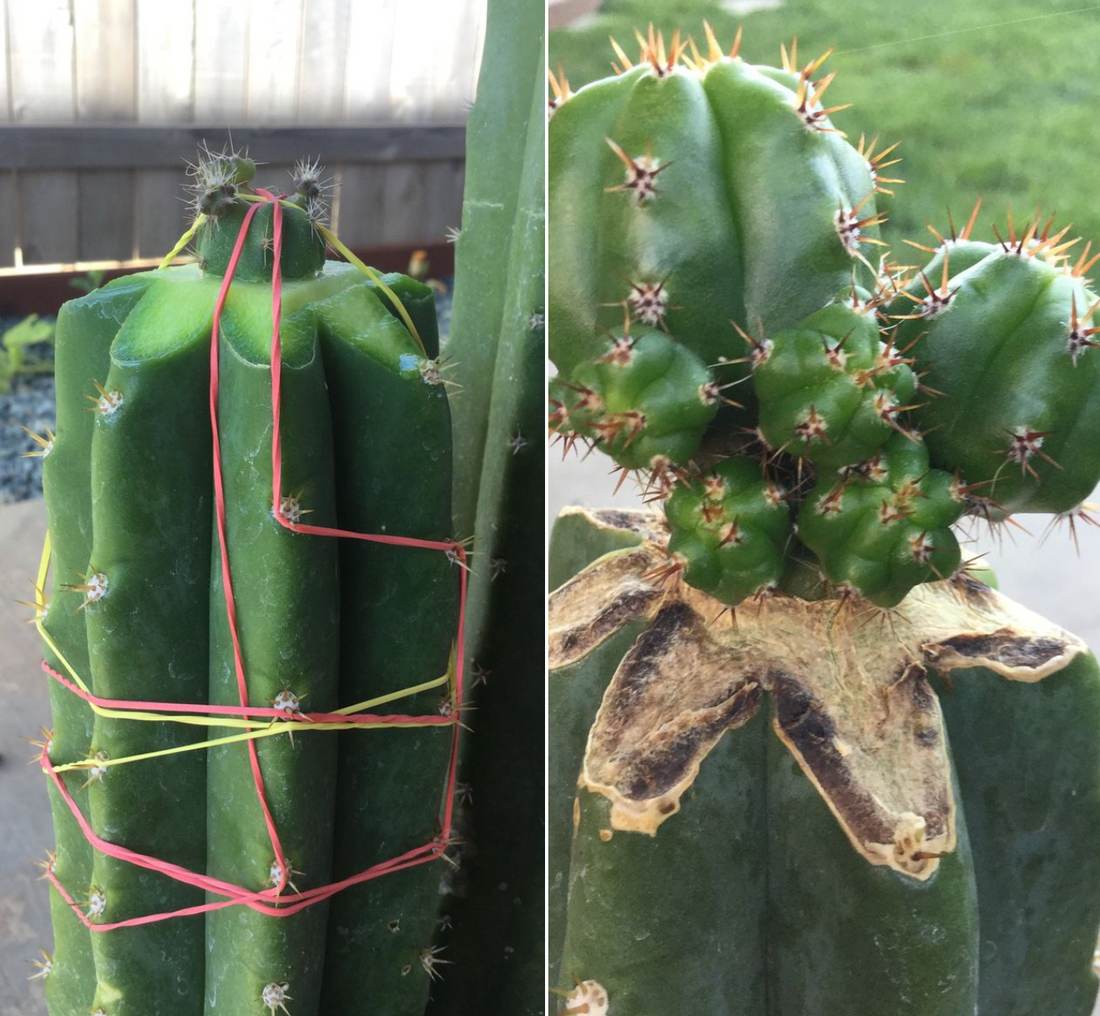
Once the cut is made, the real magic begins. The graft must be held in place with unwavering commitment. Rubber bands, grafting clips, or even toothpicks can serve as temporary anchors, but the true workhorse is often a stretchy, self-adhesive bandage or a strip of Parafilm. The key is to apply even pressure without crushing the delicate tissues. Too loose, and the union won’t fuse; too tight, and you’ll strangle the life out of the scion. Some growers swear by a light dusting of sulfur or cinnamon on the cut surfaces to prevent rot, though this is optional. The grafted plant should then be placed in a humid, shaded environment—think a propagator box or a clear plastic bag with ventilation holes—to encourage callus formation. This is where the patience comes in. For the first week, avoid direct light and keep the humidity high. After two to four weeks, if all goes well, you’ll see signs of life: the scion plumping up, a hint of new growth. Resist the urge to disturb the graft; let the plants do the work.
Aftercare: Nurturing the Newborn Hybrid
The first few months post-graft are critical. The scion, now dependent on the rootstock for its survival, is vulnerable to stress. Gradually acclimate it to brighter light, but never direct, scorching sun—think dappled shade or an east-facing window. Water sparingly; overwatering is the fastest way to rot a graft. A light misting or a shallow tray of water beneath the pot can provide humidity without drowning the roots. Fertilize lightly, if at all, in the early stages. The goal is to let the graft strengthen before pushing it to grow. Watch for signs of distress: wrinkled skin, discoloration, or a soft, mushy base. These are red flags that the union has failed, and the scion may need to be removed and reattempted. But if all goes well, you’ll be rewarded with a plant that grows faster, flowers more prolifically, or simply dazzles with colors and forms you never thought possible. Some grafts take months to fully integrate; others seem to thrive from day one. Each plant tells its own story.
The Ethical Gardener: Responsible Grafting in a Changing World
With great power comes great responsibility. Grafting is a tool, and like any tool, it can be wielded with care or with reckless abandon. The ethical gardener considers the implications of their actions—not just for the plants in their care, but for the broader ecosystem. Avoid grafting endangered or protected species unless you’re working with legally obtained, cultivated stock. Be mindful of the genetic implications: while grafting doesn’t alter the DNA of the scion or rootstock, it can create hybrids that outcompete native species if released into the wild. And always, always prioritize the health of the plant over the desire for novelty. A grafted cactus that struggles to survive is a testament to poor choices, not skill. The goal isn’t just to create something unique—it’s to create something that thrives, that contributes to the beauty and diversity of your collection without harming the planet. Grafting should be a celebration of life, not a gamble with it.
Beyond the Basics: Advanced Techniques and Creative Experiments
Once you’ve mastered the fundamentals, the world of grafting opens up like a desert bloom after rain. Try your hand at double grafting, where a scion is grafted onto an intermediate stock, which is then grafted onto a rootstock—this can help bridge the gap between incompatible genera. Or experiment with color grafting, where multiple scions of different species are grafted onto a single rootstock, creating a living mosaic of spines and flowers. Some enthusiasts even graft entire landscapes onto a single plant, creating miniature cacti gardens where each segment tells its own story. The possibilities are limited only by your creativity. Keep a journal of your grafts, noting which combinations work and which fail. Over time, you’ll develop an intuition for what will thrive, turning your collection into a living experiment—and a source of endless fascination.
Grafting cacti is more than a technique; it’s a philosophy. It’s a reminder that nature’s boundaries are fluid, that beauty can emerge from the most unexpected unions, and that with a little skill and a lot of patience, even the most stubborn plants can be coaxed into revealing their hidden potential. So, sharpen your knife, choose your partners wisely, and get ready to witness the birth of something extraordinary. The world of grafted cacti awaits—and it’s waiting to be shaped by your hands.
FAQ
What is cactus grafting?
Cactus grafting is the process of joining two cactus plants, typically a rootstock and a scion, to create a hybrid plant with desirable traits from both.
Why graft cacti instead of growing them separately?
Grafting can improve plant resilience, accelerate growth, and enable flowering in conditions where the scion alone might struggle.
Which cacti make the best rootstock?
Common rootstocks include Hylocereus undatus, Selenicereus species, and Pereskiopsis because of their vigor and adaptability.
What tools are required for cactus grafting?
A sharp, sterilized razor blade or grafting knife, rubber bands or grafting clips, and sometimes Parafilm or self-adhesive bandages for securing the graft.
How should a grafted cactus be cared for after grafting?
Place in a humid, shaded environment, avoid overwatering, gradually introduce to brighter light, and watch for signs of distress.
Leave a Reply