
Short Answer
Picture this: a sun-drenched windowsill, a cluster of spiky sentinels basking in the golden hour, and the quiet hum of life unfolding in a glass of water. Propagating cacti in water isn’t just a gardening hack—it’s a quiet rebellion against the rigid rules of arid-world survival. For generations, these desert denizens have thrived in parched soils, their roots coiled like serpents in the sand, defying the odds. But what if we told you that some of these stoic survivors could dip their toes into hydration without drowning? The idea of rooting cactus cuttings in water feels almost sacrilegious to purists, yet it’s a method that’s gaining traction among the bold and the curious. Could this be the key to unlocking faster growth, or is it a gamble that only a select few genera can afford? Let’s peel back the layers of this prickly paradox.
The Myth of the Unyielding Cactus: Challenging the Arid Dogma
For too long, cacti have been painted as the stoic loners of the plant world—resilient, yes, but also uncompromising. Their reputation as water-averse survivors has led many to believe that any attempt to root them in liquid is a death sentence. Yet, this narrative overlooks the incredible adaptability of these plants. Cacti, after all, are not monolithic; they’re a diverse family with over 1,700 species, each with its own quirks and survival strategies. Some, like the Epiphyllum or the Rhipsalis, are epiphytic by nature, thriving in the humid canopies of rainforests where water is plentiful. Others, like the Selenicereus, are night-blooming vines that cling to trees in tropical climates. These aren’t your typical desert dwellers—they’re the outliers, the rebels, and they might just be the key to proving that cacti can, in fact, dance with water.
The myth of the cactus as an unyielding desert recluse is slowly crumbling. Modern horticulture is uncovering that many species can tolerate, and even thrive in, moist conditions—provided they’re given the right conditions. The trick lies in understanding which genera are willing to dip their roots into the aqueous realm without succumbing to rot. It’s a delicate balance, but one that could revolutionize how we propagate these iconic plants.
Water Propagation: The Science Behind the Swirl
At its core, water propagation is a game of patience and precision. When a cactus cutting is placed in water, it’s not just sitting idly—it’s engaging in a biochemical tango. The cut end of the stem, once calloused over, begins to produce root primordia, tiny nubs of potential that will eventually burrow into the soil. But here’s the catch: cacti are adapted to store water, not to absorb it continuously. Too much moisture, and the cutting becomes a sitting duck for fungal pathogens like Phytophthora or bacterial rot. Too little, and the roots never develop.
The key to success lies in the environment. A shallow dish of water, changed every few days to prevent stagnation, creates a microclimate where the cutting can sense both hydration and aeration. The water should be at room temperature—never cold, never hot—as extreme temperatures can shock the plant. Some growers swear by adding a drop of hydrogen peroxide to the water, claiming it oxygenates the solution and deters microbial invaders. Others use a weak solution of diluted seaweed extract to provide trace minerals that encourage root growth. The science is still unfolding, but one thing is clear: water propagation isn’t a one-size-fits-all endeavor.
Genera That Thrive in Water: The Trailblazers
Not all cacti are created equal when it comes to water propagation. Some genera are natural-born swimmers, while others would rather wilt than dip a toe in the aqueous abyss. The Epiphyllum clan, for instance, is a standout. These jungle cacti, with their flat, leaf-like stems, are accustomed to high humidity and frequent rainfall. They root in water with almost alarming ease, sending out delicate, thread-like roots within weeks. Similarly, the Rhipsalis genus, with its cascading, hair-like stems, is a water propagation darling. These plants are epiphytic in nature, meaning they grow on other plants in their native habitats, and they’ve evolved to absorb moisture from the air and rain.
Then there are the Selenicereus species, the night-blooming cereus, which are as comfortable in water as they are in soil. Their long, vine-like stems can be snipped and rooted in a glass of water, where they’ll unfurl new growth with surprising vigor. Even some of the more terrestrial genera, like the Schlumbergera (Christmas cactus), can be coaxed into rooting in water, though they may take longer to establish. The common thread among these genera is their adaptability to moisture-rich environments in the wild. They’re the cacti that have learned to bend without breaking, to absorb without drowning.
Genera That Resist the Dip: The Holdouts
Of course, not every cactus is eager to take the plunge. The true desert dwellers—the Ferocactus, Echinocactus, and Mammillaria species—are deeply rooted in their arid heritage. These cacti have evolved to store water in their thick, fleshy bodies and to tolerate prolonged drought. For them, water propagation is a risky proposition. Their cuttings are prone to rot, their stems ill-equipped to handle the constant moisture. Attempting to root a Ferocactus in water is like asking a camel to swim across the ocean—it’s possible, but the odds are stacked against it.
Even among these holdouts, there are exceptions. Some growers have had success with Mammillaria species, particularly those with smaller, more delicate stems. The trick is to keep the cutting in water for only a short period—just long enough to encourage root initiation—before transferring it to a dry, well-draining medium. But for the most part, these genera are better off sticking to traditional soil propagation methods. Their roots are designed for sand, not water, and forcing the issue can lead to disappointment.
The Art of the Cut: Timing and Technique
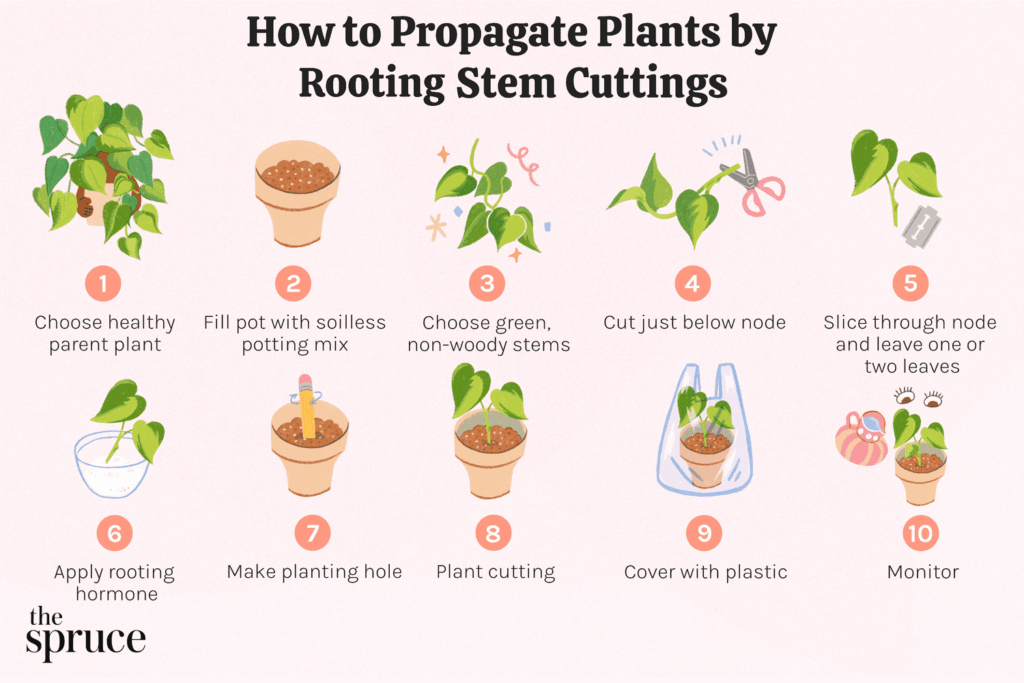
Propagating cacti in water isn’t just about dunking a cutting and hoping for the best. It’s an art form that requires finesse, timing, and a deep understanding of the plant’s biology. The first step is selecting the right cutting. For most cacti, this means choosing a healthy stem segment that’s free of disease or damage. The cutting should be at least a few inches long, with a clean, angled cut at the base to maximize surface area for root growth. For columnar cacti, like the Cereus or Pilosocereus, a single segment can be used, while for branching species, individual pads or stems can be snipped off.
Once the cutting is taken, it’s crucial to let it callous over. This process, which can take anywhere from a few days to a couple of weeks, allows the cut end to heal and form a protective barrier against rot. During this time, the cutting should be kept in a dry, shaded spot—never in direct sunlight, which can cause it to scorch. Once the callous has formed, the cutting is ready for its aquatic debut. Place it in a shallow dish of water, ensuring that only the very base of the cutting is submerged. Too much water can lead to rot, while too little won’t encourage root growth. The dish should be placed in a bright, indirect light, away from drafts or temperature fluctuations.
Transplanting: From Water to Soil
The moment the roots reach a length of about an inch or two, it’s time to make the leap from water to soil. This transition is critical—too soon, and the cutting may not have enough roots to support itself; too late, and the roots can become waterlogged and weak. The key is to act decisively. Gently remove the cutting from the water, taking care not to damage the delicate new roots. Prepare a well-draining soil mix, ideally one that’s gritty and lean, with plenty of perlite or coarse sand to prevent water retention. A mix designed for cacti and succulents is ideal, as it mimics the arid conditions these plants thrive in.
Plant the cutting in the soil, burying it just deep enough to anchor it in place. Avoid watering immediately—instead, wait a few days to allow the roots to adjust to their new environment. After this initial period, water sparingly, allowing the soil to dry out completely between waterings. The cutting is now on its own, its fate no longer tied to the whims of a watery abyss. But the journey isn’t over. It will take time for the cutting to establish itself in the soil, to grow stronger, and to eventually produce new growth. Patience is key, as is a watchful eye for signs of stress or rot.
The Bigger Picture: Rethinking Cactus Care
Propagating cacti in water isn’t just a quirky experiment—it’s a paradigm shift. It challenges the notion that these plants are rigid, unchanging entities, bound by the constraints of their desert origins. Instead, it reveals them as adaptable, resilient, and capable of surprising us. By exploring water propagation, we’re not just growing new plants; we’re expanding our understanding of what cacti can endure. We’re breaking free from the dogma that says these plants must always be dry, always be spiny, always be solitary.
This method also democratizes cactus propagation. For those who struggle with traditional soil-based techniques, water propagation offers a gentler, more forgiving alternative. It’s a way to coax life from cuttings that might otherwise wither and die. And for the curious, it’s an invitation to experiment, to push the boundaries of what we think we know about these iconic plants. So, the next time you see a cactus, don’t just admire its spines—imagine its roots, not just in the sand, but in the water, too. The possibilities are as vast as the desert sky.
Leave a Reply