
Short Answer
In the arid dance of survival, where the sun’s relentless gaze parches the earth and the wind whispers secrets of scarcity, nature unfurls a masterclass in resilience. Among the most enigmatic performers in this stark ballet is the cactus—a botanical marvel that has spent millennia perfecting the art of doing more with less. These spiky sentinels are not merely survivors; they are architects of a philosophy that challenges the very notion of abundance. As climate change tightens its grip on our planet, the cactus emerges as an unlikely muse, inspiring a revolution in water conservation that transcends the boundaries of botany and infiltrates the realms of design, agriculture, and urban living. To understand the cactus is to unravel a tapestry of ingenuity, where every spine, every pleat, and every drop of stored moisture tells a story of adaptation that the modern world would do well to heed.
The Cactus as a Metaphor for Scarcity and Abundance
At first glance, the cactus is a paradox wrapped in a riddle, a plant that thrives where others wither. Its very existence is a defiance of the conventional wisdom that equates lushness with vitality. Instead, the cactus embodies a radical redefinition of abundance—one that does not equate to excess but to efficiency. The cactus’s fleshy stems, often mistaken for mere storage vessels, are in fact sophisticated hydrodynamic systems, capable of expanding and contracting with the rhythm of rainfall and drought. This elasticity is not just a biological quirk; it is a metaphor for a lifestyle that prioritizes adaptability over accumulation. In a world obsessed with growth at all costs, the cactus whispers a counter-narrative: that true prosperity lies not in hoarding, but in knowing precisely when to hold on and when to let go. Its ability to store water for years, only to release it in measured doses, mirrors the principles of sustainable living—where resources are cherished, not squandered, and where resilience is built not through brute force, but through patience and precision.
The Architecture of Thrift: How Cacti Optimize Water Use
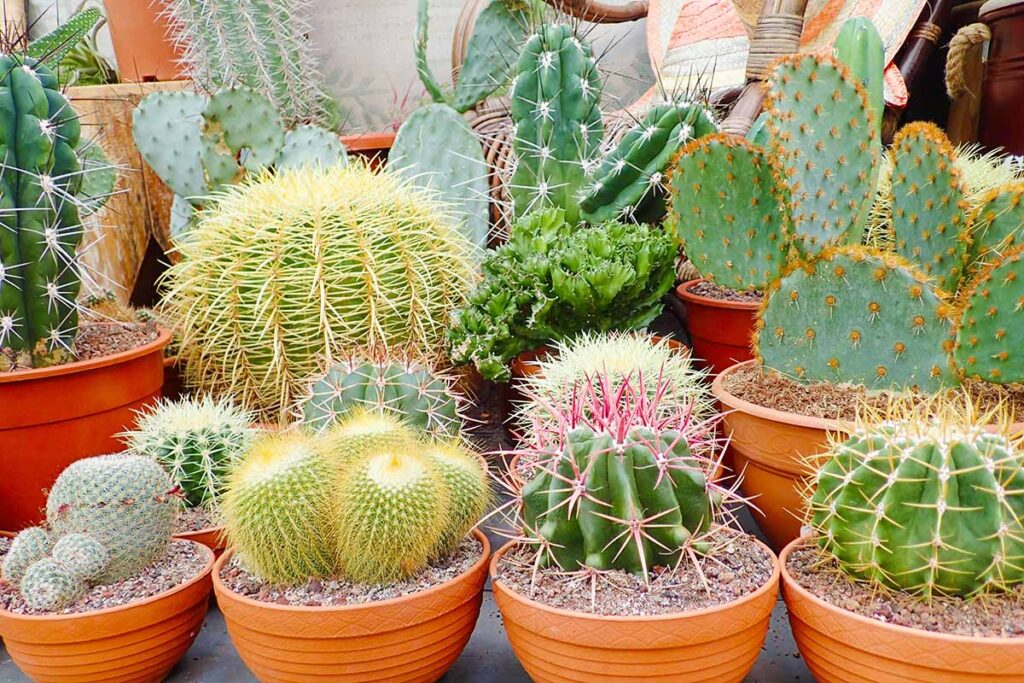
The cactus’s genius is etched into its very morphology. Take, for instance, the ribbed or pleated structure of species like the saguaro or barrel cactus. These ridges are not merely decorative; they are a marvel of engineering, allowing the plant to expand and contract without rupturing. When rain finally arrives, the cactus’s pleats unfurl like the petals of a nocturnal bloom, maximizing surface area to absorb every precious drop. Yet, this is not a reckless indulgence. As the water is absorbed, the pleats contract, reducing the plant’s exposure to the scorching sun and minimizing water loss through transpiration. This dynamic interplay between expansion and contraction is a lesson in moderation—a reminder that even in times of plenty, restraint is the key to longevity. The cactus does not gorge itself; it sips. It does not flaunt its wealth; it conceals it, only to reveal it when necessity demands. This philosophy of quiet accumulation and judicious expenditure is one that modern societies, with their culture of instant gratification and waste, would do well to emulate.
Even the cactus’s spines, often dismissed as mere defensive mechanisms, play a crucial role in its water conservation strategy. These spines are not just barbs to deter predators; they are microclimate regulators. By creating a layer of still air around the plant’s surface, they reduce the rate of water evaporation. In some species, the spines also cast delicate shadows that protect the stem from direct sunlight, further shielding the plant’s precious moisture reserves. This intricate system of checks and balances—where every part of the cactus contributes to its survival—is a testament to the power of integrated design. It is a blueprint for systems that are not just functional, but symbiotic, where every element works in harmony to achieve a common goal. In an era where sustainability is often reduced to a buzzword, the cactus offers a masterclass in holistic thinking, where the whole is truly greater than the sum of its parts.
Xeriscaping: The Cactus’s Legacy in Landscape Design
The cactus’s influence extends far beyond the desert, infiltrating the world of landscape architecture through the practice of xeriscaping—a method of gardening that prioritizes water efficiency without sacrificing beauty. Xeriscaping is not about creating barren, cactus-studded wastelands; it is about curating environments that are in harmony with their surroundings, where every plant, every stone, and every curve of the land serves a purpose. The cactus, with its striking silhouettes and vibrant blooms, is often the star of such designs, but its role is far more profound. It is a symbol of a new aesthetic—one that values resilience over opulence, sustainability over spectacle. In xeriscaped gardens, the cactus is not an anomaly; it is a cornerstone, a reminder that beauty need not be water-intensive to be breathtaking.
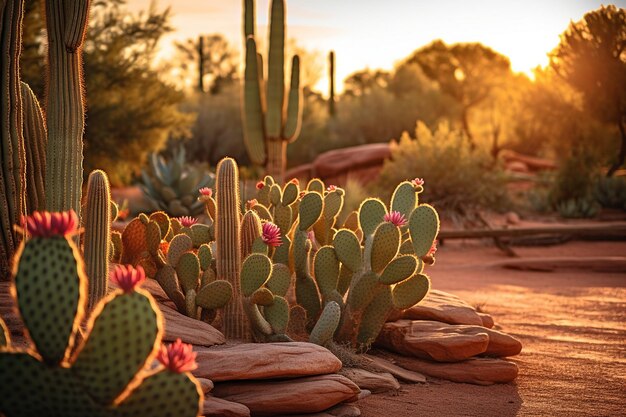
Consider the low-water garden, where succulents and cacti are arranged in a tapestry of textures and hues. Here, the cactus’s ability to thrive in arid conditions becomes a feature, not a flaw. Its presence transforms the landscape into a living mosaic, where the interplay of light and shadow, of color and form, creates a sense of tranquility and harmony. But xeriscaping is more than just an aesthetic choice; it is a radical act of defiance against the wasteful norms of traditional gardening. By replacing thirsty lawns with drought-tolerant plants, by incorporating gravel and mulch to retain moisture, and by designing landscapes that mimic natural water cycles, xeriscaping offers a blueprint for a future where human habitation coexists with the environment, rather than exploiting it. The cactus, in this context, is not just a plant; it is a manifesto—a declaration that sustainability can be beautiful, that conservation can be creative, and that the desert’s lessons are not confined to the desert itself.
Agriculture’s Silent Revolution: Cactus-Based Farming
The agricultural sector, one of the largest consumers of freshwater globally, stands at a crossroads. The cactus, long dismissed as a curiosity of the desert, is now emerging as a game-changer in the quest for sustainable farming. Species like the prickly pear (Opuntia) and the dragon fruit cactus (Hylocereus) are being cultivated not just for their fruit, but for their ability to thrive in conditions that would spell doom for traditional crops. These cacti are champions of agroecology, a farming philosophy that emphasizes harmony with nature. They require minimal irrigation, thanks to their water-storing stems, and their deep root systems help prevent soil erosion—a scourge that plagues conventional agriculture. Moreover, cacti are remarkably efficient at sequestering carbon, making them allies in the fight against climate change.
But the cactus’s contributions to agriculture extend beyond its own cultivation. In regions plagued by water scarcity, cacti are being used as living mulches, their dense canopies suppressing weeds and reducing the need for chemical herbicides. Their fallen pads, rich in nutrients, can be plowed back into the soil, enriching it without the need for synthetic fertilizers. Even their spines, once considered a nuisance, are being repurposed as natural pest deterrents. This is not just farming; it is a symphony of give-and-take, where the land and the farmer work in concert, each contributing to the other’s well-being. The cactus, in this context, is a symbol of a new agricultural paradigm—one that is not extractive, but regenerative; one that does not deplete the earth, but replenishes it. As climate change intensifies, the cactus may well become the cornerstone of a food system that is not just sustainable, but thriving.
The Urban Oasis: Cacti in Sustainable Cityscapes
Cities, with their concrete jungles and asphalt sprawl, are often seen as the antithesis of nature. Yet, even in these man-made environments, the cactus finds a home—and a purpose. Urban xeriscaping is transforming rooftops, balconies, and public parks into havens of greenery that require minimal water and maintenance. The cactus, with its striking forms and low water needs, is the perfect ambassador for this movement. It thrives in the cracks of sidewalks, on the edges of green roofs, and in the heart of vertical gardens, proving that sustainability does not require vast expanses of land or copious amounts of water. Instead, it requires imagination—and a willingness to embrace the unconventional.
Consider the green roof, where layers of drought-tolerant plants, including cacti, create a living insulation that reduces a building’s energy consumption. Or the urban farm, where cacti are interplanted with other succulents to maximize yield while minimizing water use. Even in the realm of public art, the cactus’s aesthetic appeal is being harnessed to create installations that are both visually stunning and ecologically responsible. These urban oases are not just pockets of beauty; they are statements. They challenge the notion that nature must be tamed or controlled, instead inviting it to coexist with human ingenuity. The cactus, in the city, is a reminder that sustainability is not a distant ideal, but a present reality—one that can be woven into the fabric of daily life, one spine at a time.
Conclusion: The Cactus as a Beacon for the Future
The cactus is more than a plant; it is a philosophy, a testament to the power of adaptation, and a blueprint for a sustainable future. In its silent, spiky existence, it holds the keys to water conservation, agricultural innovation, and urban resilience. It teaches us that scarcity is not a curse, but an opportunity—to innovate, to rethink, and to create. As we stand on the precipice of a climate crisis, the cactus offers a way forward, not through grand gestures, but through quiet, persistent ingenuity. It is a reminder that the solutions to our most pressing challenges may already be here, hidden in plain sight, waiting for us to pay attention. So let us heed its lesson. Let us embrace the cactus’s ethos of thrift, resilience, and harmony. For in doing so, we do not just save water—we redefine what it means to thrive.
FAQ
How do cacti conserve water?
Cacti have specialized structures that allow them to absorb and store water efficiently, minimizing evaporation.
What is xeriscaping?
Xeriscaping is a landscaping method that reduces the need for irrigation by using drought-resistant plants, including cacti.




Leave a Reply