
Short Answer
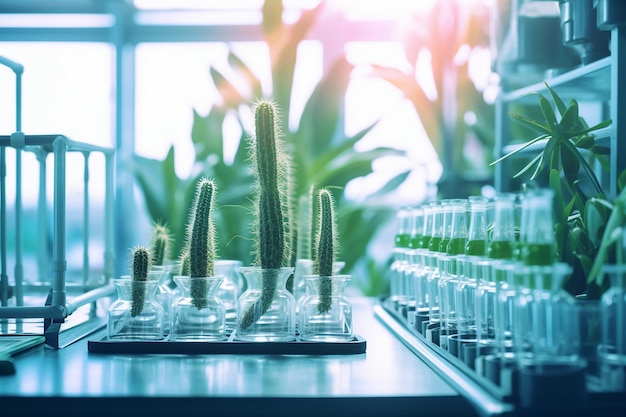
The future of cactus research is not merely a scientific frontier—it is a tapestry of innovation, resilience, and untapped potential. As the world grapples with climate change and resource scarcity, these spiky sentinels of the arid world are emerging as unsung heroes of sustainability. From biotechnology to climate adaptation, cacti are poised to redefine how we approach agriculture, medicine, and even architecture. This shift is not just about survival; it’s about transformation. The arid landscapes that once seemed barren are now revealing themselves as laboratories of evolutionary brilliance, where every spine and succulent leaf holds a secret waiting to be unlocked. What if the key to our future lies not in the lush forests or the sprawling oceans, but in the quiet, thorny embrace of a cactus?
The Renaissance of Arid Agriculture: Cacti as Climate-Proof Crops
The agricultural paradigm is crumbling under the weight of droughts, soil degradation, and water scarcity. Yet, in this crisis, cacti stand as a beacon of hope. Unlike traditional crops that wither under the sun’s relentless gaze, cacti thrive in conditions that would spell doom for most plants. Their ability to store water in their fleshy stems and perform photosynthesis at night—via a process called crassulacean acid metabolism (CAM)—makes them the ultimate drought-resistant superstars. Scientists are now engineering cacti to become staple crops, capable of feeding millions in regions where traditional farming is a gamble. Imagine fields of prickly pear cacti, their pads bursting with edible, nutrient-rich flesh, transforming barren landscapes into thriving agricultural hubs. The promise here is not just food security; it’s a revolution in how we cultivate the earth.
Biomedical Breakthroughs: Cacti as Pharmacological Powerhouses
The medicinal potential of cacti has long been celebrated in indigenous traditions, but modern science is only now catching up. Compounds extracted from cacti are showing promise in treating everything from diabetes to cancer. Take, for example, the nopal cactus, whose mucilage has been found to regulate blood sugar levels, offering a natural alternative to synthetic medications. Then there’s the peyote cactus, long revered in spiritual practices, whose psychoactive compounds are now being studied for their potential in treating mental health disorders. The future of pharmacology may well be written in the mucous membranes of these desert dwellers. As researchers delve deeper into their biochemical arsenals, cacti could become the cornerstone of a new era of plant-based medicine, where nature itself is the pharmacist.
Climate Adaptation: Cacti as Architects of Resilient Ecosystems
Climate change is not a distant threat—it is a present reality, reshaping ecosystems at an alarming pace. Cacti, with their unparalleled adaptability, are becoming the linchpins of ecosystem restoration. Their deep root systems prevent soil erosion, their shade fosters microclimates that support other plant life, and their water-storing capacities mitigate the effects of flash floods. Conservationists are now deploying cacti as living shields against desertification, planting them in degraded lands to revive biodiversity. The vision is one of a self-sustaining, cactus-dominated landscape, where these plants act as both guardians and engineers of ecological balance. This is not just conservation; it’s ecological alchemy, turning wasteland into wonderland.
Sustainable Materials: The Thorny Path to Eco-Friendly Innovation
The fashion and construction industries are among the most polluting sectors on the planet. Yet, cacti are stepping into the breach with a surprising solution: sustainable materials. The fibers from cactus leaves are being woven into textiles that are not only biodegradable but also require minimal water and pesticides to produce. Meanwhile, the woody cores of certain cacti are being repurposed as eco-friendly building materials, offering a renewable alternative to deforestation-driven lumber. Even the spines of cacti are finding new life as biodegradable packaging or surgical sutures. The message is clear: the future of materials science may be prickly, but it is undeniably green. This is a call to industries to look beyond the conventional and embrace the unconventional—because sometimes, the most sustainable solutions are the ones that grow in the desert.
Cultural Revival: Reclaiming Indigenous Knowledge in Modern Science
The resurgence of interest in cacti is not just a scientific endeavor—it is a cultural reckoning. Indigenous communities have long revered these plants, weaving them into myths, medicines, and daily life. Now, modern researchers are turning to these traditions, seeking wisdom that has been honed over millennia. The collaboration between scientists and indigenous knowledge holders is yielding discoveries that neither could achieve alone. This fusion of ancient and modern is not just about preserving heritage; it’s about creating a more inclusive, holistic approach to science. The future of cactus research must be rooted in respect for the cultures that have nurtured these plants for generations, ensuring that their voices are not just heard but amplified.
The Ethical Frontier: Balancing Exploitation and Conservation
With great potential comes great responsibility. The surge in cactus research raises critical ethical questions. How do we ensure that the commercialization of cacti does not lead to their exploitation? How can we prevent biopiracy, where indigenous knowledge is appropriated without fair compensation? The path forward must be paved with ethical guidelines that prioritize conservation, equitable benefit-sharing, and respect for traditional wisdom. This is not just about protecting plants; it’s about safeguarding the delicate balance between human ambition and ecological integrity. The future of cactus research must be a beacon of ethical innovation, where progress does not come at the cost of the very organisms that inspire it.
A Call to Action: How You Can Be Part of the Cactus Revolution
The future of cactus research is not a distant dream—it is a collective endeavor. Whether you are a gardener, a scientist, a policymaker, or simply someone who cares about the planet, there are ways to contribute. Plant a cactus in your garden to support local biodiversity. Advocate for policies that fund cactus-based agricultural research. Support indigenous-led conservation efforts. Share your knowledge and passion for these remarkable plants. The cactus revolution is not just about what we can take from these plants; it’s about what we can learn, give back, and build together. The future is prickly, but it is also full of promise—one spine, one pad, one breakthrough at a time.
FAQ
What is the importance of cactus research?
Cactus research is crucial for sustainable agriculture, biomedical applications, and ecological restoration, particularly in the context of climate change.
How are cacti relevant to climate adaptation?
Cacti are highly adaptable, playing a key role in preventing soil erosion and supporting biodiversity in arid landscapes.
FAQ
What is the importance of cactus research?
Cactus research is crucial for sustainable agriculture, biomedical applications, and ecological restoration, particularly in the context of climate change.
How are cacti relevant to climate adaptation?
Cacti are highly adaptable, playing a key role in preventing soil erosion and supporting biodiversity in arid landscapes.




Leave a Reply