
Short Answer
The cactus, that stoic sentinel of the sun-scorched expanse, has long been a silent protagonist in the grand narrative of desert travel writing. It is not merely a plant but a living metaphor, a prickly paradox that embodies both fragility and ferocity. To traverse the arid landscapes where these botanical warriors thrive is to engage in a dialogue with endurance, a conversation written in spines and silence. The cactus does not whisper; it stands defiant, its silhouette etched against the horizon like a sentinel guarding the secrets of a world that refuses to yield. In the hands of a skilled travel writer, this unassuming succulent becomes a lens through which the desert’s stark beauty is magnified, its resilience celebrated, and its mysteries unraveled.
The Cactus as a Symbol of Tenacity: A Botanical Parable of Survival
The desert is a crucible, and the cactus is its alchemist. Where water is a mirage and the sun a merciless tyrant, these plants have evolved into architectural marvels of water retention and solar deflection. Their ribbed, segmented forms are not random but a calculated design, a geometric hymn to efficiency. The saguaro, with its towering arms outstretched like a dancer frozen in mid-motion, is a testament to time’s passage, growing a mere inch per decade yet standing sentinel for centuries. To describe such a plant is to acknowledge the indomitable spirit of life itself—where others wither, the cactus thrives, its flesh succulent yet unyielding, its spines a fortress against the very elements that seek to claim it.
Travel writers often liken the cactus to a pilgrim, its roots delving deep into the parched earth in search of sustenance, its body a vessel of stored rainwater, a mobile oasis in a land of scarcity. This metaphor transcends botany; it becomes a philosophy. The cactus does not beg for mercy from the desert; it commands it. Its presence is a reminder that survival is not about dominance but adaptation, not about conquest but coexistence. In the hands of a poet of the arid, the cactus transforms from a mere plant into a living manifesto of resilience, its every spine a punctuation mark in the sentence of existence.
The Desert’s Skyline: How Cacti Sculpt the Horizon into Art
Few landscapes are as visually arresting as a desert adorned with cacti. The play of light and shadow across their spiny forms creates a chiaroscuro effect, a dance of contrasts that shifts with the sun’s trajectory. At dawn, the cactus is a silhouette, a dark smudge against the pastel hues of the sky, its spines catching the first rays of light like needles threading the fabric of day. By midday, it becomes a sculpture of light, its ribs casting sharp, angular shadows that mimic the fractures in the earth itself. As dusk descends, the cactus glows, its flesh tinged with the warm embers of the setting sun, a fleeting moment of radiance in a world that is otherwise austere.
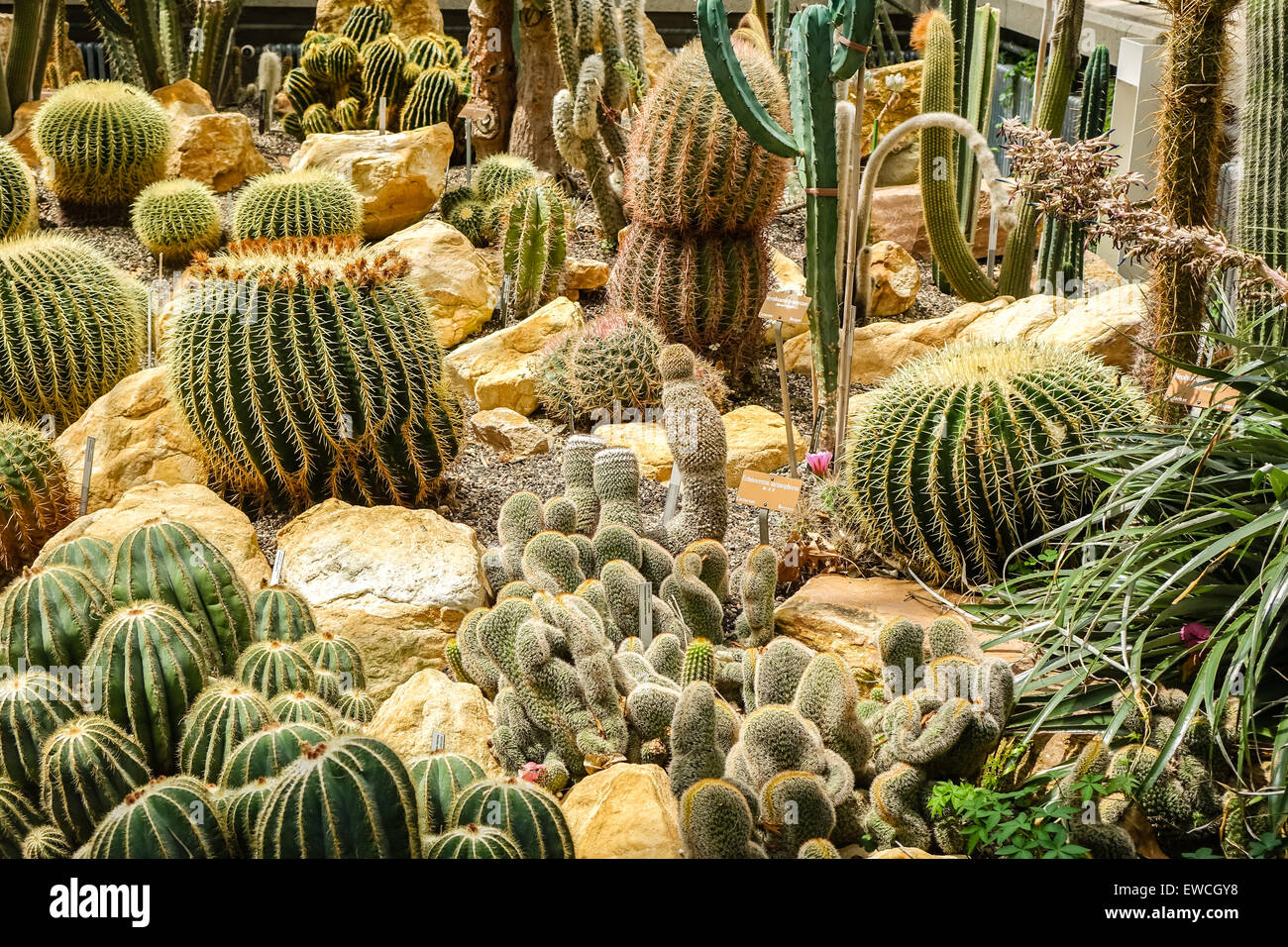
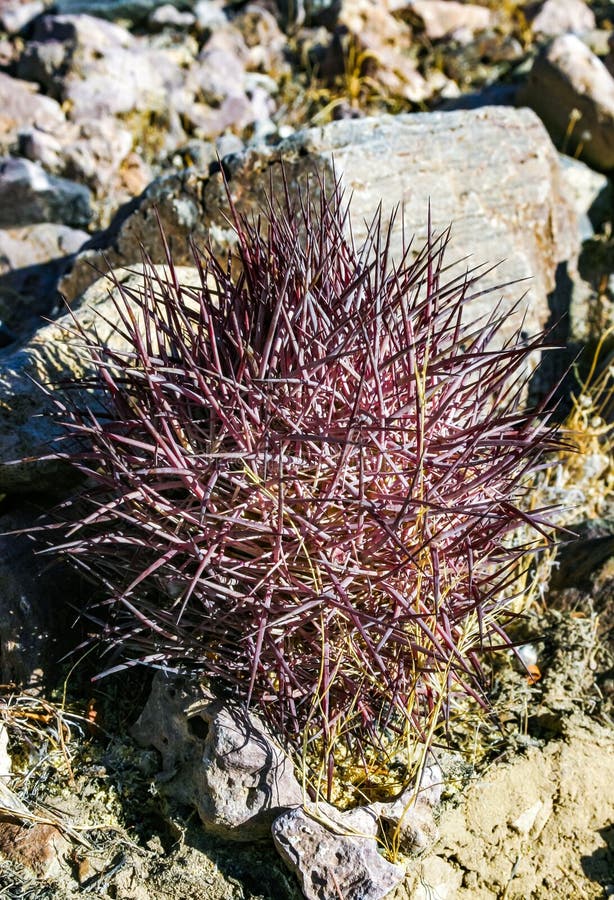
Travel writers often employ the cactus as a painter might use a brushstroke—bold, deliberate, and full of character. The organ pipe cactus, with its vertical columns resembling the pipes of some forgotten cathedral, invites comparisons to Gothic architecture, its spines the ornate tracery of a sacred space. Meanwhile, the barrel cactus, round and unassuming, evokes the humility of a monk’s cell, its dense, ribbed surface a textured tapestry of survival. To describe these forms is to engage in a form of visual storytelling, where each cactus is a character in a larger narrative, its shape and stance contributing to the desert’s grand composition.
The Sensory Palette of the Cactus: A Feast for the Perceiver
The allure of the cactus extends beyond the visual; it is a symphony for the senses. The air around a field of prickly pears is thick with the scent of sun-warmed resin, a fragrance that clings to the throat like the memory of a desert evening. The touch of a cactus is a lesson in caution—its spines, fine as needles or coarse as thorns, a reminder that beauty often comes with a price. Yet, for those who dare, the flesh of certain species yields a sweetness, a burst of flavor that is both unexpected and intoxicating, like the first sip of water after days of thirst.
Sound, too, plays a role in the cactus’s sensory appeal. The wind whispering through a forest of ocotillos creates a melody of rustling leaves, a sound that is at once soothing and haunting, as if the desert itself is humming a lullaby to the land. The creak of a saguaro’s branches in the breeze is the voice of antiquity, a sound that carries the weight of centuries. Travel writers who immerse themselves in the desert’s sensory landscape often find that the cactus is not just seen or felt but heard—a living instrument in the orchestra of the arid.
The Cactus in Myth and Metaphor: From Folklore to Literary Device
Long before travel writers put pen to paper, the cactus held a sacred place in the mythologies of indigenous peoples. To the Native American tribes of the Southwest, the cactus was not merely a plant but a symbol of protection, sustenance, and spiritual guidance. The prickly pear, with its vibrant fruit, was a gift from the earth, its pads used for food, medicine, and even water in times of scarcity. The saguaro, too, was revered, its towering form a marker of tribal boundaries and a home to the spirits of the ancestors. These legends infuse modern travel writing with a layer of depth, a connection to the land’s ancient heartbeat.
In contemporary literature, the cactus has evolved into a metaphor for the human condition. It is the outsider, the one who thrives where others cannot; it is the survivor, the silent witness to the passage of time. Writers often use the cactus to explore themes of isolation, endurance, and the beauty of the unconventional. A lone cactus standing against a blood-red sunset becomes a metaphor for resilience in the face of adversity. A field of cacti, their spines glinting in the moonlight, is a reminder that even in the harshest of environments, life finds a way to flourish.
The Cactus as a Guide: Navigating the Desert’s Hidden Narratives
For the intrepid traveler, the cactus is more than a decorative element—it is a guide, a silent mentor in the art of desert navigation. Its placement often reveals the secrets of the land. A cluster of barrel cacti may indicate a hidden water source, their roots tapping into underground aquifers. The direction in which a cholla’s branches grow can speak to the prevailing winds, a natural compass for those who know how to read its signs. Even the absence of cacti can tell a story, signaling a shift in soil composition or a change in climate.
Travel writers who venture into the desert with an open heart and a keen eye often find that the cactus is a storyteller in its own right. Its growth patterns, its scars, its resilience—all are chapters in a larger narrative of survival. To describe the cactus is to engage in a form of ecological storytelling, where the plant becomes a character in the drama of the land, its presence shaping the landscape as much as the landscape shapes it.
The Cactus in the Age of Exploration: A Timeless Muse
In an era where travel has become both a luxury and a necessity, the cactus remains an enduring muse for explorers and writers alike. Its image graces postcards, travel guides, and the pages of countless memoirs, a symbol of adventure and the untamed beauty of the natural world. Yet, the cactus is more than a postcard-perfect icon; it is a living entity, a participant in the ongoing story of the desert. To write about the cactus is to acknowledge the fragility of the ecosystems it inhabits, the delicate balance between survival and exploitation.
The cactus, in all its prickly glory, is a reminder that the desert is not a wasteland but a world of wonder, a place where life asserts itself with quiet ferocity. It is a testament to the power of adaptation, a living metaphor for the human spirit’s ability to thrive in the most inhospitable of conditions. For those who take the time to look, to feel, and to listen, the cactus reveals itself as a guide, a muse, and a masterpiece of nature’s design—one that continues to inspire, challenge, and enchant.
FAQ
What is the significance of cacti in desert travel writing?
Cacti serve as symbols of resilience and adaptation, representing the harsh beauty of desert landscapes and inspiring deeper reflections on survival.
How do cacti influence the aesthetics of desert landscapes?
Cacti create striking visual contrasts with their shapes and shadows, enhancing the artistic portrayal of desert scenery in travel narratives.


Leave a Reply