
Short Answer
Ever stood in your garden, hose in hand, watching water trickle away like your dreams of a lush landscape? What if I told you that the solution to your parched plot isn’t a magic elixir, but a prickly, stoic survivor? Welcome to the world of cacti—the unsung heroes of eco-friendly gardening. These desert darlings aren’t just tough; they’re breathtakingly beautiful, with architectural forms that could make a skyscraper blush. But here’s the twist: not all cacti are created equal. Some thrive in neglect while others demand a diva’s attention. So, how do you pick the best cacti for your garden without turning it into a botanical battleground? Let’s dig in.
The Allure of Arid Adaptations: Why Cacti Are Nature’s Water Warriors
Picture this: a landscape baked by the sun, where rain is a distant memory. Most plants would wilt like overcooked spaghetti, but cacti? They’re thriving. Their secret? A masterclass in evolutionary ingenuity. Unlike their leafy cousins, cacti have ditched the water-guzzling foliage in favor of thick, fleshy stems that store moisture like a camel’s hump. Their spines? Far from mere adornments, they’re a dual-purpose defense system—warding off thirsty critters while casting shade to minimize evaporation. And let’s not forget their roots, which sprawl wide and shallow to catch the slightest rainfall before it vanishes into the ether. It’s a survival strategy so elegant, it makes corporate downsizing look clumsy.
But beauty isn’t just skin-deep. Cacti come in a dizzying array of shapes and sizes, from the towering saguaro—nature’s skyscraper—to the squat, spherical mammillaria, which looks like it’s perpetually mid-yawn. Their blooms? A spectacle of color and form, often appearing when you least expect them, as if to say, “Surprise! Even in the driest of times, life finds a way.” For the eco-conscious gardener, this means a landscape that’s not just sustainable but downright stunning.
Choosing Your Cactus: A Delicate Dance Between Form and Function
Now, before you rush out to adopt a cactus family, pause. Not all cacti are cut out for every garden. Some are divas that demand specific soil pH levels, while others are the low-maintenance roommates of the plant world. The key is to match your cactus to your climate, soil, and aesthetic goals. Are you aiming for a minimalist desert vibe or a riot of color? Do you live in a region where temperatures plummet below freezing, or is your garden a sun-drenched paradise? These aren’t just questions—they’re the difference between a thriving cactus collection and a botanical graveyard.
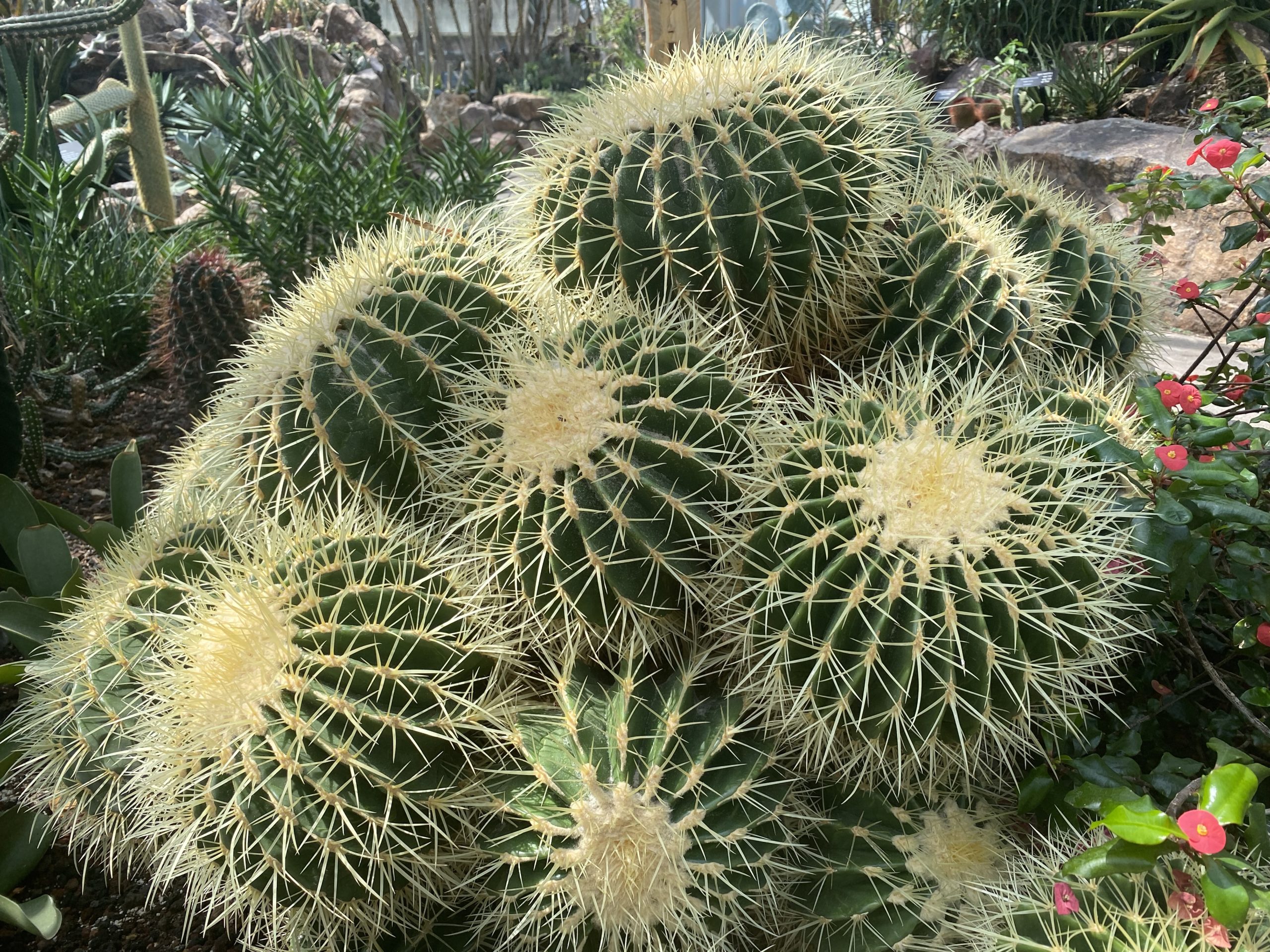
Let’s start with the hardy stalwarts. The Opuntia genus, with its paddle-shaped pads and cheerful yellow blooms, is a crowd-pleaser. It laughs in the face of drought and thrives in poor soil, making it the perfect candidate for the forgetful gardener. Then there’s the Echinocactus grusonii, or golden barrel cactus, a spherical powerhouse that adds instant drama to any space. Its slow growth means it won’t outgrow its welcome anytime soon, and its golden spines catch the light like a disco ball at a desert rave.
But what if you’re after something a little more exotic? Enter the Mammillaria genus, with its dense clusters of spines and delicate, crown-like flowers. These cacti are compact, making them ideal for small gardens or even windowsill displays. And then there’s the Ferocactus, the barrel cactus’s tougher, more rugged cousin. With its ribbed, ribbed structure and vibrant flowers, it’s a statement piece that commands attention. The challenge? These beauties can grow into behemoths over time, so plan your space accordingly.
Soil, Sun, and Serendipity: The Holy Trinity of Cactus Care
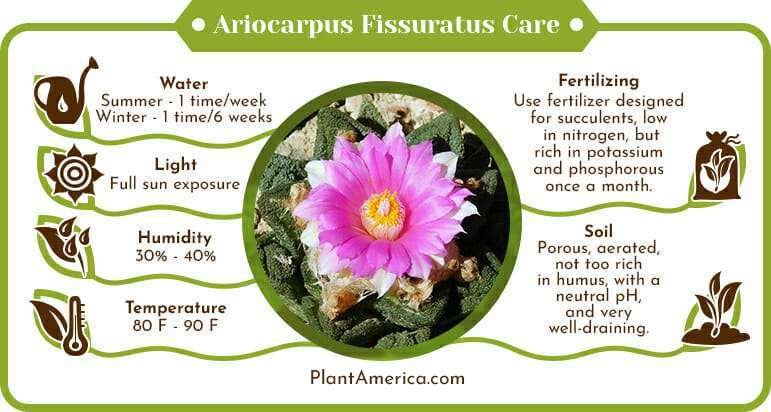
You’ve picked your cacti, but now what? The secret to their success lies in three critical factors: soil, sun, and a dash of serendipity. First, soil. Forget the rich, organic matter you’d use for roses or tomatoes. Cacti crave gritty, well-draining soil that mimics their native desert habitats. A mix of sand, perlite, and a smattering of compost will do the trick. Think of it as creating a miniature desert oasis where water drains faster than your patience on a Monday morning.
Next, sun. Cacti are sun-worshippers, but not all of them are fans of the scorching midday rays. Some, like the Gymnocalycium, prefer bright, indirect light, while others, such as the Carnegiea gigantea (saguaro), thrive in full sun. Observe your garden’s light patterns and place your cacti accordingly. Too little light, and they’ll stretch and weaken like a teenager denied Wi-Fi. Too much, and they’ll sunburn faster than a tourist in the Sahara.
And then there’s water—the trickiest part of cactus care. These plants are built to survive drought, not to be drowned. Overwatering is the number one killer of cacti, turning their roots to mush and their stems to sad, mushy puddles. The rule of thumb? Water deeply but infrequently. Let the soil dry out completely between waterings, and reduce watering in the winter when cacti enter their dormant phase. It’s a delicate balance, like trying to keep a cat happy—just when you think you’ve got it figured out, they change the rules.
Designing with Cacti: Crafting a Landscape That’s Both Bold and Balanced
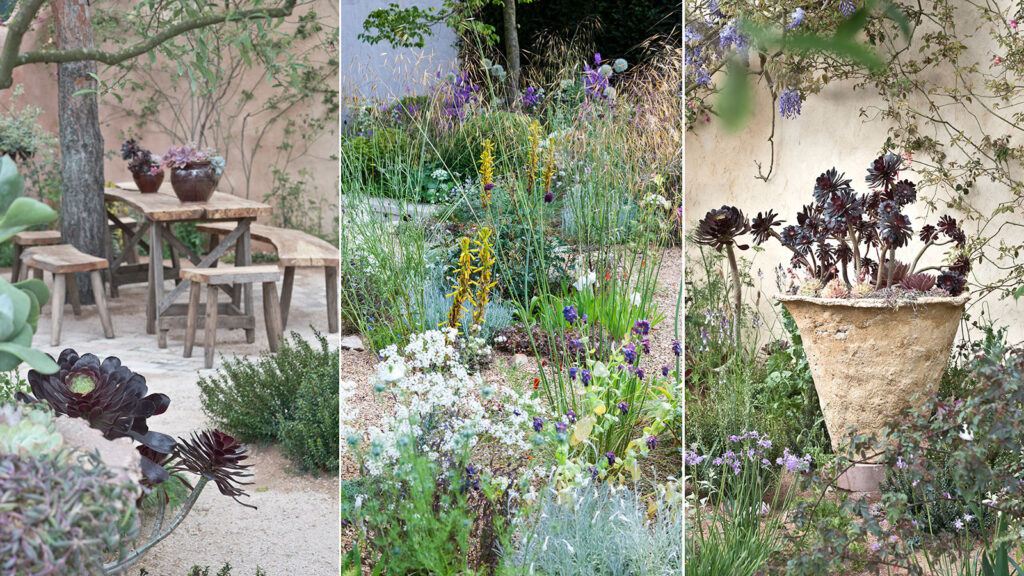
Now comes the fun part: designing your cactus garden. This isn’t just about plopping a few spiky friends in the ground and calling it a day. It’s about creating a cohesive, visually stunning landscape that tells a story. Start with a focal point—a striking specimen like a Ferocactus or a Echinocactus—and build around it. Use lower-growing cacti, like Mammillaria or Echeveria, to create layers and texture. Add some gravel or decomposed granite for that authentic desert feel, and don’t forget the power of contrast. A cluster of dark green cacti against a backdrop of pale sand or white pebbles can be breathtaking.
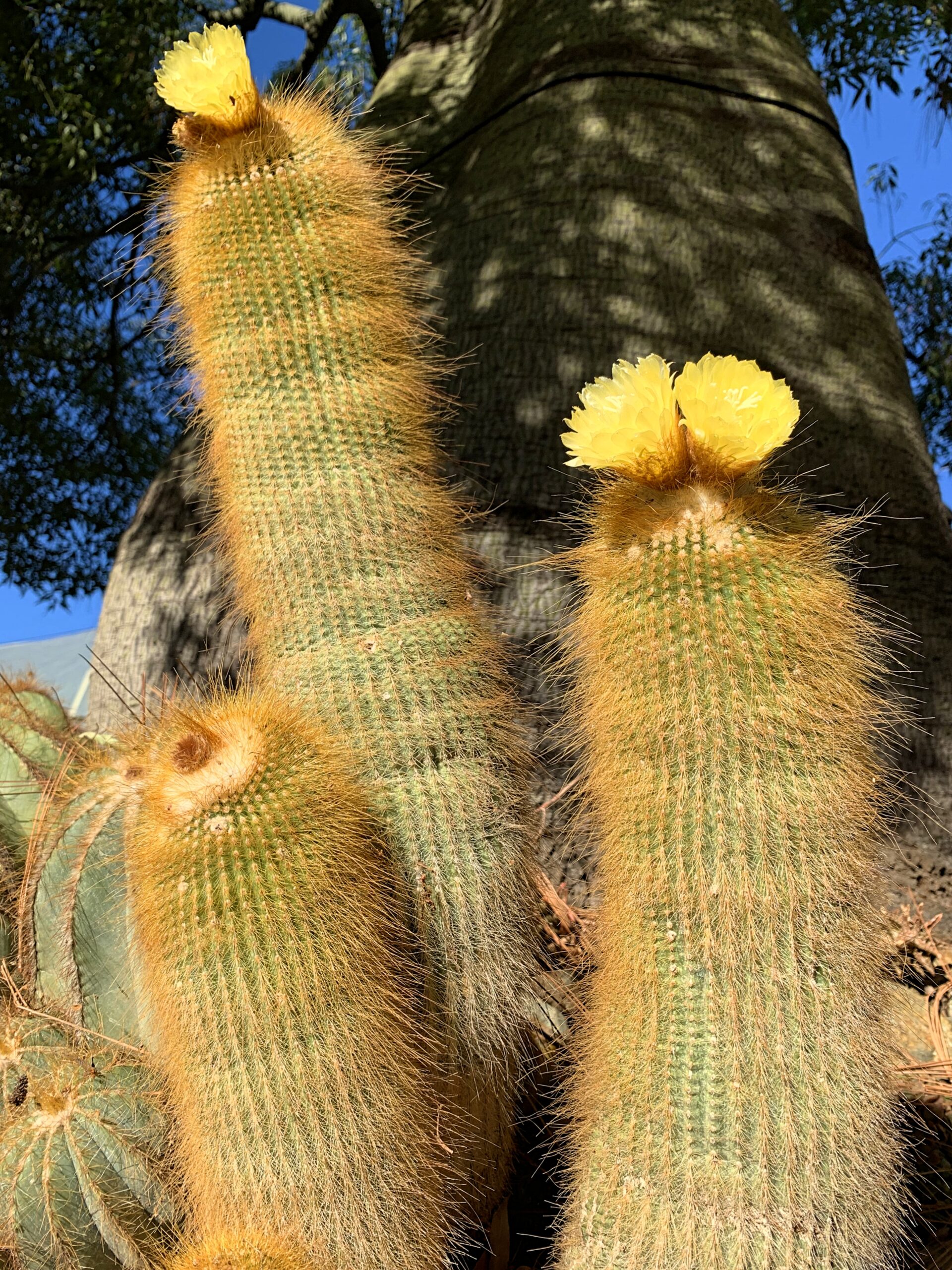
But what about color? While green is the default, many cacti offer vibrant blooms in shades of pink, red, yellow, and even purple. The Rebutia genus, for example, produces clusters of fiery red flowers, while the Notocactus dazzles with bright yellow blooms. Pair these with flowering perennials like lavender or yucca for a garden that’s alive with color year-round. And don’t shy away from mixing cacti with other drought-tolerant plants. Agave, yucca, and sedum can create a tapestry of textures that’s both eco-friendly and eye-catching.
The challenge? Avoiding the “cactus zoo” effect—a haphazard collection of plants that clashes more than it complements. Take your time to plan. Sketch out your garden on paper, experiment with arrangements, and don’t be afraid to move plants around until you find the perfect balance. Remember, a well-designed cactus garden is like a fine piece of art: it should evoke emotion and inspire awe, not leave visitors scratching their heads in confusion.
Beyond the Garden: Cacti as Ambassadors of Sustainability
Cacti aren’t just pretty faces; they’re powerful allies in the fight against climate change. Their ability to thrive in arid conditions makes them ideal for xeriscaping—a landscaping technique that reduces or eliminates the need for irrigation. By incorporating cacti into your garden, you’re not just saving water; you’re reducing your carbon footprint and creating a habitat for pollinators like bees and hummingbirds. It’s a win-win for you and the planet.
But the benefits don’t stop there. Cacti are also incredibly low-maintenance, freeing up your time for more important things—like sipping lemonade in the shade or finally tackling that pile of unread books. And let’s not forget their role in preserving biodiversity. Many cactus species are endangered due to habitat loss and illegal harvesting. By growing cacti in your garden, you’re supporting conservation efforts and ensuring these remarkable plants continue to thrive for generations to come.
The final challenge? Sharing your cactus passion with others. Whether it’s gifting cuttings to friends, hosting a cactus-themed garden tour, or simply posting photos online, spread the word about these incredible plants. The more people who embrace cacti, the more we can reduce our reliance on water-guzzling landscapes and create a greener, more sustainable world.
So, are you ready to transform your garden into a desert paradise? With the right cacti, a bit of planning, and a whole lot of love, you can create a landscape that’s as eco-friendly as it is breathtaking. And who knows? You might just inspire your neighbors to trade their lawnmowers for a pair of pruning shears. After all, in the world of gardening, cacti aren’t just a trend—they’re a revolution.
FAQ
What are the best cacti for eco-friendly gardens?
Some of the best cacti for eco-friendly gardens include the Opuntia genus, Echinocactus grusonii, and Mammillaria species due to their drought tolerance and low maintenance.
How do I care for cacti in my garden?
Caring for cacti involves providing well-draining soil, adequate sunlight, and minimal watering, allowing the soil to dry completely between waterings.
Leave a Reply