
Short Answer
In the verdant microcosms of terrariums, where life thrives in confined elegance, the Astrophytum genus emerges as a celestial jewel. These cacti, with their geometric allure and slow-growing majesty, are not merely plants—they are living sculptures that transform small-space gardens into arid art installations. Whether nestled in a glass orb or sprawling across a minimalist shelf, Astrophytums demand attention not just for their striking forms but for their resilience and adaptability. For urban dwellers, balcony gardeners, and anyone enchanted by the idea of a self-sustaining ecosystem, these desert denizens offer a unique blend of beauty and practicality. This guide dives into the art and science of cultivating Astrophytums in terrariums, exploring everything from species selection to seasonal care, ensuring your miniature desert thrives with the same vigor as its wild counterparts.
The Allure of Astrophytum: A Primer on Desert Geometry
Astrophytum, derived from the Greek *astron* (star) and *phyton* (plant), lives up to its name with its star-like ribbed structure. Native to the arid landscapes of Mexico and the southwestern United States, these cacti are prized for their sculptural forms, which range from the ribbed globes of *Astrophytum ornatum* to the ribbed ribs of *Astrophytum asterias*—a species so flat it resembles a starfish. Their slow growth rate makes them ideal for terrariums, where patience is not just a virtue but a necessity. Unlike fast-growing succulents that quickly outgrow their containers, Astrophytums remain compact for years, their ribbed surfaces adorned with flecks of white trichomes that shimmer like morning frost.
Their flowers, when they bloom, are a spectacle of ephemeral beauty. Typically yellow or white with red or orange centers, these blossoms unfurl in a burst of color, often lasting just a few days. In a terrarium setting, this flowering event becomes a fleeting yet unforgettable spectacle, a reminder of nature’s cyclical grandeur. To coax these blooms, terrarium gardeners must replicate the plant’s natural dormancy periods, a dance of light and temperature that mimics the desert’s seasonal shifts. For those seeking a low-maintenance yet visually captivating addition to their small-space garden, Astrophytums are an unparalleled choice.
Choosing Your Stellar Specimen: Species and Varieties
Not all Astrophytums are created equal, and selecting the right species is the first step toward a thriving terrarium. *Astrophytum ornatum*, with its tall, ribbed columns and golden spines, is a classic choice for vertical terrariums or tall glass vessels. Its slow growth ensures it won’t overwhelm a small space, while its striking silhouette adds architectural interest. For those preferring a more compact form, *Astrophytum asterias*—often called the “sea urchin cactus”—is a star-shaped marvel that hugs the soil, its ribs radiating outward like the arms of a celestial creature. This species is particularly well-suited to shallow terrariums or dish gardens, where its low profile can be fully appreciated.
Hybrids and cultivars offer additional options for the discerning terrarium enthusiast. *Astrophytum caput-medusae*, with its serpentine ribs and tufted spines, resembles a mythical Medusa’s head, adding a touch of whimsy to any collection. Meanwhile, variegated forms, such as *Astrophytum myriostigma* ‘Variegatum’, boast creamy white or yellow streaks that contrast beautifully with the deep greens of standard varieties. When selecting a specimen, consider not just its aesthetic appeal but its compatibility with your terrarium’s environment. A tall *ornatum* may dwarf a tiny glass cloche, while a diminutive *asterias* could get lost in a spacious terrarium. Balance is key, and the right choice will harmonize with both the container and the surrounding flora.
Crafting the Ideal Arid Microclimate: Substrate and Structure
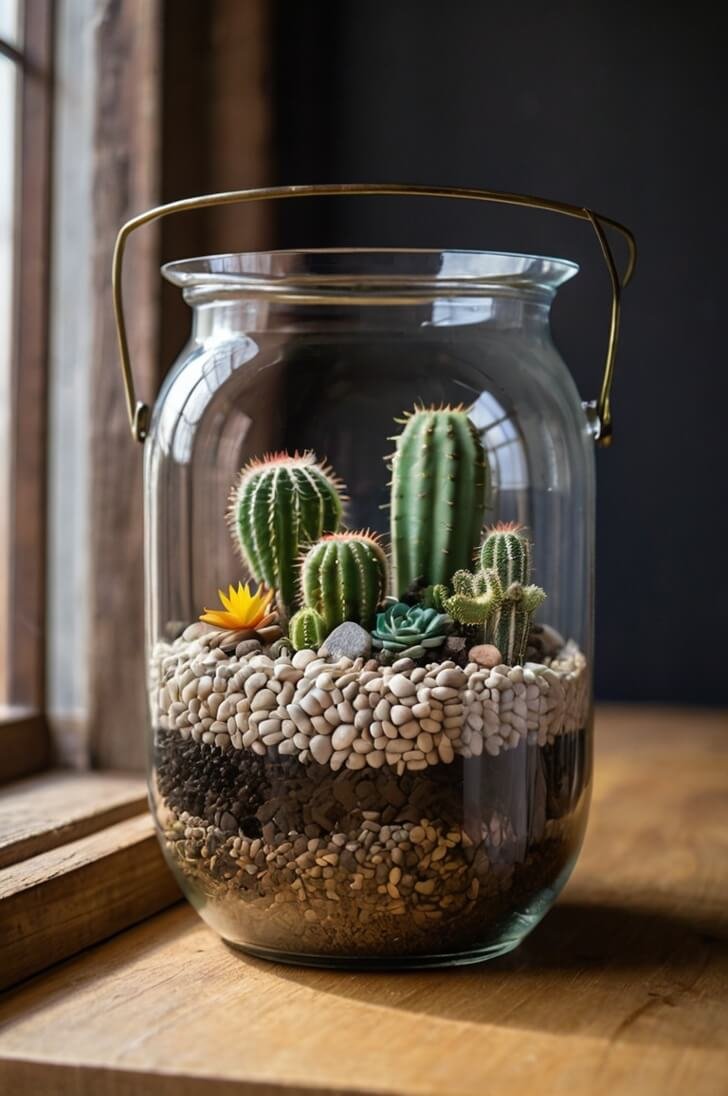
A terrarium is only as good as its foundation, and for Astrophytums, the substrate is the bedrock of success. These cacti thrive in well-draining, mineral-rich soils that mimic the rocky, nutrient-poor landscapes of their native habitats. A blend of coarse sand, perlite, and a small amount of organic matter—such as coconut coir or peat moss—creates the perfect medium. Avoid heavy, moisture-retentive soils, which can lead to root rot and a slow, sad demise for your star cactus. For an added touch of authenticity, incorporate a layer of small pebbles or crushed granite at the base of the terrarium to enhance drainage and provide a naturalistic aesthetic.
The terrarium’s structure also plays a crucial role in the plant’s well-being. Closed terrariums, with their sealed glass enclosures, create a humid microclimate that can be detrimental to Astrophytums unless carefully managed. Instead, opt for an open terrarium or a partially enclosed vessel that allows for airflow while retaining enough moisture to sustain the plant. A wire mesh or perforated lid can strike the perfect balance, preventing stagnation while maintaining a stable environment. For those determined to use a closed terrarium, ensure the container is large enough to allow for air circulation and that the Astrophytum is placed in the driest, most ventilated section of the vessel.
Light: The Invisible Sculptor of Desert Forms
In the world of Astrophytums, light is not merely a necessity—it is the invisible sculptor that shapes their very essence. These cacti require bright, indirect light to maintain their compact, symmetrical forms. Insufficient light leads to etiolation, where the ribs stretch unnaturally and the plant loses its star-like structure. A south-facing windowsill is ideal, but for those without ample natural light, a grow light can provide the necessary intensity. Position the light source 6–12 inches above the terrarium to mimic the sun’s rays, and rotate the container regularly to ensure even growth. Be mindful of overheating, as glass vessels can trap heat, so monitor the terrarium’s temperature and adjust the light’s proximity as needed.
Seasonal light fluctuations also play a role in the plant’s health. During the shorter days of winter, Astrophytums enter a period of dormancy, slowing their growth and conserving energy. Reduce watering during this time and ensure the plant receives as much light as possible. Come spring, the increased daylight will signal the cactus to resume active growth, and with it, the potential for a spectacular flowering display. For terrarium gardeners in regions with long, dark winters, supplemental lighting becomes not just a luxury but a necessity to keep these desert jewels thriving year-round.
Water: The Delicate Dance of Aridity
Watering an Astrophytum is less about quantity and more about precision. These cacti are adapted to survive prolonged droughts, and overwatering is their greatest enemy. In a terrarium setting, the key is to water sparingly and infrequently, allowing the substrate to dry out completely between waterings. A good rule of thumb is to water only when the soil is bone-dry to the touch, and then only enough to moisten the top layer. For closed terrariums, this may mean watering as little as once every few months, while open terrariums may require slightly more frequent hydration, especially during the growing season.
The method of watering also matters. Avoid pouring water directly onto the cactus, as this can lead to rot or fungal issues. Instead, use a spray bottle to mist the substrate lightly or water from the bottom by placing the terrarium container in a shallow tray of water for a short period. This bottom-watering technique allows the roots to absorb moisture without saturating the plant’s crown. During the winter dormancy period, watering should be reduced to a bare minimum, with only occasional misting to prevent the soil from becoming completely parched. Remember, in the world of Astrophytums, less is always more when it comes to hydration.
Companions and Contrasts: Designing a Desert Ecosystem
A terrarium is more than just a single plant—it is a miniature ecosystem, and Astrophytums can be the centerpiece of a captivating desert tableau. When selecting companions, opt for plants that share similar care requirements and aesthetic harmony. Small succulents like *Echeveria* or *Haworthia* can complement the Astrophytum’s ribbed structure with their rosette forms, while trailing plants like *Senecio rowleyanus* (string of pearls) add a whimsical contrast. For a more rugged look, incorporate mosses or lichens to mimic the rocky terrain of the desert floor. Avoid pairing Astrophytums with moisture-loving plants, as the cactus’s arid preferences will quickly lead to its demise.
Design principles also come into play when arranging your terrarium. The Astrophytum’s vertical or star-like form can serve as a focal point, with smaller plants arranged around it to create depth and interest. Layering is key: place taller plants toward the back of the terrarium and trailing varieties near the edges to draw the eye across the composition. For a minimalist approach, a single Astrophytum in a sleek glass vessel can be a study in elegance, its solitary presence speaking volumes about the beauty of simplicity. Whatever your design choice, ensure there is enough space between plants to allow for airflow and prevent overcrowding.
Troubleshooting: Common Pitfalls and How to Avoid Them
Even the most attentive terrarium gardeners encounter challenges, and Astrophytums are no exception. One of the most common issues is etiolation, where the cactus stretches unnaturally in search of light. If this occurs, increase the light intensity or duration, and consider rotating the terrarium regularly to promote even growth. Another frequent problem is rot, often caused by overwatering or poor drainage. If you notice soft, discolored spots on the cactus, act quickly to remove the affected tissue and adjust your watering habits. In severe cases, you may need to repot the plant in fresh, dry soil.
Pests, though less common in terrariums, can still pose a threat. Mealybugs and spider mites may take up residence on your Astrophytum, especially if the plant is stressed or the terrarium is overcrowded. Inspect your cactus regularly for signs of infestation, such as white cottony masses or fine webbing. If pests are detected, isolate the affected plant and treat it with a solution of neem oil or insecticidal soap. For a natural approach, introduce predatory insects like ladybugs, which can help keep pest populations in check. Prevention is always the best strategy, so maintain good hygiene in your terrarium and avoid overcrowding to minimize the risk of infestations.
The Reward: A Living Masterpiece in Miniature
There is a profound satisfaction in nurturing a thriving terrarium, a miniature world where life persists against the odds. With an Astrophytum at its heart, your terrarium becomes more than just a decorative piece—it is a testament to the resilience of nature and the artistry of cultivation. Watching these star-shaped cacti grow, bloom, and thrive in their confined glass universe is a reminder of the beauty that can flourish in even the smallest of spaces. Whether you are a seasoned terrarium enthusiast or a curious beginner, the journey of cultivating Astrophytums is one of patience, precision, and quiet joy.
As your terrarium matures, so too will your connection to these desert jewels. Each new rib, each fleeting bloom, is a chapter in a story of growth and transformation. And when friends and family pause to admire your creation, you can share not just the beauty of the plant, but the knowledge and care that brought it to life. In a world that often feels vast and overwhelming, a terrarium offers a pocket of tranquility—a tiny, star-filled desert where life thrives, one careful watering at a time.
FAQ
What is Astrophytum?
Astrophytum is a genus of cacti known for their unique geometric shapes and slow growth, making them ideal for terrariums.
How often should I water Astrophytum in a terrarium?
Water sparingly, allowing the soil to dry completely between waterings, typically only once every few months for closed terrariums.
FAQ
What are the best species of Astrophytum for terrariums?
The best species for terrariums include Astrophytum ornatum for its height and architectural interest, and Astrophytum asterias for its compact form.
How often should I water Astrophytum in a terrarium?
Water sparingly and infrequently, allowing the substrate to dry completely between waterings, typically only when the soil is bone-dry.
What type of light do Astrophytum cacti need?
Astrophytum cacti require bright, indirect light to maintain their shape, ideally from a south-facing window or a grow light.
Leave a Reply