
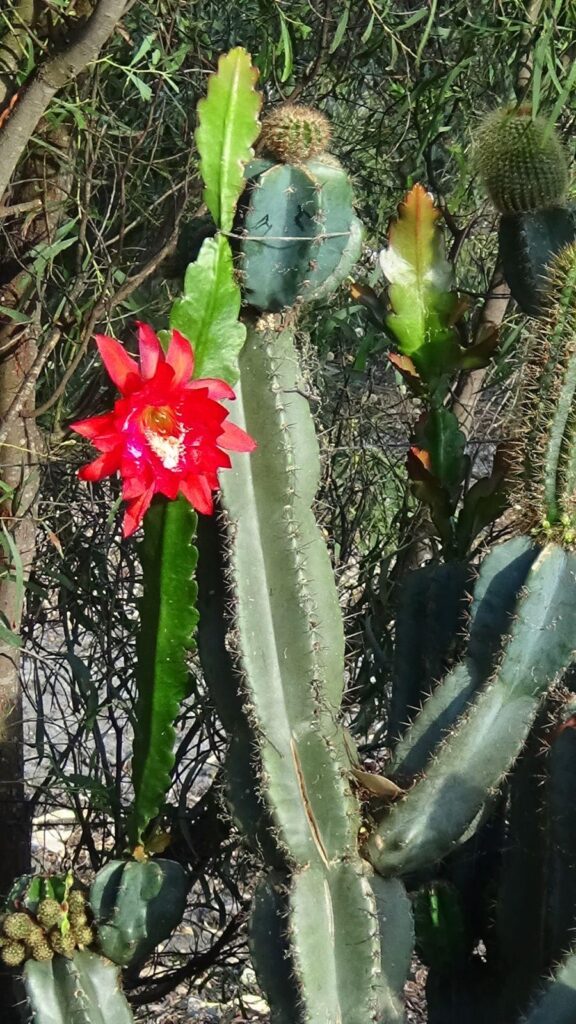
Short Answer
Imagine a world where the rigid spines of one cactus soften into the embrace of another, where the stark geometry of desert sentinels merges into a living tapestry of color and resilience. This is the alchemy of Echinocactus grafting—a horticultural symphony where two distinct botanical voices harmonize into something entirely new. If you’ve ever marveled at the audacious fusion of a barrel cactus’s stout resilience with the delicate elegance of a Gymnocalycium, you’ve witnessed the quiet revolution of grafting. But what if we told you this practice isn’t just about aesthetics? It’s a radical act of botanical diplomacy, a way to coax life from the unlikeliest of partnerships, and a testament to nature’s boundless adaptability.
The Art of Symbiosis: Why Graft Echinocactus at All?
At first glance, grafting might seem like a horticultural parlor trick—an exercise in forcing two plants to coexist. But peel back the layers, and you’ll find a strategy brimming with purpose. Echinocactus, with its formidable, ribbed structure, is a survivor, thriving in the harshest of conditions. Yet, its slow growth and susceptibility to rot can frustrate even the most patient gardener. Enter the graft: a lifeline for finicky species that struggle to photosynthesize efficiently or root deeply. By fusing the Echinocactus stock—a robust, water-storing base—with a more vigorous scion, you create a hybrid that defies expectations. The result? A cactus that grows faster, blooms more prolifically, and, in some cases, even changes color. It’s not just propagation; it’s evolution in fast-forward.
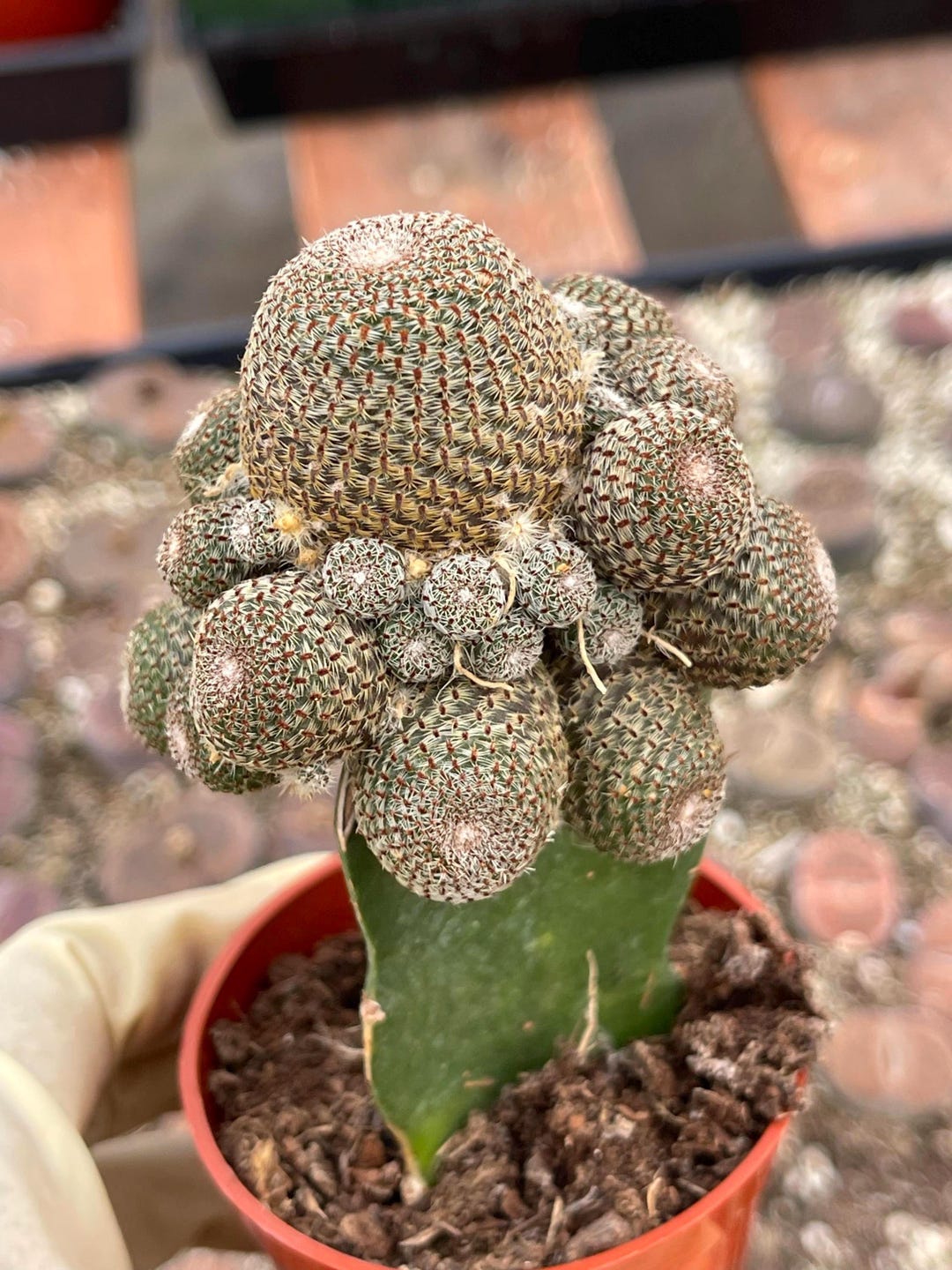
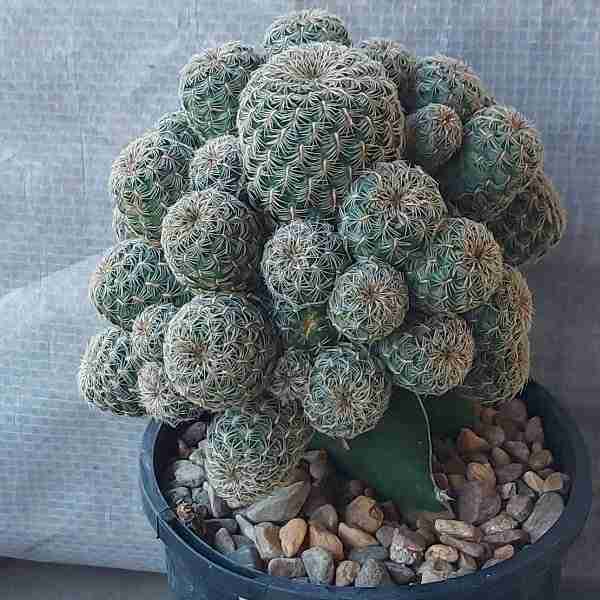
Consider the Gymnocalycium scion, a genus prized for its jewel-toned hues. Alone, it might wither in the shadow of its larger cousin. But when grafted onto an Echinocactus, it basks in the stock’s vitality, its vibrant epidermis glowing like a beacon in the arid landscape. This isn’t mere horticulture; it’s a rescue mission for species on the brink of obscurity. Grafting breathes new life into cultivars that would otherwise fade into obscurity, turning a humble garden into a living museum of botanical innovation.
Selecting Your Stock: The Backbone of the Operation
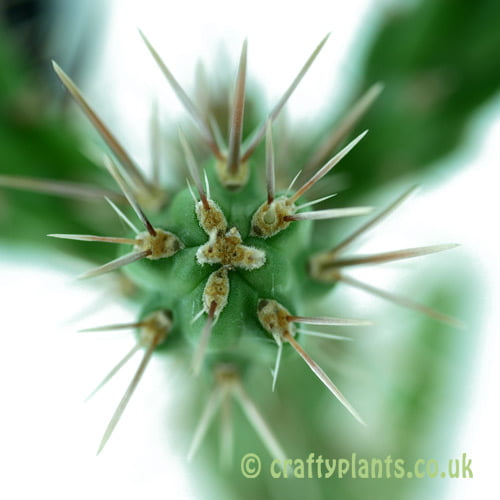
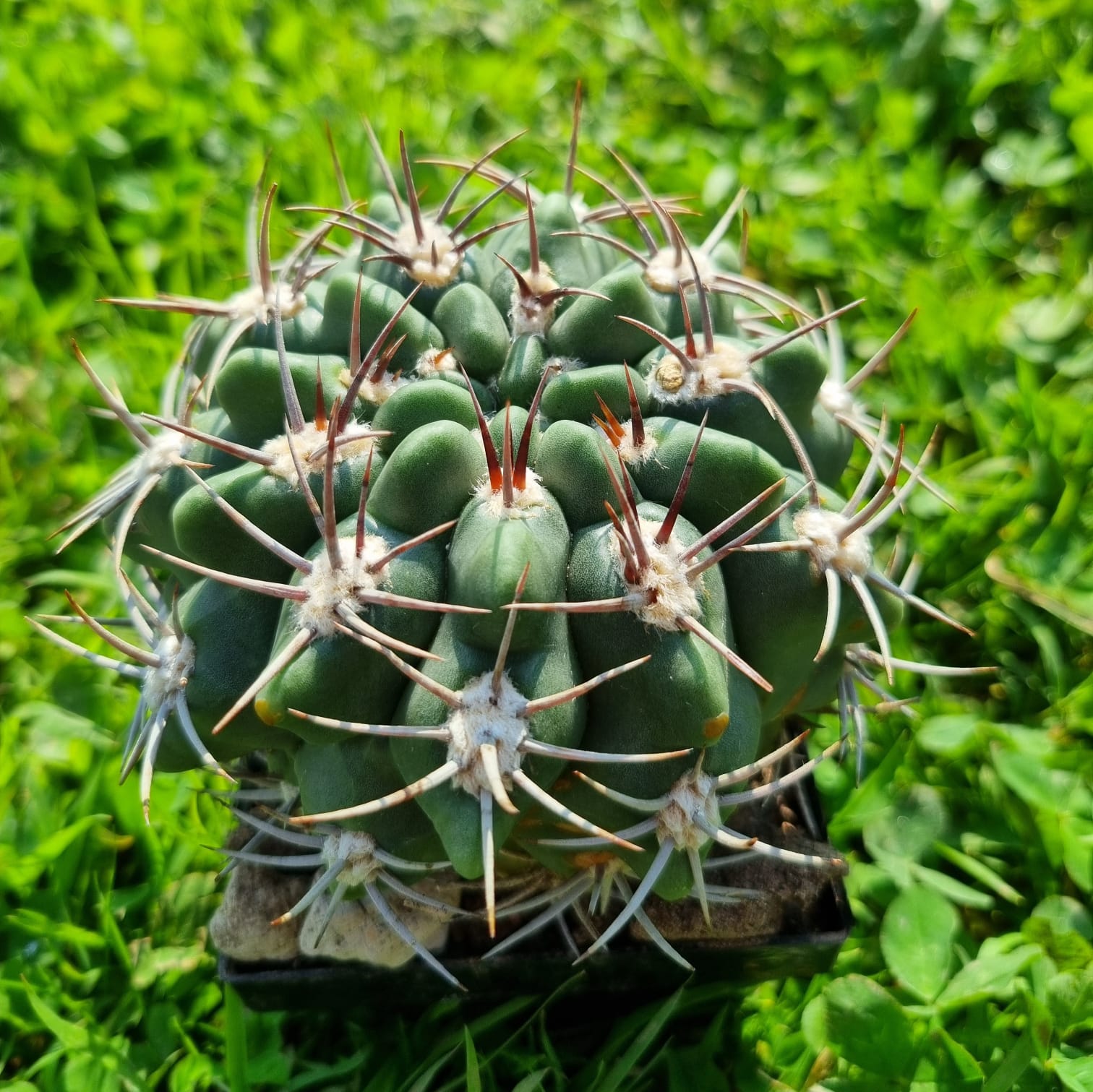
Not all Echinocactus are created equal when it comes to grafting. The ideal stock is a study in contrasts: sturdy enough to support a scion, yet pliable enough to accept a new partner. Echinocactus grusonii, the golden barrel cactus, is a perennial favorite—its thick, ribbed body and rapid growth make it a natural collaborator. But don’t overlook Echinocactus horizonthalonius, with its flattened, blue-green disks, or Echinocactus texensis, whose spiny, star-shaped form adds a touch of the wild west to any arrangement. The key is to choose a stock that’s healthy, disease-free, and at least as wide as the scion you intend to graft. A mismatched pair is a recipe for disaster; the stock must be the steadfast anchor in this botanical waltz.
Timing, too, is everything. Graft in the active growing season—spring or early summer—when the stock is primed for uptake. A sluggish, dormant cactus is as welcoming as a locked door. And don’t forget the soil: a well-draining mix, rich in perlite or pumice, ensures the graft doesn’t drown in its own enthusiasm. The right conditions transform grafting from a gamble into a guarantee.
The Scion’s Saga: Choosing a Partner for the Ages
The scion is where the magic happens. This is the part of the graft that steals the show, the diva of the duo. While Echinocactus stocks are the reliable workhorses, scions are the artists—each one a brushstroke in the living canvas of your garden. Gymnocalycium species, with their pastel pinks and fiery oranges, are crowd-pleasers, but the real stars are the mutants: Gymnocalycium mihanovichii ‘Hibotan,’ with its blood-red epidermis, or Gymnocalycium baldianum, whose deep magenta blooms are a sight to behold. These are not your grandmother’s cacti; they are the rebels, the outliers, the ones that refuse to blend in.
But not all scions are showy. Some, like Epiphyllum or Hylocereus, bring a different kind of drama—long, trailing stems that cascade like waterfalls of green. Pair these with an Echinocactus stock, and you’ve got a conversation piece that defies categorization. The scion’s growth habit dictates the graft’s personality: upright and regal, or sprawling and untamed. The choice is yours, but choose wisely. A scion that outgrows its stock will topple the partnership before it even begins.
The Surgical Poetry: Step-by-Step Grafting Mastery
Grafting is where science meets artistry. It’s a dance of precision, where a single misstep can mean the difference between a thriving hybrid and a rotting heap. Begin by sterilizing your tools—a razor blade or sharp knife, rubbing alcohol, and a steady hand. The stock and scion must be cut cleanly, their vascular tissues exposed like the pages of an open book. The goal is a seamless union, where the cambium layers—the plant’s circulatory system—align perfectly. Think of it as a high-stakes jigsaw puzzle, where each piece must fit snugly to ensure the graft takes.
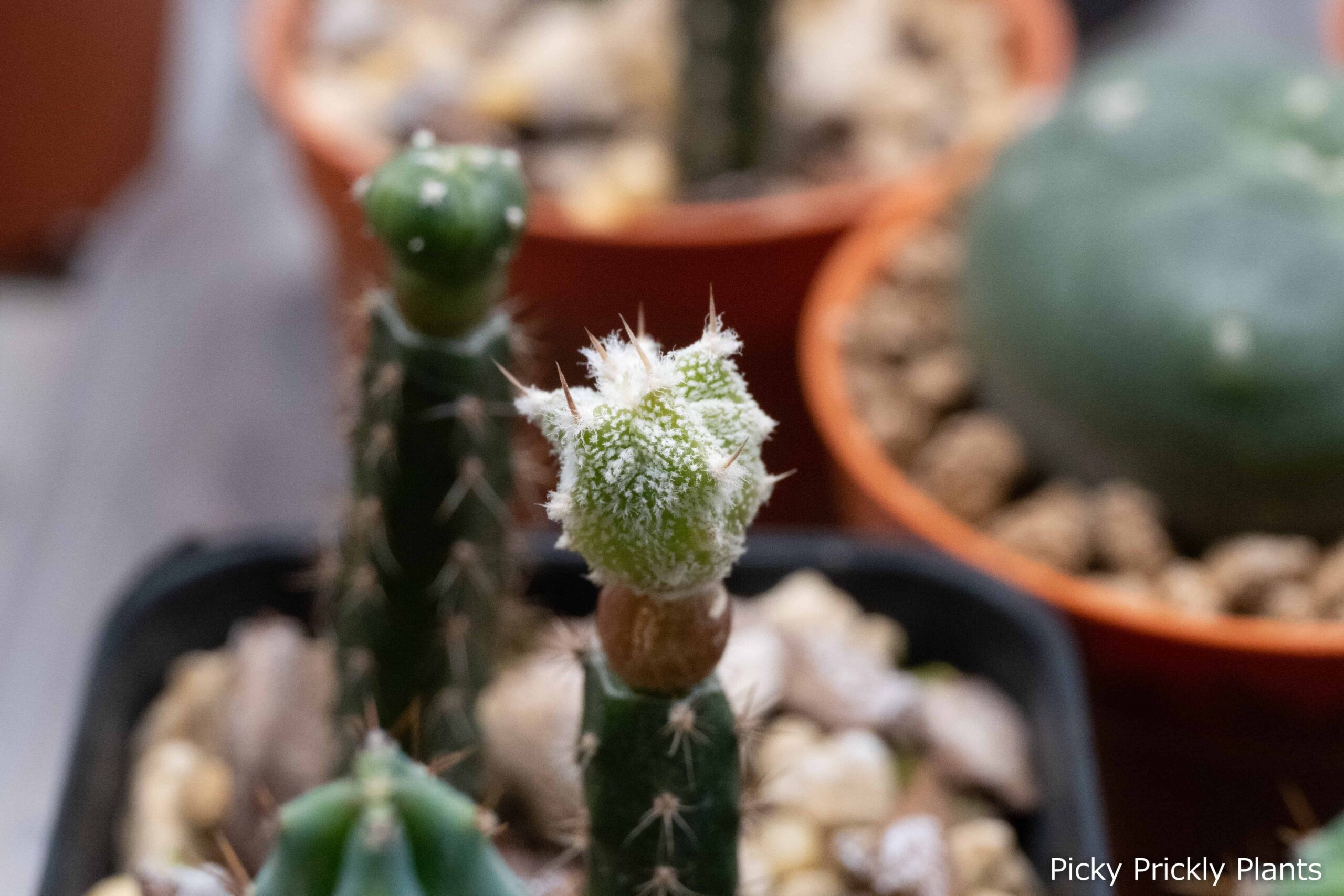
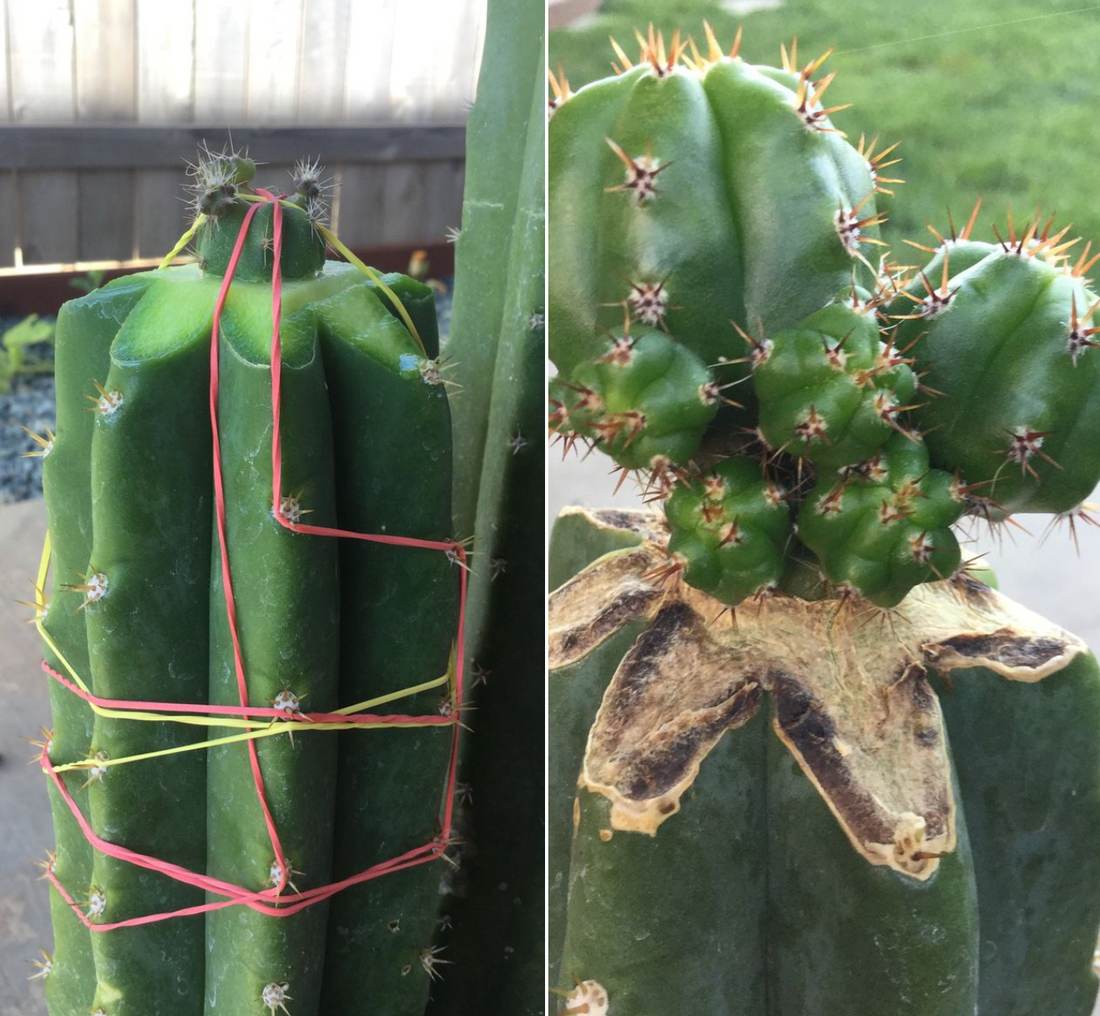
Once the cuts are made, press the scion onto the stock with gentle but firm pressure. Some gardeners swear by rubber bands or grafting clips to hold the union in place, while others prefer the simplicity of a weight—just enough to keep the scion from shifting. The key is to minimize air gaps; any space between the two is an invitation for infection or desiccation. Now, the waiting game begins. Keep the graft in a warm, humid environment, away from direct sunlight. A plastic bag or humidity dome can work wonders, mimicking the tropical conditions a cactus might never experience in the wild. Patience is your ally here; rushing the process is a surefire way to invite failure.
Post-Graft Care: Nurturing the Newborn Hybrid
The first few weeks after grafting are critical. The graft is a newborn, fragile and dependent, and it needs your undivided attention. Avoid watering for at least a week—too much moisture can rot the union before it has a chance to heal. Instead, mist the graft lightly, just enough to keep the tissues hydrated without drowning them. As the days pass, gradually reintroduce light, but never direct sun. The scion is still adjusting, its epidermis tender and unaccustomed to the glare of the desert sun. Think of it as a convalescent easing back into the world after a long illness.
Watch for signs of distress: a scion that wilts or turns mushy is a cry for help. If the graft fails, don’t despair. Even the most skilled gardeners lose grafts to infection or poor alignment. The key is to learn from each attempt, refining your technique with every try. And remember, not all grafts take immediately. Some may take months to show signs of life, their slow growth a testament to the patience required in this art form. But when the first new spines emerge, when the scion begins to swell with newfound vigor, you’ll know you’ve done more than propagate a plant—you’ve coaxed a miracle into being.
The Ripple Effect: Beyond the Garden Gate
The implications of Echinocactus grafting extend far beyond the confines of a backyard greenhouse. In regions where cacti are threatened by habitat loss or climate change, grafting offers a lifeline—a way to preserve genetic diversity and reintroduce species to the wild. It’s a tool for conservationists, a weapon against extinction. But it’s also a statement. In a world where monoculture reigns supreme, grafting is an act of rebellion. It’s a reminder that life thrives in the margins, that the most extraordinary hybrids often emerge from the unlikeliest of pairings.
So, the next time you gaze upon a grafted Echinocactus, don’t just see a plant. See a story—a tale of resilience, adaptation, and the unbreakable bonds between species. See the future of gardening, where boundaries blur and new possibilities bloom. And perhaps, just perhaps, you’ll be inspired to pick up a razor blade and try it yourself. After all, the most radical acts of creation often begin with a single, deliberate cut.
FAQ
What is Echinocactus grafting?
Echinocactus grafting is the horticultural technique of combining Echinocactus with other cactus species to improve growth and vitality.
Why should I graft Echinocactus?
Grafting Echinocactus can enhance its growth rate, resilience, and flowering potential, making it a more robust plant.
Leave a Reply