
Short Answer
There’s something quietly revolutionary about bringing the desert into your living room. Not in the way of sprawling succulent gardens or kitschy southwestern prints, but in the deliberate, sculptural presence of the Echinocactus—those spherical, ribbed sentinels of arid resilience. Their geometric precision and slow, unyielding growth feel like a counterpoint to our fast-paced, disposable culture. In modern home decor, these cacti aren’t just plants; they’re statements of endurance, minimalism, and a defiant embrace of the unconventional.
The Allure of the Spherical: Why Echinocactus Captivates Modern Designers
At first glance, the Echinocactus—with its tightly packed ribs and golden spines—might seem like a relic of a bygone era, a holdover from the Victorian craze for exotic botanicals. Yet, its resurgence in contemporary interiors speaks to a deeper cultural shift. In an age where we’re bombarded with fleeting trends and disposable aesthetics, the cactus offers something radical: permanence. Its slow growth, often measured in decades, mirrors the deliberate curation of a modern home. There’s no room for clutter when a single Echinocactus commands attention like a living sculpture.
Designers are drawn to its paradoxical nature—both rugged and refined, wild yet controlled. The plant’s spherical form lends itself to architectural compositions, its curves softening the hard lines of minimalist furniture. Placed on a sleek marble console or a floating shelf, it becomes a focal point that doesn’t scream for attention but quietly elevates the space. The spines, often overlooked as mere defensive mechanisms, are in fact nature’s own design language: sharp, intentional, and undeniably striking.
Choosing the Right Echinocactus: Size, Shape, and Species for Your Space
Not all Echinocactus are created equal, and selecting the right specimen for your home is an exercise in both aesthetics and intention. The most common variety, Echinocactus grusonii—often called the “golden barrel”—is a showstopper with its dense, radiating spines and vibrant yellow flowers (when mature). For smaller spaces, consider Echinocactus horizonthalonius, a flatter, more disc-like species that sprawls horizontally, making it ideal for tabletops or narrow shelves.
The size of your cactus should dictate its placement. A solitary, large specimen can anchor a room, demanding to be the centerpiece of a vignette. Smaller clusters, arranged in a staggered formation, create a dynamic rhythm along a windowsill or credenza. Pay attention to the color of the spines—some varieties boast silver-white spines, while others shimmer in hues of red or brown. These subtle differences can tie into your existing color palette or introduce a bold contrast.
Health is another consideration. A thriving Echinocactus should feel firm to the touch, with no soft or mushy spots. Its ribs should be clearly defined, not flattened or stretched. If you’re purchasing from a nursery, ask about its light exposure history—these cacti thrive in bright, indirect light and can suffer in low-light conditions, leading to etiolation (stretching) or discoloration.
Styling Echinocactus in Minimalist Interiors: Less Is More, But Intentional
Minimalism isn’t about emptiness; it’s about purpose. In a minimalist space, every object should have a reason for being there—and the Echinocactus fits this ethos perfectly. The key is restraint. A single, well-placed cactus on a stark white shelf or a matte black side table can feel like a deliberate act of rebellion against the noise of modern life. Its spiky silhouette disrupts the clean lines of a room, adding texture and depth without overwhelming the space.
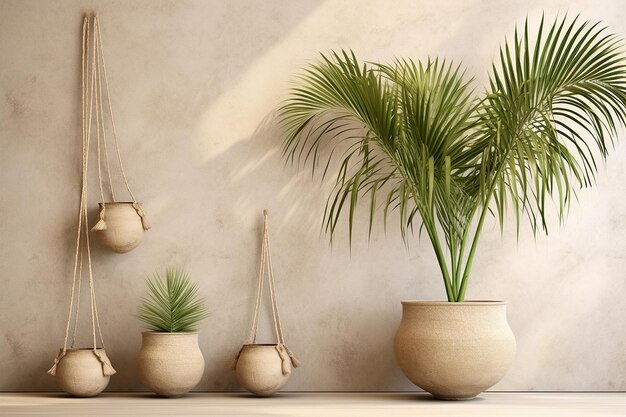
Consider pairing it with materials that complement its ruggedness. A rough-hewn ceramic pot or a hand-thrown terracotta vessel can enhance its organic feel, while a sleek, geometric planter in concrete or matte black metal grounds it in modernity. Avoid overly ornate containers—these cacti are stars in their own right and don’t need embellishment. Instead, let their natural form take center stage.
Lighting is crucial. A Echinocactus placed near a window will thrive, but its spines can cast dramatic shadows that shift throughout the day. For an evening ambiance, position it under a warm-toned floor lamp or a sculptural pendant light. The interplay of light and shadow will highlight the cactus’s intricate details, turning it into a living piece of art.
Echinocactus in Eclectic and Boho Spaces: Embracing the Unexpected
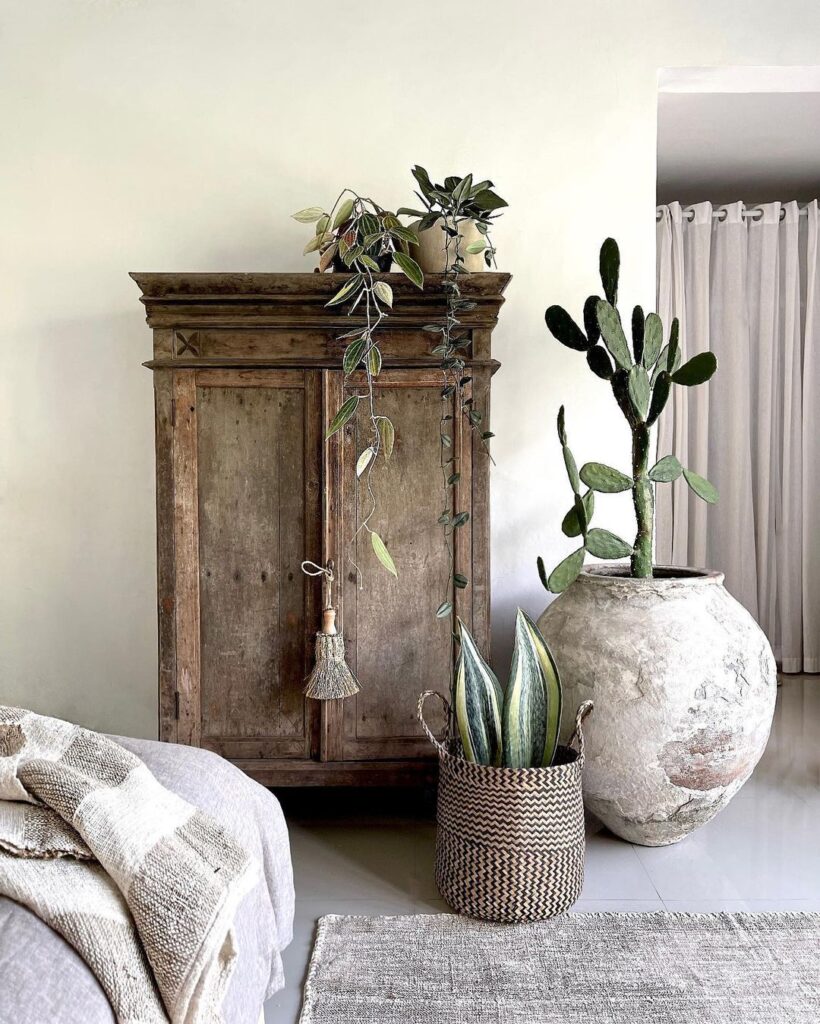
Where minimalism celebrates restraint, eclectic and bohemian styles thrive on juxtaposition—and the Echinocactus is a master of this game. In a room filled with layered textiles, vintage finds, and a riot of colors, a single cactus can act as a grounding element, its structured form providing balance amid the chaos. Try placing it on a macramé hanger suspended from the ceiling, or nestled among a collection of brass candlesticks and dried pampas grass on a coffee table.
The boho aesthetic often celebrates imperfection, and the Echinocactus’s quirks—its asymmetrical ribs, its occasional offshoots—fit seamlessly into this narrative. Pair it with rattan furniture, woven baskets, and earthy tones to create a space that feels both curated and lived-in. For a touch of whimsy, consider arranging multiple cacti of varying sizes in a mismatched collection of pots, their spines creating a dynamic, almost tribal pattern.
Don’t shy away from color. While the golden spines of E. grusonii are iconic, other species offer unexpected hues. Echinocactus texensis, for example, has striking red or pink spines that can pop against a deep indigo wall or a mustard-yellow sofa. The contrast will feel intentional, not forced.
Care and Maintenance: Keeping Your Echinocactus Thriving (Without Overdoing It)
A Echinocactus isn’t a high-maintenance diva, but it does demand respect. The most common mistake? Overwatering. These cacti are desert dwellers, adapted to long periods of drought. Water only when the soil is completely dry—typically every 3-4 weeks in the growing season, and even less in winter. Use a well-draining soil mix, preferably one designed for cacti and succulents, to prevent root rot.
Light is non-negotiable. A south-facing window is ideal, but if that’s not an option, supplement with a grow light. Without adequate light, the cactus will etiolate, its ribs stretching unnaturally as it searches for the sun. If this happens, don’t despair—you can often correct the issue by gradually reintroducing it to brighter conditions.
Dust can dull the spines and obscure the plant’s natural beauty. Gently wipe the ribs with a soft brush or a damp cloth every few months. And while it’s tempting to rotate the cactus for even growth, resist the urge—these plants grow toward the light naturally, and forcing a uniform shape can stress them.
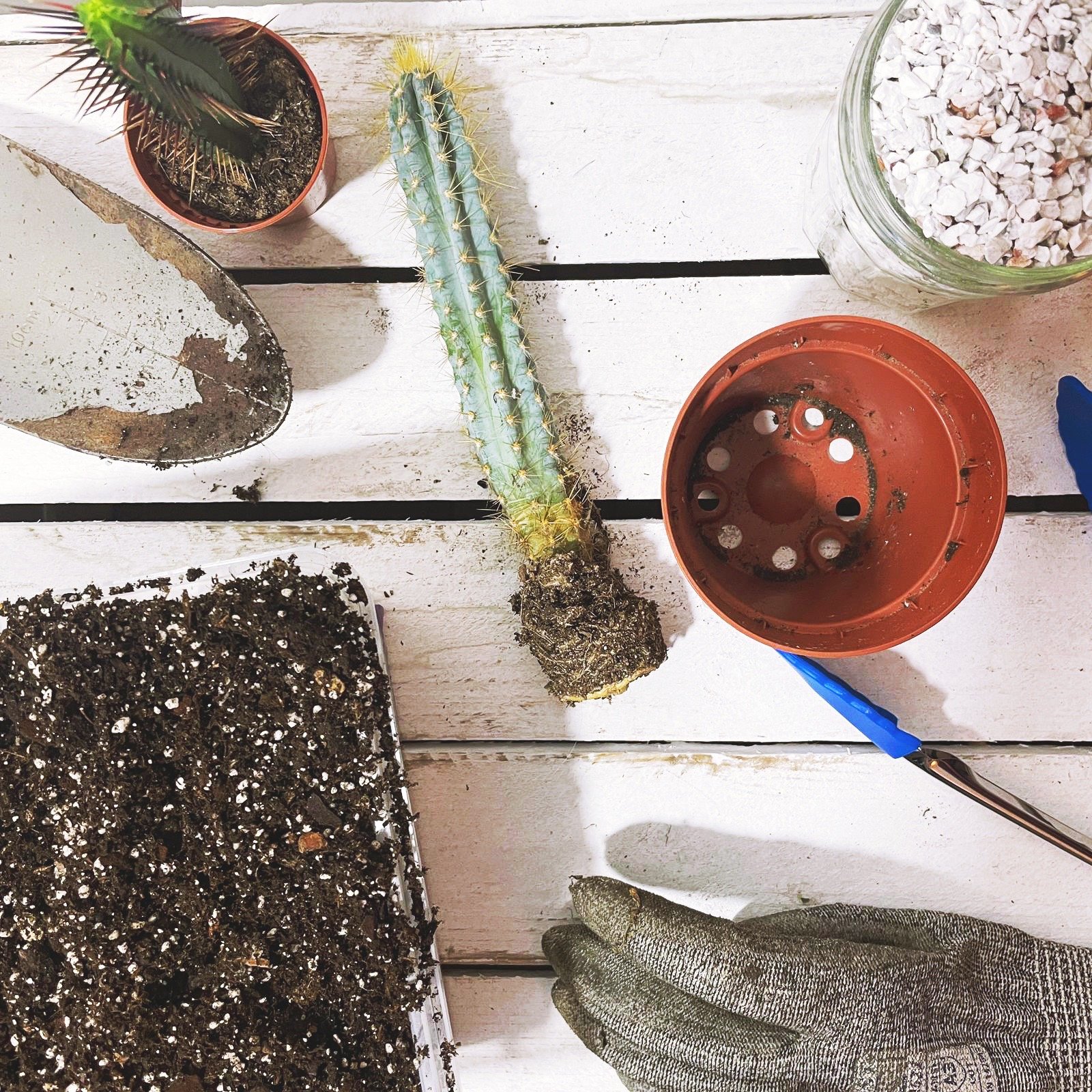
Finally, resist the urge to repot too frequently. Echinocactus prefer to be slightly root-bound, and frequent repotting can shock the plant. Only repot when the roots are visibly circling the bottom of the container or the soil has broken down completely.
The Deeper Symbolism: What the Echinocactus Represents in Modern Life
Beyond its aesthetic appeal, the Echinocactus carries a quiet symbolism that resonates in today’s world. It’s a plant of contradictions: soft yet spiky, delicate yet indestructible, slow-growing yet enduring. In a society obsessed with instant gratification, the cactus reminds us that beauty often lies in patience. Its ability to thrive in harsh conditions—scorching sun, parched soil—mirrors the resilience required to navigate modern life’s challenges.
There’s also something inherently feminist in its form. The Echinocactus doesn’t apologize for its presence. It doesn’t soften its edges or dilute its intensity. In a world where women and marginalized voices are often pressured to conform, the cactus stands as a silent, unyielding symbol of authenticity. It doesn’t ask for permission to take up space; it simply does.
Perhaps that’s why it’s having a moment in interior design. We’re tired of disposable decor, of trends that fade as quickly as they arrive. We crave objects that tell a story, that carry weight and meaning. The Echinocactus does just that. It’s a living heirloom, a piece of the desert brought indoors, a reminder that even in the most barren landscapes, life finds a way.
FAQ
How often should I water my Echinocactus?
Water every 3-4 weeks during the growing season, allowing the soil to dry completely between waterings.
What type of light do Echinocactus prefer?
Echinocactus thrive in bright, indirect light and should be protected from low-light conditions.
Can Echinocactus be kept indoors?
Yes, Echinocactus can be kept indoors as long as they receive adequate light and are not overwatered.

Leave a Reply